- 12 August 2023
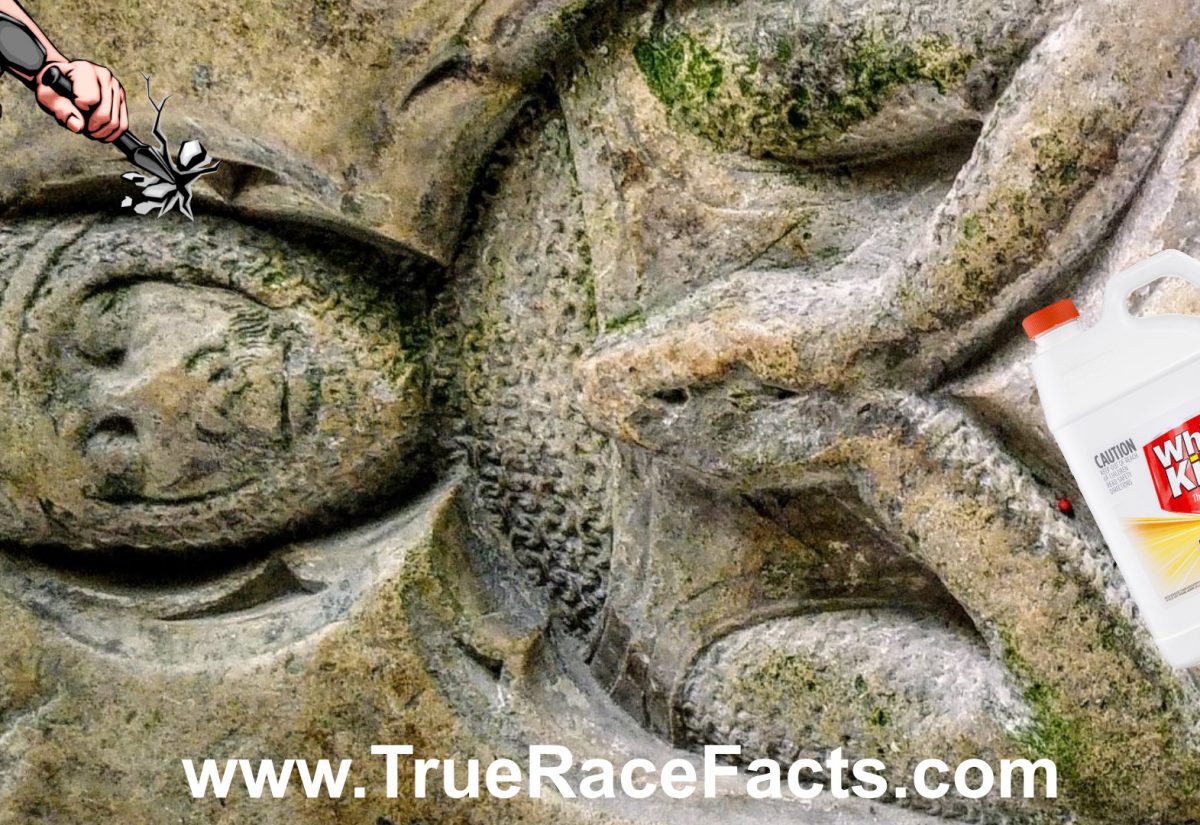
The 14th-century effigy of Wilelmus de Staunton in St. Mary, Staunton in the Vale, Nottinghamshire, preserves unmistakable broad nose and full lips, even after deliberate damage. This rare monument reveals the swarthy Anglo-Saxon (Hebrew/Israelite) heritage of one of Nottinghamshire’s most powerful medieval noble families, whose estates and influence spanned the region. Despite attempts to erase their features, the Stauntons’ nobility and lineage remain boldly visible in stone
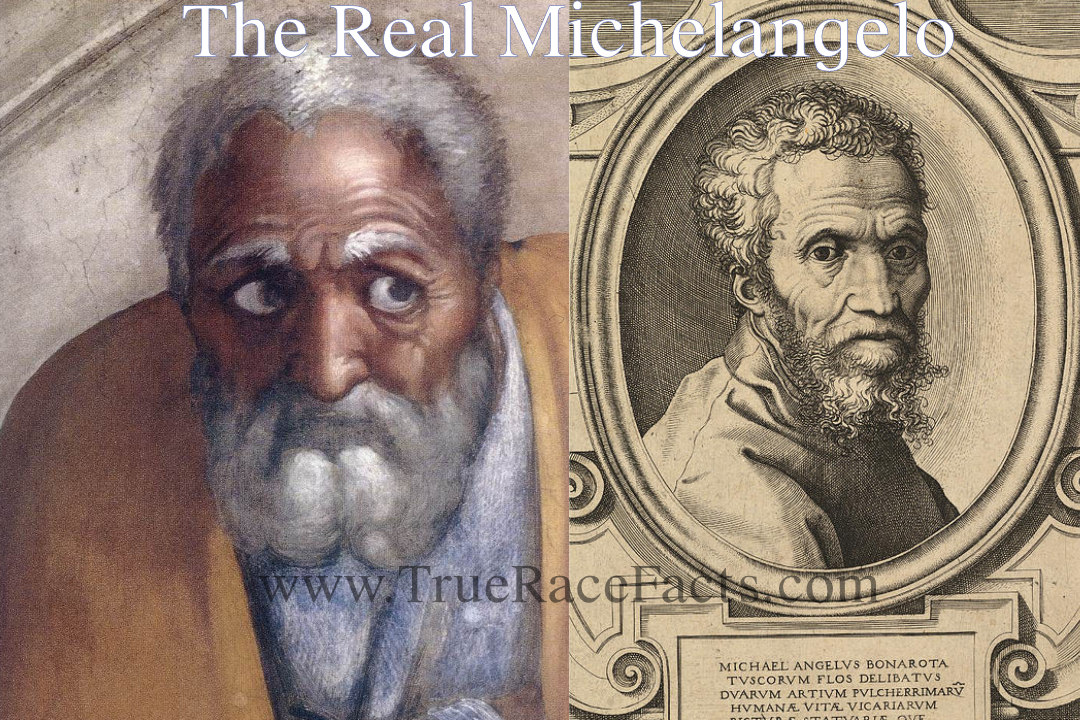
A close comparison of Michelangelo’s self-portrait and the figure of Jacob in the Sistine Chapel reveals an astonishing truth: the biblical figure mirrors the artist himself. Broad nose, full lips, and swarthy features suggest Michelangelo was a swarthy Hebrew/Israelite man, subtly inserting his identity into his work while conforming to papal demands to depict biblical figures as white. This hidden self-portrait reveals both his genius and the personal struggle behind his masterpieces.
- 21 February 2023
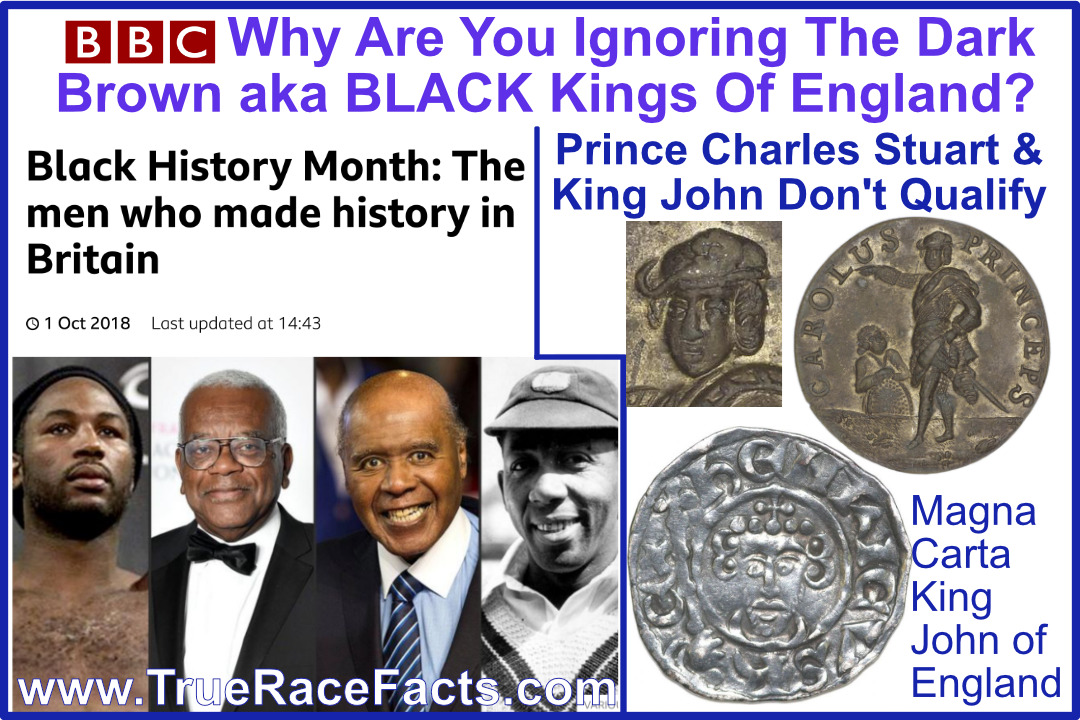
We call out the BBC British Broadcasting Corporation & MSM for Whitewashing History and using Artistic Expression, which is NEVER in the likeness of the dark noble. This is a form of racism that needs to stop to prevent identity theft
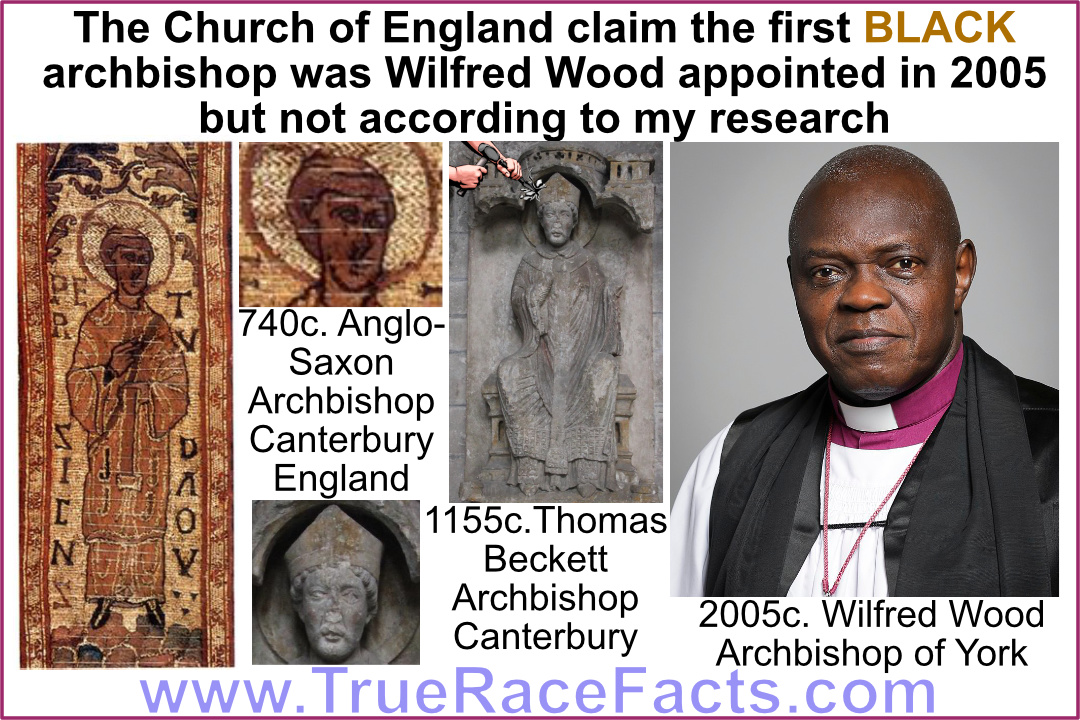
The Church of England claim the first BLACK archbishop was Wilfred Wood appointed in 2005 but not according to my research.
- 20 January 2023
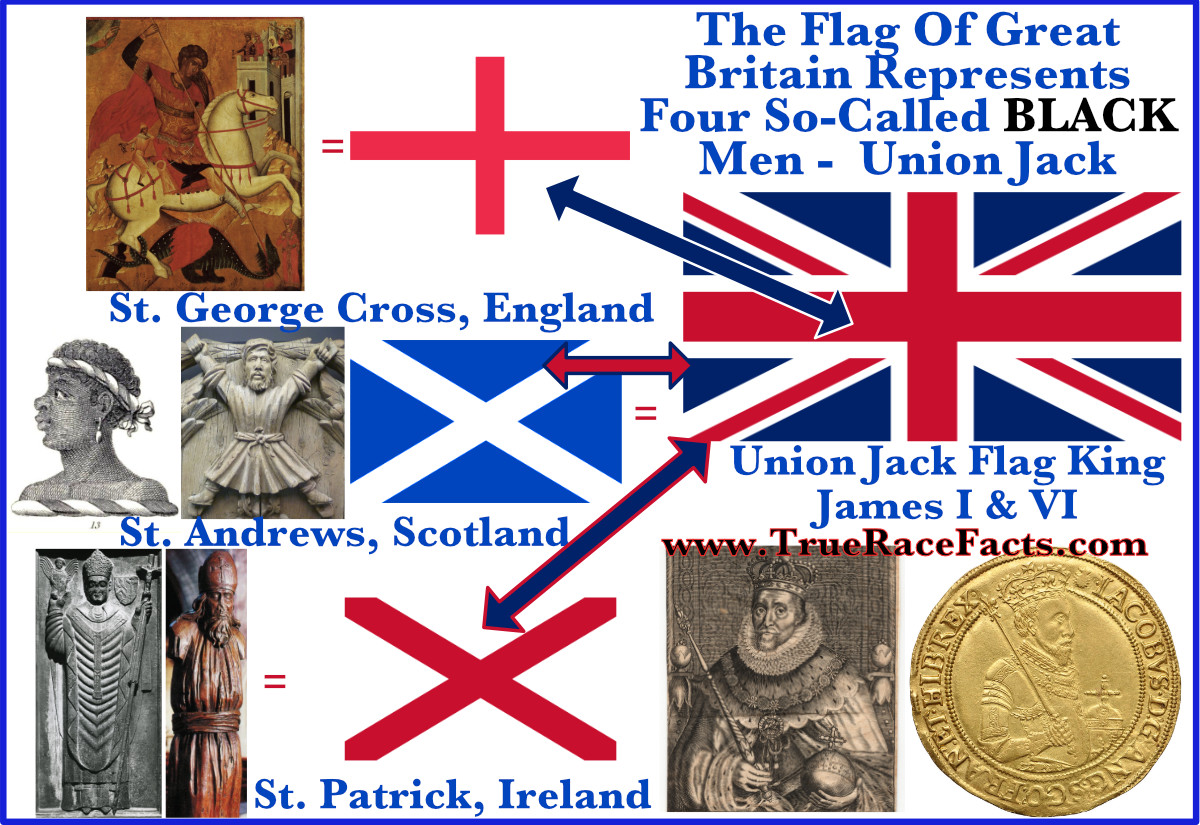
The Flag Of Great Britain Represents Four So-Called BLACK Men - Union Jack which also means Union of Jacob the progenitor of the Hebrew Israelites.
- 13 January 2023
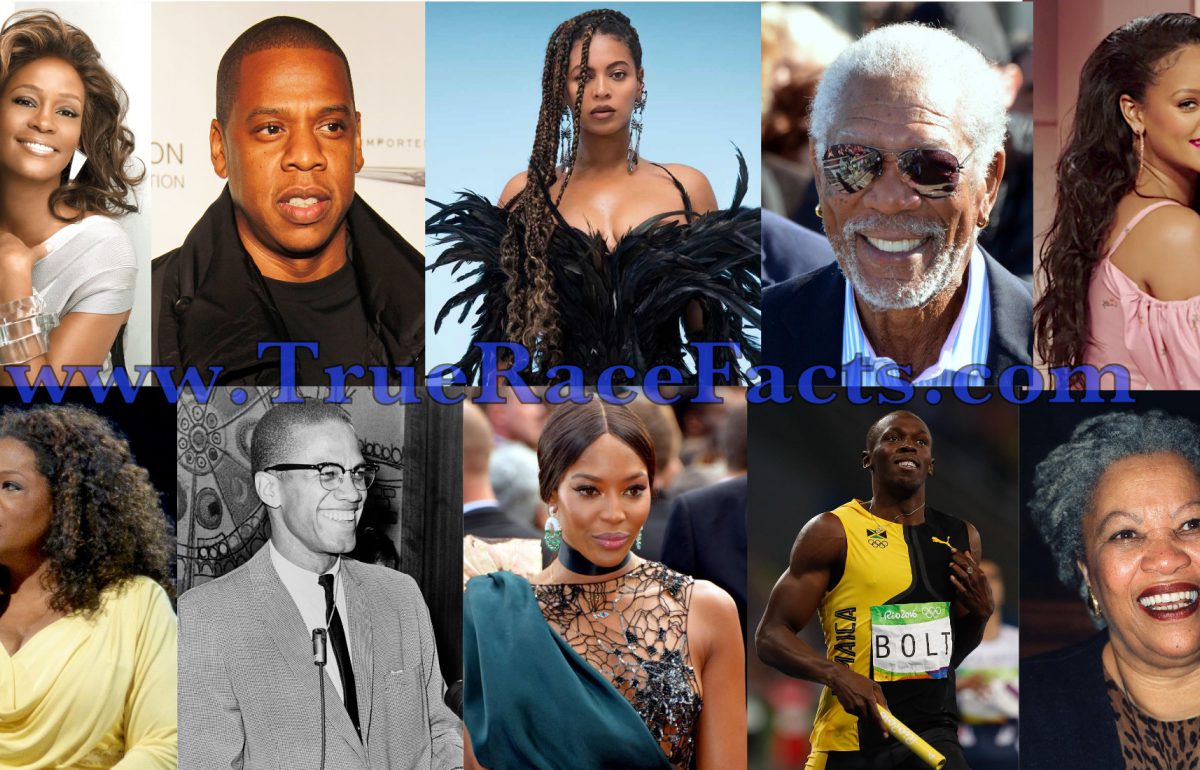
Many celebrites and descendants of the transatlantic slave trade have no idea that they may have come from England, Ireland, Scotand or Europe. History has been whitewashed for the benefit of white supremacy.
- 10 January 2023
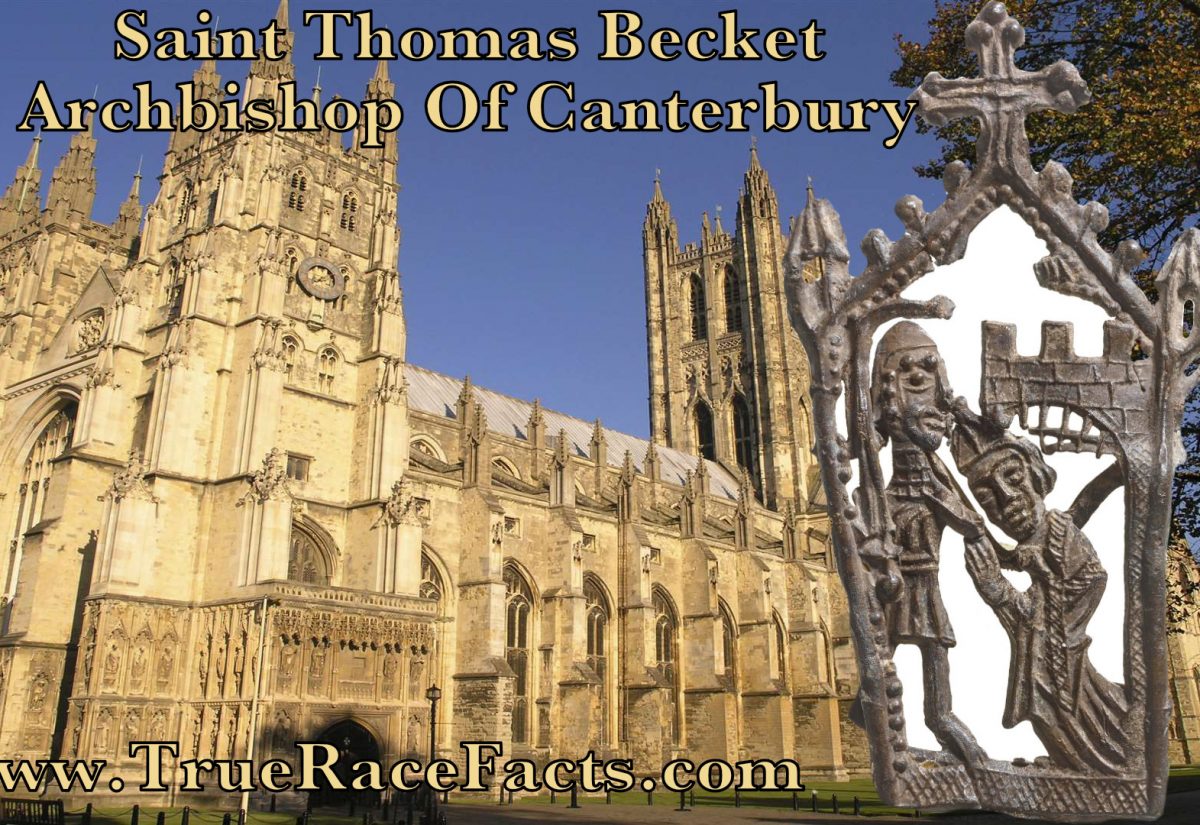
Thomas Becket was one of the most influential men in Britain. Also known as Saint Thomas of Canterbury, Thomas of London and later Thomas à Becket (21 December 1119 or 1120 – 29 December 1170), was an English nobleman who served as Lord Chancellor from 1155 to 1162 and then notably as Archbishop of Canterbury from 1162 until his murder in 1170. The Catholic Church and the Anglican
- 4 January 2023
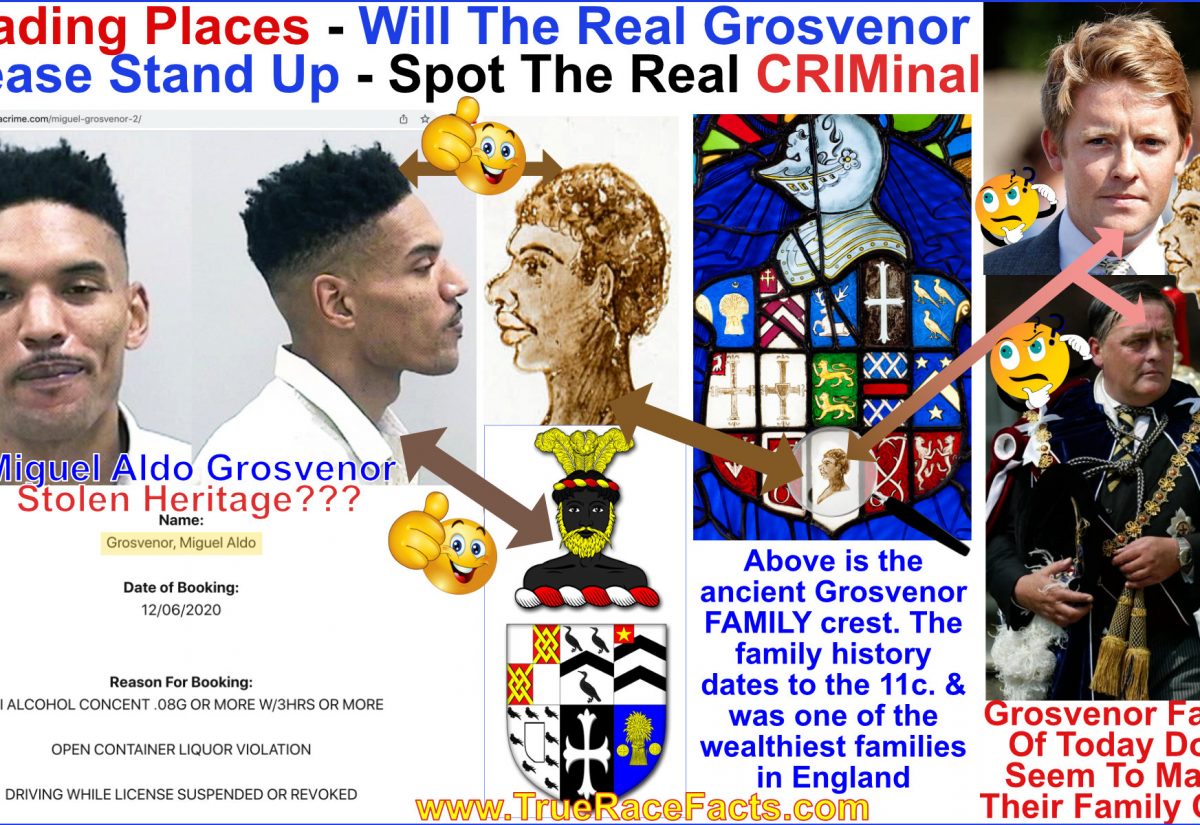
Will the real Grosvenor Please Stand Up - The man in America with the petty crimes matches the ancient family crest more than the current family. Miguel Grosvenor is highly likely the REAL Grosvenor but his family was put into slavery and had their land STOLEN Under during the Cromwelian race wars or during the late 17th century when England was undergoing a genocide race cleanse. I allege
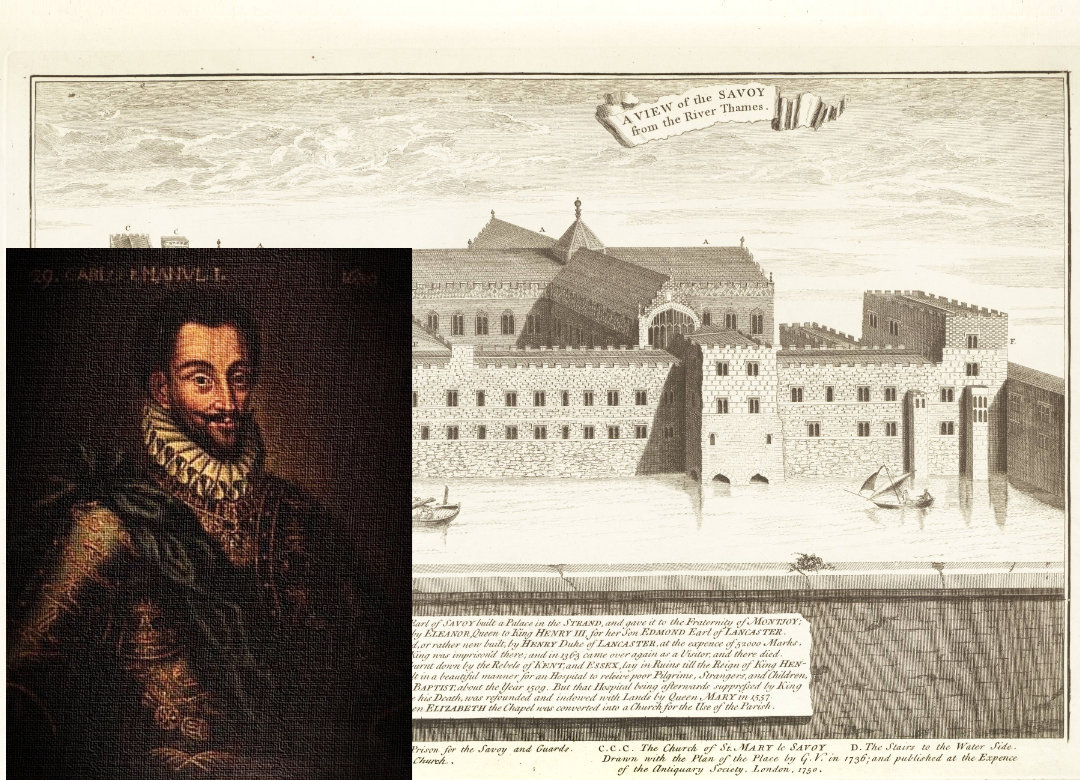
The dark House of Savoy was a royal dynasty that was established in 1003 in the historical Savoy region. Through gradual expansion, the family grew in power from ruling a small Alpine county north-west of Italy to absolute rule of the Kingdom of Sicily from 1713 to 1720, when they were handed the island of Sardinia, over which they would exercise direct rule from then onward.
- 25 December 2022
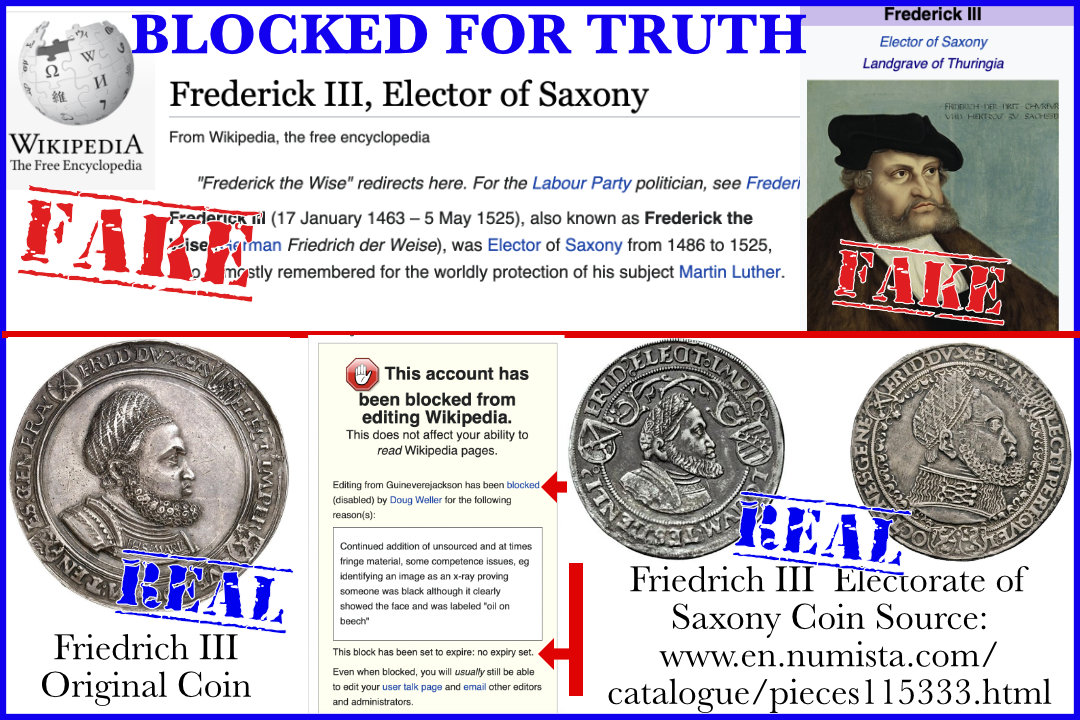
Wikipedia BLOCKED me permanently from editing because I added authentic images of Frederick III, Elector of Saxony aka Frederick the Wise. This is what you call whitewashing iconoclasm at it's finest. Frederick was the son of Ernest, Elector of Saxony and his wife Elisabeth, daughter of Albert III, Duke of Bavaria. He is notable as being one of the most powerful early defenders of Martin Luther