- 27 November 2022
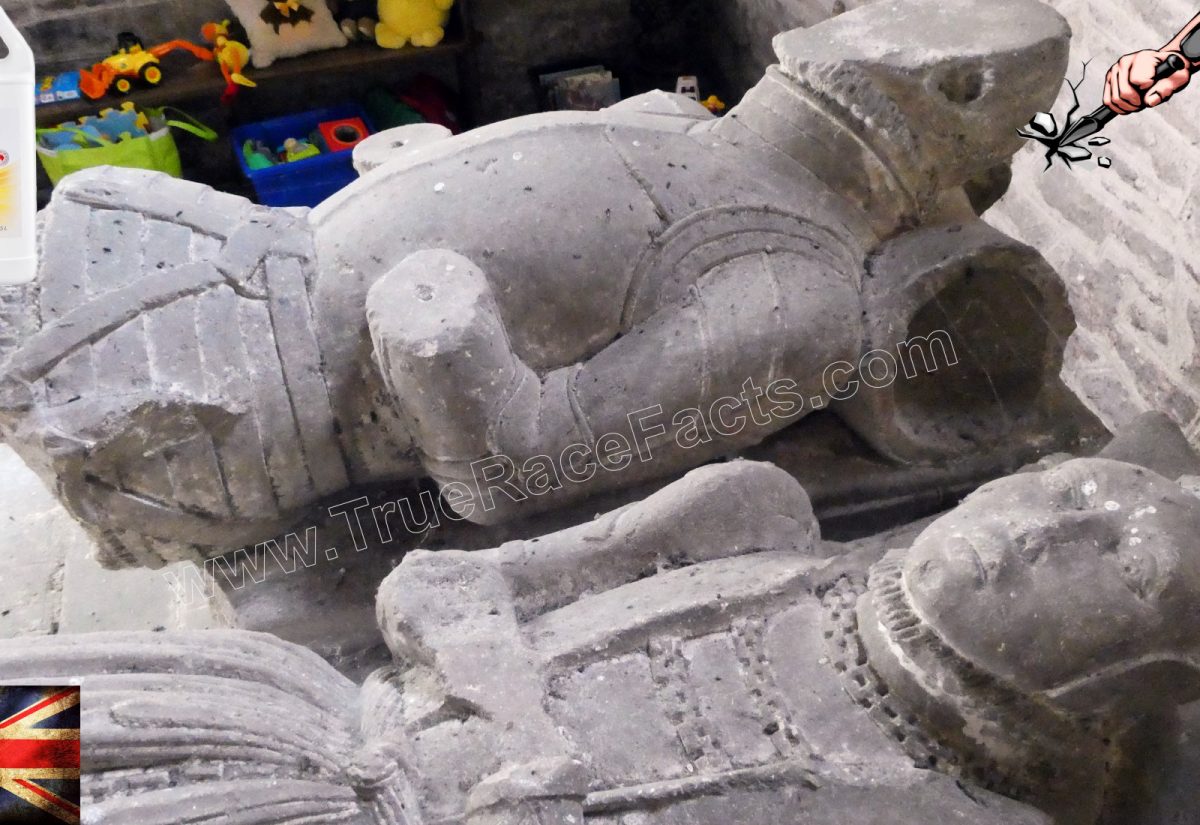
Nobleman Richard Willison died on 23rd February 1574. His wife Anne Elton Willison was buried here on 22nd June 1591 - Church of the 'Nativity of The Blessed Virgin Mary, Madley Herefordshire.
- 26 November 2022
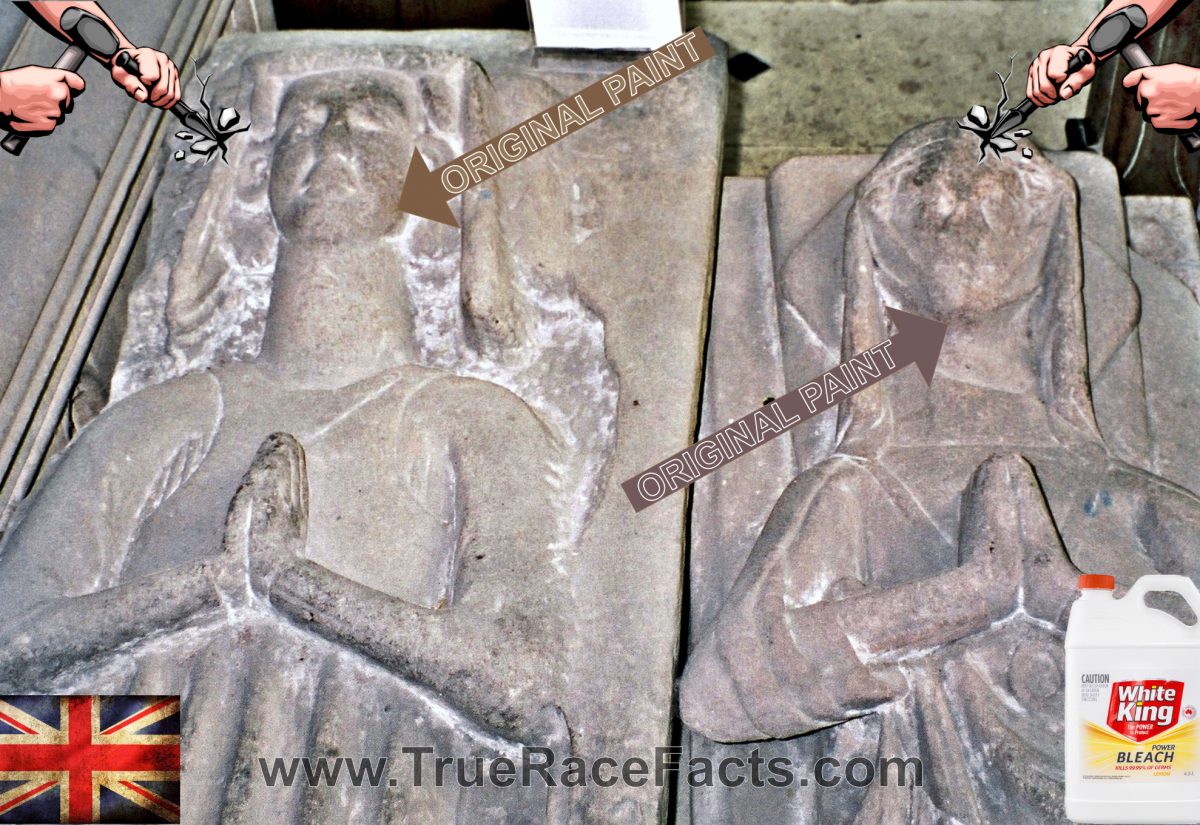
Catherine Foljambe formerly Eyre which was her maiden or surname was born Born about 1265 [location unknown] Daughter of William (Eyre) le Eyre and [mother unknown] her father was was a member of the aristocracy in England. He was given the nickname William "of Hope Born about 1225 in Derbyshire, England
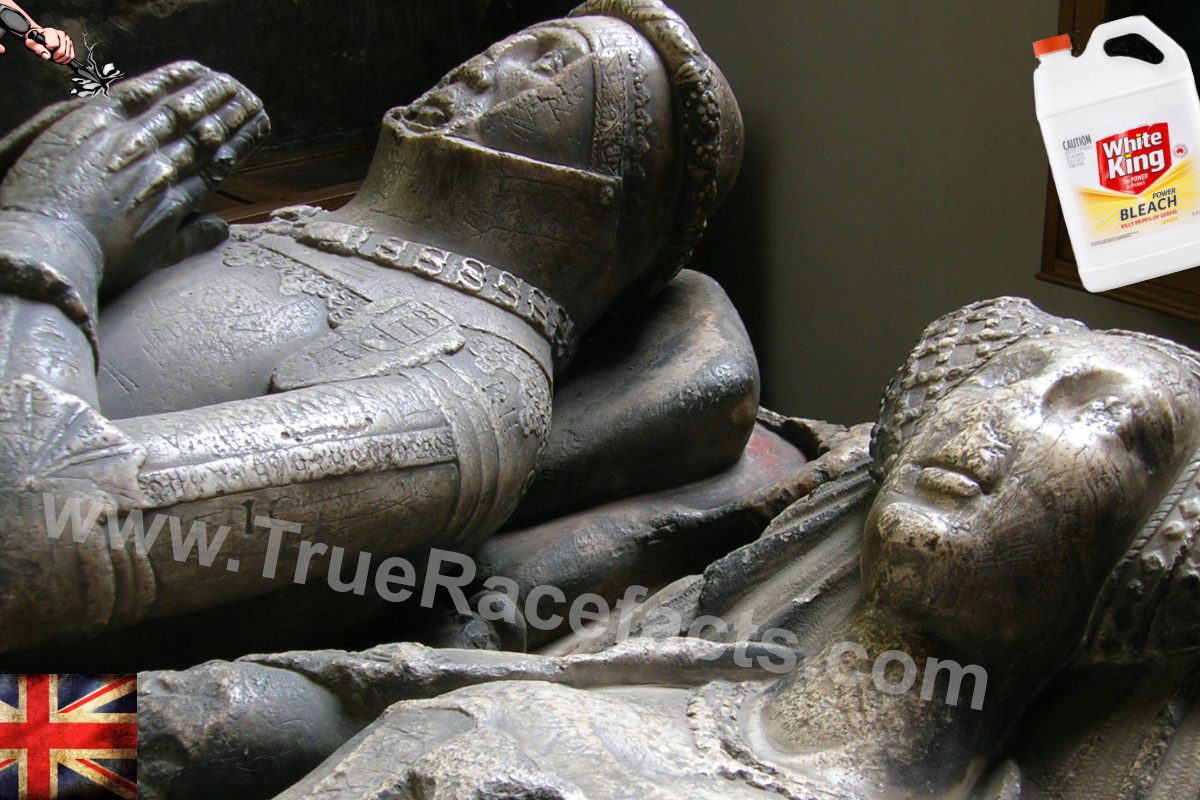
Above are images of Sir Thurstan de Bower and his wife Margaret in St John the Baptist church, Tideswell, England. Thurstan became one of the elite squires retained by the king who was chosen for their skill in arms, wisdom, wealth and social standing in Britain. Chaucer reliably informs us it "was a great honour, exceedingly rare, and given only to a chosen few." He fought in the Scottish campaign and in the battle of Shrewsbury dressed in the king's livery, and for services rendered, Thurstan became Lord of the Manor of Little Longstone. He lived to see five medieval kings on the throne of England and received Royal Commissions for the defence of the realm during the king's absence in France. Sir Thurstan Wearing an SS collar c1395, and his wife Margaret de Bower lie here in the De Bower Chapel. They are said to have built the transept.
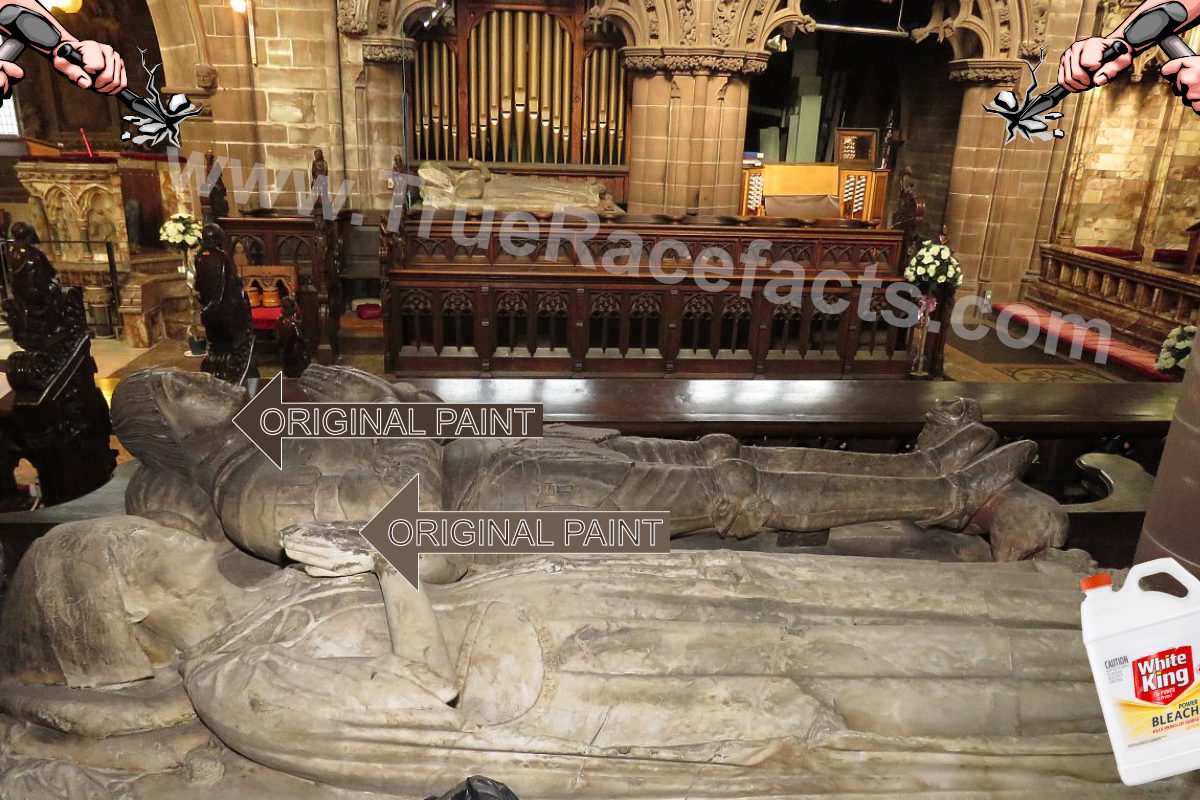
Sir Thomas was the son of Thomas de Erdington and Margaret Corbet. He married noblewoman Anne Harcourt around September 29, 1391. They had a son Sir Thomas de Erdington, Knight.
- 26 November 2022
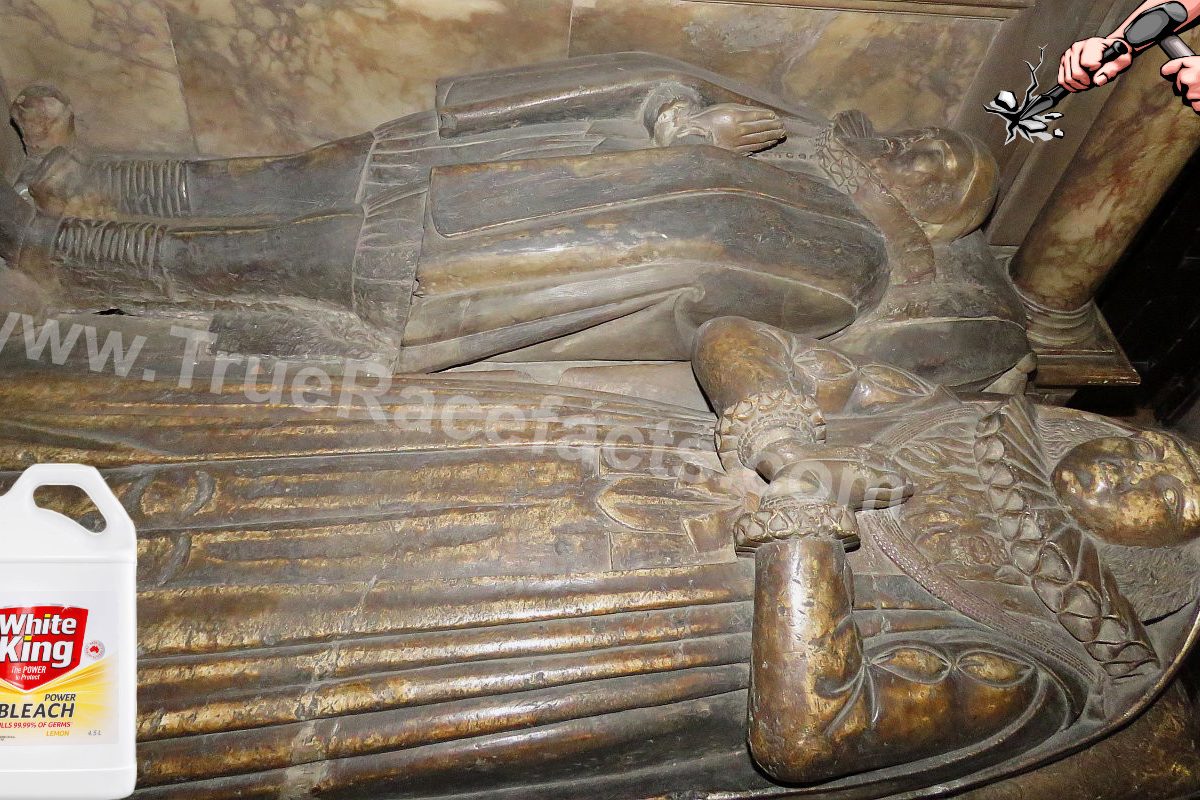
Sir Edward Devereux (c. 1544 - c. 1622) was an English politician who sat in the House of Commons, and was an English Baronet.
- 25 November 2022
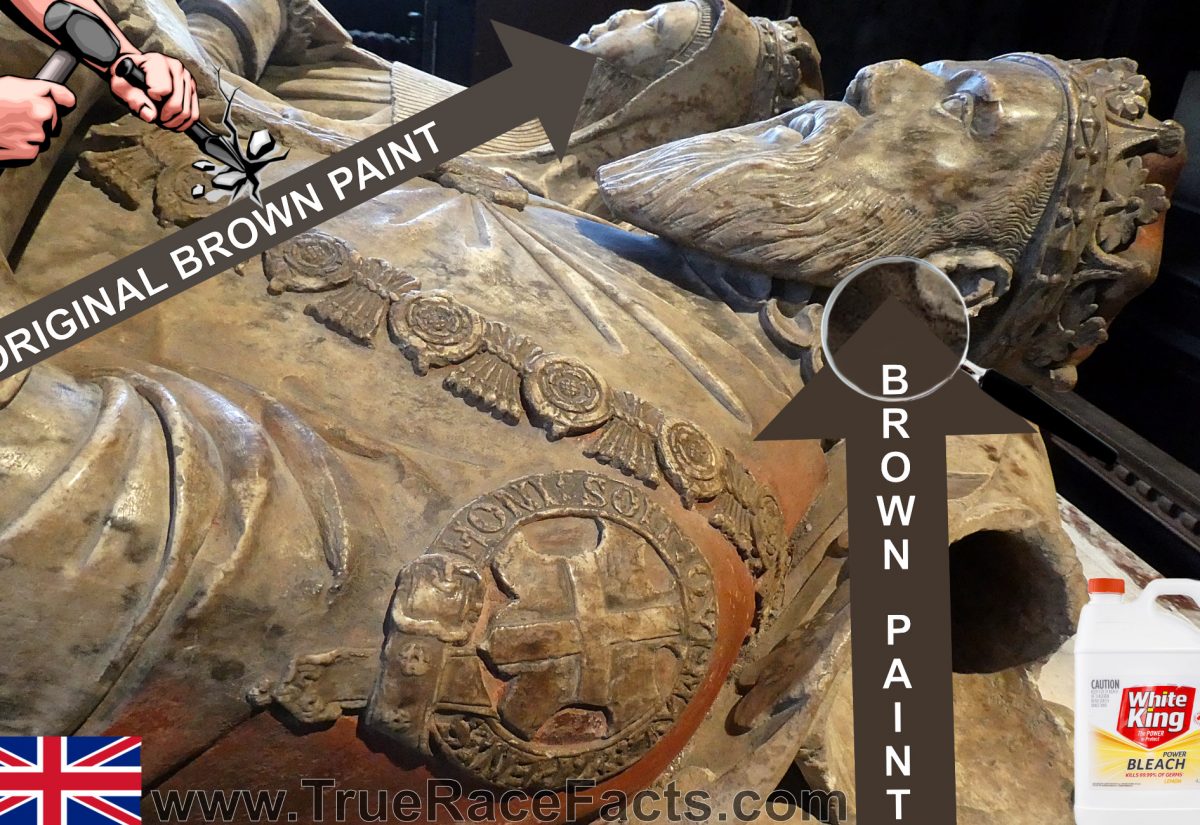
TOMB OF Katherine Pole, 1519-1576 and her husband Francis Hastings, 2nd Earl of Huntingdon (1514 – 20 June 1561), was the eldest son of George Hastings, 1st Earl of Huntingdon and Anne Stafford, Countess of Huntingdon, the ex-mistress of Henry VIII. Rumour has it he may be the illegitimate son of King Henry VIII
- 25 November 2022
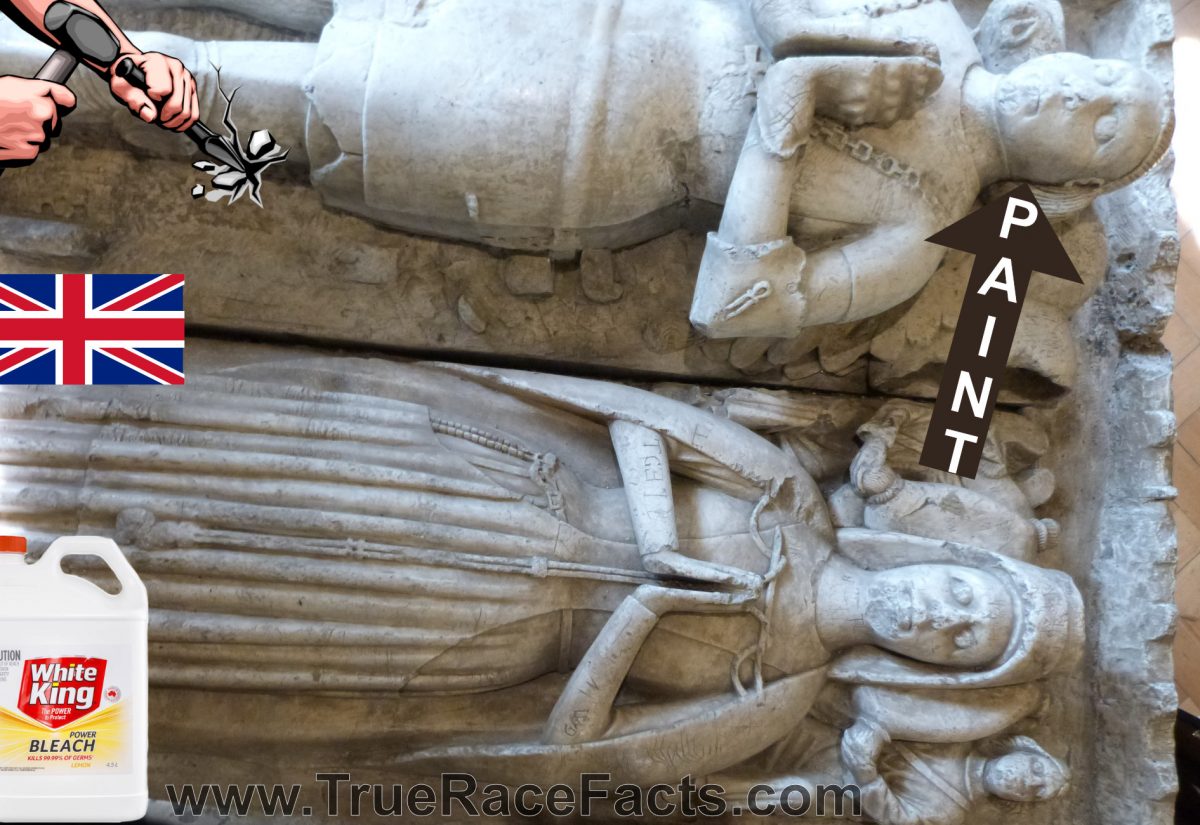
The monument has been thought to represent Sir Robert Fraunceys, aka Franceys Lord of Foremark, who settled at Foremark towards the end of the 14th century. It has suffered extensive graffiti, probably at the hands of racists trying to destroy his facial features that would identify the nobleman as a dark-skinned so-called BLACK man. Notice the nose is intentionally sawed off carefully, but it does not hide his phenotype.
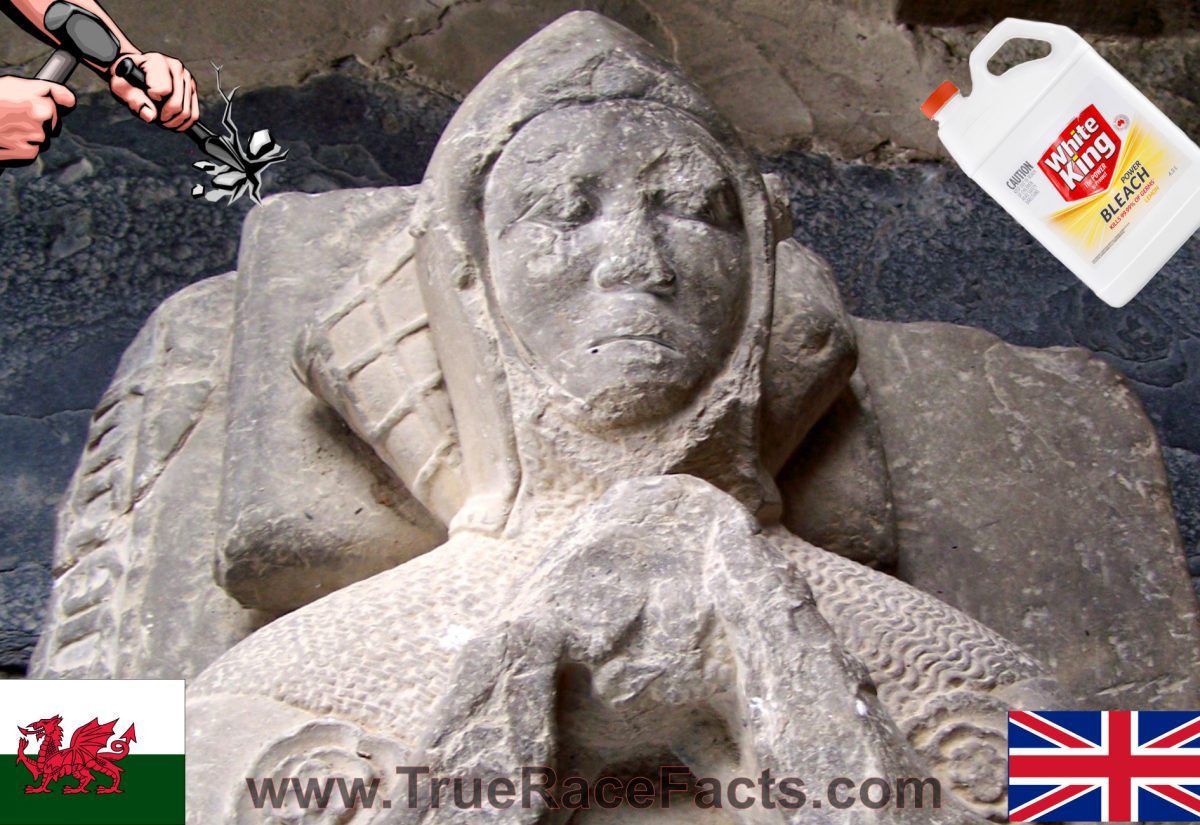
The monument has been thought to represent Sir Robert Fraunceys, aka Franceys Lord of Foremark, who settled at Foremark towards the end of the 14th century. It has suffered extensive graffiti, probably at the hands of racists trying to destroy his facial features that would identify the nobleman as a dark-skinned so-called BLACK man. Notice the nose is intentionally sawed off carefully, but it does not hide his phenotype.
- 24 November 2022
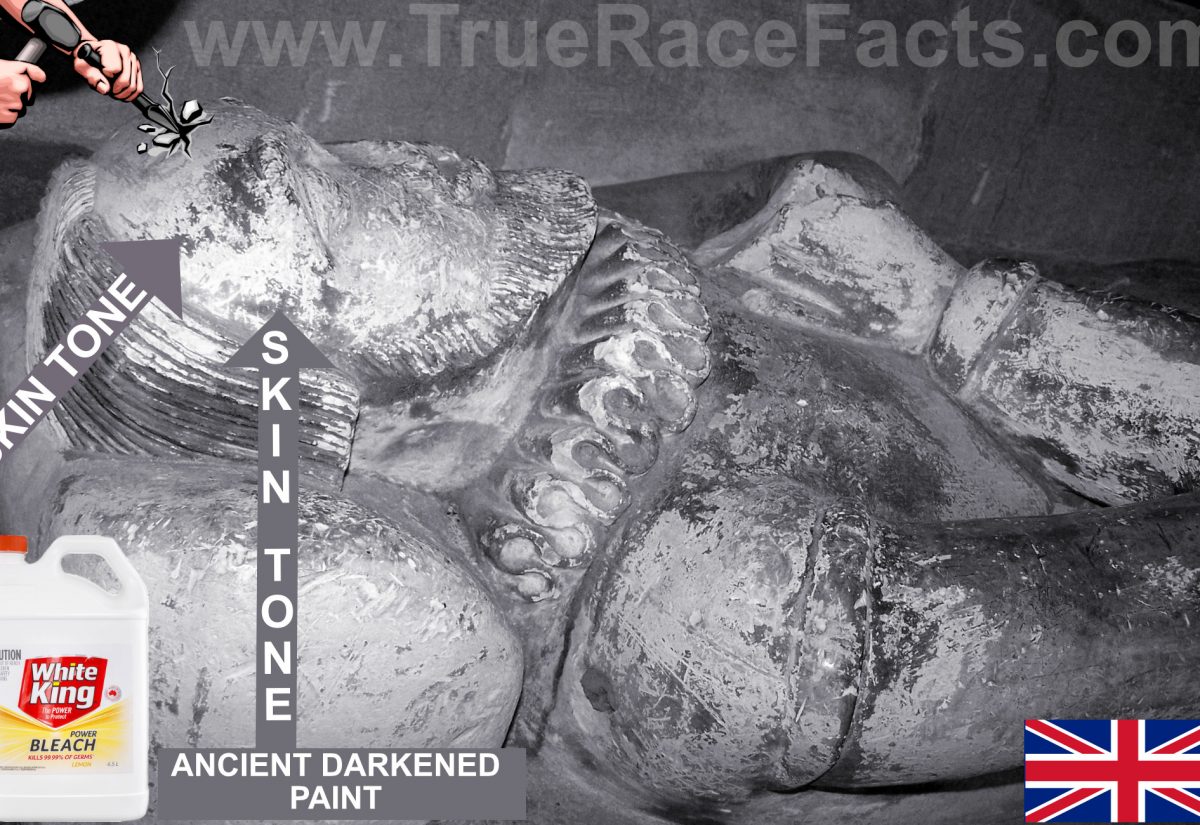
The monument has been thought to represent Sir Robert Fraunceys, aka Franceys Lord of Foremark, who settled at Foremark towards the end of the 14th century. It has suffered extensive graffiti, probably at the hands of racists trying to destroy his facial features that would identify the nobleman as a dark-skinned so-called BLACK man. Notice the nose is intentionally sawed off carefully, but it does not hide his phenotype.
- 24 November 2022
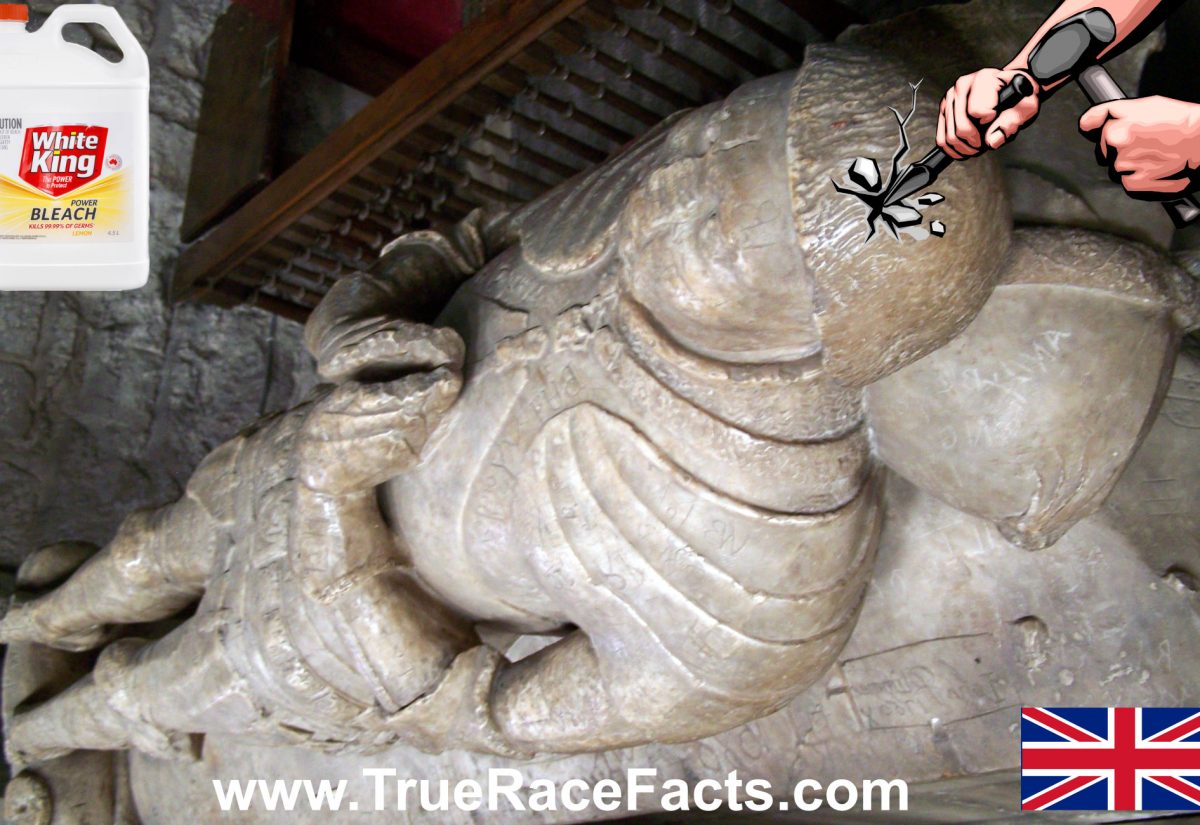
Explore Robert Fraunceys of Foremark, a medieval Derbyshire lord connected to Foremark, Ingleby, and Repton, whose effigy preserves the memory of landed power, noble status, and a face altered but not fully erased.