
William I, also known as William the Conqueror, William, the Bastard or William of Normandy, French terms Guillaume le Conquérant or Guillaume le Bâtard or Guillaume de Normandie, (born c. 1028, Falaise, Normandy now France, died September 9, 1087, Normandy), duke of Normandy (as William II) from 1035 and King of England as William I from 1066, will go on record as the most outstanding King and ruler of the Middle Ages and beyond. He made himself the mightiest nobleman in France and then changed the course of England’s history by conquering the country.

William II (Rufus), named for his brown, reddish ruddy complexion, byname French Guillaume Le Roux, (born c. 1056—died August 2, 1100, Hampshire, England, son of William I the Conqueror, King of England from 1087 – 1100; he was also duke of Normandy (as William III) from 1096 – 1100. He prevented the dissolution of political ties between England and Normandy. His strong-armed rule earned him a reputation as a brutal, corrupt tyrant. Under feudal custom, William I bequeathed his inheritance, the Duchy of Normandy, to his eldest son, Robert II Curthose and England was given to Rufus.
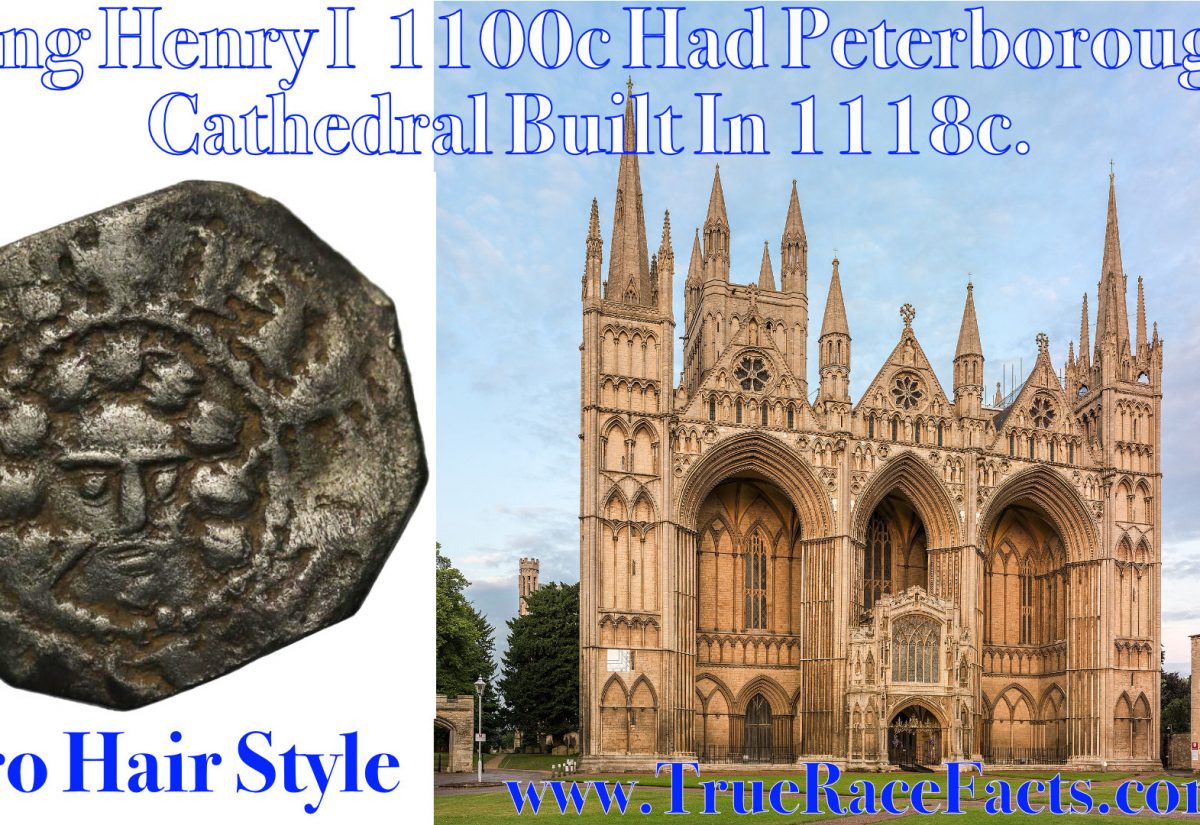
Henry I (c. 1068 – 1 December 1135), also known as Henry Beauclerc, was King of England from 1100 until he died in 1135. Henry, the fourth son of William the Conqueror, was educated in liberal arts and Latin.

Stephen, also called Stephen Of Blois, (born c. 1097—died Oct. 25, 1154, Dover, Kent, Eng.), king of England from 1135 to 1154. He gained the throne by usurpation but failed to consolidate his power during the ensuing civil strife.

Black English Anglo Saxon King Aethelwulf, also spelled Ethelwulf and Æthelwulf the father of King Alfred the Great. He was the King of Wessex from 839 to 858. In 825 his father, King Ecgberht. As ruler of the Saxons from 839 to 856, he allied his kingdom of Wessex with the kingdom of Mercia to empower the invasions by mighty Danish Vikings.
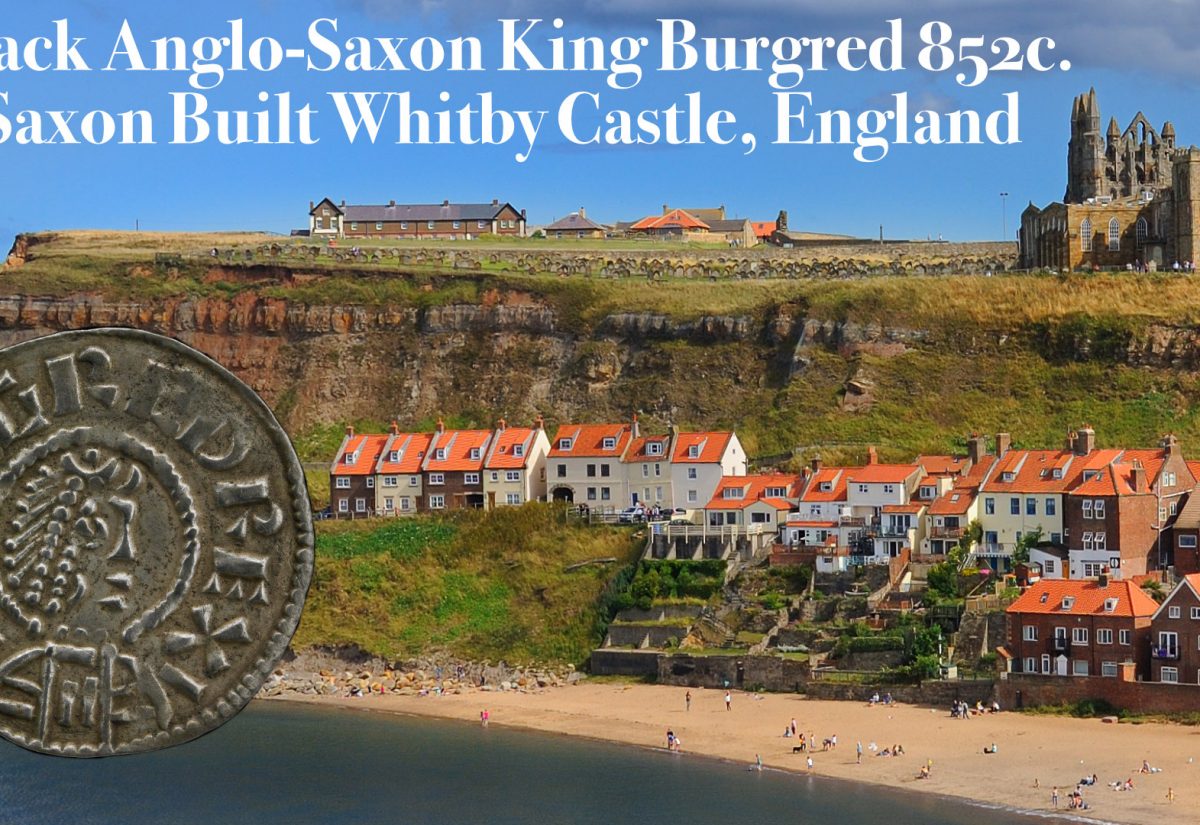
King Burgred, King of Mercia in 852c, may have been related to his predecessor King Beorhtwulf. Burgred married Princess Æthelswith, the daughter of Æthelwulf, King of the West Saxons. The marriage was celebrated at the royal villa of Chippenham in Wessex, England.
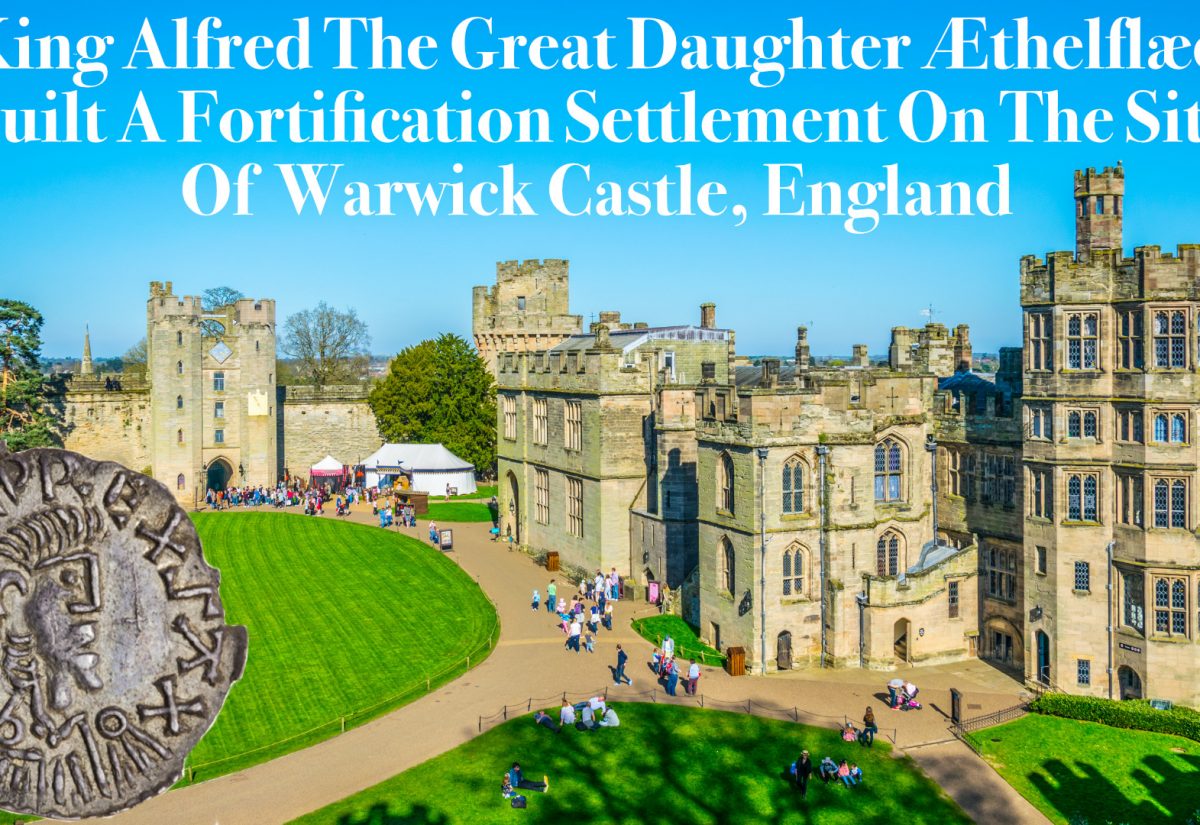
King Alfred, known as Alfred the Great (born 849—died 899, King of Wessex (871–99) in southwest England. He joined his brother King Ethelred I, in confronting a Danish Viking army in Mercia (868). Succeeding his older brother as King, Alfred fought the Danes in Wessex in 871 and again in 878,
- 2 August 2022
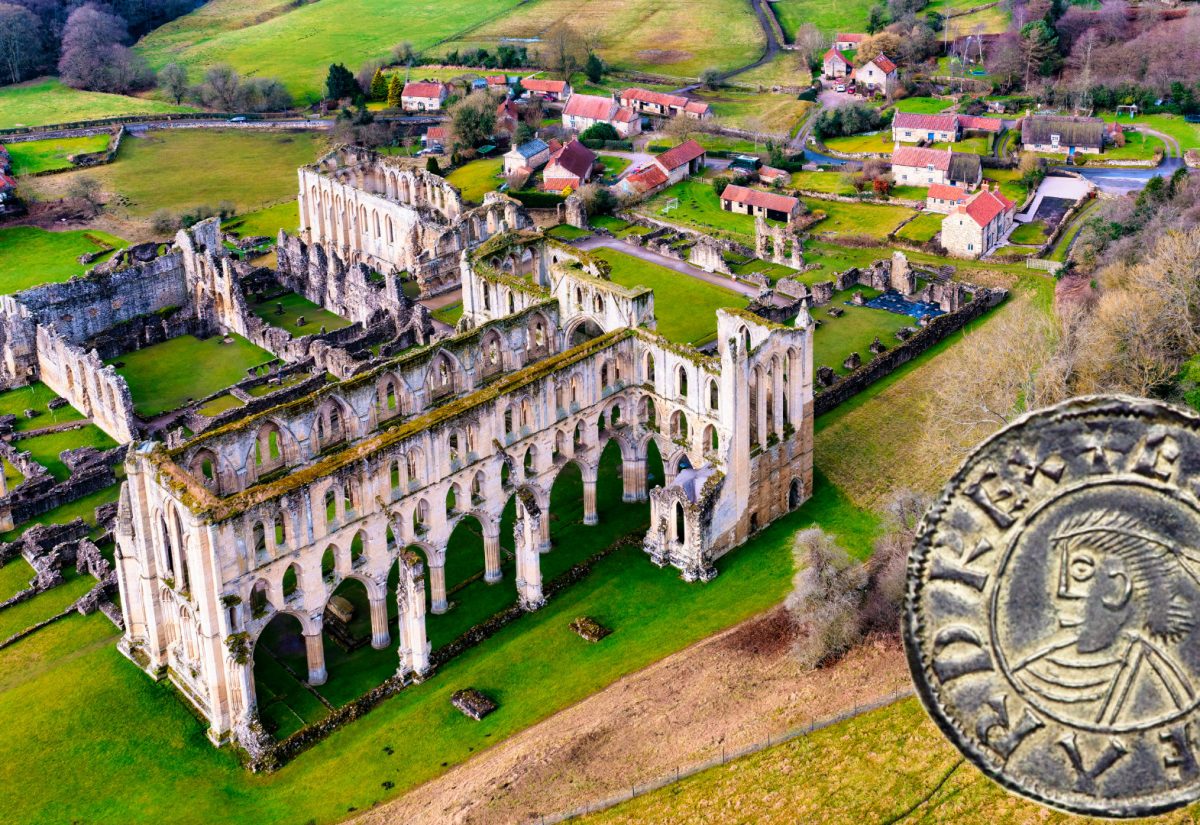
Edward the Elder c. 874 – 17 July 924 was King of the English Anglo-Saxons from 899 until his death in 924. Edward was the elder son of Alfred the Great and his wife, Ealhswith. When Edward went to the throne, he had to defeat a challenge from his cousin Æthelwold, who had a solid claim to the throne as the son of Alfred's elder brother and predecessor, Æthelred I.

Æthelstan or Athelstan Old English: Æðelstān Old Norse: Aðalsteinn; lit. means ‘noble stone’ Athelstan was the son of King Edward the Elder and grandson of Alfred the Great. At birth, he was illegitimate. His mother was Edwina, the King’s mistress, who later became his queen and made Athelstan a legitimate heir to the throne.

Edmund I or Eadmund I, born 920/921 – 26 May 946, was King of the English from 939 until his death on 946. Edmund was the elder son of King Edward the Elder and his third wife, Queen Eadgifu, and a grandson to King Alfred the Great. When Edward died in 924, his eldest son, Edmund’s half-brother Æthelstan was the successor. King Edmund was crowned after Æthelstan died childless in 939. He had two sons, Edgar and Eadwig, by his first wife Ælfgifu. His sons were children when he was killed in a brawl with an outlaw at Pucklechurch in Gloucestershire, and he was succeeded by his younger brother Eadred, who died in 955 and was followed by Edmund’s sons in succession.