Noble Swarty Black English Knight Otto de Grandson (c. 1238–1328)
- Guinevere Jackson
- 16 June 2024
- 0 Comment
Sir Otto de Grandson: The Swarthy Knight at King Edward’s Side (c.1238–1328)
Have you heard of Sir Otto de Grandson? For those fascinated by medieval England, he is a name that deserves recognition. A knight from Savoy in the western Alps, Otto was far more than a foreign visitor. He carved a unique path, becoming one of King Edward I’s most trusted confidantes and a powerful figure in 13th-century England.
A Man of Many Talents
Born around 1238, Otto likely arrived in England alongside Peter of Savoy. His loyalty and skill quickly caught the eye of King Henry III, and by the time Edward I ascended the throne, Otto had become a valued member of the royal household, trusted not only for his military prowess but also for his political acumen. Their bond went beyond duty; Otto was a close friend to the king, sharing in both strategy and counsel.
Otto’s talents extended into diplomacy, particularly during the Welsh Wars, where his negotiation skills earned him the governorship of the Channel Islands, a position he held for over five decades. He also acquired lands and honors that reflected the respect he commanded within England, showing that his nobility was widely recognized.
The Effigy and Swarthy Heritage
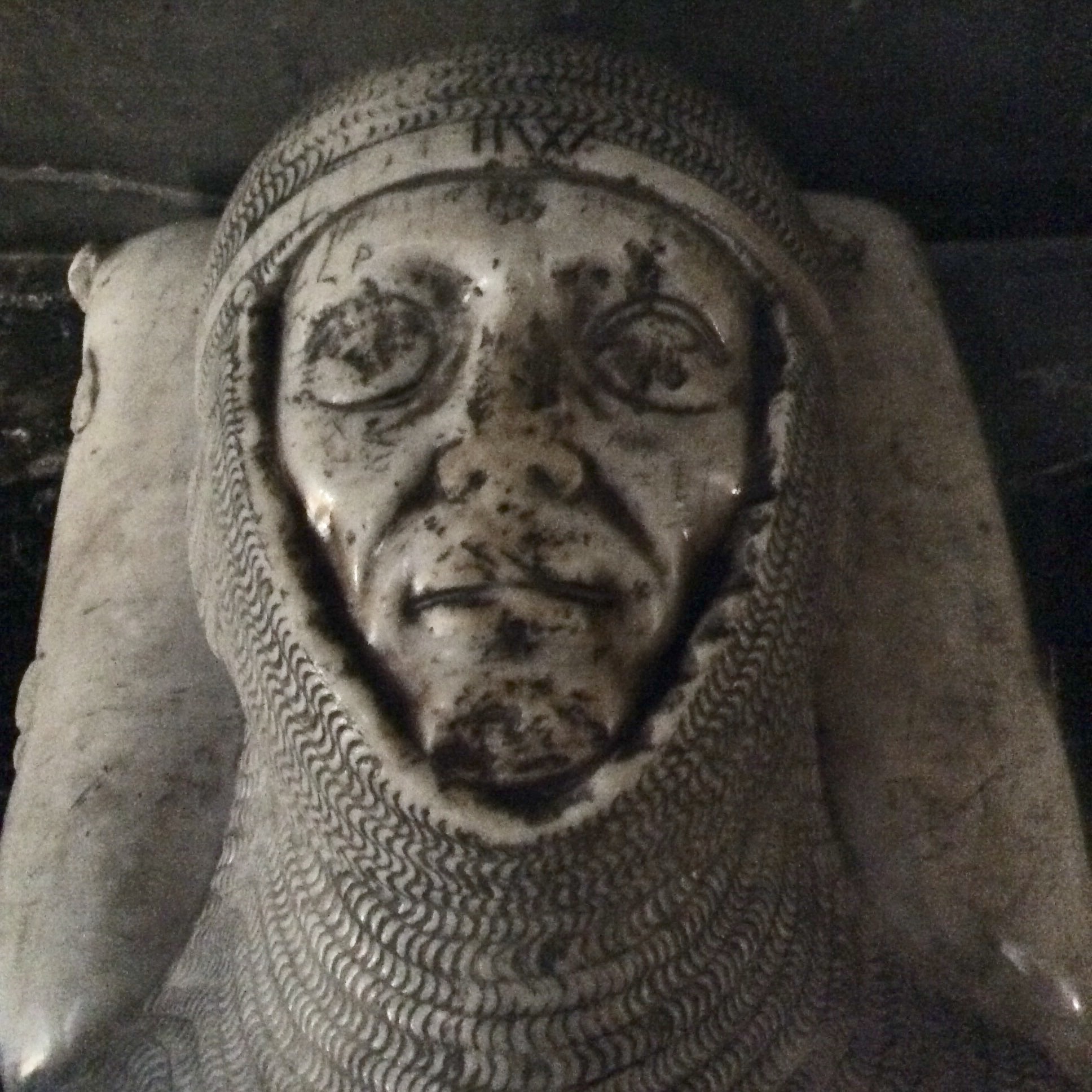
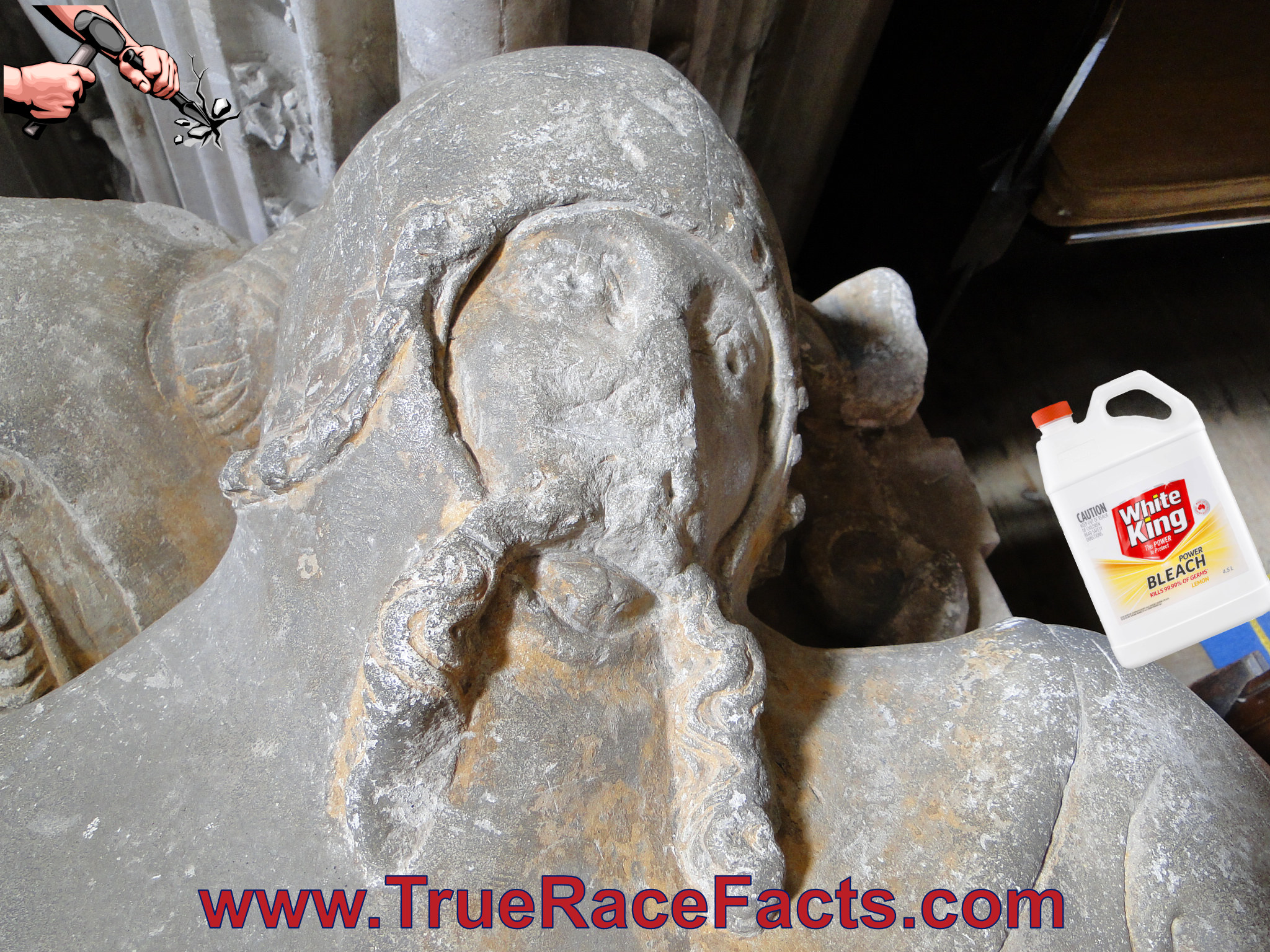
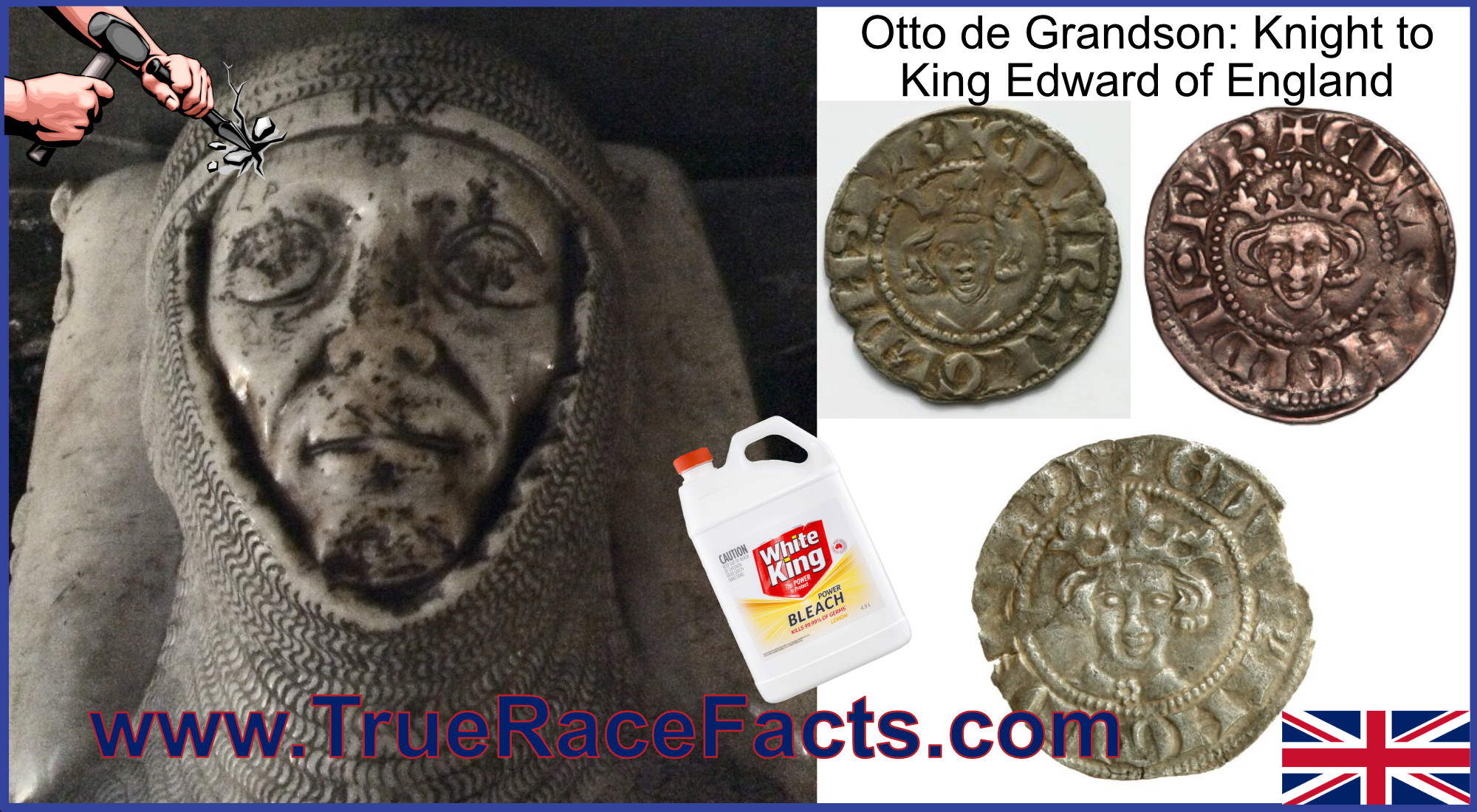
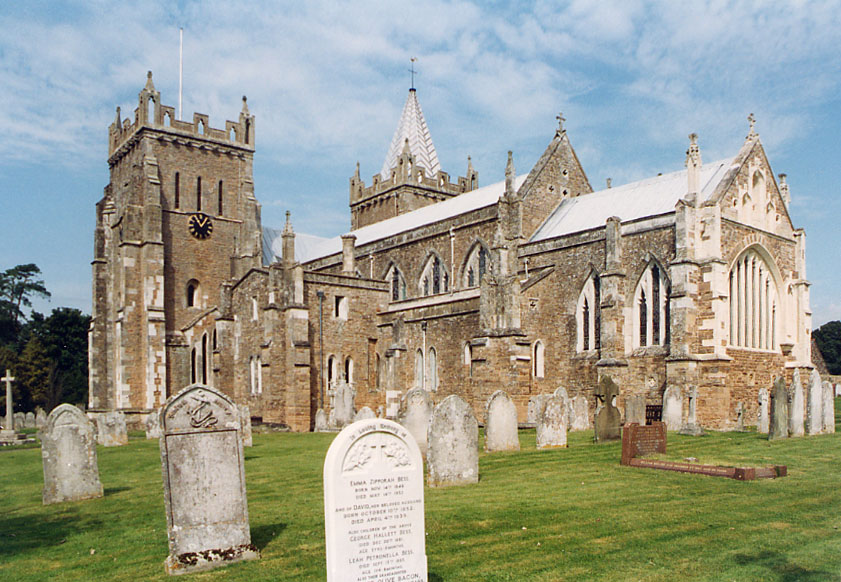
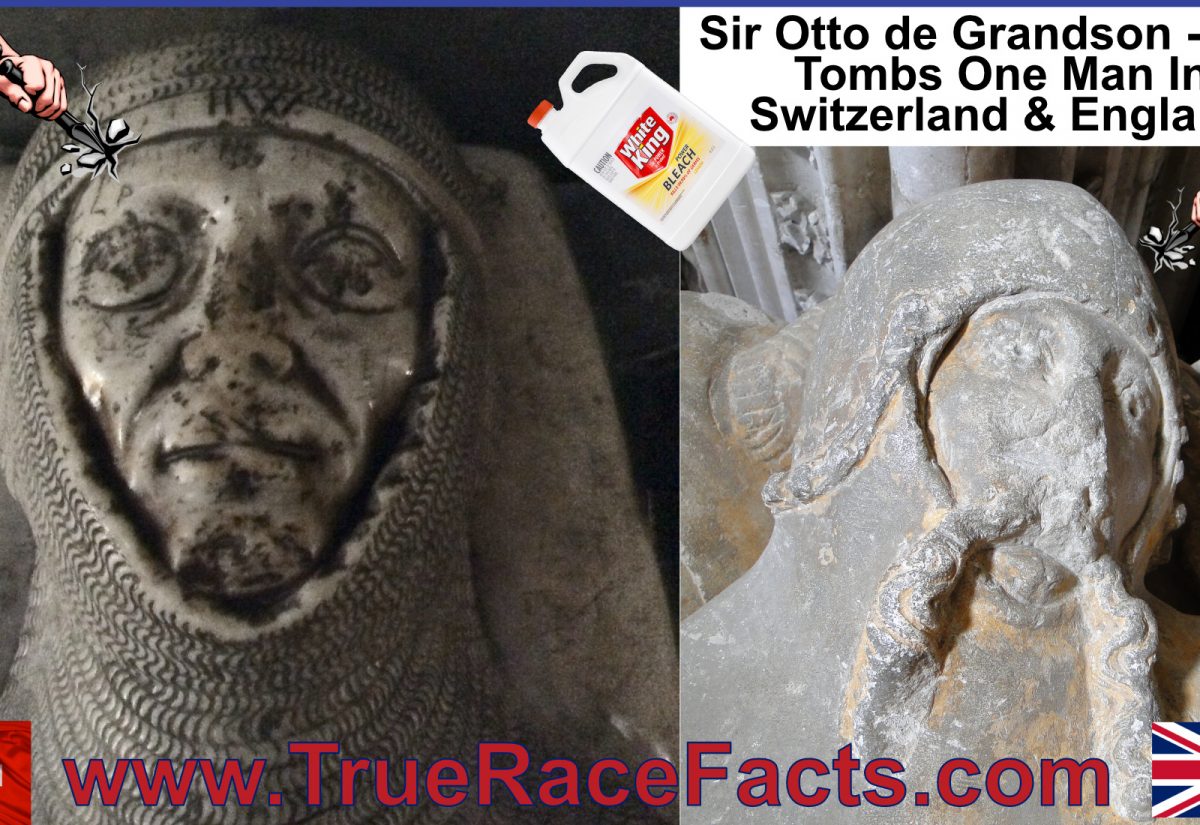
Recent research led me to an effigy of Sir Otto in the Church of St Mary, Ottery St Mary, Devon, UK. This is unusual — most foreign knights were not commemorated with tombs in England. The effigy itself has suffered deliberate damage: the nose and lips were filed down, and the original brown paint removed. Yet despite this, the underlying modelling clearly preserves his broad nose, full lips, and swarthy phenotype, confirming that he was a dark-skinned man.
This detail is crucial. It challenges the narratives often presented about medieval nobility in England, Ireland, and Scotland, showing that men like Otto de Grandson were not only powerful and trusted, but also swarthy — a fact systematically erased from visual and written history.
Legacy of Loyalty and Nobility
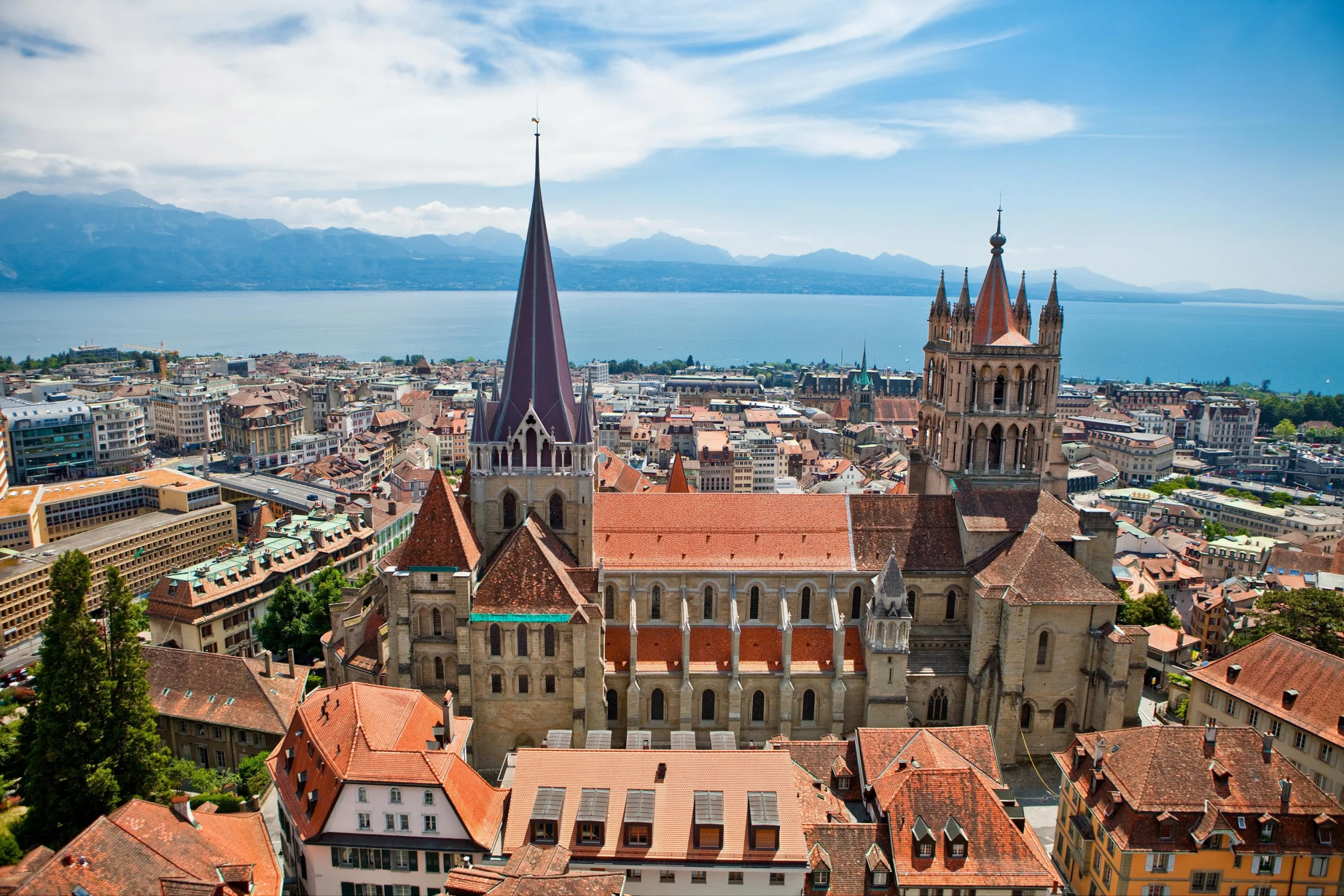
Sir Otto de Grandson remained loyal to Edward I until the end of the king’s life, outliving him by several years. While his governance of the Channel Islands faced some criticism, his military, diplomatic, and administrative contributions are undeniable. The fact that he was commemorated both in his Swiss birthplace and in England speaks to the magnitude of his influence and respect.
Otto’s effigy, even in its damaged state, stands as a testament to identity, lineage, and nobility, quietly defying centuries of erasure. It reminds us that the swarthy elite in medieval Britain were powerful, accomplished, and integral to the history we are only beginning to fully uncover.
“Even when noses are filed, lips erased, and paint stripped away, the true face beneath endures — a lineage, a nobility, and a Hebrew/Israelite heritage that refuses to be forgotten.”
Guinevere Jackson
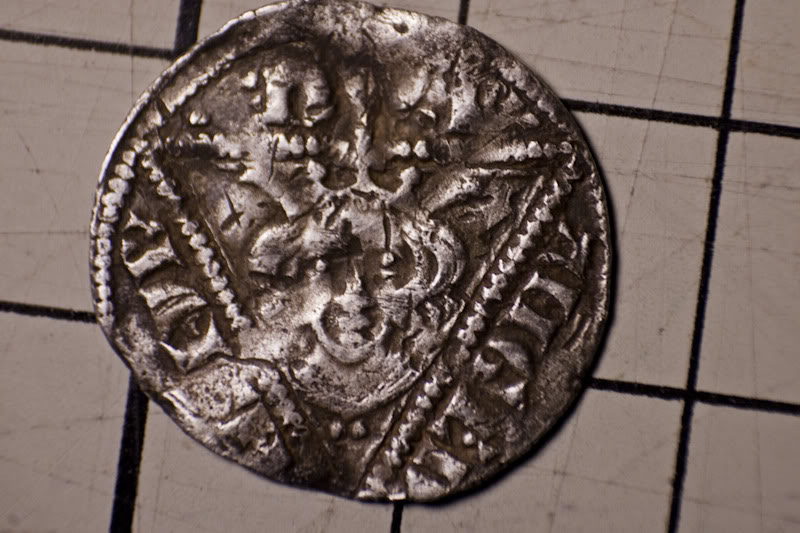
Citation: Otto de Grandson. (2024, May 27). In Wikipedia. https://en.wikipedia.org/wiki/Otto_de_Grandson, king Edward coins Treasurerealm, https://www.treasurerealm.com/coinpapers/england/coins/S1416.html minted at the Waterford Mint in Ireland. (Cited from: https://www.cointalk.com/threads/edward-i-irish-coin-1272-1307.135849/) Cathedral https://www.lausanne-tourisme.ch/en/explore/lausanne-cathedral/
St Mary’s Church, Ottery St Mary. (2024, February 18). In Wikipedia. https://en.wikipedia.org/wiki/St_Mary%27s_Church,_Ottery_St_Mary
 Donate