- 6 September 2022
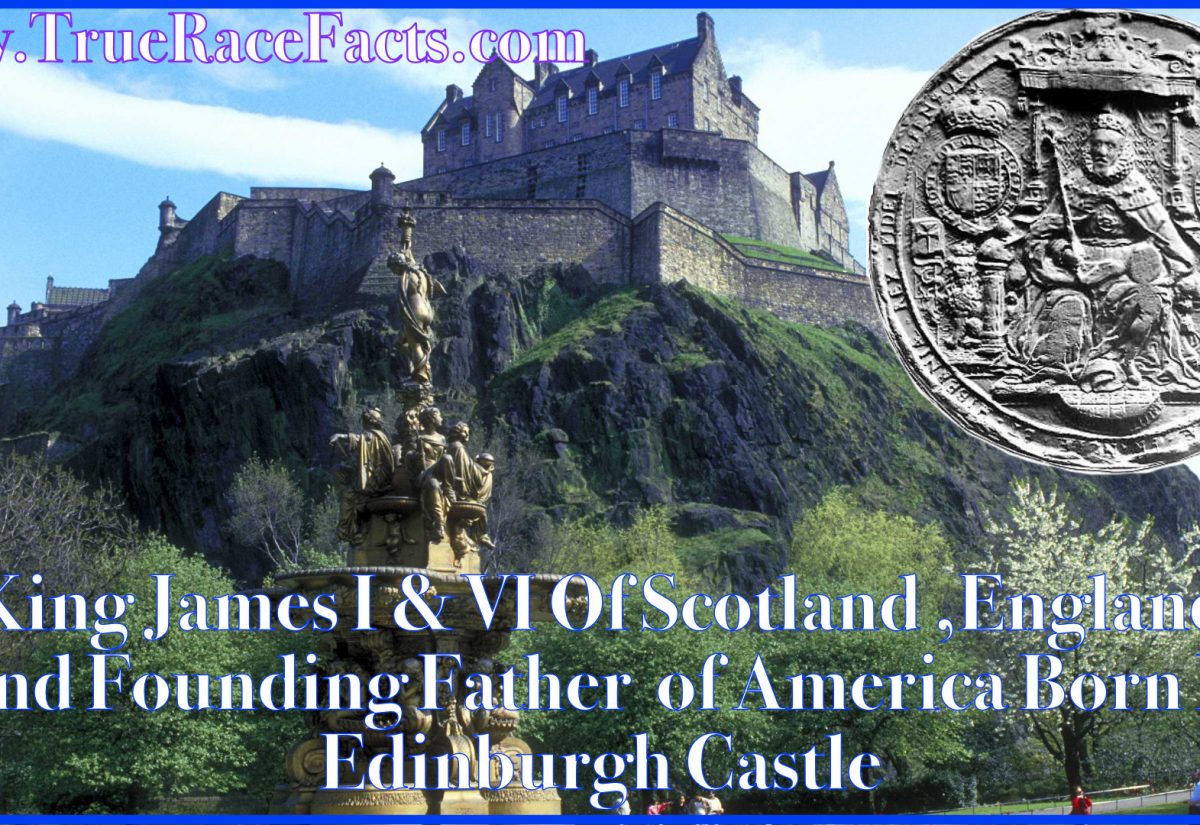
James VI and I (James Charles Stuart; 19 June 1566 – 27 March 1625) was King of Scotland as James VI from 24 July 1567 and King of England and Ireland as James I from the union of the Scottish and English crowns on 24 March 1603 until his death in 1625. The kingdoms of Scotland and England were individual sovereign states, with their own parliaments, judiciaries, and laws, though both were ruled by James in personal union.
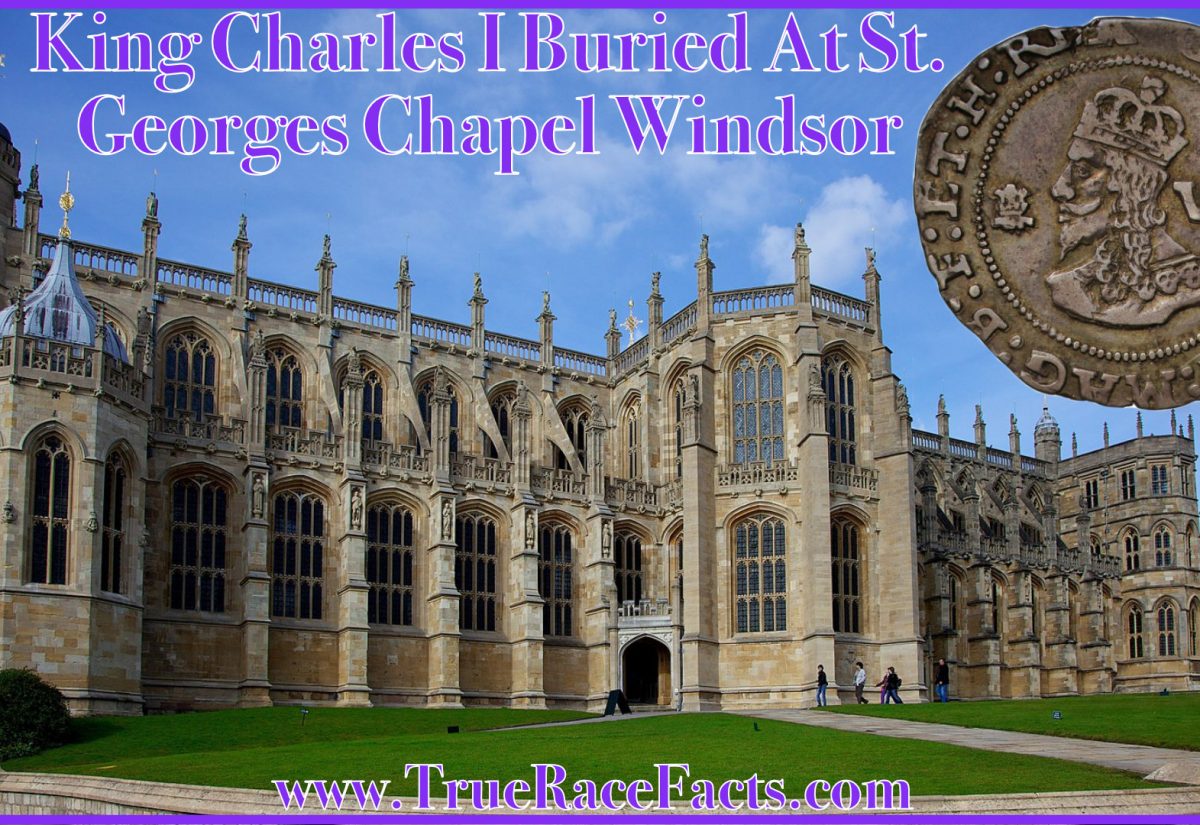
King Charles I was illegally beheaded by the British House of Parliament, led by traitor Oliver Cromwell. Money and power-hungry Cromwell took a bribe from Edomite *Jewish Manasseh Ben Israel and Moses Carvajal. This bribe would lead to the overturning of the Edict of Expulsion and the start of Edomite caucasian rule. The Edict of Expulsion was a royal decree issued by King Edward I of England on 18th July 1290, expelling all Jewish people from England.
- 6 September 2022
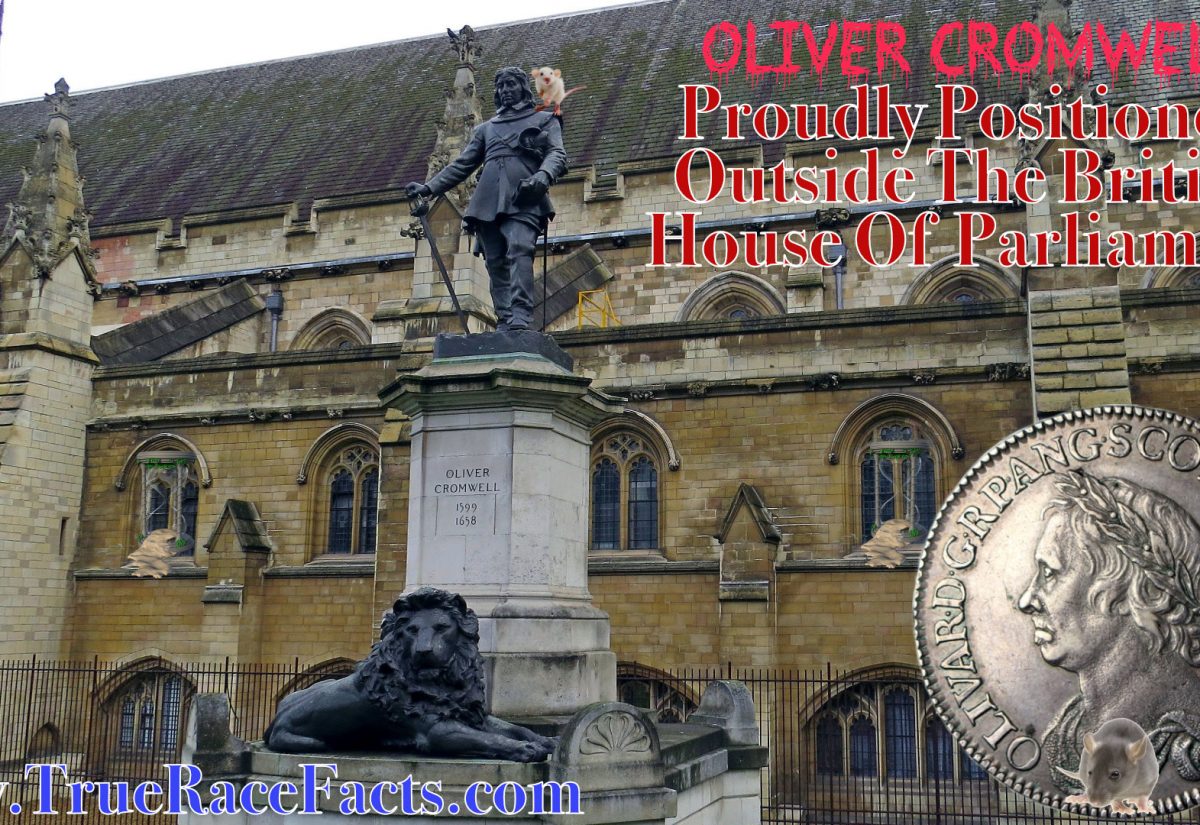
Corrupt, treasonous Oliver Cromwell (25 Apr 1599 – 3 Sept 1658) was a member of the landed gentry from Cambridgeshire. He is widely regarded as one of the most influential politicians in English history. This man put the supreme in white. He took the bribes from JeWISH bankers who wanted to return to England after King Edward I Explosion in 1290. Taking control of the British Monarchy and government would pave the way for them to gain respect and acceptance in other European nations that had also removed them.
- 6 September 2022
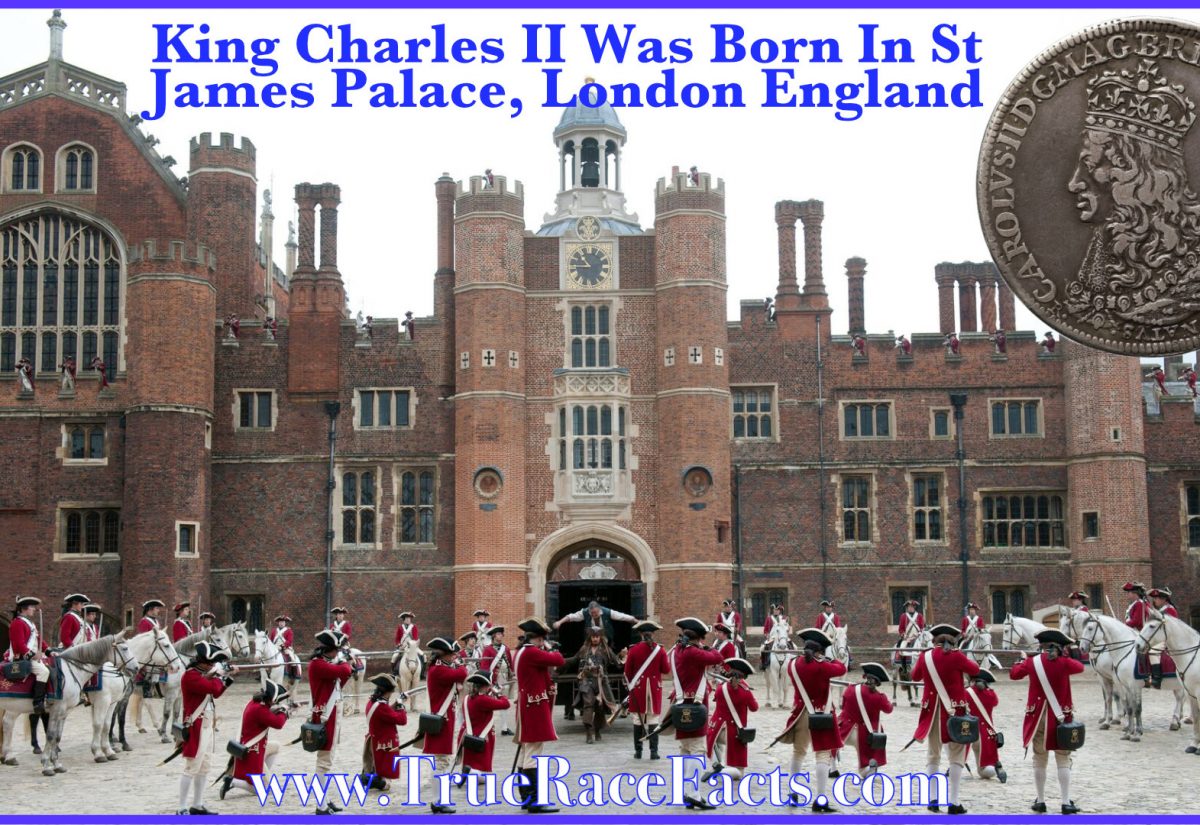
Charles II was King of Scotland from 1649 until 1651 and King of England, Scotland and Ireland from the 1660 Restoration of the monarchy until his death in 1685. Charles II was the eldest surviving child of Charles I of England, Scotland and Ireland and Henrietta Maria of France.
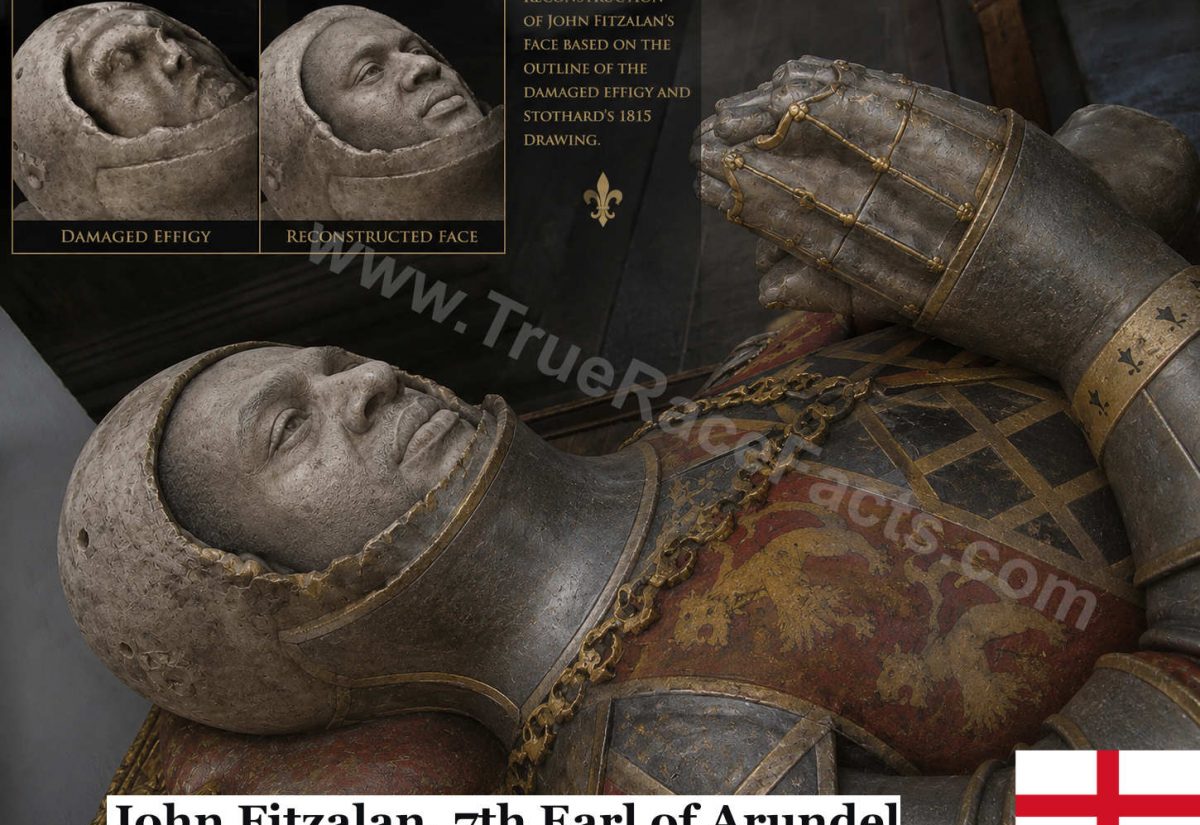
Discover John Fitzalan, Earl of Arundel and Knight of the Garter: his powerful family, estates, Hundred Years' War career, death at Gerberoy, remarkable one-legged burial and the damaged medieval effigy preserved in Stothard's 1815 drawing.
- 16 August 2026
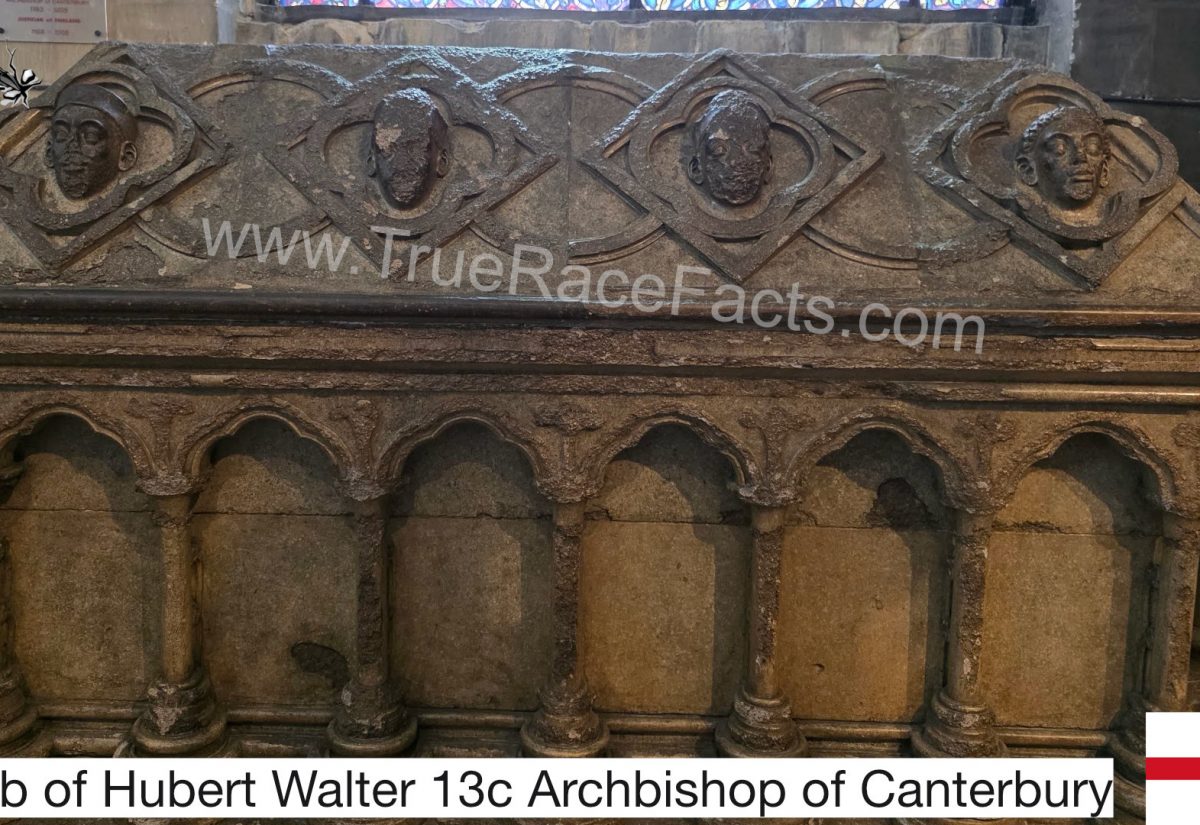
Discover Hubert Walter, Archbishop of Canterbury, crusader, Chief Justiciar and Lord Chancellor, his powerful Walter family and Butler dynasty connections, and the remarkable medieval faces preserved on his 800-year-old tomb at Canterbury Cathedral.
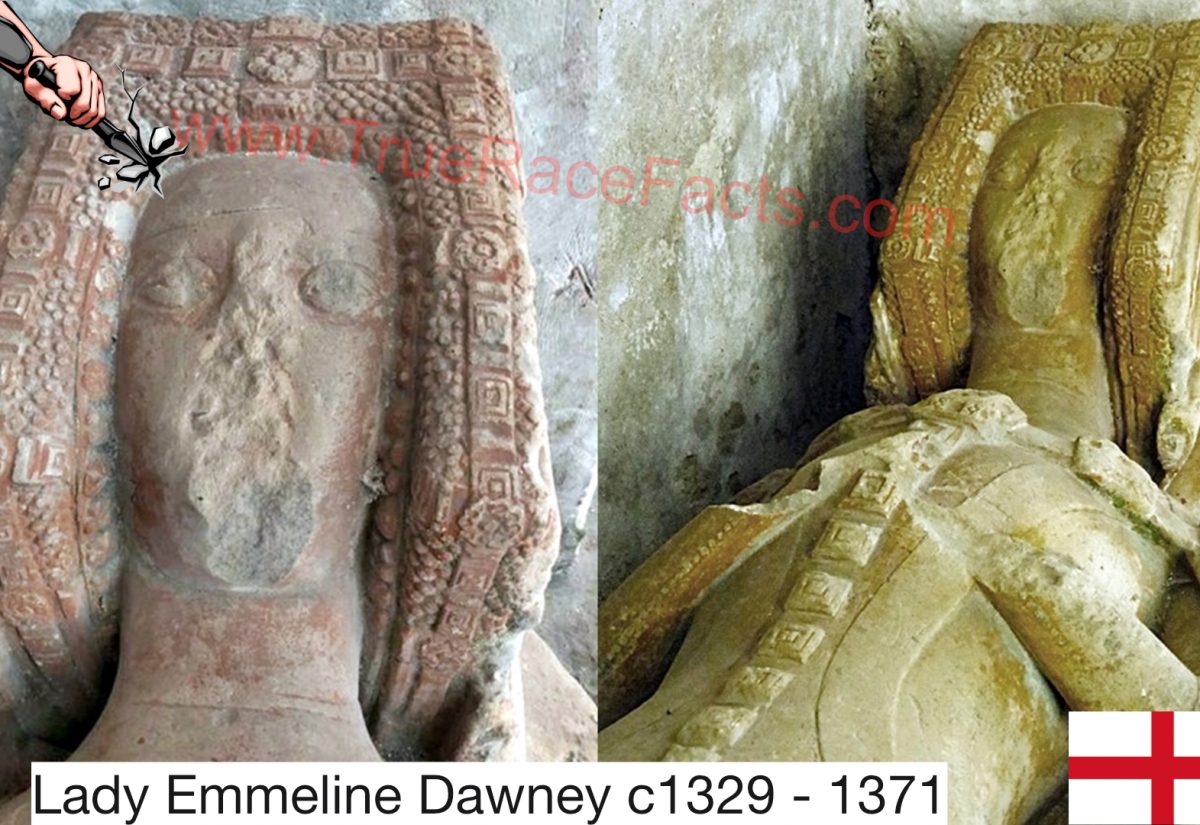
Discover Lady Emmeline Dawney, a wealthy fourteenth-century Cornish heiress whose inheritance strengthened the powerful Courtenay dynasty. Explore her remarkable medieval effigy at St Mary's Church, Sheviock, and the enduring mystery surrounding the damage to her face.
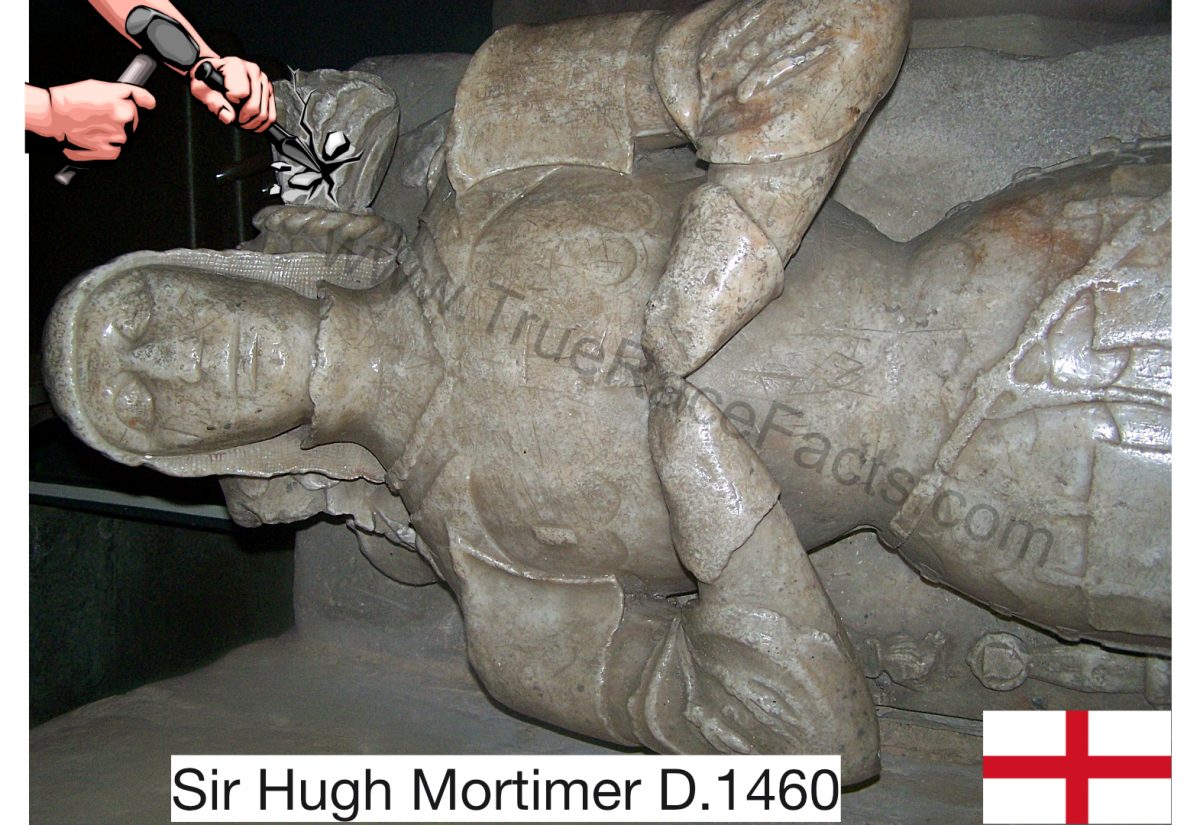
Discover the medieval effigy believed to depict Sir Hugh Mortimer at St Peter's Church, Martley. Explore the powerful Mortimer dynasty, Yorkist symbolism, the Battle of Wakefield, and the intriguing alterations visible on the monument's face.
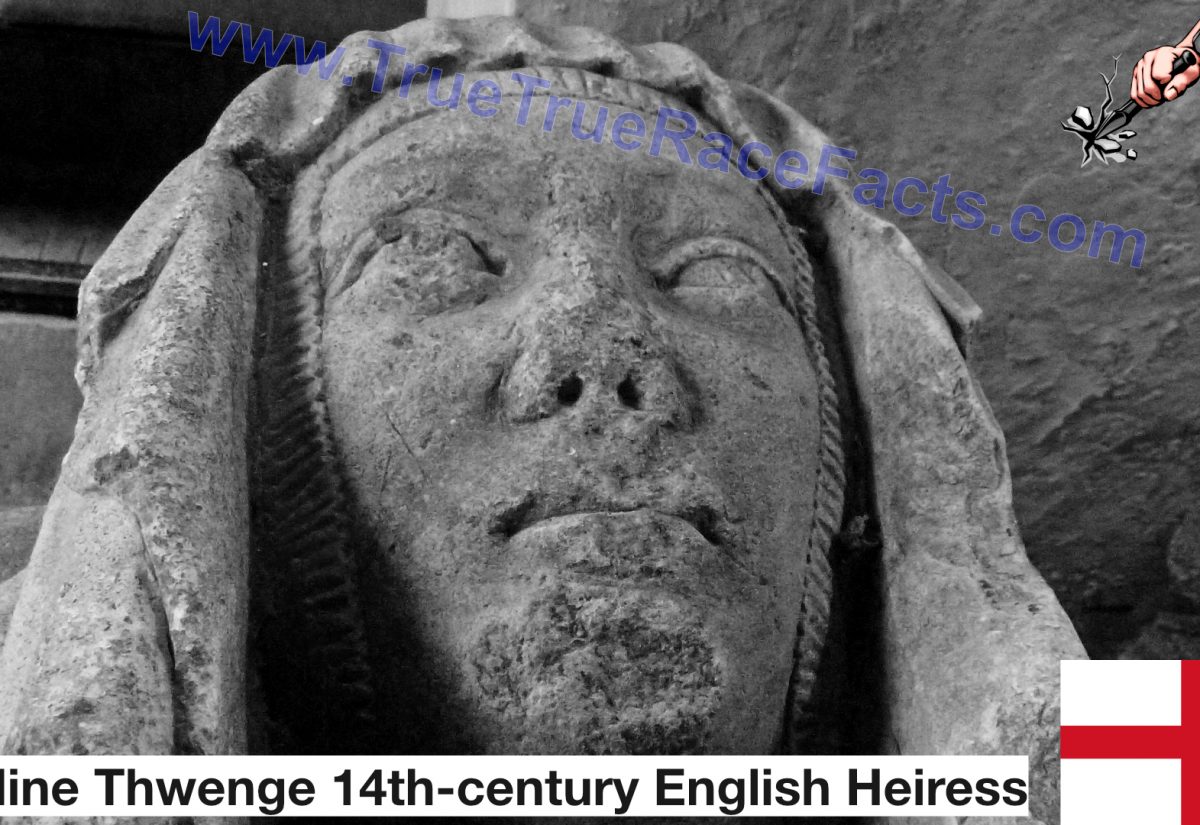
A narrative exploration of Sir Thomas Ingilby and Lady Edeline Thwenge of Ripley Castle, tracing their noble lineage, Yorkshire landholdings, and enduring connection to one of England’s longest continuously occupied estates, alongside their medieval effigy in Ripley Church.
- 4 May 2026
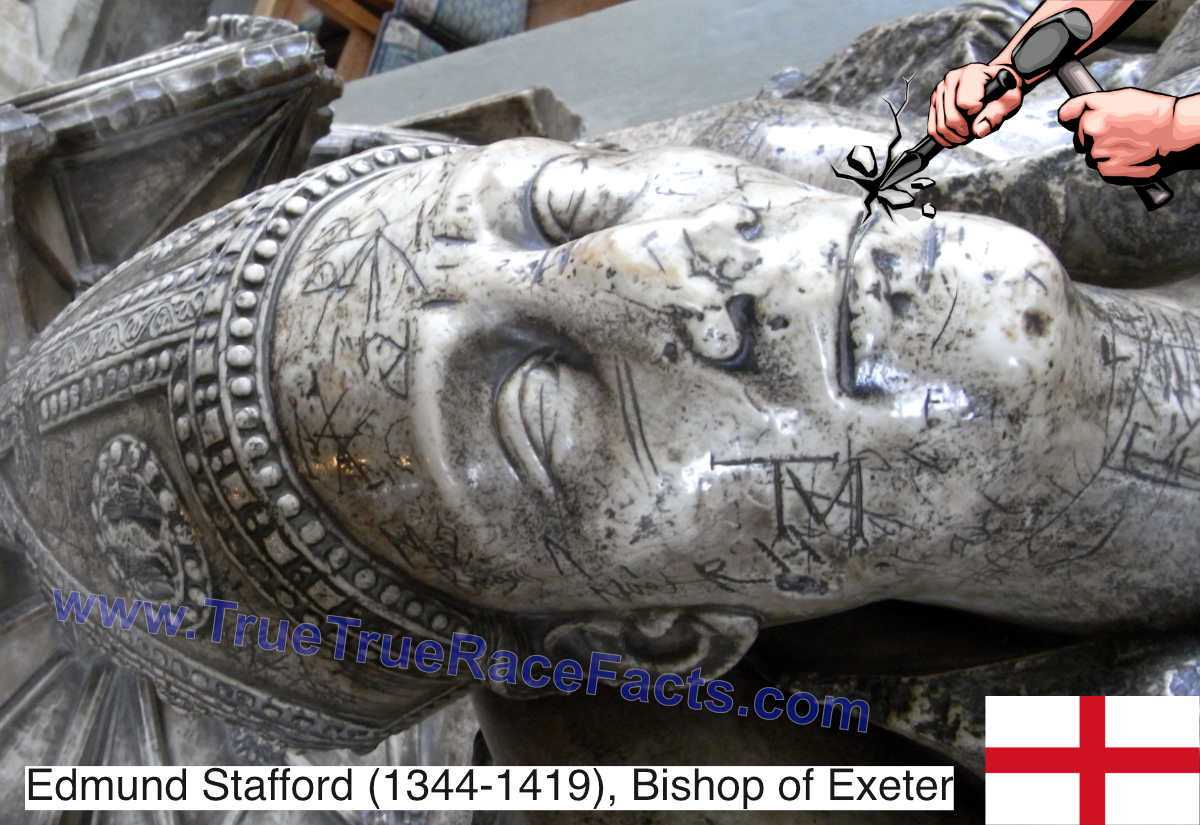
Explore the life of Edmund Stafford, Bishop of Exeter (1344–1419), a powerful medieval churchman, royal administrator, and scholar. Discover his family background, education, landholdings, and his enduring monument in Exeter Cathedral, alongside a modern reconstruction of his effigy.