Edmund Stafford (1344–1419): Bishop of Exeter, Scholar, Statesman, and Builder of Legacy
- 4 May 2026
- 0 Comment
Among the great ecclesiastical figures of late medieval England, few combined administrative authority, scholarly education, and royal service as effectively as Edmund Stafford.
Born in 1344, Stafford rose through the ranks of both church and state to become one of the most influential bishops of his generation. His life reflects the close connection between the medieval English Church, royal government, and landed nobility at a time when ecclesiastical leaders were also key political figures.
Family Background and Noble Connections
Edmund Stafford came from a prominent administrative and landed family with strong connections to the English nobility. The Stafford lineage held considerable influence across the West Midlands and beyond, with ties to royal service and governance. Members of the wider Stafford family were frequently involved in legal administration, military service, and court politics, placing Edmund within a network of established medieval power.
This background provided him with the social foundation necessary to pursue an advanced education and ecclesiastical career at the highest level.
Education and Rise to Power
Stafford was educated at University of Oxford, one of medieval Europe’s leading centres of learning. Oxford in the 14th century was a training ground for clerics, administrators, and advisors to the Crown.
His education equipped him with expertise in canon law and administration, both essential for advancement within the medieval Church. From an early stage, Stafford demonstrated the intellectual and organisational abilities that would later define his career.
Church Career and Royal Service
Before becoming Bishop of Exeter, Stafford held a series of important ecclesiastical offices and served within the royal administration. His skill in governance and legal matters made him a trusted figure in both church and state affairs.
In 1395, he was appointed Bishop of Exeter, a position he would hold until his death in 1419. As bishop, Stafford was responsible not only for spiritual leadership but also for the management of extensive church lands, finances, and legal jurisdictions across Devon and Cornwall.
Wealth, Land, and Ecclesiastical Authority
Like many bishops of his rank, Edmund Stafford controlled significant wealth through the estates of the diocese of Exeter. The bishopric was one of the most economically important in the region, with income derived from agricultural lands, rents, and ecclesiastical taxation.
This wealth allowed Stafford to maintain both administrative authority and architectural patronage. Bishops of Exeter were key regional powerholders, often acting as mediators between the Crown and local nobility.
The Effigy in Exeter Cathedral
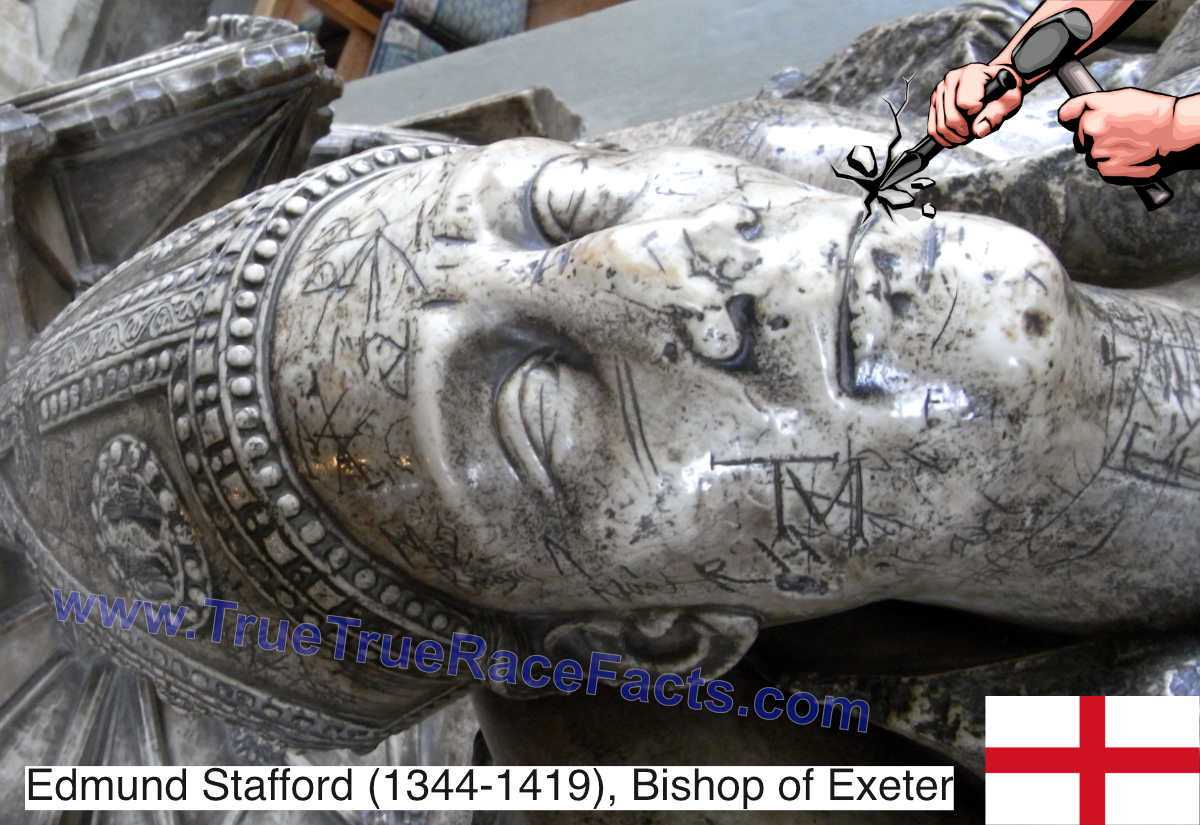
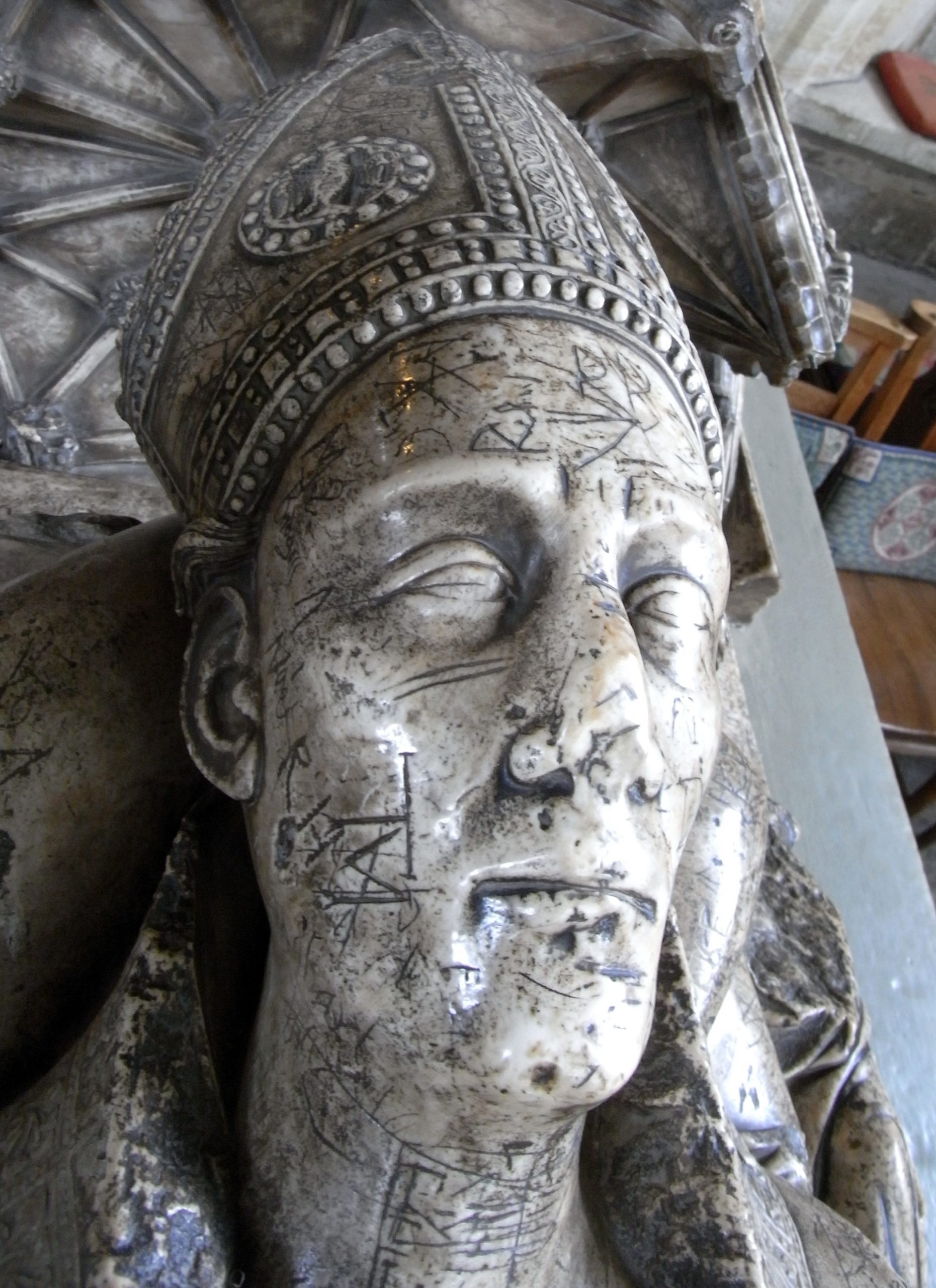
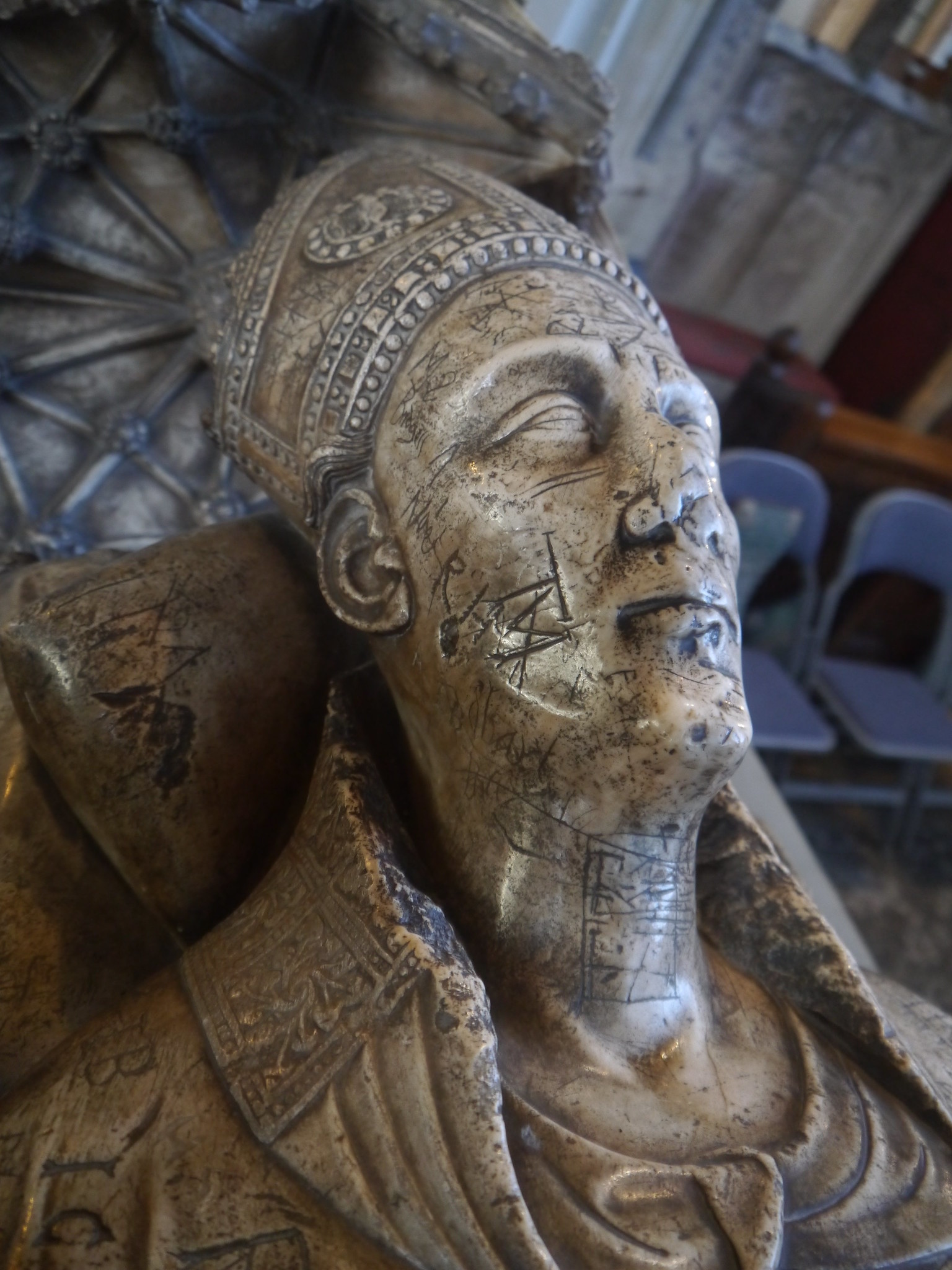
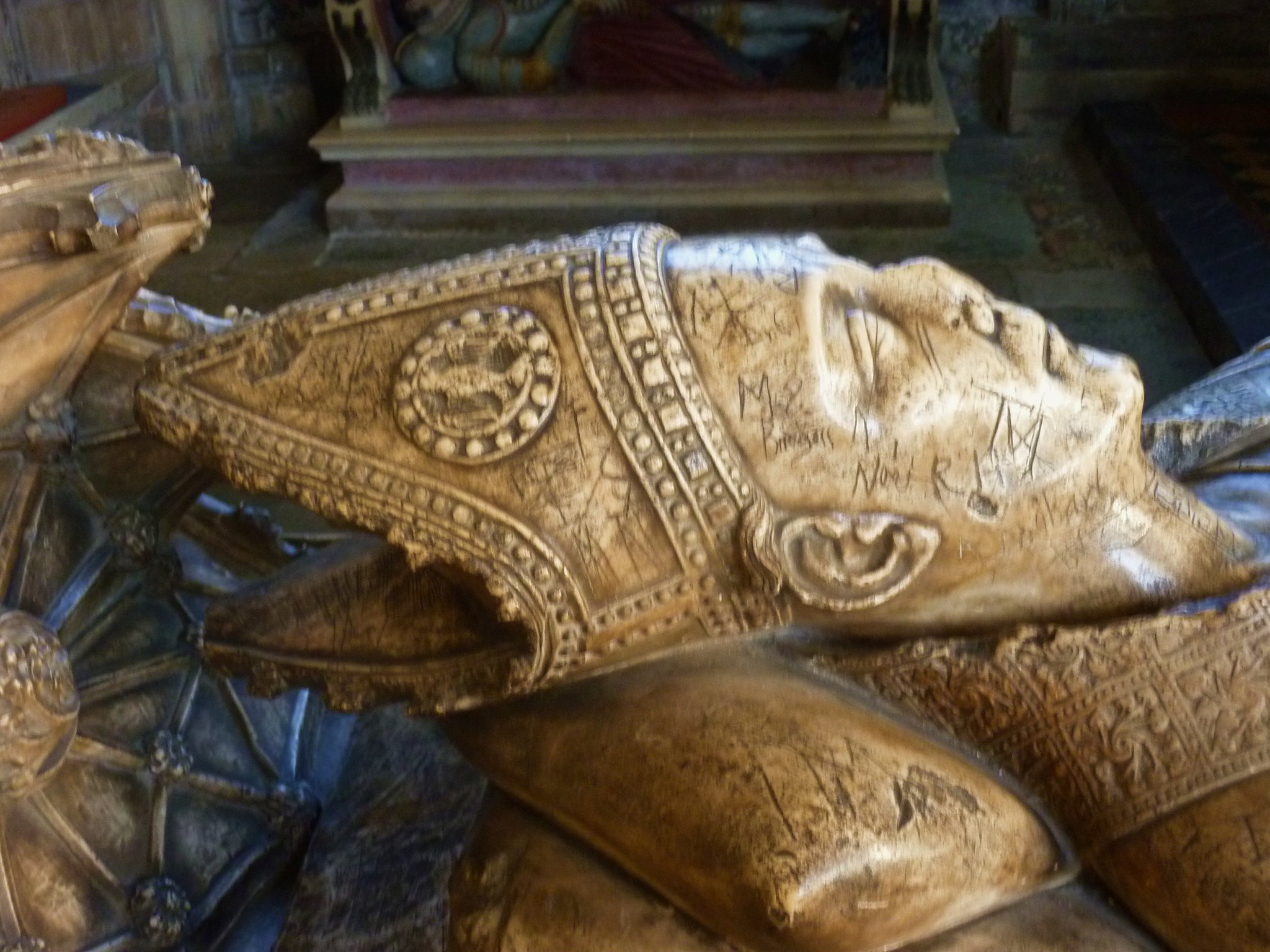
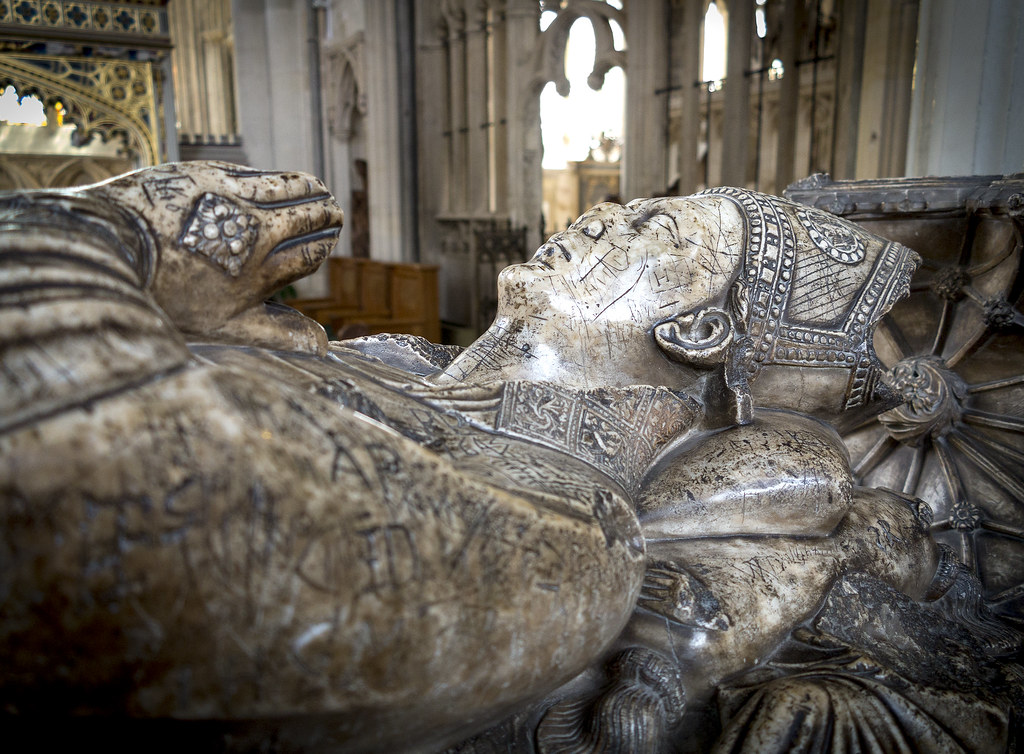
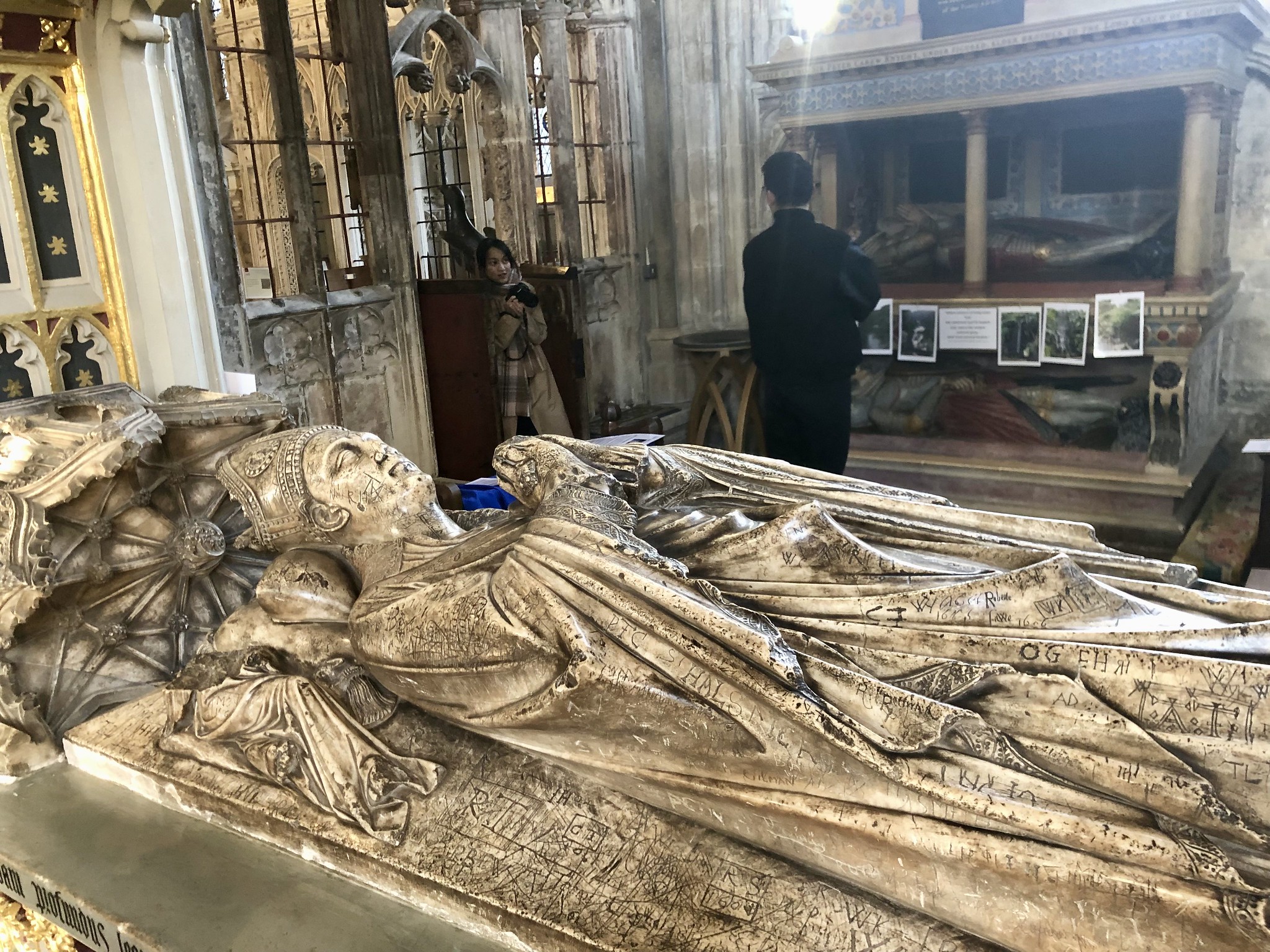
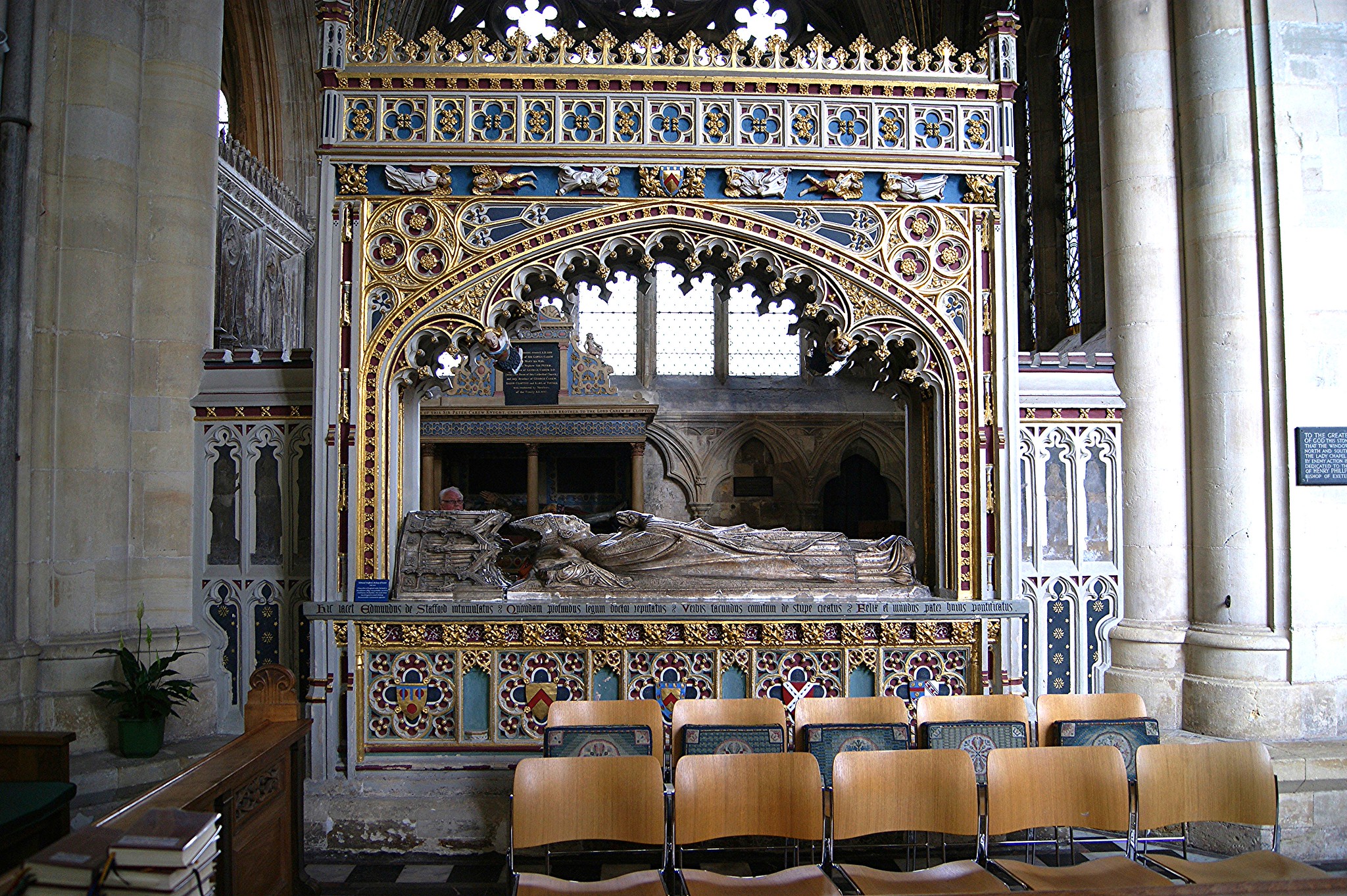
Stafford’s tomb in Exeter Cathedral remains one of the most striking surviving monuments of a late medieval bishop.
Although the effigy has suffered centuries of surface wear, overpainting, and later graffiti, the underlying sculptural structure remains intact. The original facial detail has been heavily reduced, particularly around the nose and mouth, where paint loss and surface abrasion have altered the appearance.
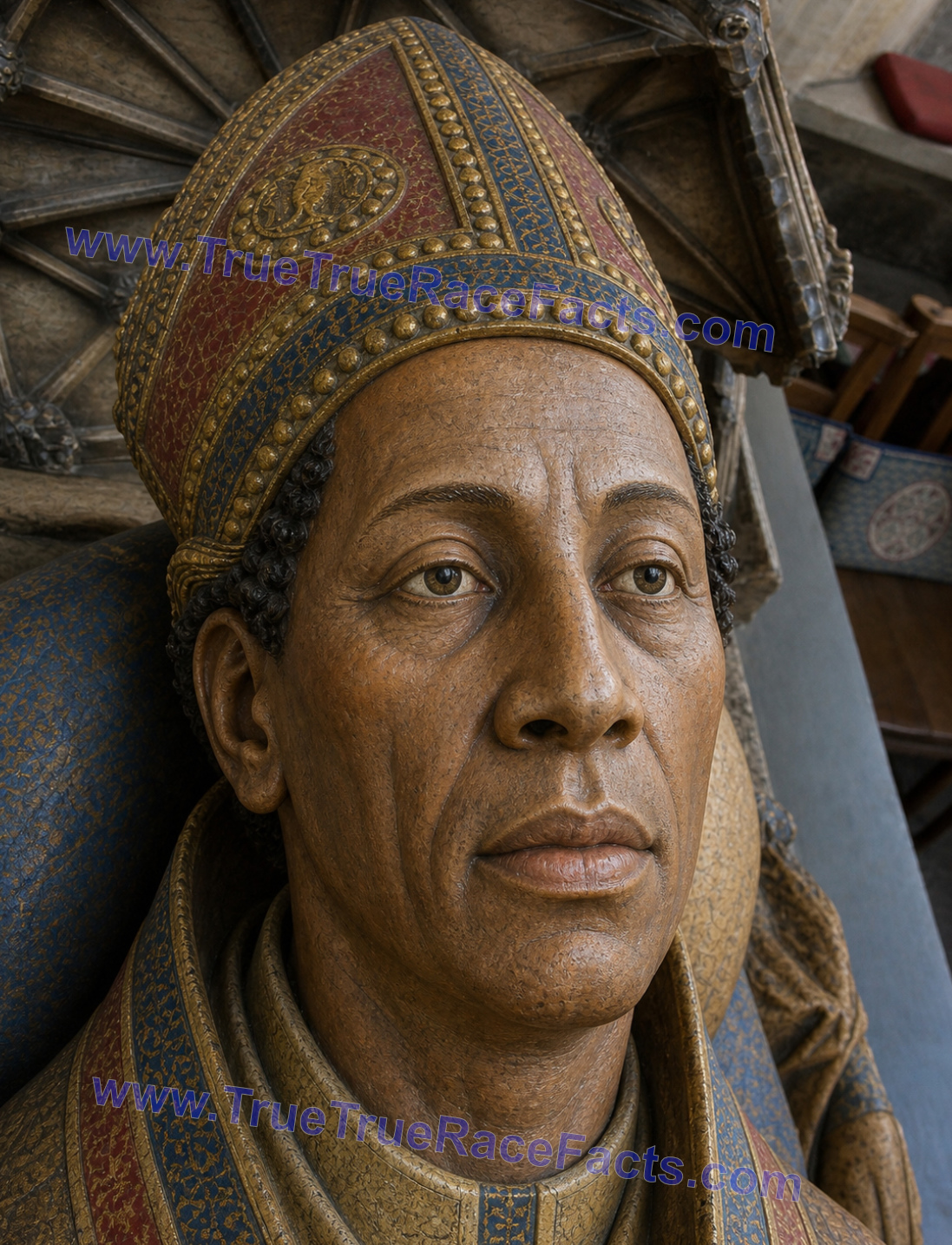
However, the surviving outline of the face still provides a clear structural framework. The broad contours of the nose and the fuller shape of the lips remain visible beneath the surface damage, offering enough information for careful modern reconstruction.
A digital restoration based on these surviving features suggests a more complete facial appearance, restoring the proportions intended by the original medieval sculptor.
Exeter Cathedral and His Memorial Context
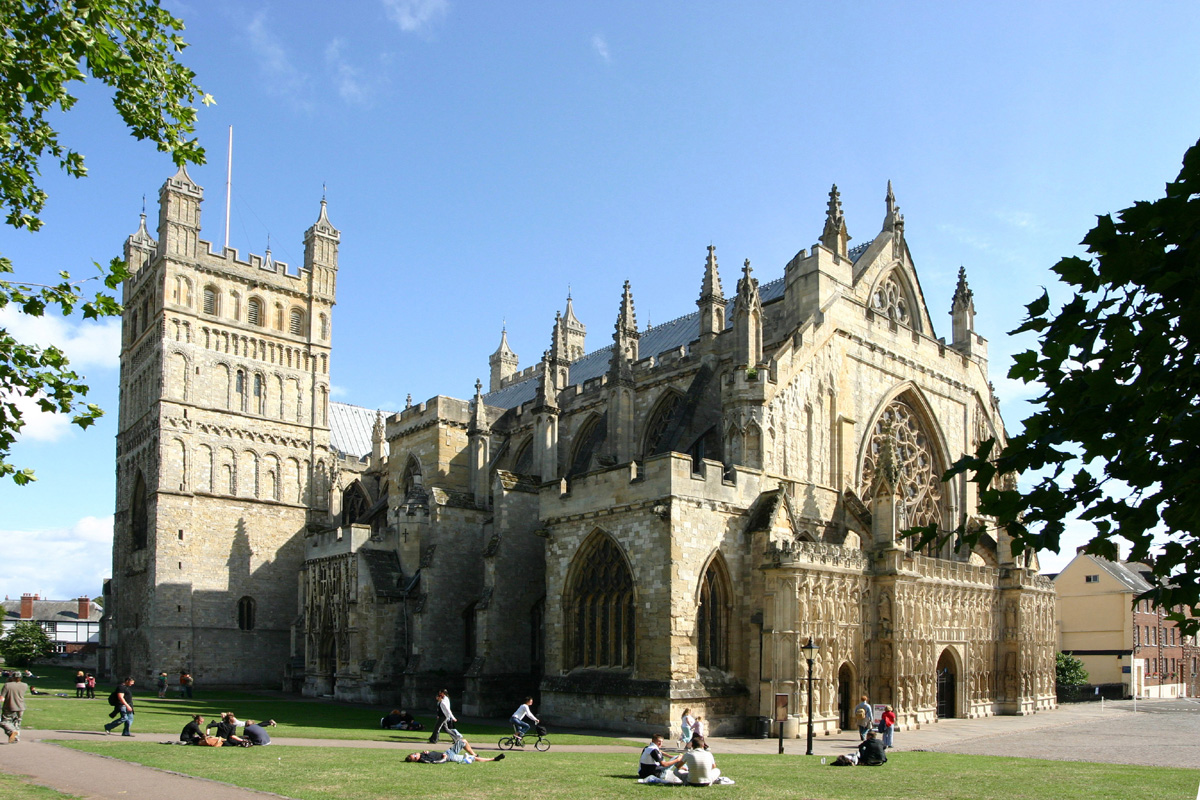
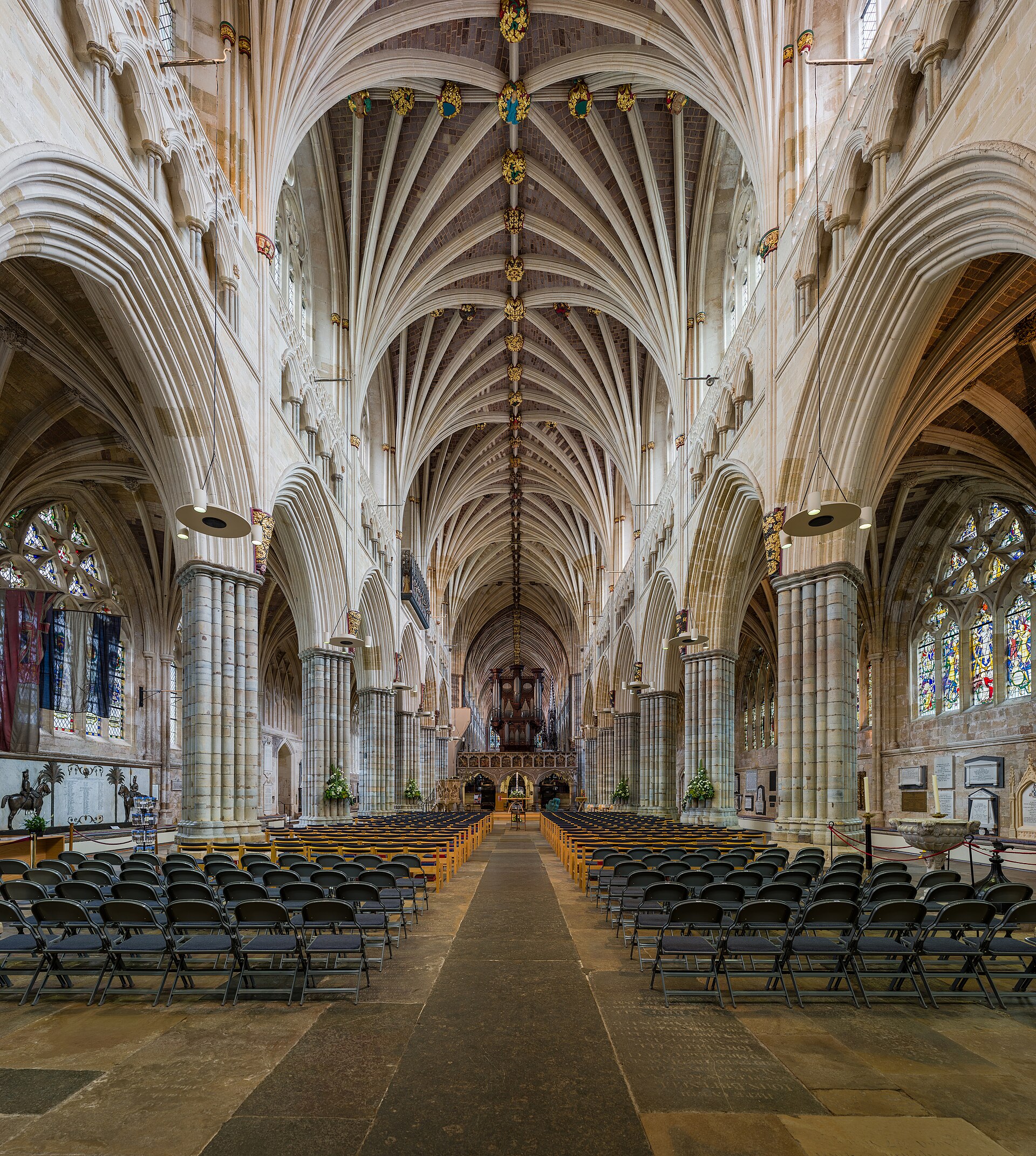
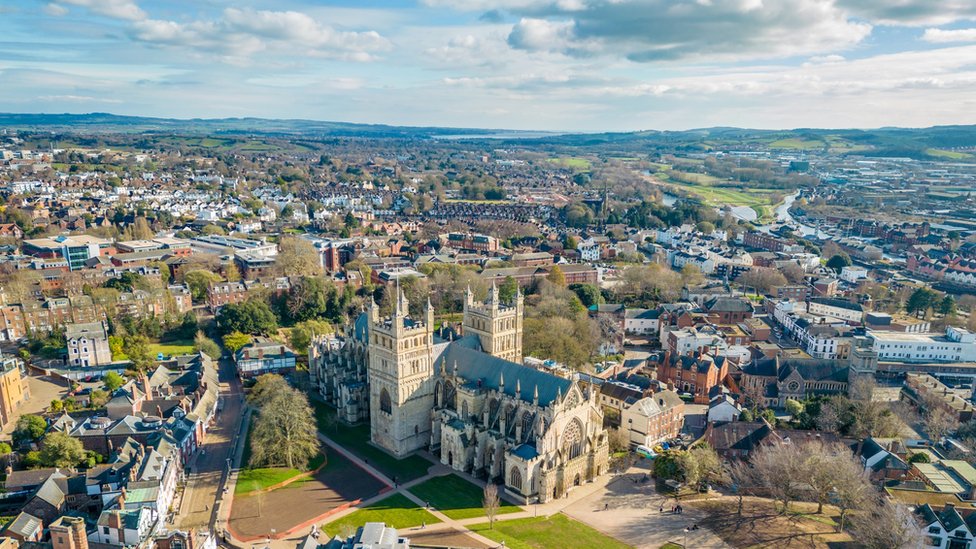
Stafford’s monument lies within Exeter Cathedral, one of the most important Gothic cathedrals in England.
The cathedral itself reflects centuries of development, with its vast nave, intricate vaulting, and richly detailed stonework representing the height of medieval ecclesiastical architecture in the West Country. As Bishop of Exeter, Stafford would have been directly responsible for overseeing both the spiritual life and administrative organisation of this great institution.
Legacy
Edmund Stafford died in 1419, leaving behind a legacy defined by governance, education, and ecclesiastical leadership. His career illustrates the powerful role bishops played in medieval England—not only as spiritual leaders but also as landowners, administrators, and political figures.
His effigy in Exeter Cathedral remains a lasting reminder of his position and influence, even in its damaged state. The surviving contours of his face continue to speak across centuries, preserving the presence of a man who helped shape the religious and administrative life of medieval Devon.
“Attempts to diminish detail may alter stone, but they cannot silence it; enough of Edmund Stafford’s original form remains for his monument to continue speaking across the centuries.”
Guinevere Jackson
Image citation Flickr and Wikipedia
 Donate