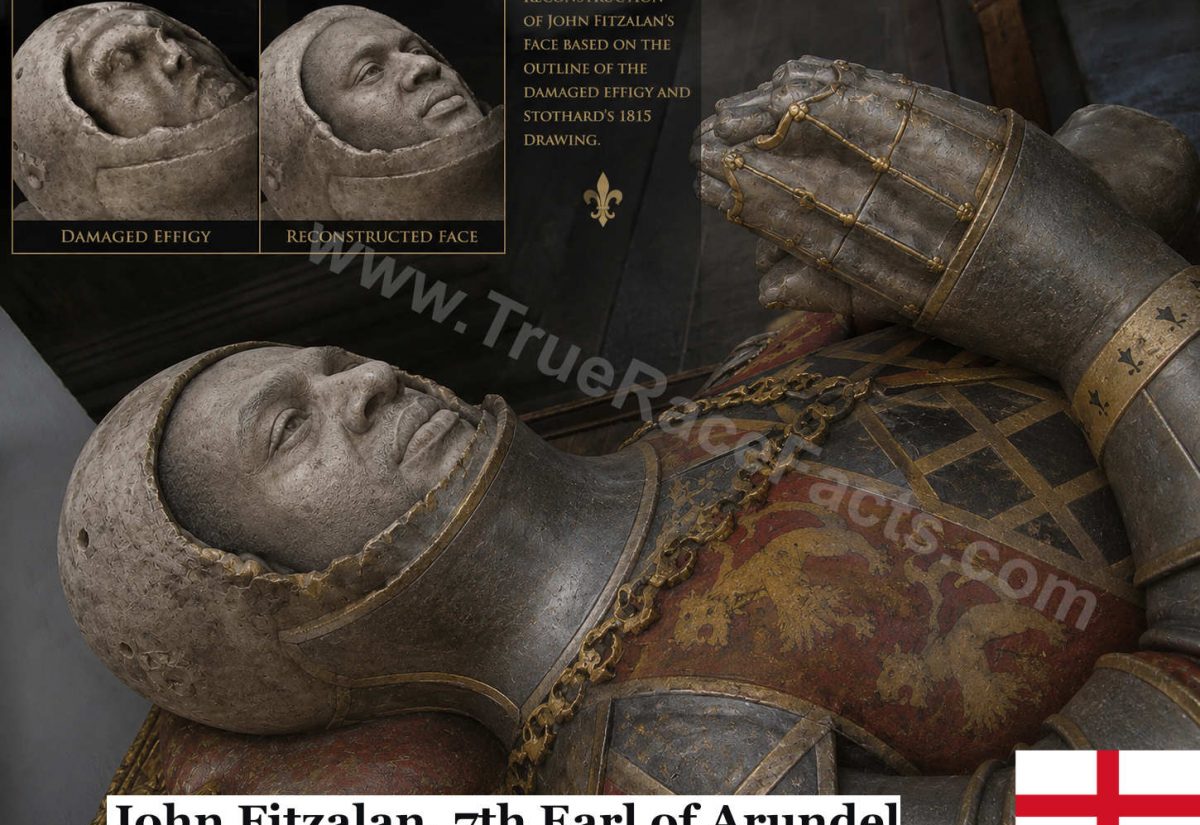
Discover John Fitzalan, Earl of Arundel and Knight of the Garter: his powerful family, estates, Hundred Years' War career, death at Gerberoy, remarkable one-legged burial and the damaged medieval effigy preserved in Stothard's 1815 drawing.
- 16 August 2026
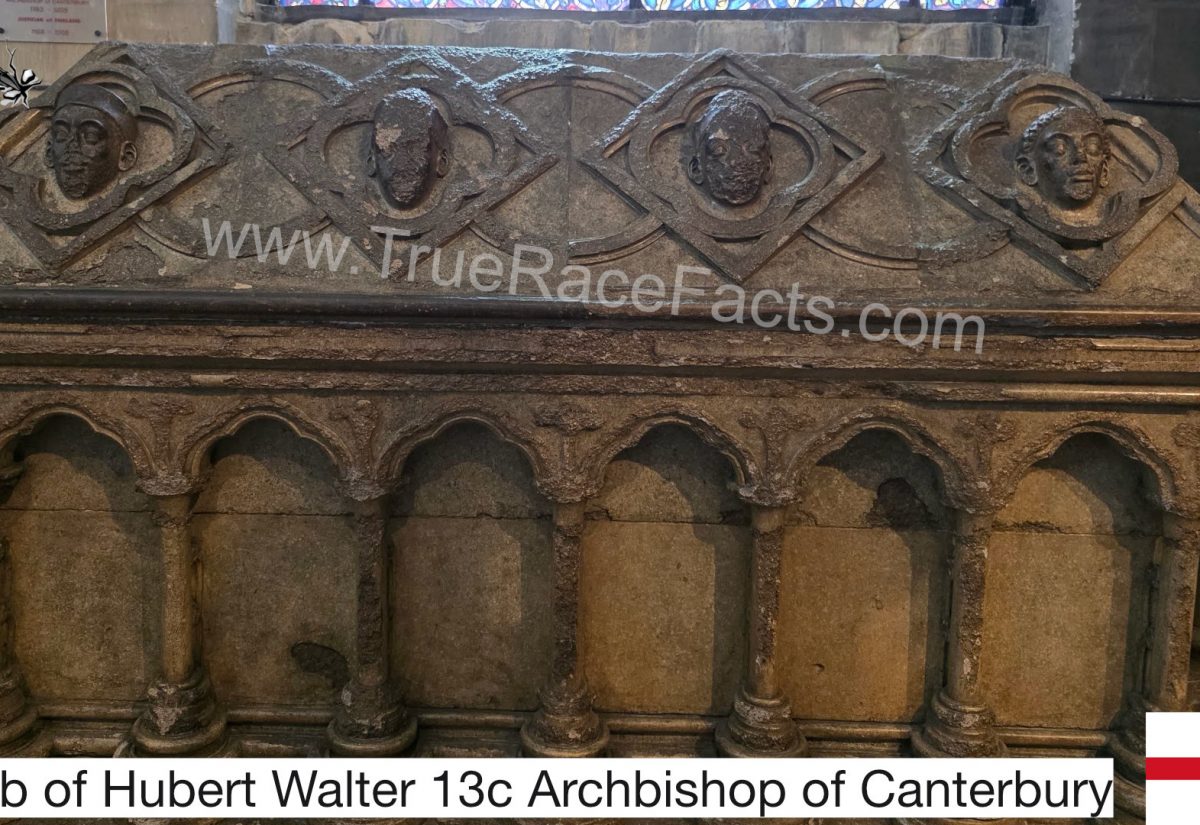
Discover Hubert Walter, Archbishop of Canterbury, crusader, Chief Justiciar and Lord Chancellor, his powerful Walter family and Butler dynasty connections, and the remarkable medieval faces preserved on his 800-year-old tomb at Canterbury Cathedral.
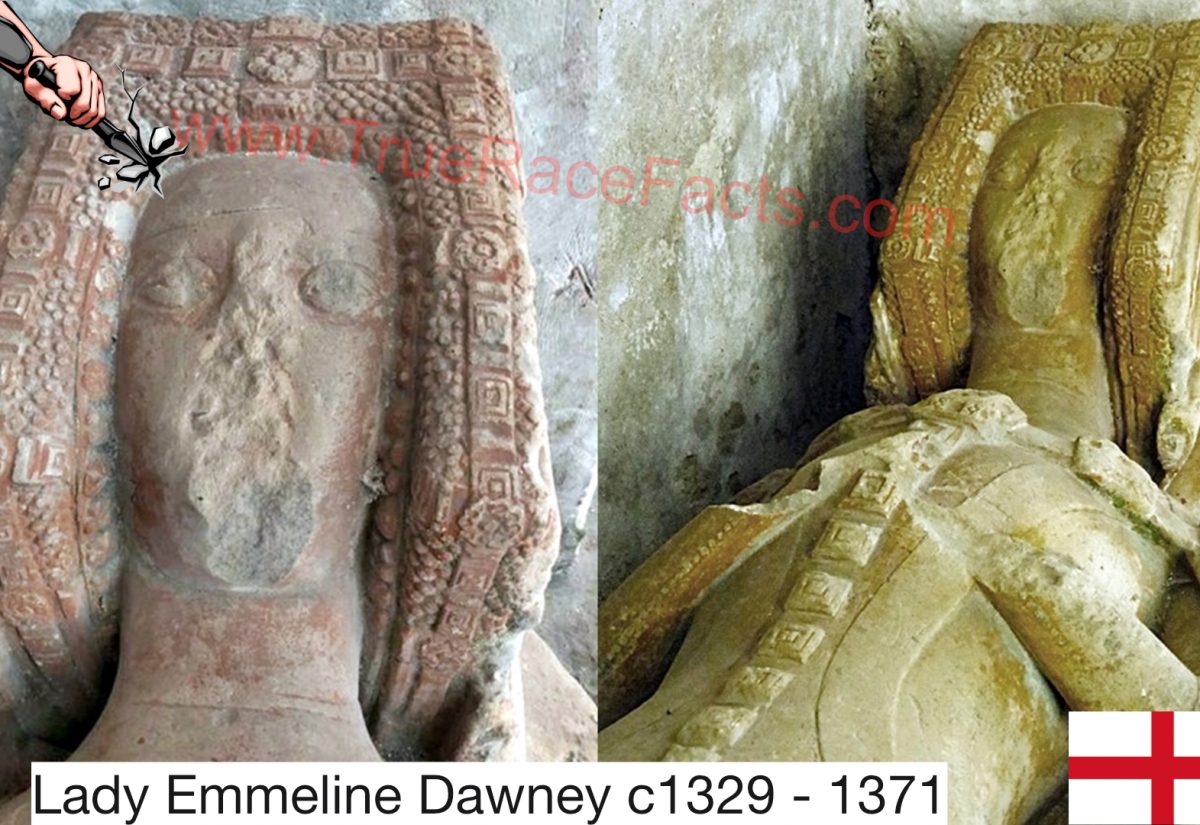
Discover Lady Emmeline Dawney, a wealthy fourteenth-century Cornish heiress whose inheritance strengthened the powerful Courtenay dynasty. Explore her remarkable medieval effigy at St Mary's Church, Sheviock, and the enduring mystery surrounding the damage to her face.
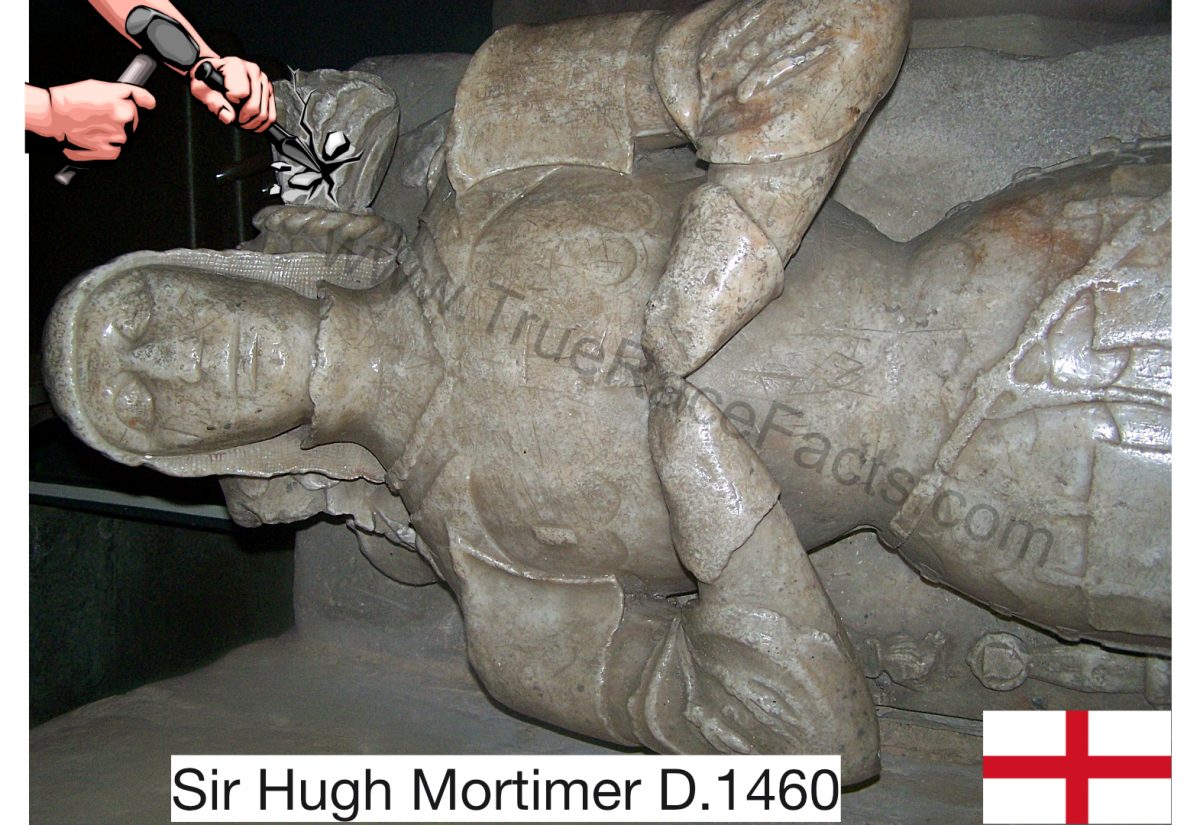
Discover the medieval effigy believed to depict Sir Hugh Mortimer at St Peter's Church, Martley. Explore the powerful Mortimer dynasty, Yorkist symbolism, the Battle of Wakefield, and the intriguing alterations visible on the monument's face.
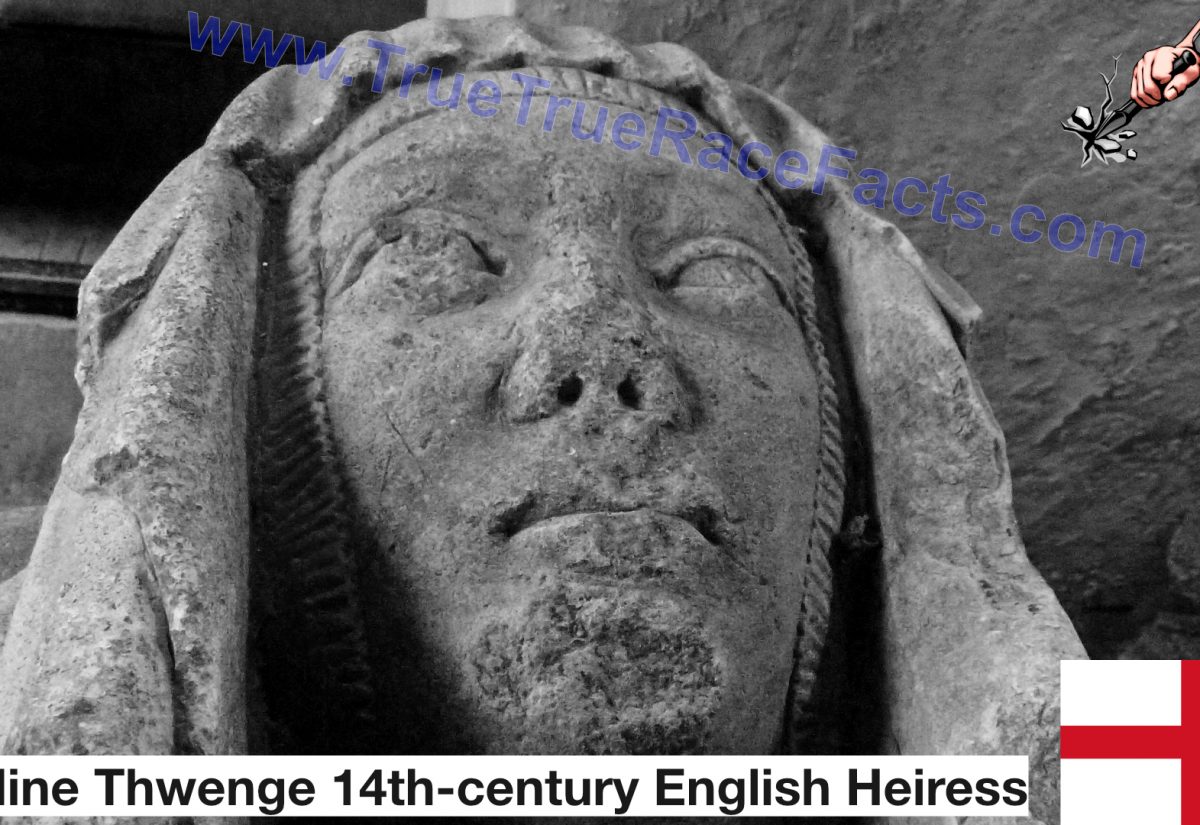
A narrative exploration of Sir Thomas Ingilby and Lady Edeline Thwenge of Ripley Castle, tracing their noble lineage, Yorkshire landholdings, and enduring connection to one of England’s longest continuously occupied estates, alongside their medieval effigy in Ripley Church.
- 4 May 2026
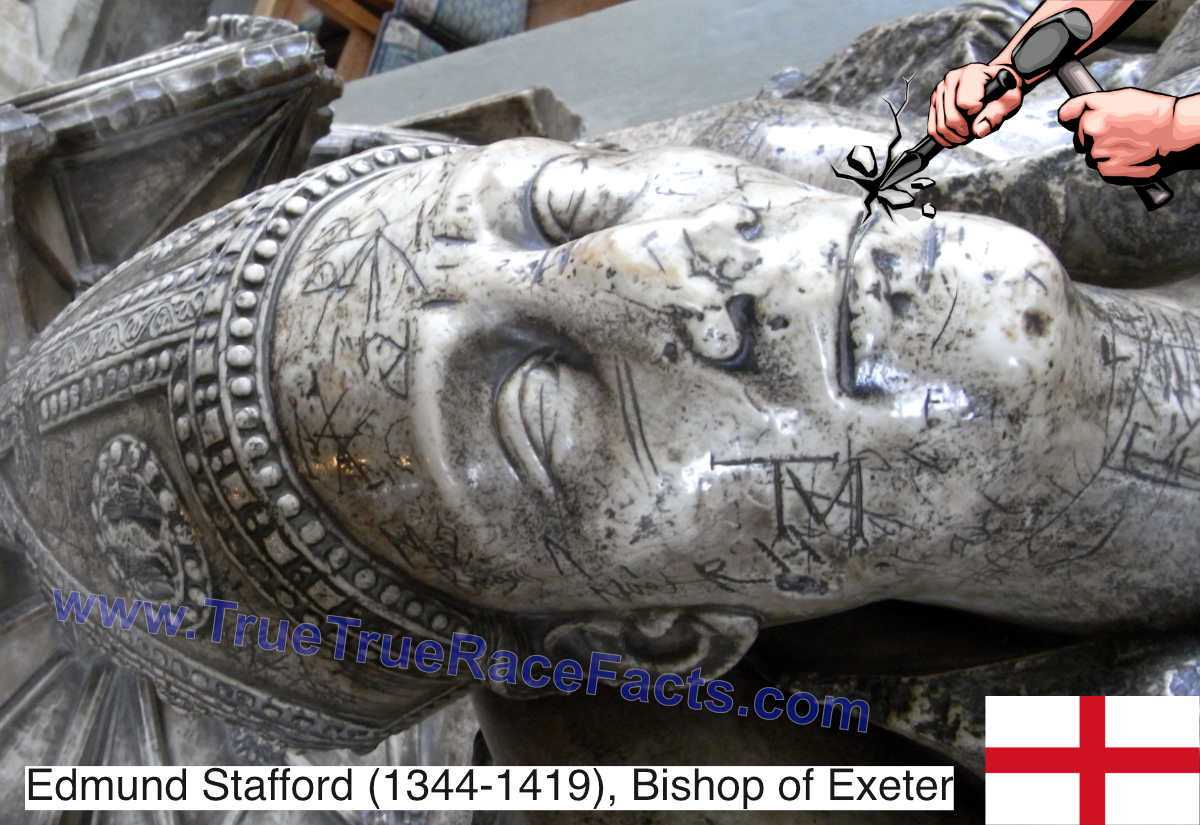
Explore the life of Edmund Stafford, Bishop of Exeter (1344–1419), a powerful medieval churchman, royal administrator, and scholar. Discover his family background, education, landholdings, and his enduring monument in Exeter Cathedral, alongside a modern reconstruction of his effigy.
- 4 May 2026
Discover the life of Sir John Sully, Knight of the Garter, warrior companion of the Black Prince, and lord of Ruxford near Crediton. Explore his remarkable effigy in Crediton Parish Church and the legacy of one of Devon’s most celebrated medieval noble families.
- 3 May 2026
Discover the life of Sir John Sully, Knight of the Garter, warrior companion of the Black Prince, and lord of Ruxford near Crediton. Explore his remarkable effigy in Crediton Parish Church and the legacy of one of Devon’s most celebrated medieval noble families.
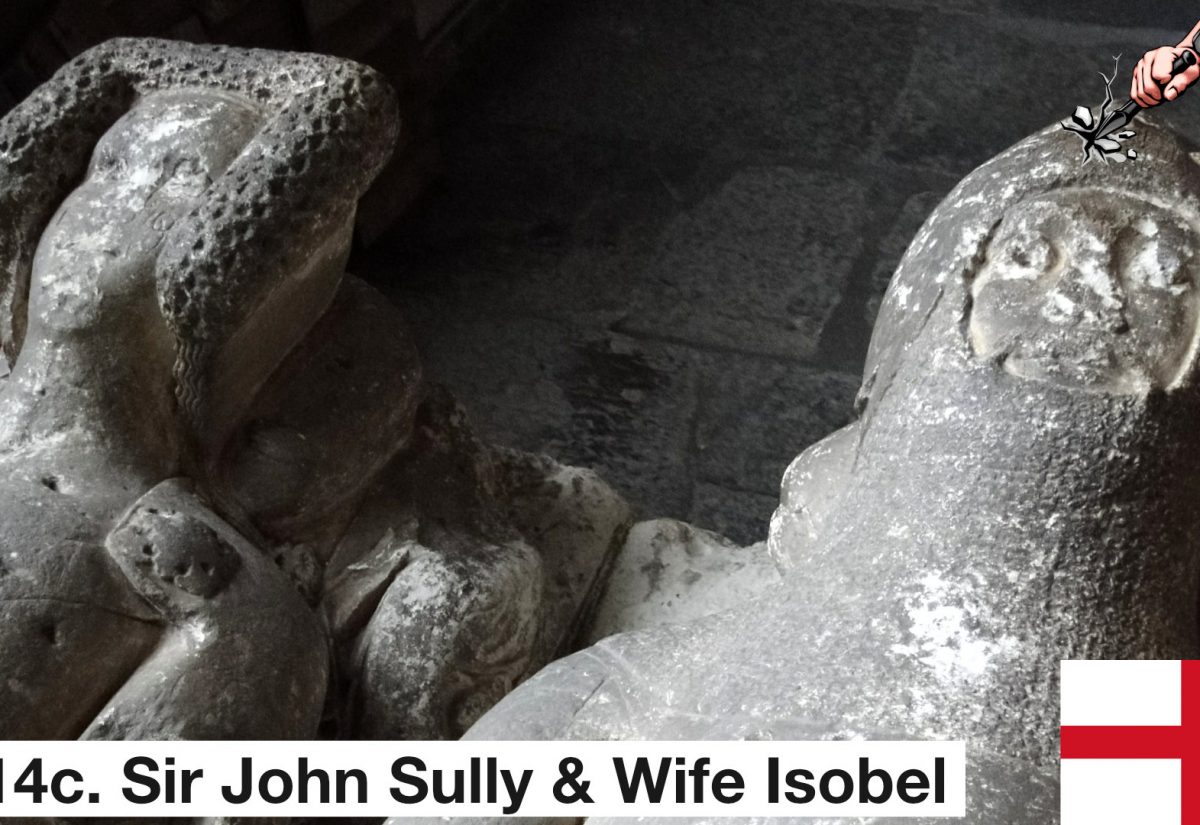
Discover the life of Sir John Sully, Knight of the Garter, warrior companion of the Black Prince, and lord of Ruxford near Crediton. Explore his remarkable effigy in Crediton Parish Church and the legacy of one of Devon’s most celebrated medieval noble families.
- 5 April 2026
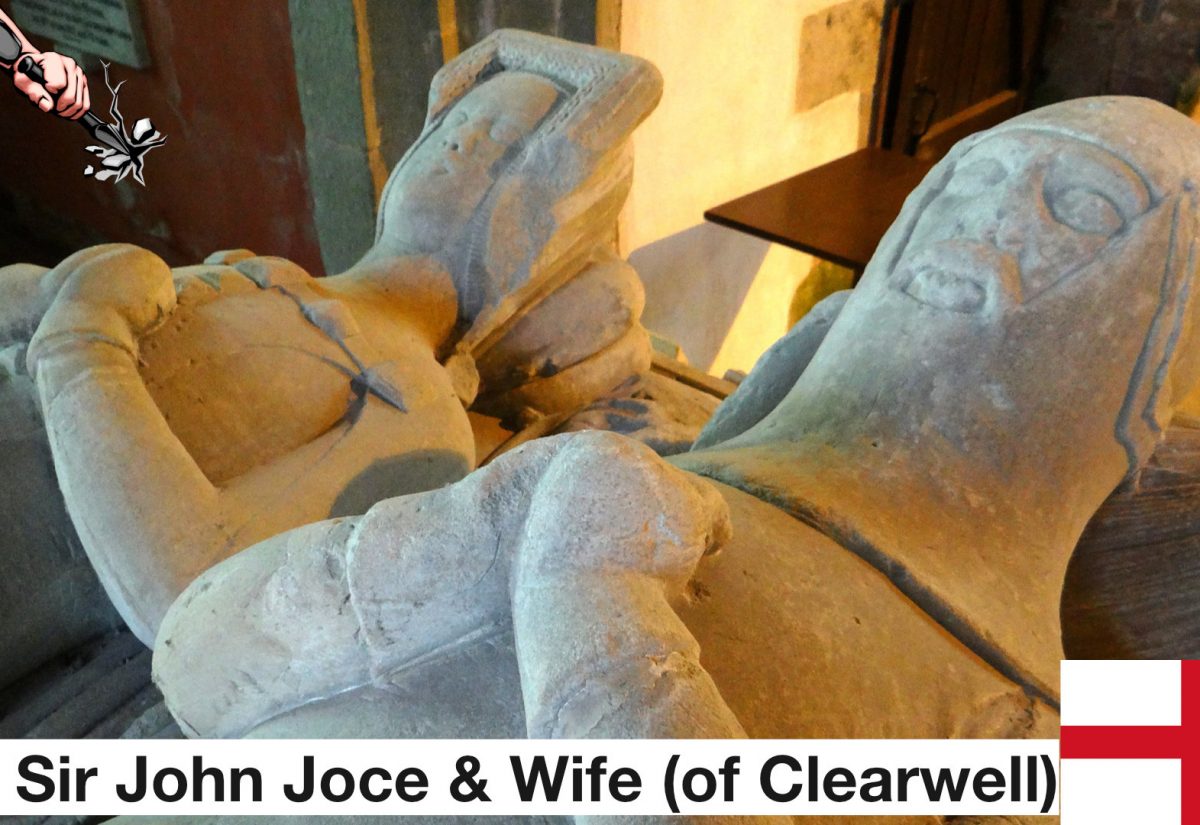
Explore the life and effigy of Sir John Joce of Clearwell and his wife at All Saints Church, Newland, Gloucestershire, including their noble status, land ownership, and surviving medieval monument.
- 1
- 2