Sir Thomas Ingilby and Lady Edeline Thwenge of Ripley Castle 13c-14c
- 10 June 2026
- 0 Comment
A Noble Yorkshire Family Rooted in Land and Power
Sir Thomas Ingilby and Lady Edeline Thwenge belonged to the landed society of medieval northern England, where identity was defined through inheritance, property, and regional authority. Sir Thomas came from a knightly Yorkshire family whose position was secured through estate management and service within local governance. Lady Edeline, as heiress of the Thwenge line and connected to the Constable family, brought with her inherited lands and the prestige of established northern nobility. Their marriage therefore represented the consolidation of two significant strands of Yorkshire landholding society, binding together property, lineage, and influence.
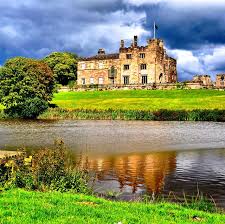
Ripley Castle and the Centre of Their World
At the heart of their story stood Ripley Castle, the family seat that anchored their position within the region. More than a residence, it functioned as the physical and symbolic centre of their authority in Ripley, representing continuity of landholding and local influence. The castle formed the backdrop to their lives and remains the most visible architectural connection to the world they inhabited.
The Monument in Ripley Church
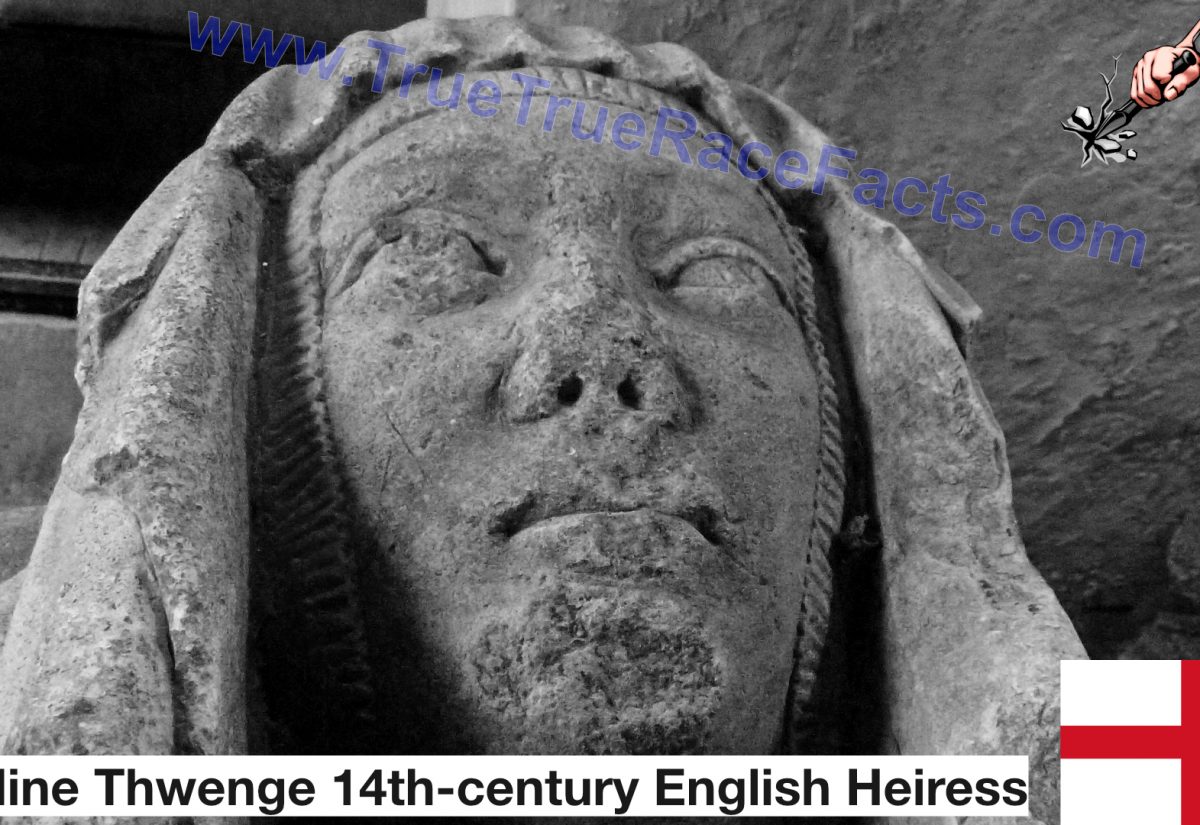
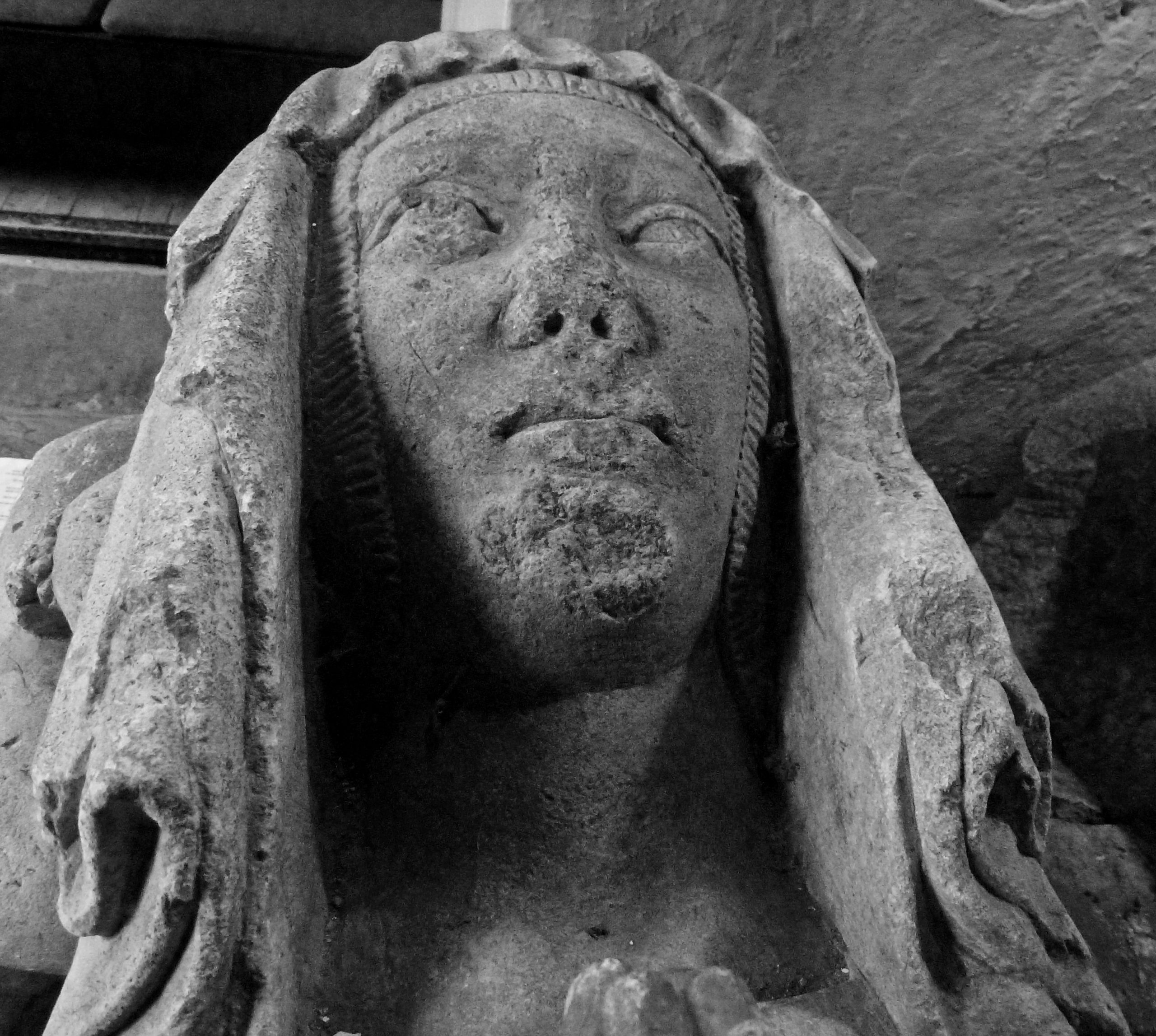
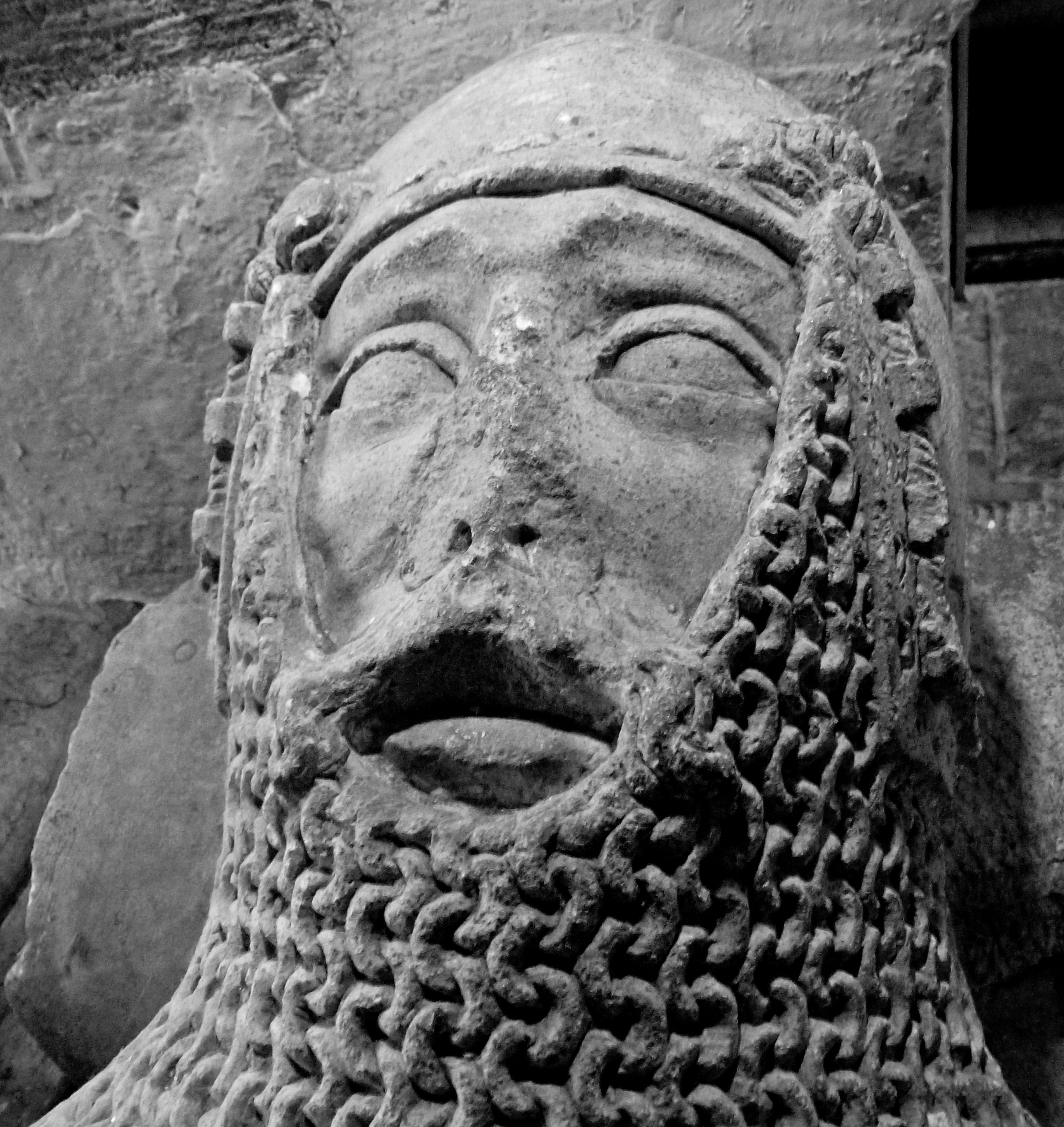
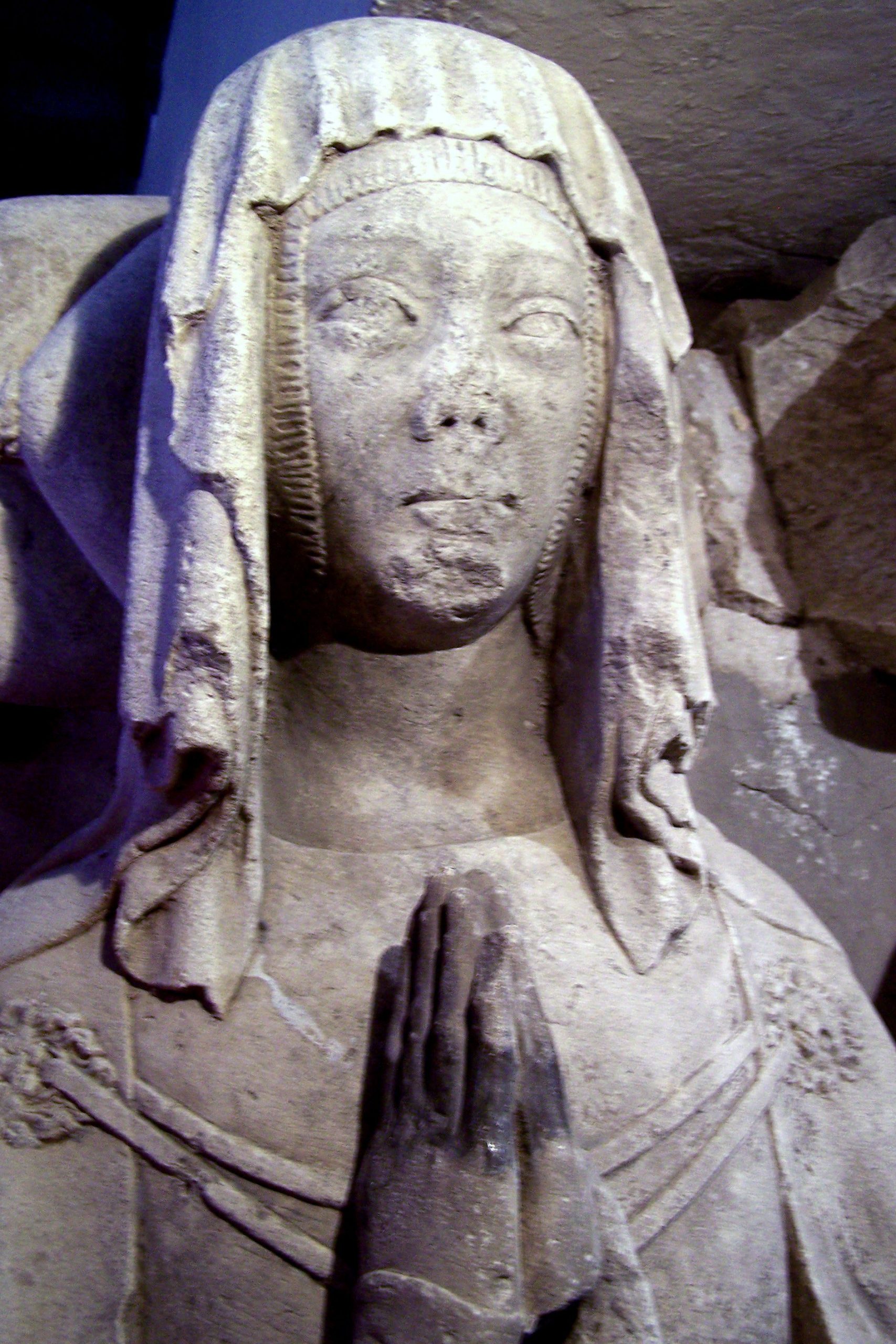
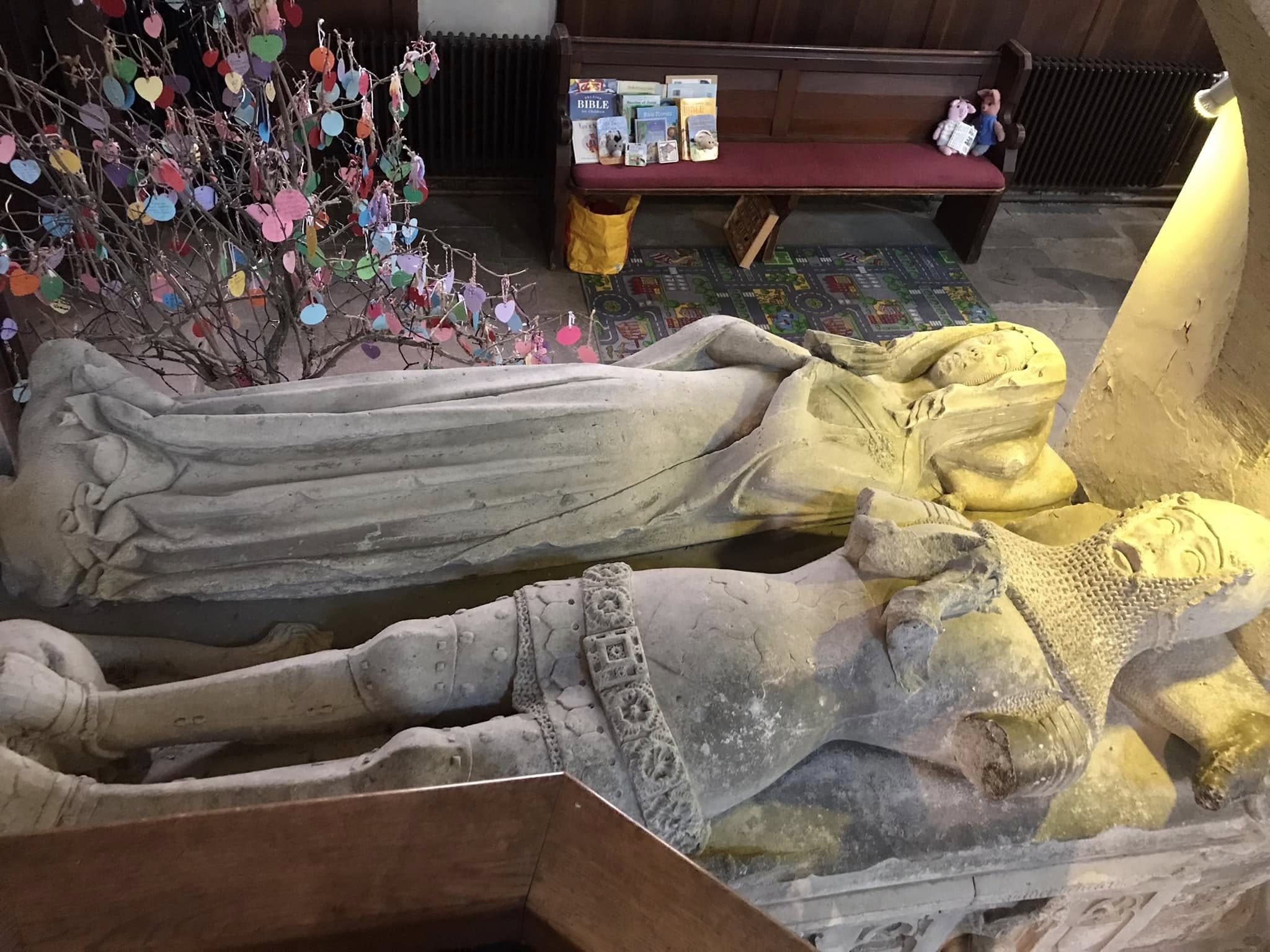
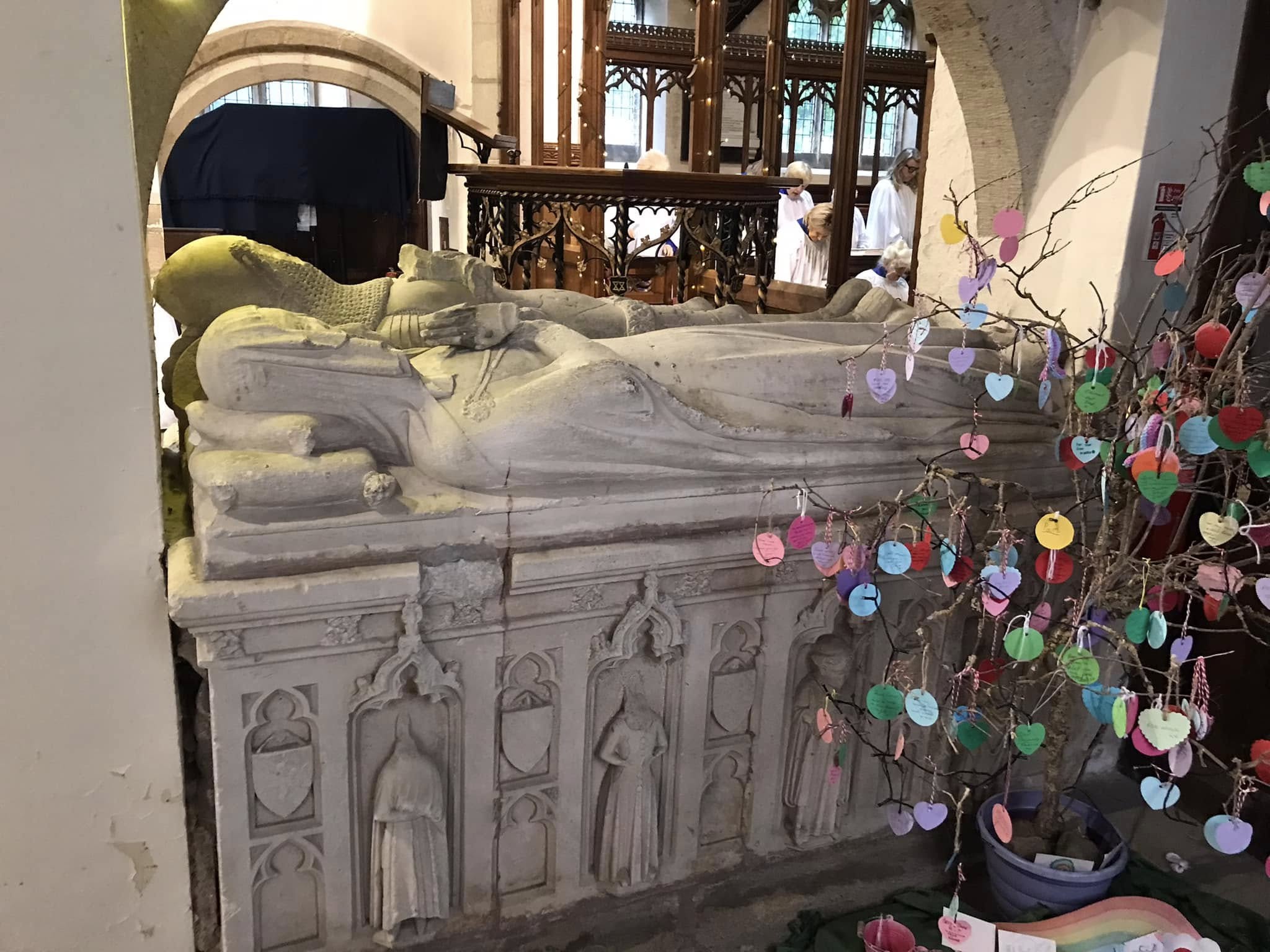
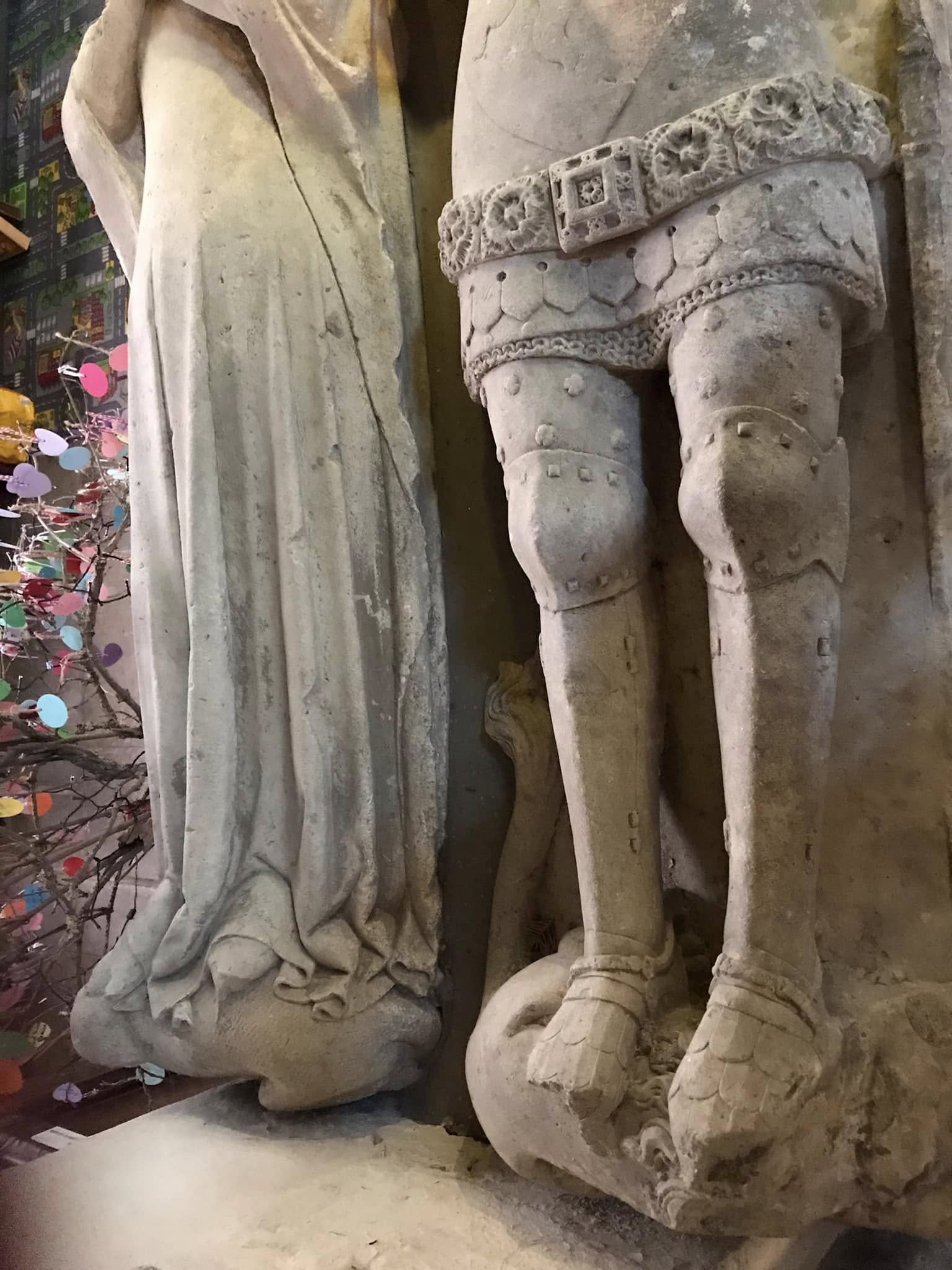
Within All Saints Church, their effigies survive as one of the most direct visual records of their status and identity. Medieval funerary monuments such as this were designed not simply as memorials but as lasting statements of rank and lineage, intended to preserve the presence of the deceased within sacred space.
Survival, Wear, and Surface Loss
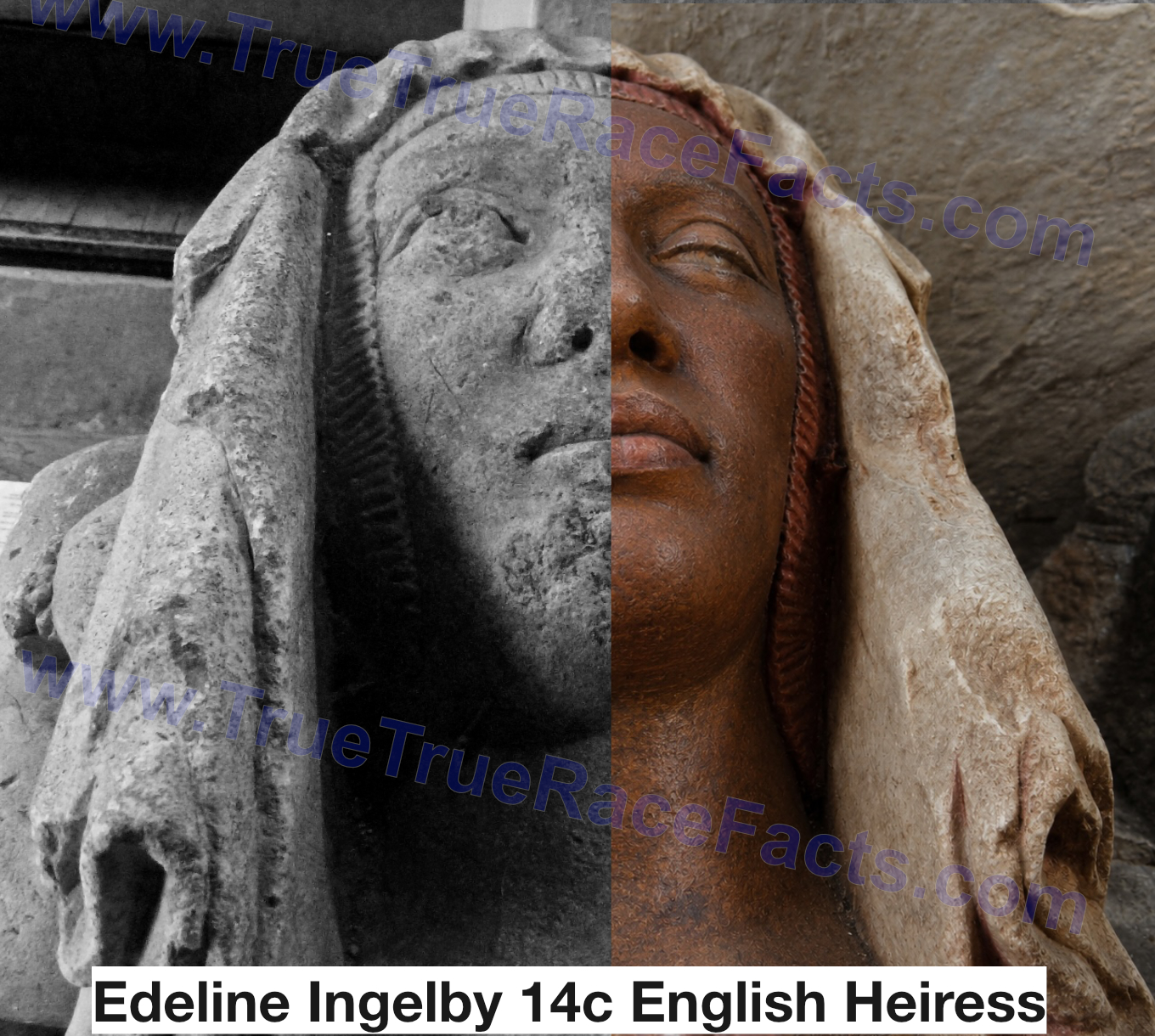
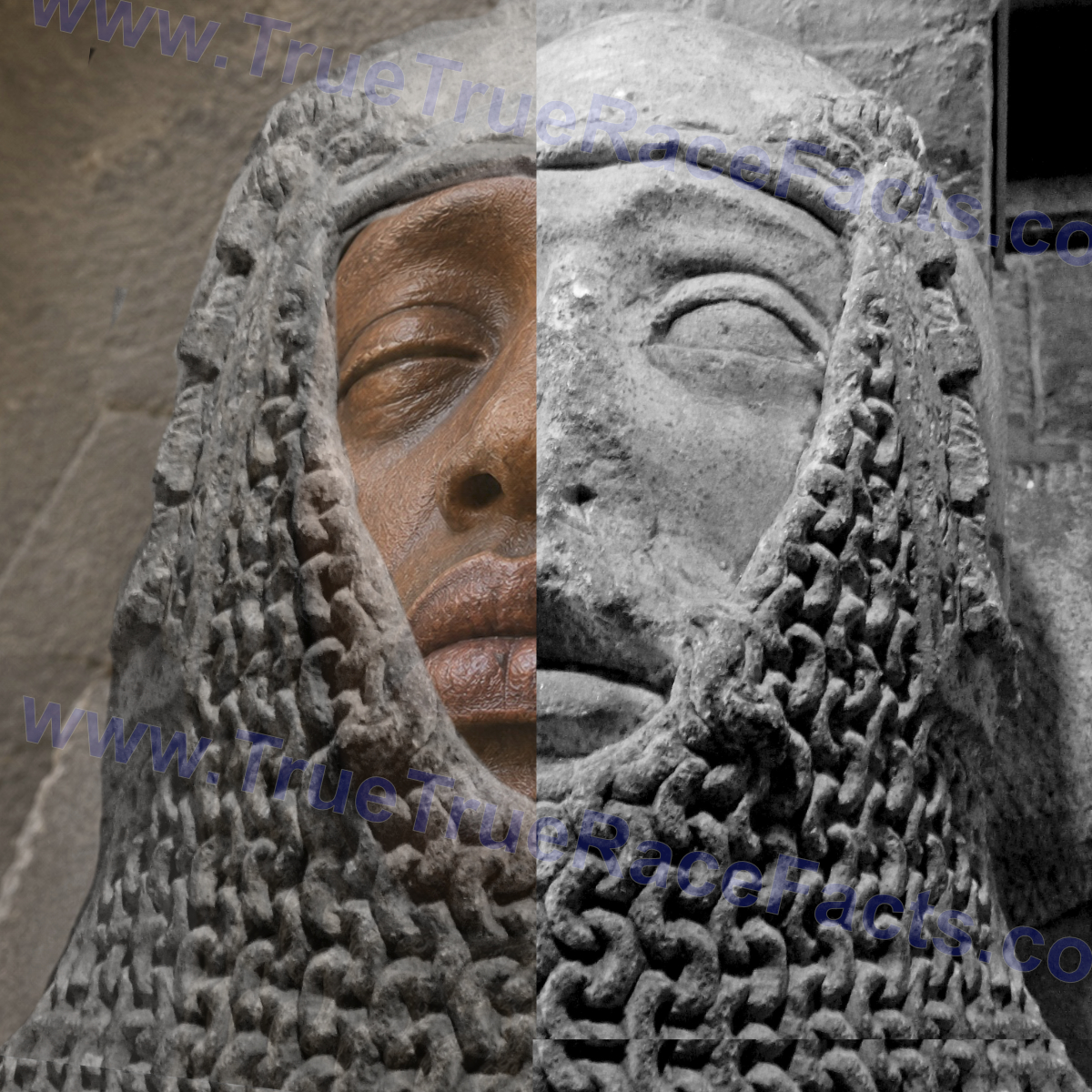
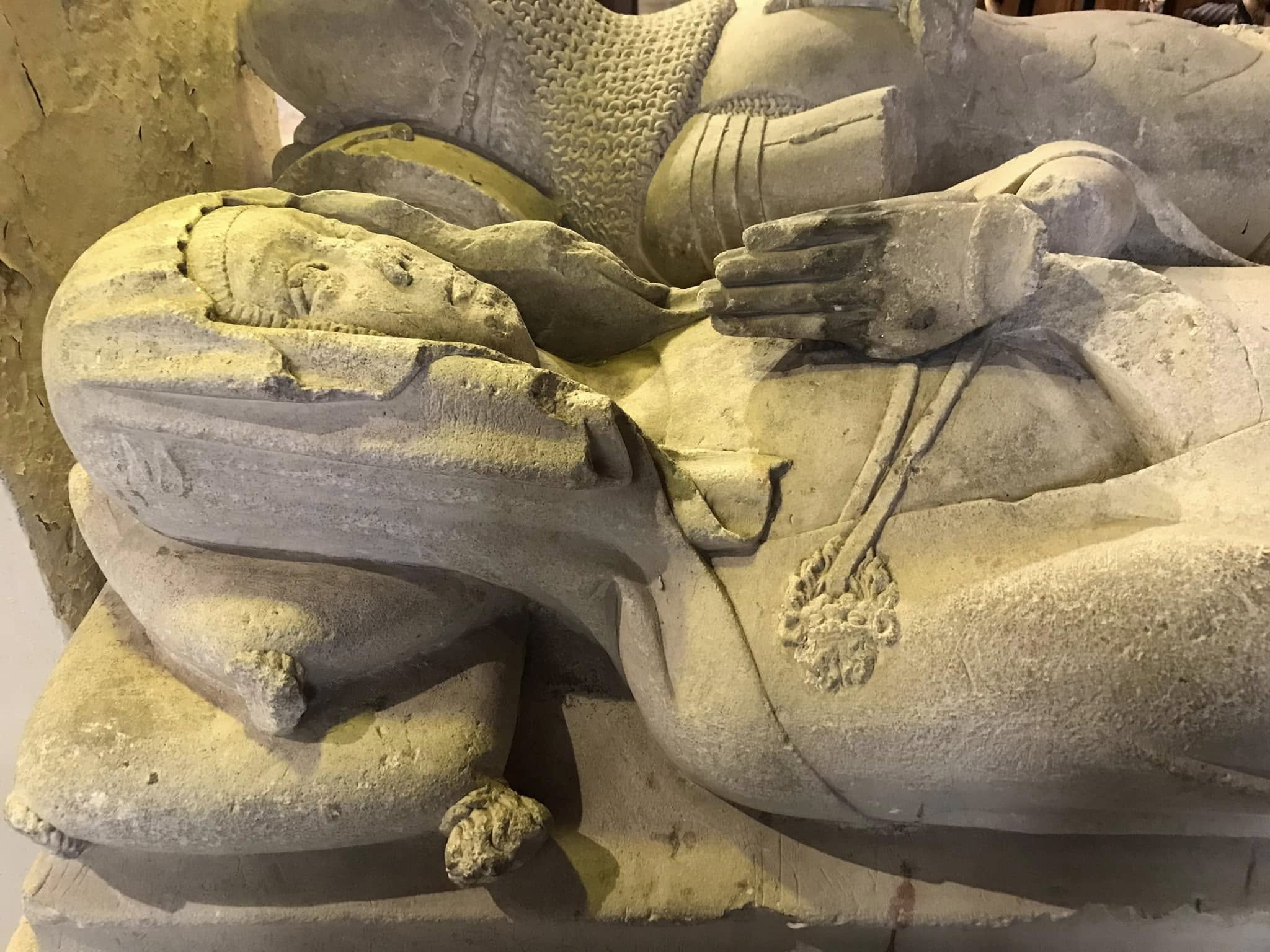
Like many medieval monuments across England, the effigies have not survived untouched. Centuries of exposure have softened the surface, and finer sculptural detail has been reduced through wear, environmental conditions, and loss of original finish. While the monument remains structurally intact, the surface of the faces in particular shows clear signs of long-term alteration, including areas where original definition has been diminished.
The Surviving Structure of the Faces
Despite this, the underlying carving remains remarkably legible. In both figures, the broader structure of the nose is still clearly visible, and the shape of the lips remains strongly defined within the stone. These features survive not as vague impressions but as core elements of the original sculptural design. Even where surface detail has been lost, the essential facial framework remains embedded in the carving.
Reading the Effigy as It Was Intended
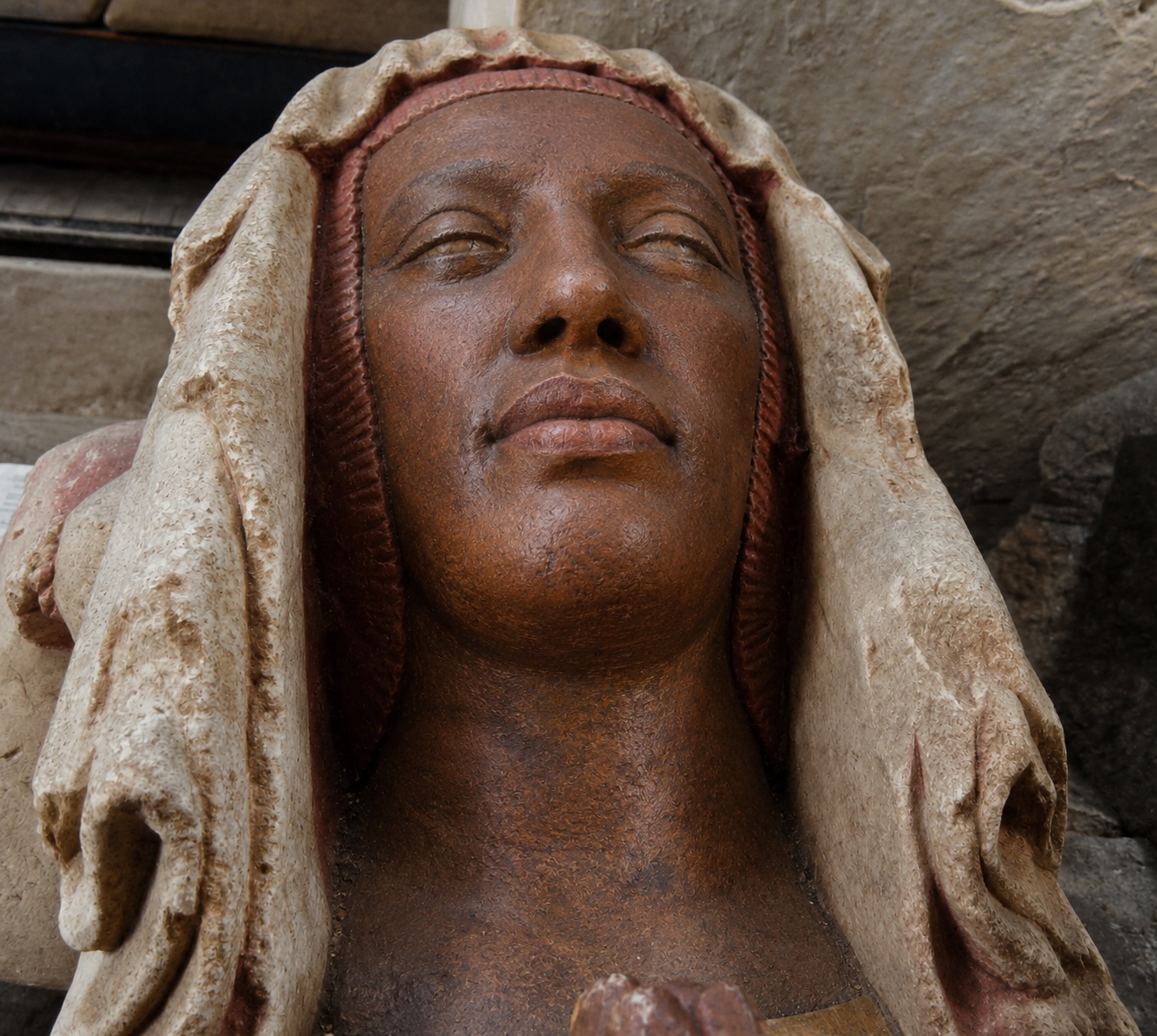
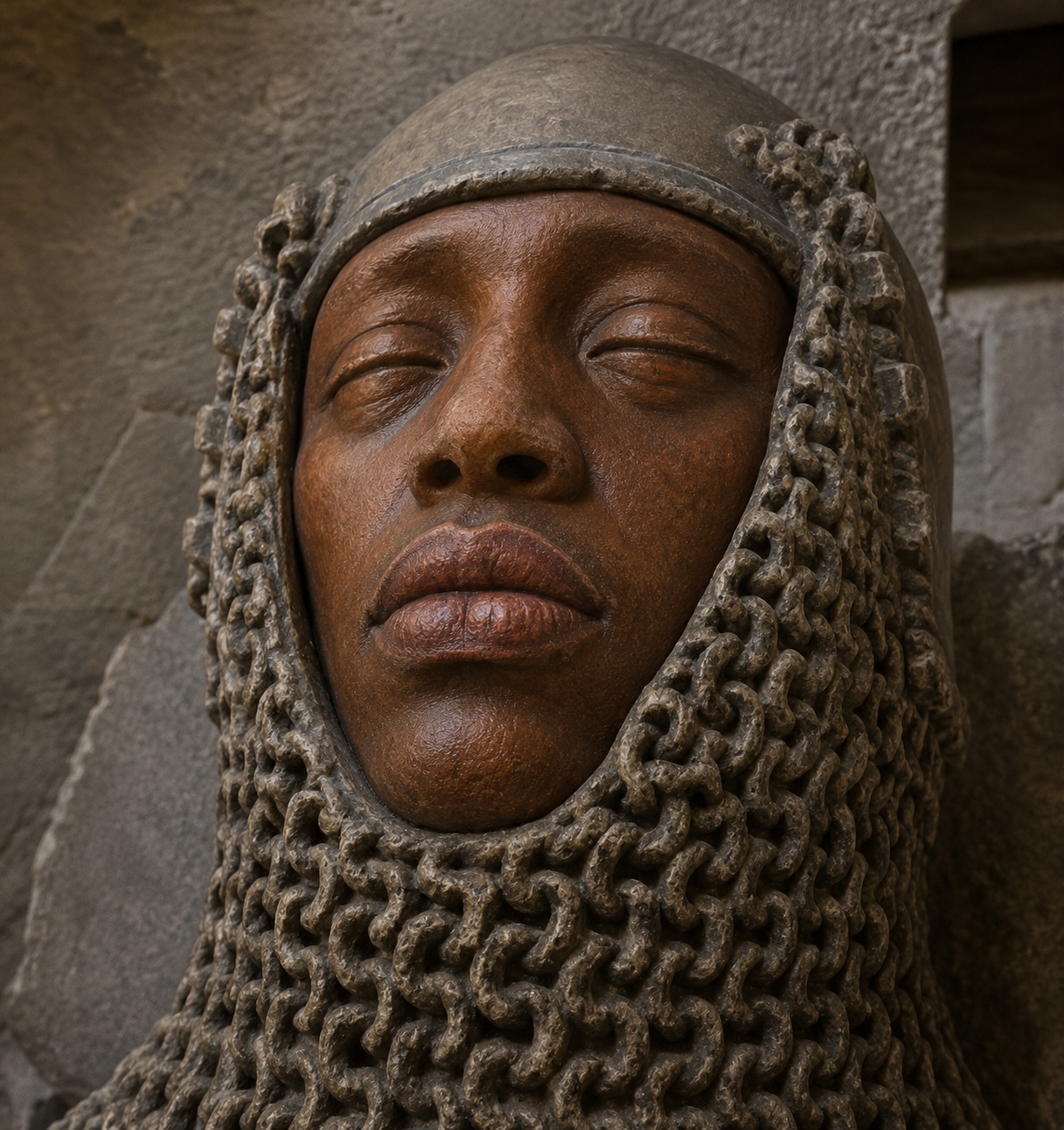
This surviving structure allows the monument to be read beyond its current worn condition. The effigies can still be understood in terms of their original intent, when they would have been fully finished, painted, and displayed within the illuminated interior of the medieval church. In that setting, the faces would have appeared far more defined, with colour and detail enhancing the sculptural forms that are now only partially visible.
Endurance Through Stone
What remains most significant is not the damage itself, but the endurance of form. Despite centuries of change, the effigies continue to preserve enough of their original structure to maintain the presence of Sir Thomas Ingilby and Lady Edeline Thwenge. The stone has softened, but it has not been emptied of meaning. It still carries the outlines of identity, status, and the landed world they once represented.
“The stone has softened and the detail has faded, but the outline remains — and in that outline, the memory of Sir Thomas Ingilby and Lady Edeline is never fully lost.”
Guinevere Jackson
Image citation Flickr and Wikipedia & Ai for the facial reconstruction
 Donate