The Swarthy Bishop Giles de Bridport 13c Salisbury’s Forgotten Nobility
- Guinevere Jackson
- 15 March 2026
- 0 Comment
Giles de Bridport: Bishop of Salisbury and the Effigy That Invites a Second Look
One of the lesser-known but historically important bishops connected with Salisbury Cathedral is Giles de Bridport. Though his episcopate lasted only a few years, his leadership came during a crucial stage in the development of the cathedral and its community.
Today, an effigy traditionally associated with Giles de Bridport remains within Salisbury Cathedral. Like many medieval monuments, it preserves a remarkable visual record of the individual it commemorates—while also raising questions about how history has been preserved and altered over time.
The Life of Giles de Bridport
Giles de Bridport served as Bishop of Salisbury from 1256 until his death in 1262. He was appointed during the reign of Henry III of England, a period when the English church played a powerful role in both political and spiritual life.
Before becoming bishop, Giles served as dean of Salisbury Cathedral. The dean held significant responsibility for the administration of the cathedral chapter, meaning Giles was already deeply familiar with the institution before his elevation to the episcopacy.
His appointment as bishop reflected both his administrative ability and the trust placed in him by the cathedral community.
Although his time as bishop was relatively short, he oversaw an important period in the continuing development of the cathedral complex, helping maintain the structure, clergy, and ecclesiastical functions that sustained the growing religious centre at Salisbury.
Family and Origins
Giles de Bridport’s surname suggests a connection to the town of Bridport in Dorset. Medieval bishops often came from families with local influence or landholding connections, which helped support education and advancement within the church.
Like many clerics of the thirteenth century, Giles would have received formal training in theology and church law. Cathedral clergy frequently studied in centres of learning such as University of Oxford, which was becoming an important intellectual centre during this period.
His rise from dean of Salisbury to bishop reflects a career shaped by ecclesiastical service and administrative skill.
The Effigy of Giles de Bridport
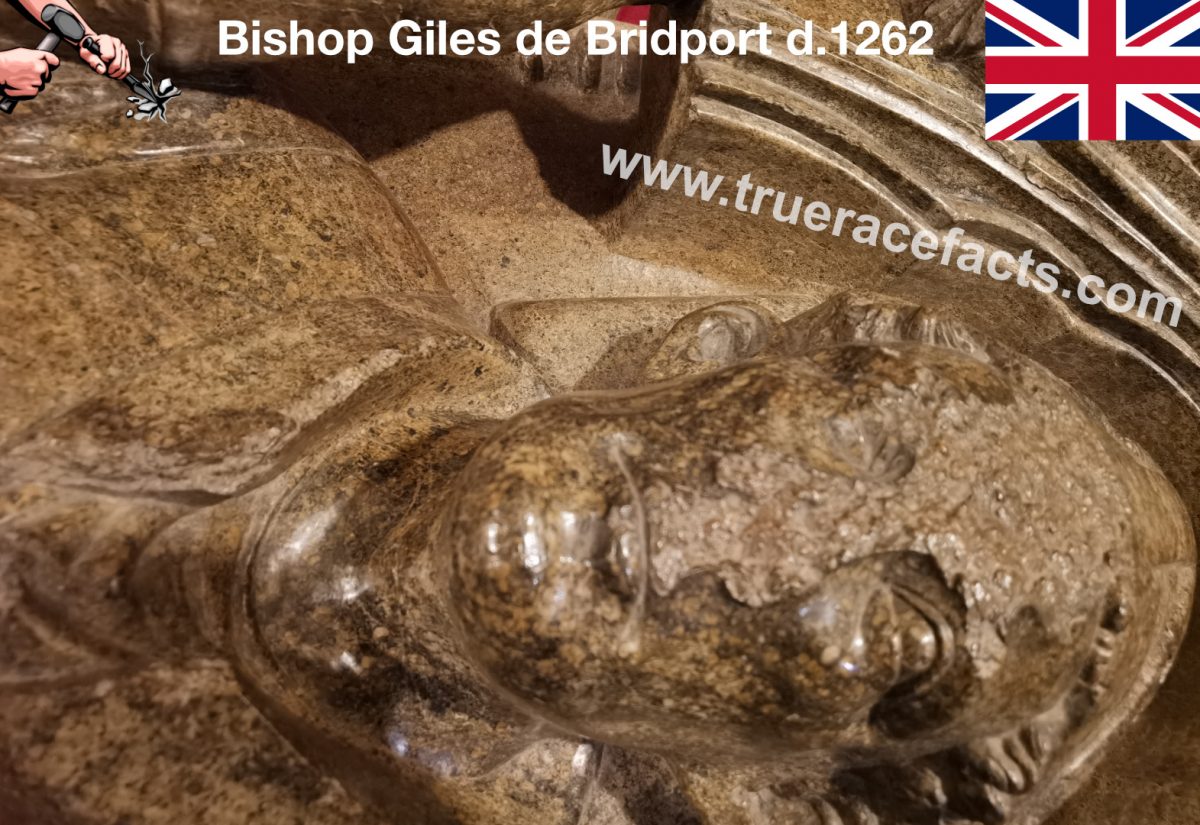
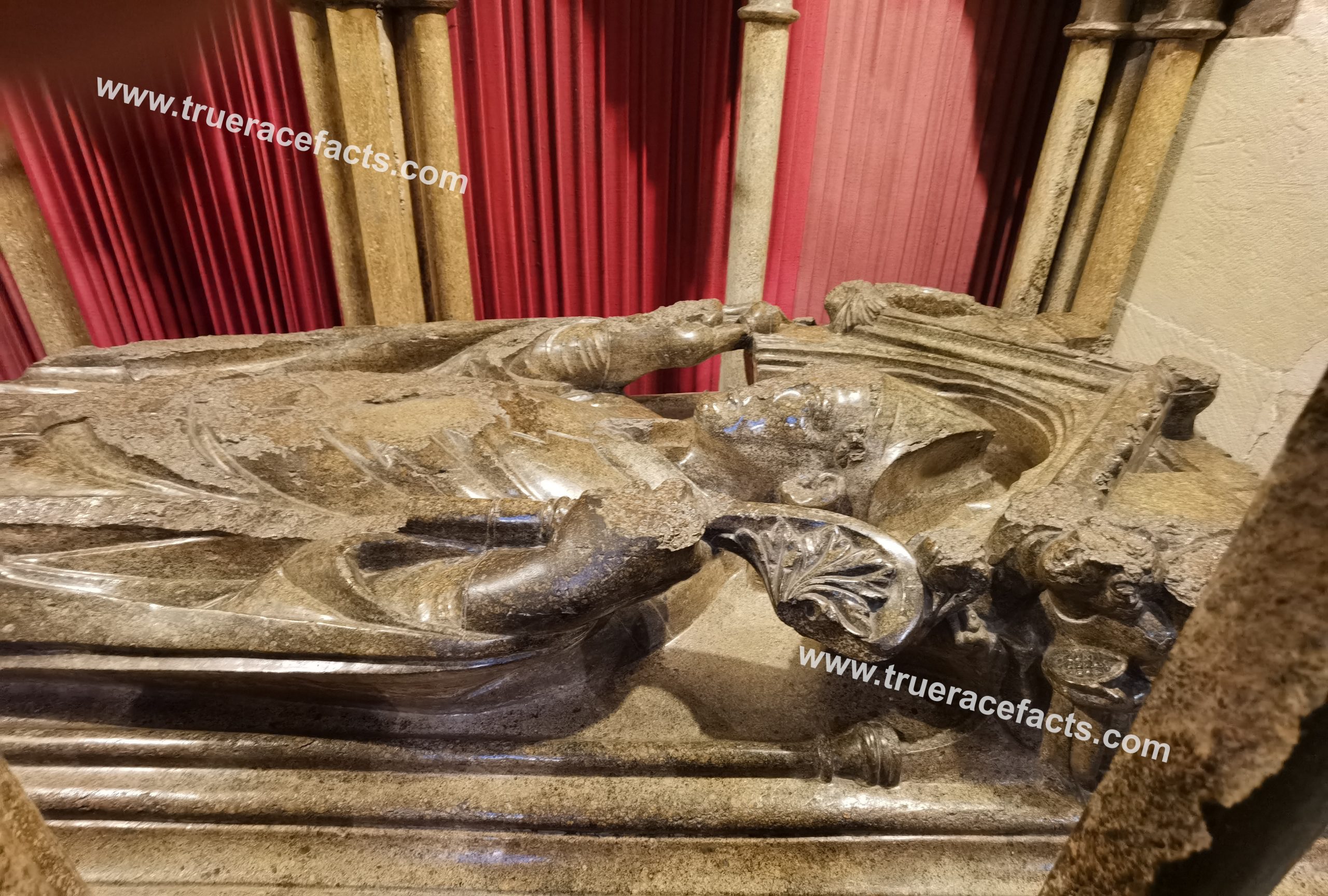
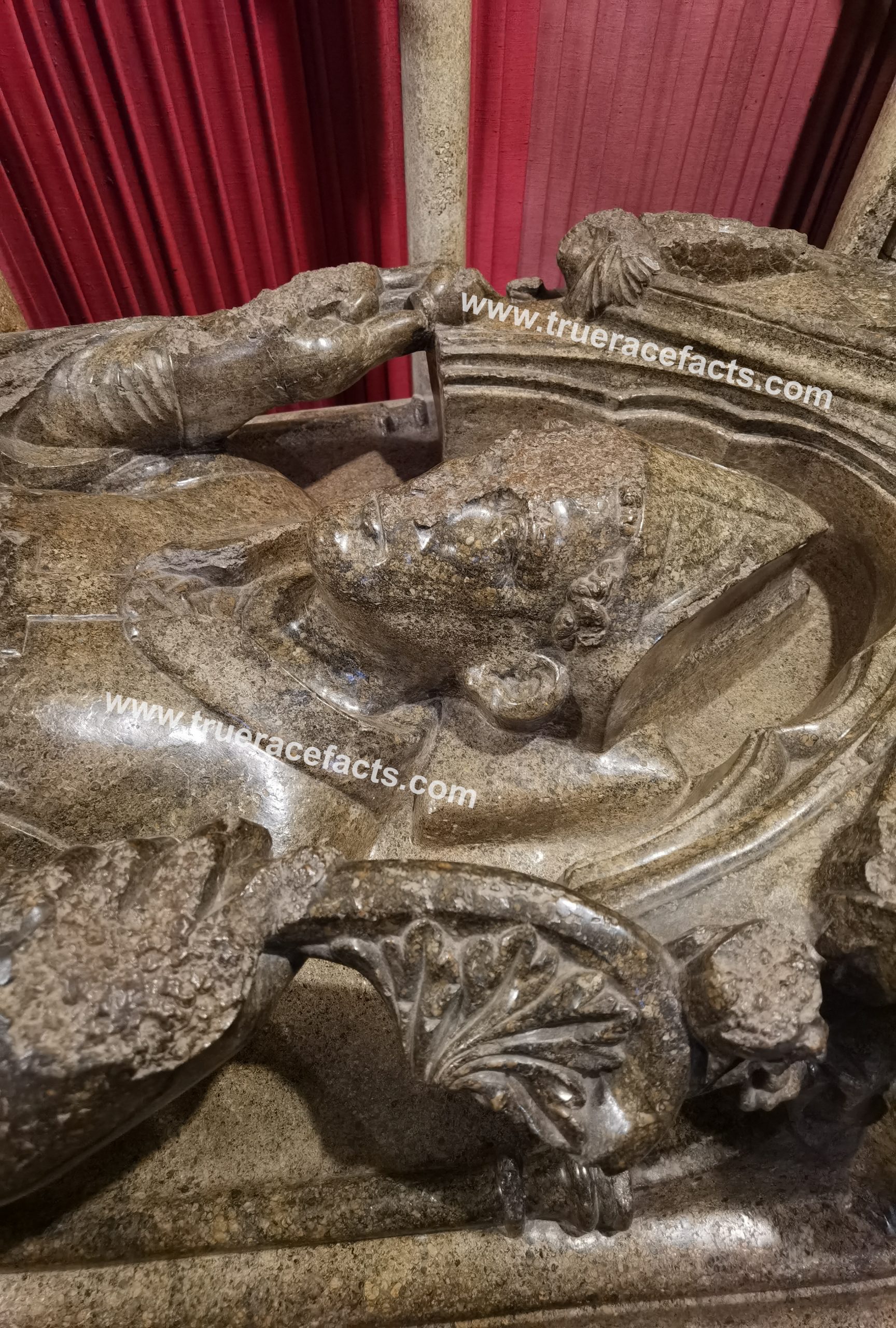
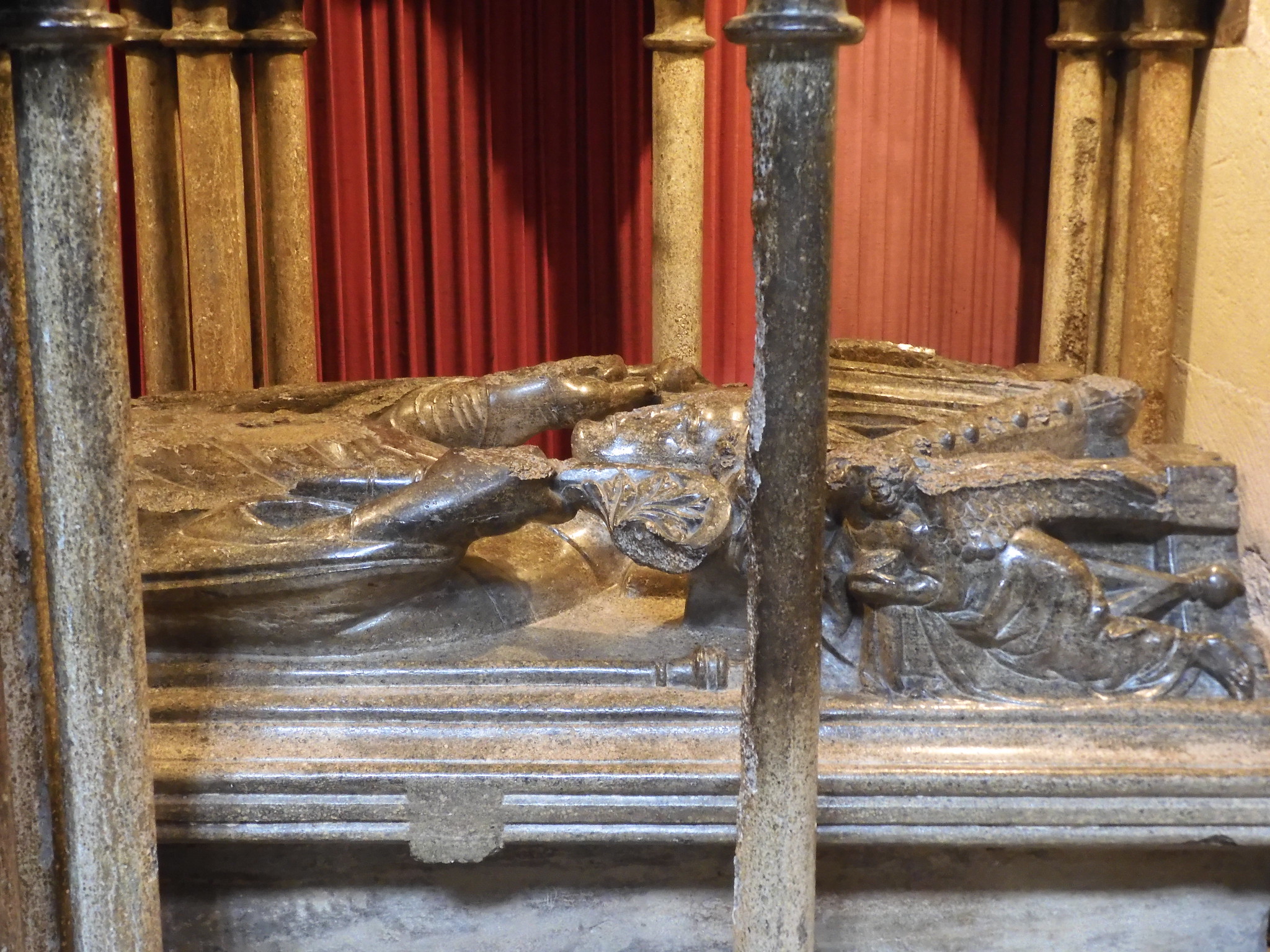
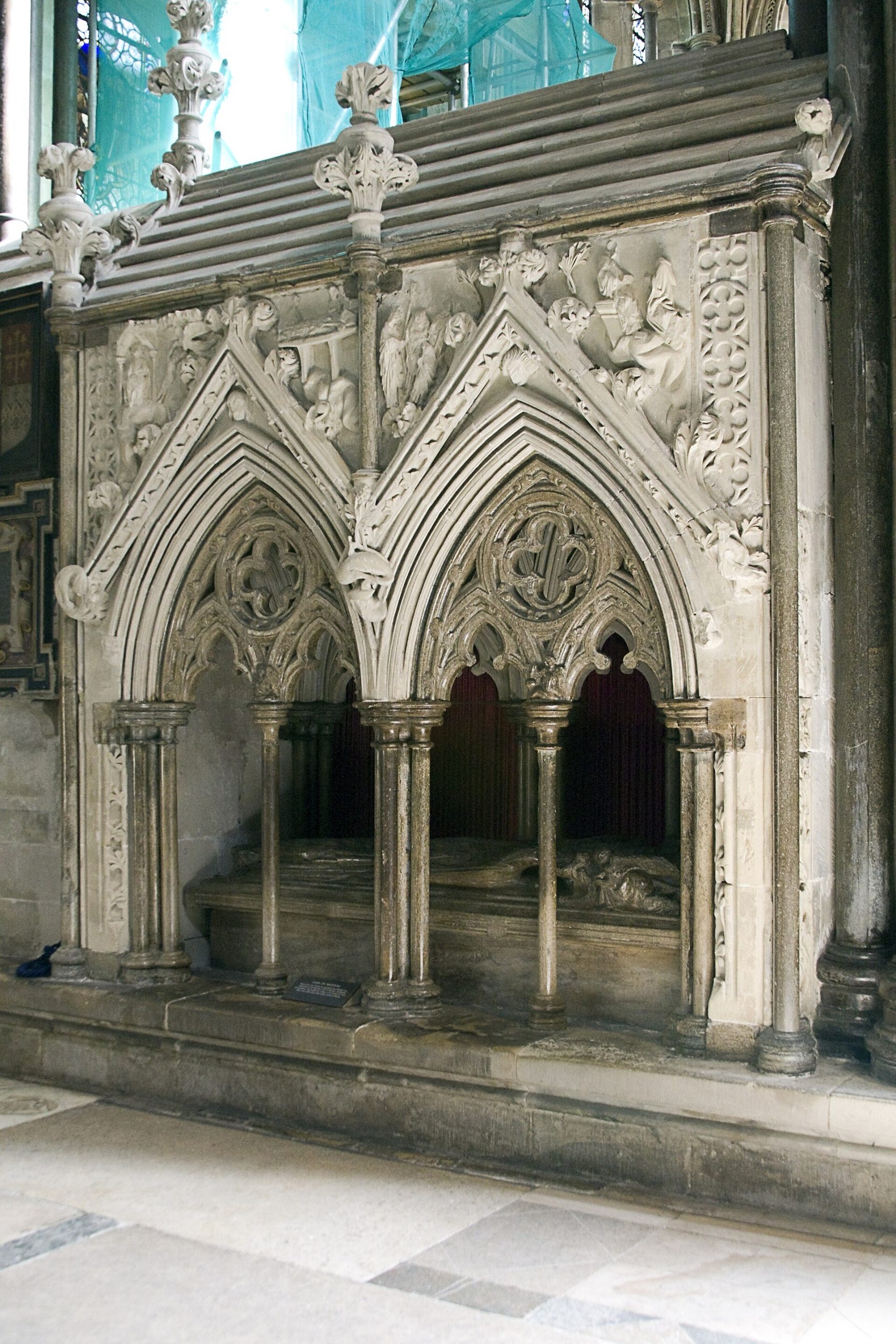
Inside Salisbury Cathedral lies the effigy traditionally associated with Giles de Bridport. The monument depicts the bishop lying in repose in full episcopal vestments, wearing a mitre in the typical style of thirteenth-century funerary sculpture.
Although much of the monument remains intact, the face has suffered clear damage. The nose has been completely removed, leaving only the outline of its original form. The upper lip also appears to have been hacked away, while the lower lip remains visible. At the sides of the head, hair emerges beneath the mitre and is sculpted with a thick, textured appearance.
From these remaining features, some observers have suggested that the original sculpture may have portrayed a swarthy-featured individual, noting the broad outline of the nose, the fuller lips, and the textured hair carved at the sides of the head.
Nearby, an angel figure associated with the monument has also been partially damaged. Half of the angel’s face has been removed, yet the surviving half still preserves elements of the original carving, again inviting closer examination of the monument as a whole.
Like many medieval effigies, the sculpture raises intriguing questions about how individuals were represented in stone and how later alterations may have affected what we see today.
Remembering Giles de Bridport
Though Giles de Bridport’s episcopate lasted only six years, his connection to Salisbury Cathedral links him permanently to one of the most extraordinary architectural achievements of medieval England.
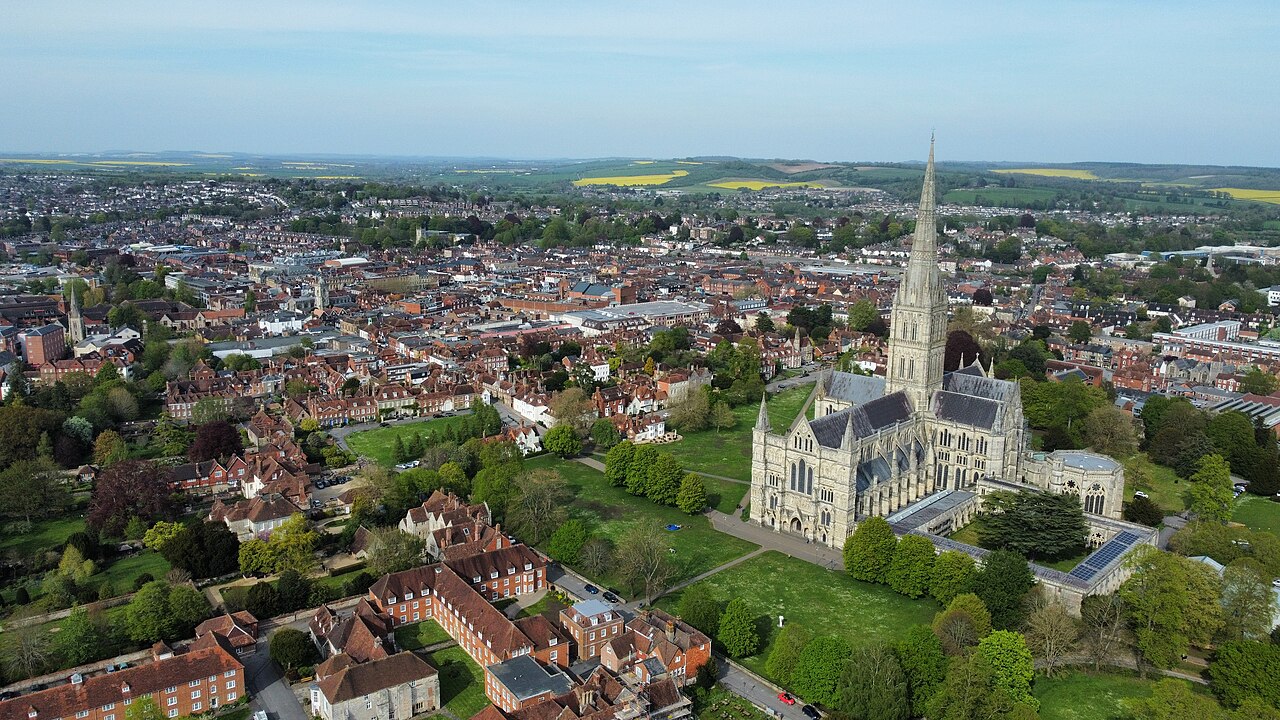
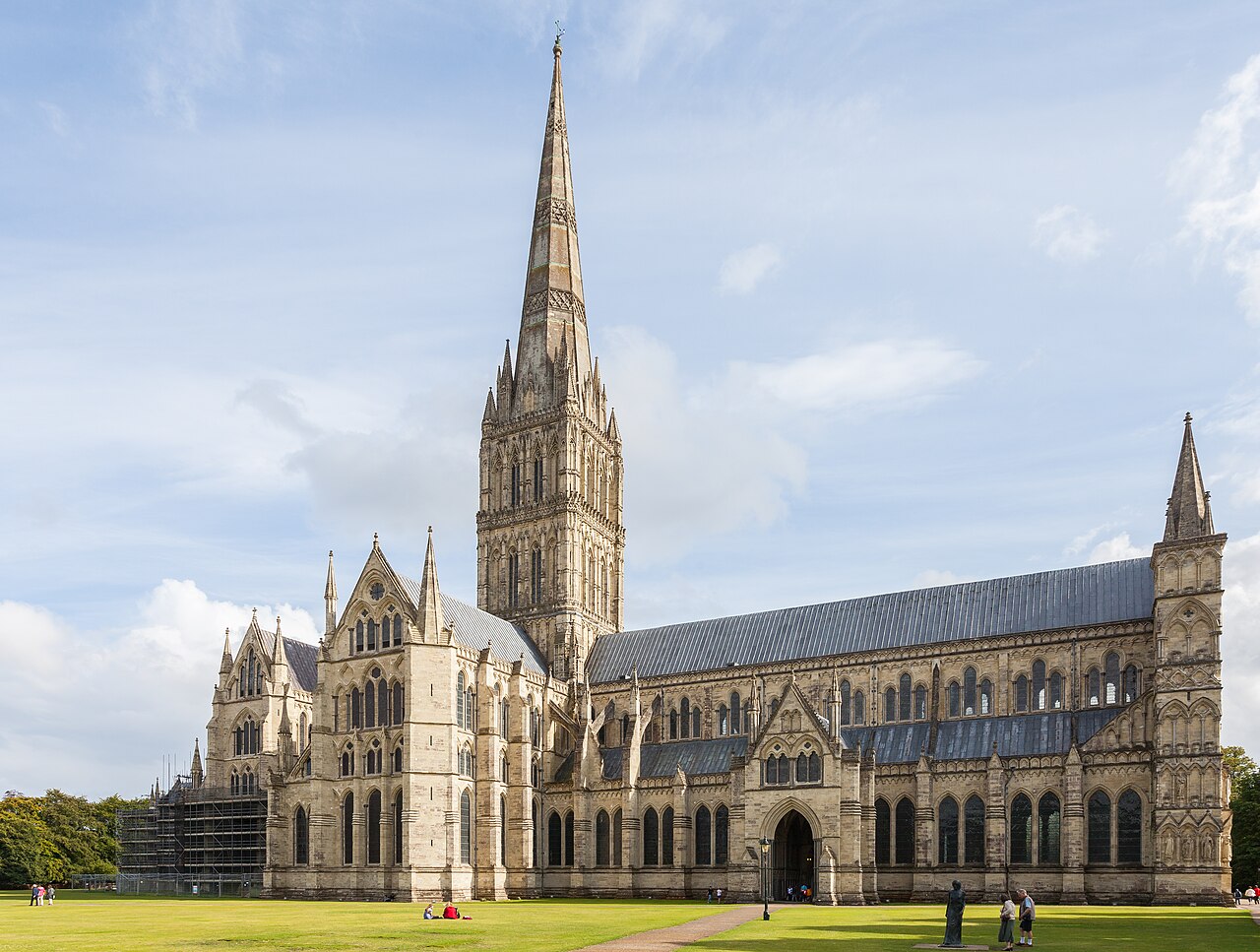
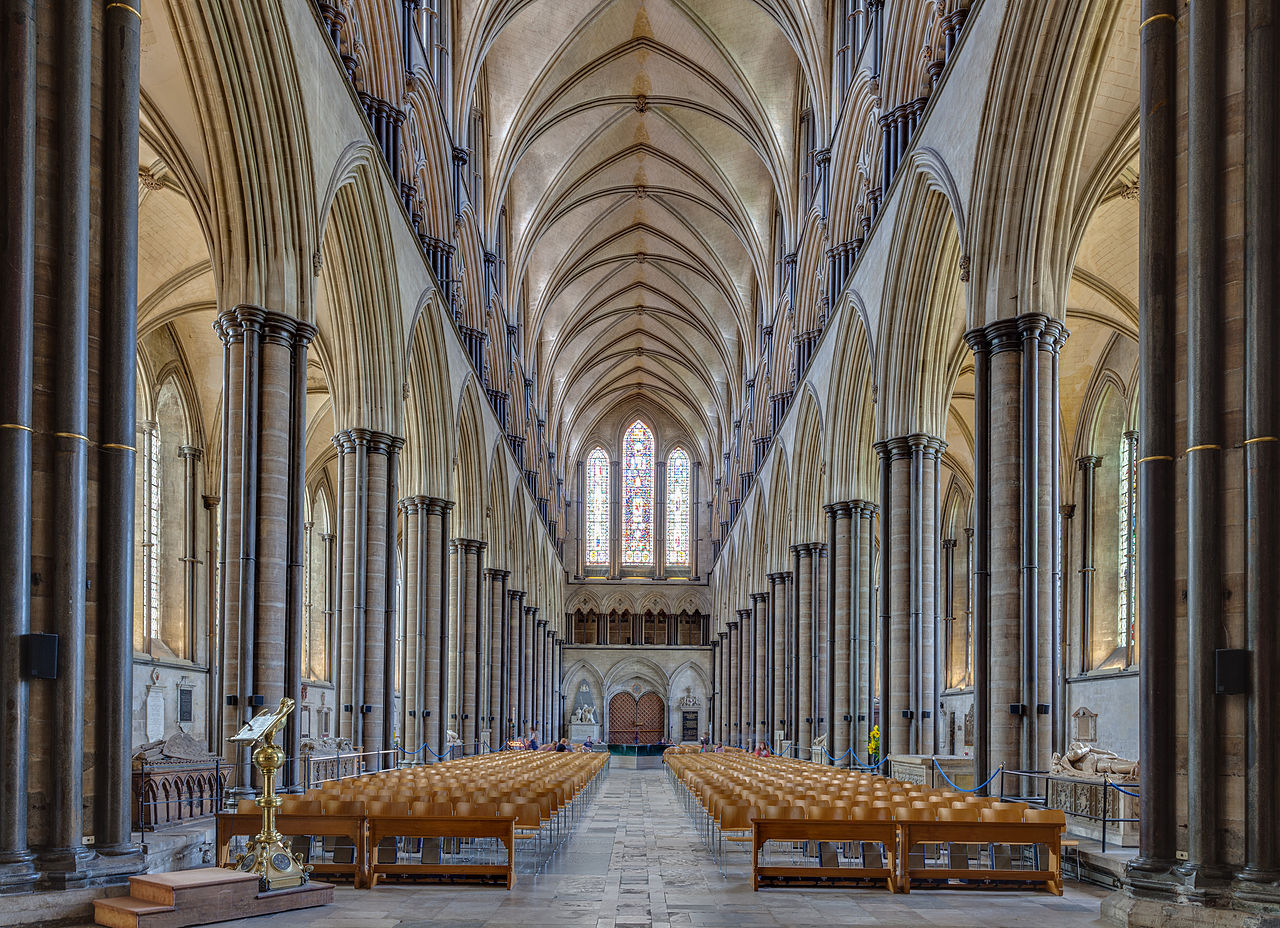
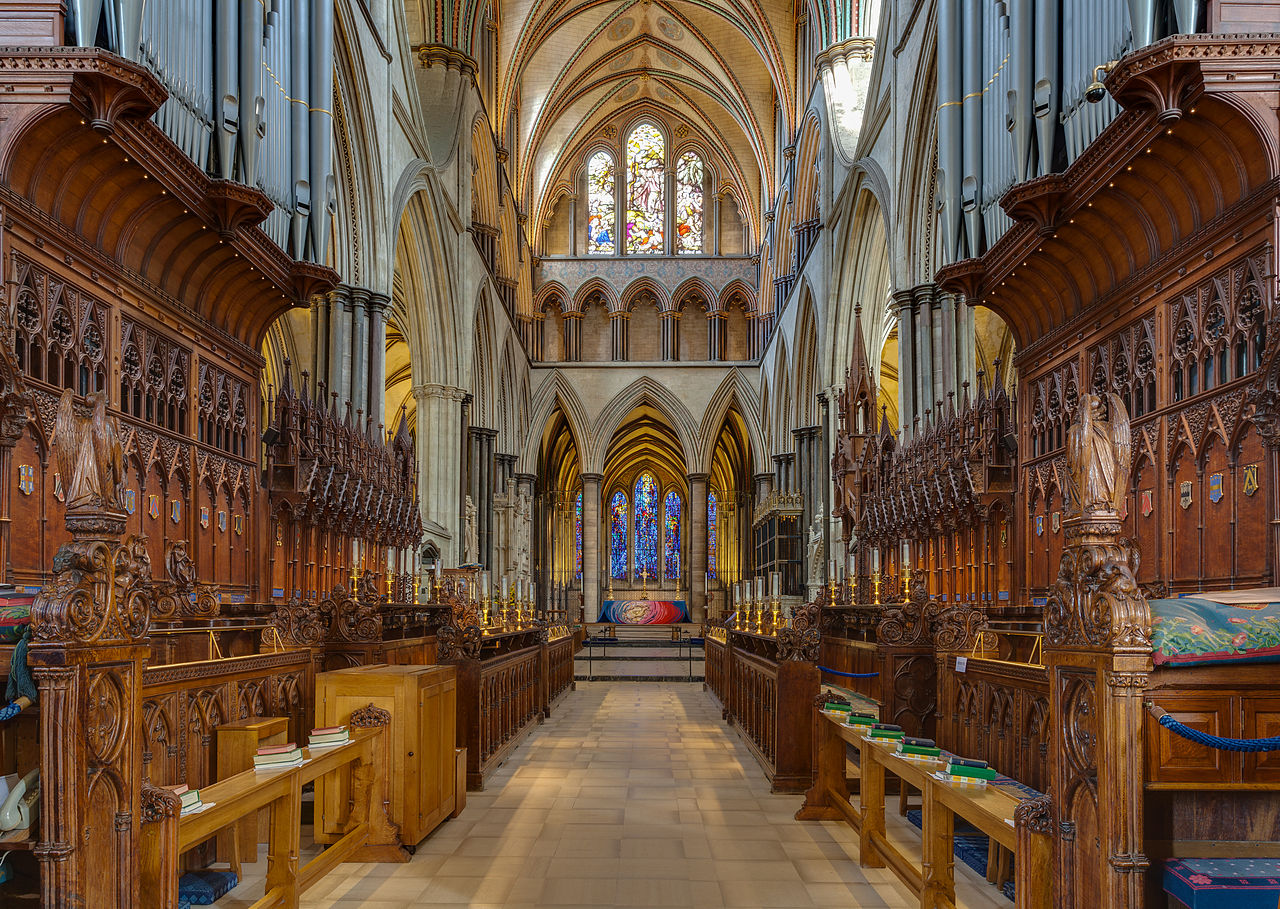
Today, visitors walking through Salisbury Cathedral encounter not only the soaring Gothic architecture but also the monuments of the men who shaped its history.
Among them, the effigy associated with Giles de Bridport continues to invite careful study—reminding us that medieval monuments often hold stories that still await deeper understanding.
Damage to Medieval Monuments
Across England, countless medieval monuments have suffered damage over the centuries. But when you look closely, the outlines that were deliberately removed often belong to a swarthy, aka black, person.
Some destruction happened during periods of religious upheaval, like the English Reformation, and later during the English Civil War, when iconoclasts targeted religious images and monuments. Even in the Victorian era, many monuments were “modified.” But ask yourself—why would anyone need to alter a monument if it looked like them?
Faces were always the most vulnerable. Damaging the nose, lips, or eyes symbolically stripped these monuments of identity and authority. History makes one thing clear: you do not destroy what looks like you.
As a result, many effigies today survive with altered facial features. Yet even with these intentional attacks, the remaining details—broad noses, full lips, coiled hair—still reveal the true appearance of the individuals they commemorate and offer undeniable insight into the swarthy presence in medieval England.
Damage to Medieval Monuments: What They Tried to Hide
Across England, many medieval monuments were deliberately damaged—but the outlines that remain reveal their original swarthy features. Some destruction occurred during the English Reformation, and later during the English Civil War, when iconoclasts attacked religious images. In the Victorian era, “restorations” further altered monuments—but ask yourself: why would anyone modify a monument if it resembled them?
Faces were always targeted. Noses chiselled, lips removed, eyes defaced—these acts symbolically erased identity and authority. History makes one thing undeniable: you do not destroy what looks like you. Even with noses sanded down, lips hacked, or brown paint stripped away, the surviving outlines quietly testify: these were swarthy men and women, part of England’s medieval elite. Giles de Bridport’s effigy stands as a testament to this hidden history, showing that the rulers, clergy, and nobles of England were far more diverse than commonly taught.
“History makes one thing undeniable: you do not destroy what looks like you.”
Guinevere Jackson
Image citation Monument image taken by author and some obtained from Flickr see image description for more information Cathedral images Wikipedia
 Donate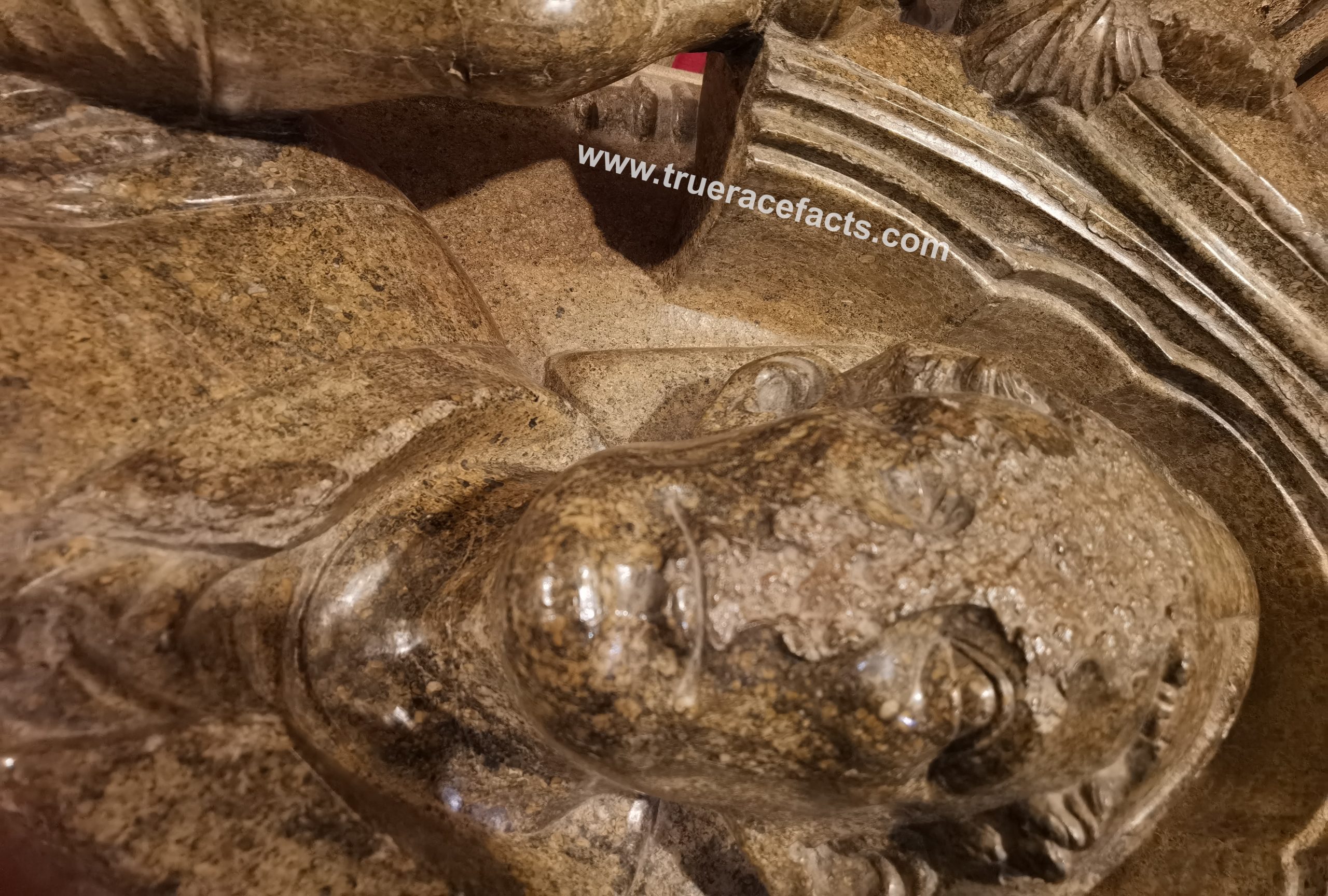
- Ancient Black Briton
- ancient briton
- Anglo Saxon
- baron
- bishop
- Black
- black man
- Black Nobility
- classical
- Deception
- England
- Hebrew
- hidden history
- historical
- iconoclasm
- identity theft
- Israel
- Israelite
- Knight
- Lady
- Landowner
- lies
- Lion of Judah
- medieval
- music
- Negro
- Nobility
- northern kingdom
- Politician
- swarthy
- Theft
- truth
- Wales
- wealthy
- welsh
- welsh black nobility