Sir John Joce of Clearwell and His Wife: Swarthy Nobility in Medieval Gloucestershire
- Guinevere Jackson
- 5 April 2026
- 0 Comment
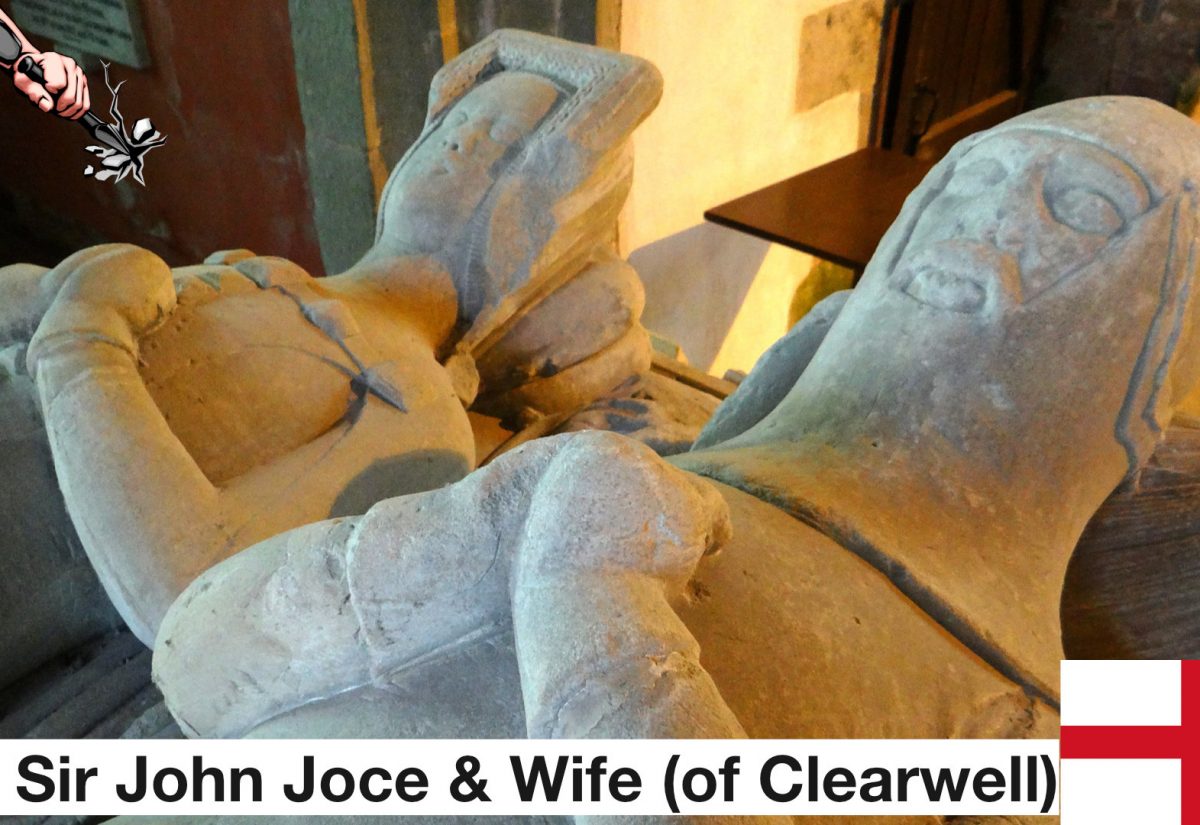
Sir John Joce of Clearwell and His Wife: Swarthy Nobility in Medieval Gloucestershire
Sir John Joce of Clearwell, who died around 1344, was an important Gloucestershire landowner whose family held influence in the Forest of Dean region during the medieval period. His monument, alongside that of his wife who died in 1362, survives today inside All Saints Church, Newland, Gloucestershire, often called the “Cathedral of the Forest.”
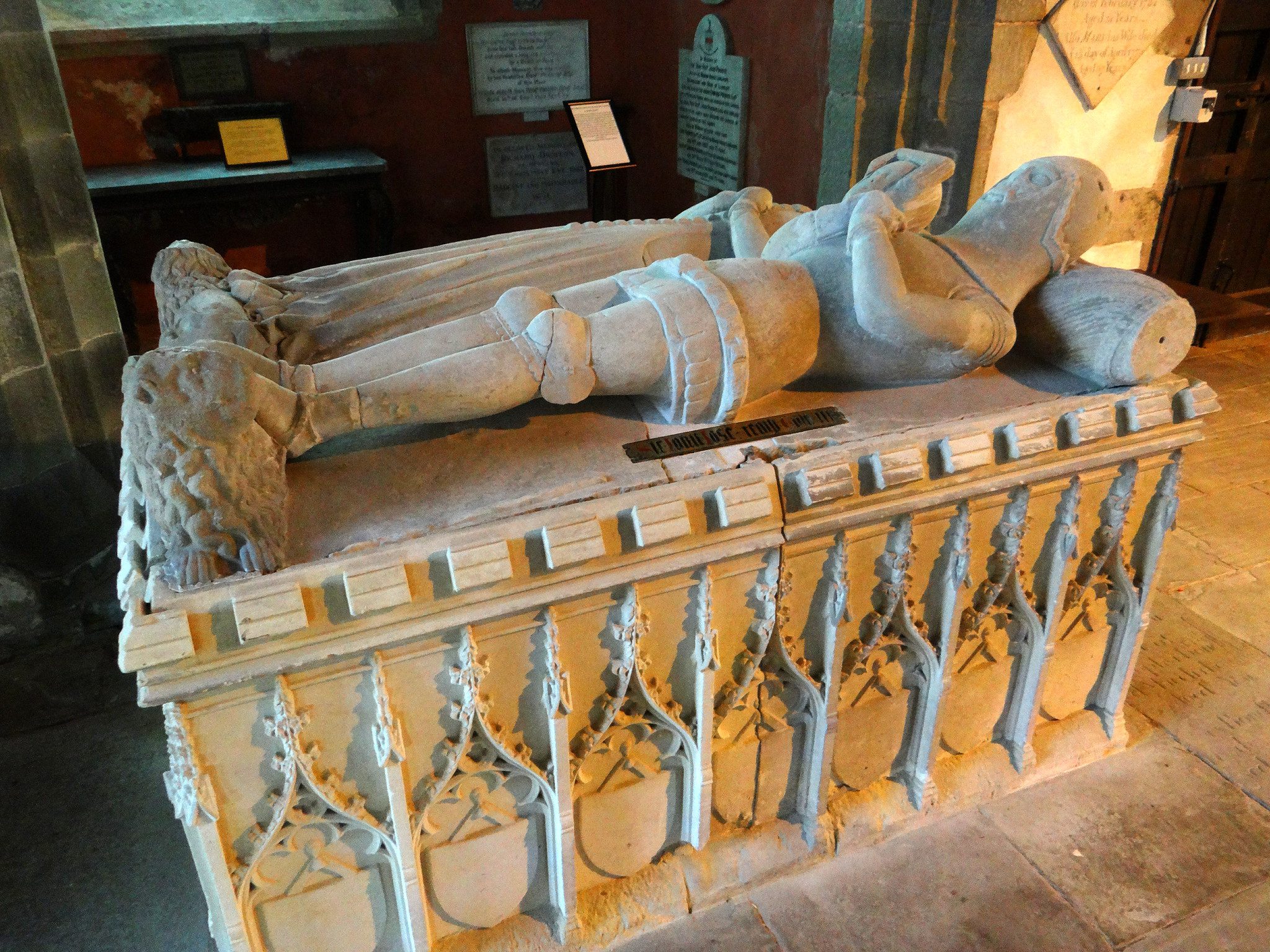
The effigies are believed to date from around 1375, several decades after Sir John’s death, and are among the finest medieval monuments in the region. They are important not only because of their connection to the Joce family and the lordship of Clearwell, but also because of what remains visible in the faces despite centuries of damage.
The Joce Family and the Manor of Clearwell
Sir John Joce was associated with the manor of Clearwell and belonged to a family of standing within Gloucestershire society. Through his daughter and heiress, Margaret Joce, the Clearwell estate later passed into the Greyndour family through marriage.
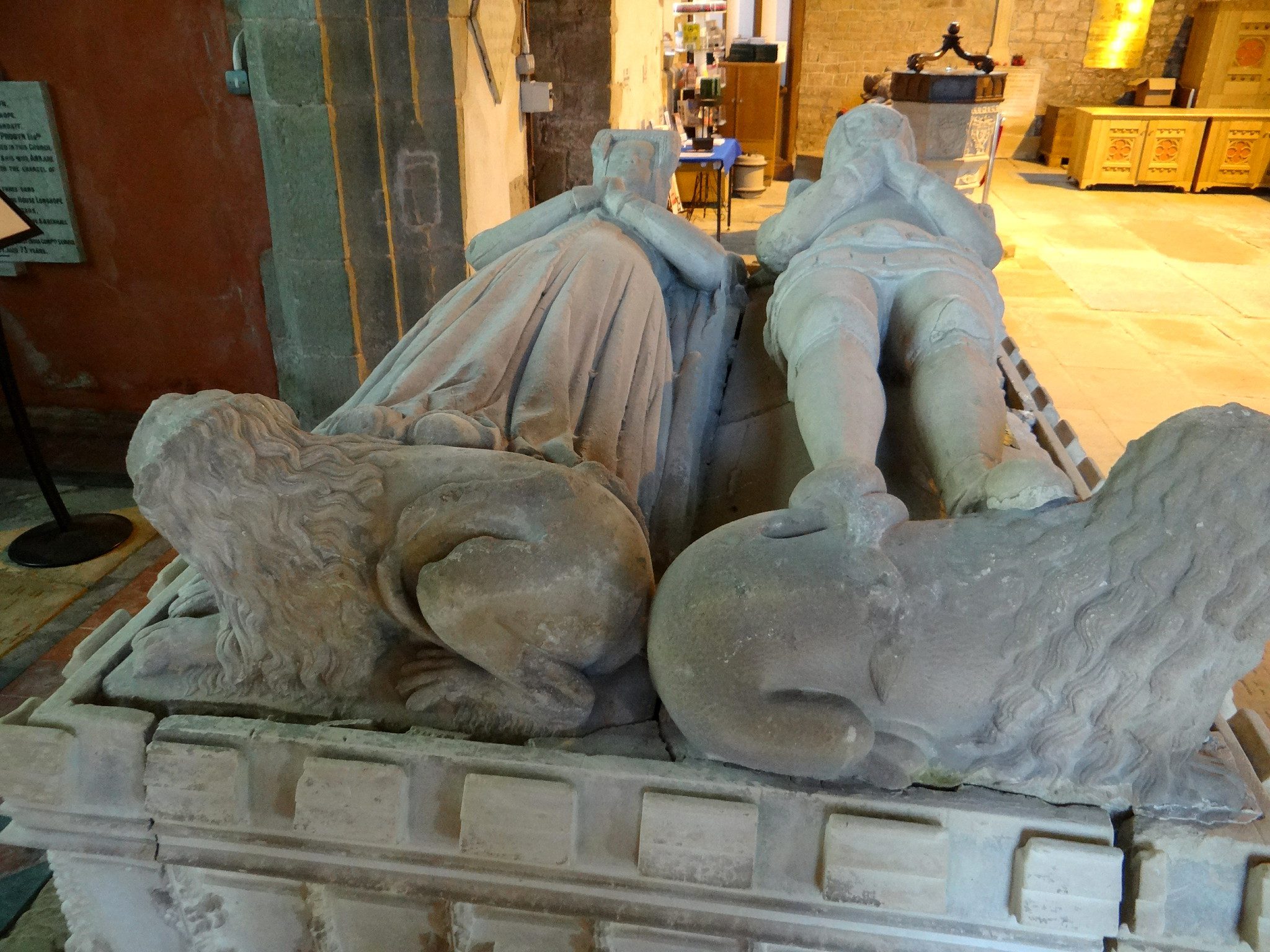
The Joce family would have been part of the local knightly class, controlling land, wealth, and influence across the area. Their position in society was reflected in the grandeur of their monument, which shows both Sir John and his wife lying side by side in prayer.
Sir John is shown wearing armour with his head resting on a helmet, while both husband and wife have lions at their feet, symbols of nobility, courage, and status.
The Monument at All Saints Church, Newland
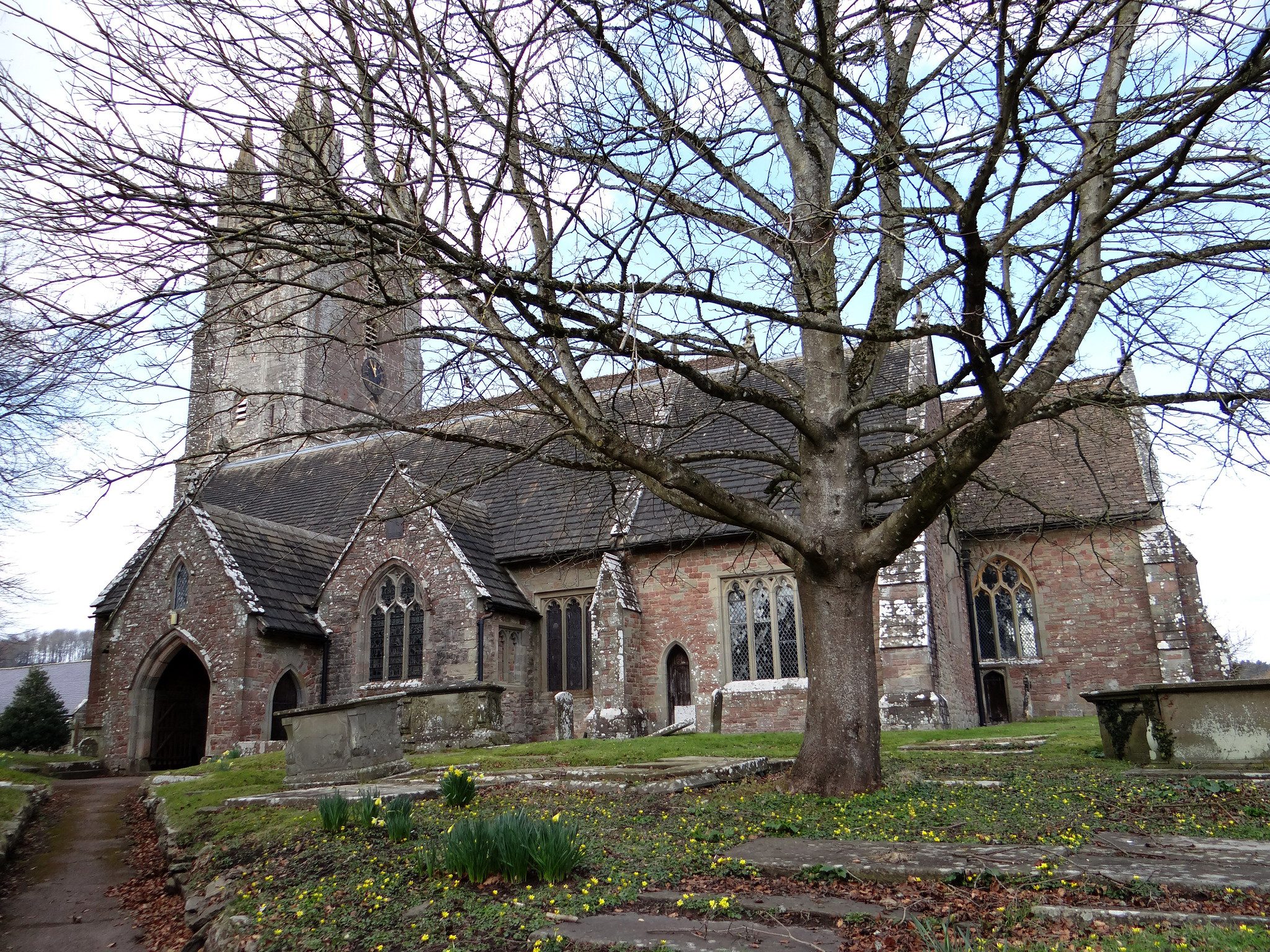
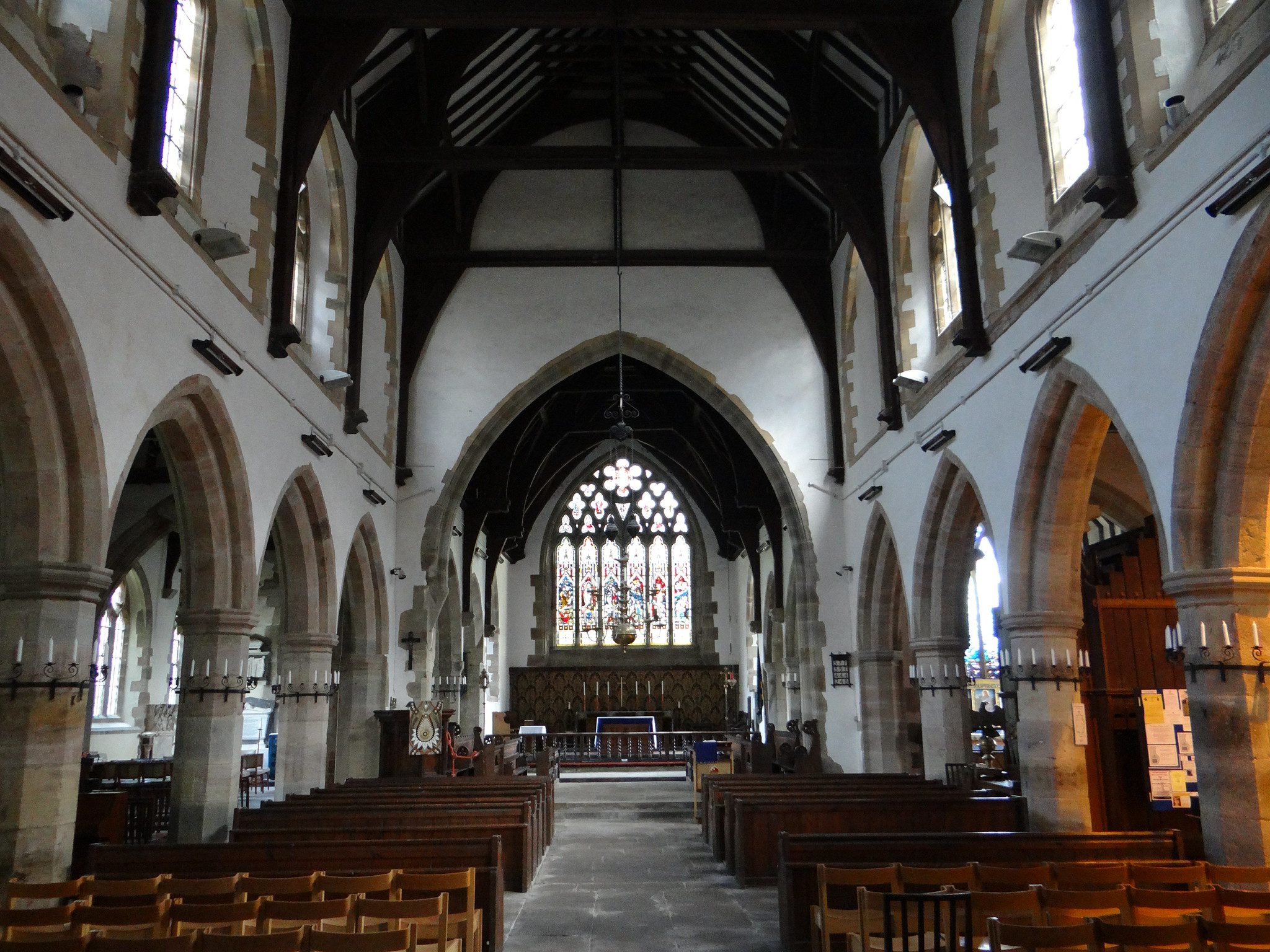
The tomb of Sir John Joce and his wife is located inside All Saints Church, Newland, Gloucestershire. The church itself is one of the most important medieval churches in the Forest of Dean and is often referred to as the “Cathedral of the Forest” because of its impressive size and architecture.
The monument likely once stood in a more prominent chantry chapel setting before being moved within the church over the centuries.
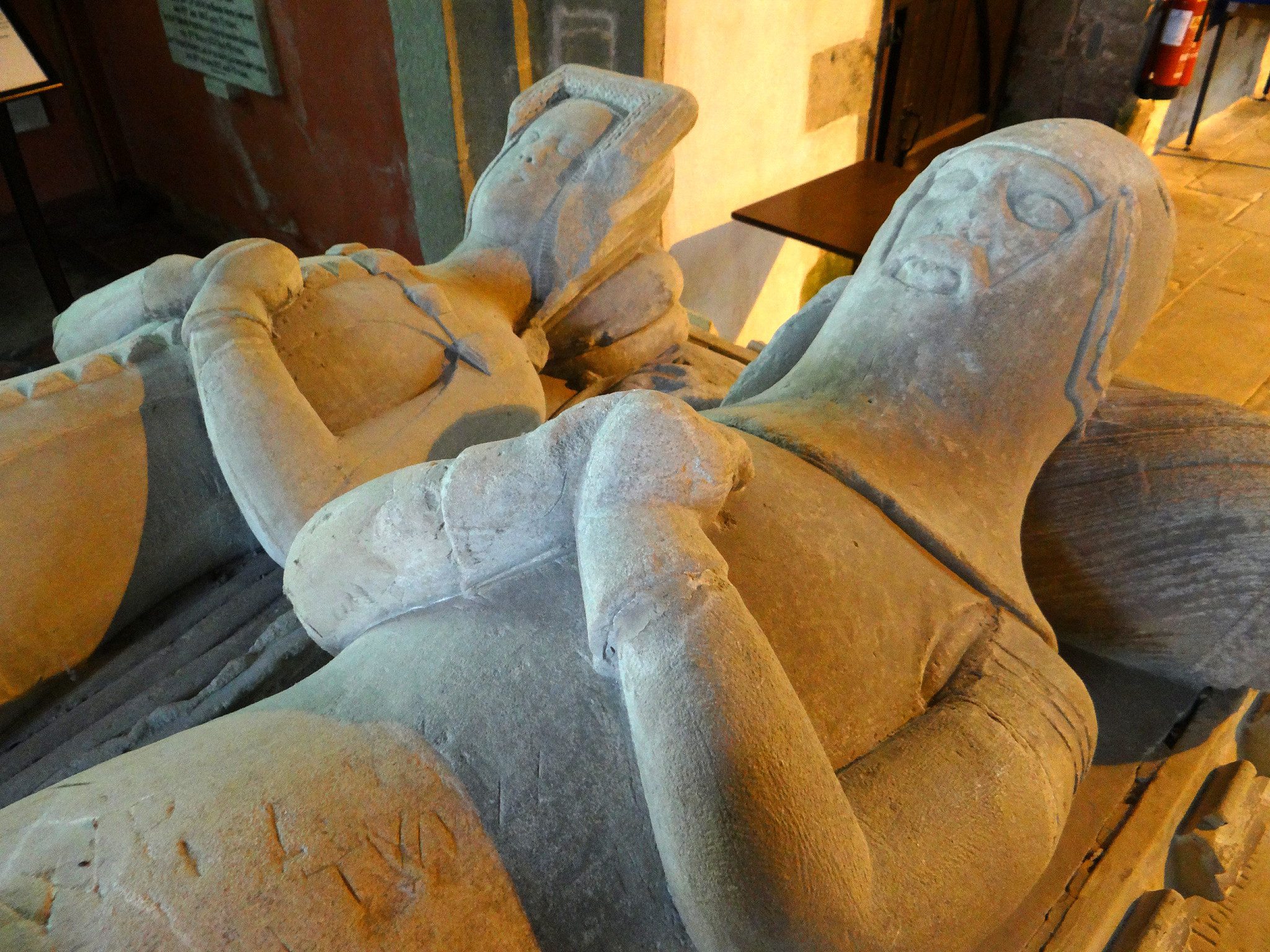
Although the monument remains largely intact, the faces of both Sir John and his wife show signs of alteration. The nose and lips of Sir John appear to have been sanded or chiselled down, but the original outline remains visible. Even with the damage, the monument still presents the features of a swarthy man, with a broad nose and full lips that remain clear beneath the attempts to erase them.
The same can be said for his wife. Her facial features have also been altered, with the nose and lips deliberately reduced, but the remaining outline still suggests a swarthy appearance.
As with many medieval monuments across England, the faces appear to have been targeted in a way that goes beyond simple wear and tear. Faces were often the first thing attacked because removing the facial features removed the identity of the person being commemorated.
Damage to Medieval Monuments
Across England, many medieval monuments have experienced damage over the centuries. But when you look closely at many of the monuments, you will see that the outlines that were removed are often those of swarthy people.
Some destruction occurred during periods of religious upheaval such as the English Reformation and later during the English Civil War, when religious images and monuments were attacked by iconoclasts. During the Victorian era, many monuments were modified, but why would you need to modify a monument if it looks like you?
Faces were particularly vulnerable targets. Removing facial features symbolically stripped monuments of their identity and authority. It is important to remember: you do not destroy what looks like you.
As a result, many effigies today survive with damaged noses, eyes, lips, or other facial elements. Yet even with such alterations, the remaining details can still provide valuable insight into how medieval sculptors represented the individuals they commemorated.
While the full story behind the alteration may never be known with certainty, the effigy of Sir John Joce continues to invite closer examination. What is very clear in history is: YOU DO NOT DESTROY WHAT LOOKS LIKE YOU.
Conclusion
The monument of Sir John Joce of Clearwell and his wife remains one of the most fascinating surviving medieval effigies in Gloucestershire. It speaks not only of wealth, nobility, and land ownership, but also of the enduring struggle over how the past is remembered.
Even after centuries of damage, the monument still preserves enough detail to raise important questions about identity, representation, and the people who once held power in medieval England.
“Even beneath the damage of time and deliberate alteration, the monument of Sir John Joce still speaks. The outline of his broad features, the strength of his presence, and the noble bearing of his effigy all remain. History may be chiselled, sanded, and rewritten, but stone still remembers.”
Guinevere Jackson
Image citation Flickr
 Donate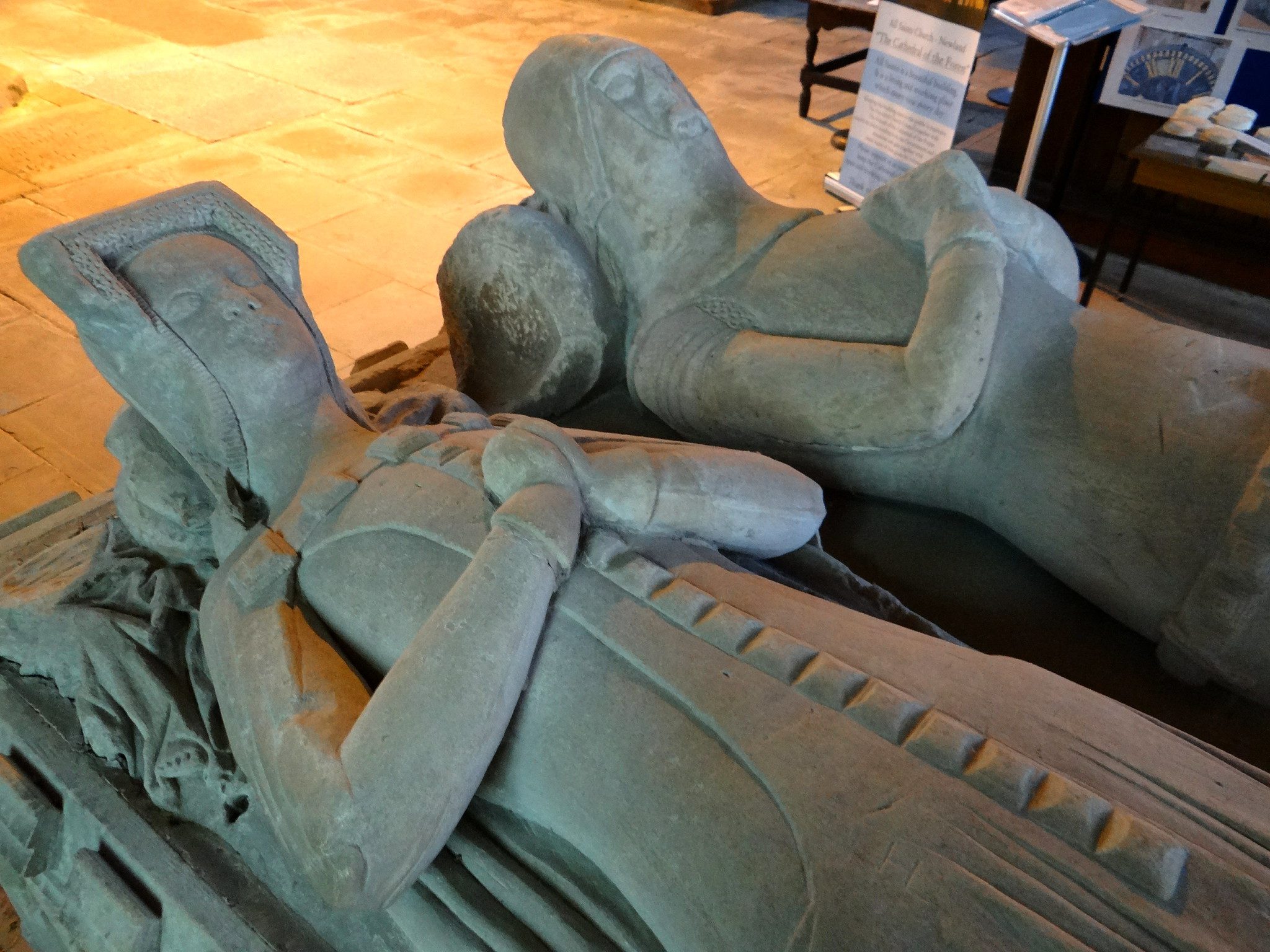
- Ancient Black Briton
- ancient briton
- Anglo Saxon
- baron
- bishop
- Black
- black man
- Black Nobility
- classical
- Deception
- England
- Hebrew
- hidden history
- historical
- iconoclasm
- identity theft
- Israel
- Israelite
- Knight
- Lady
- Landowner
- lies
- Lion of Judah
- medieval
- music
- Negro
- Nobility
- northern kingdom
- Politician
- swarthy
- Theft
- truth
- Wales
- wealthy
- welsh
- welsh black nobility