Sir Ralph Verney (d.1528) and Lady Eleanor: Court Service, Noble Land, and the Verney Legacy
- 3 May 2026
- 0 Comment
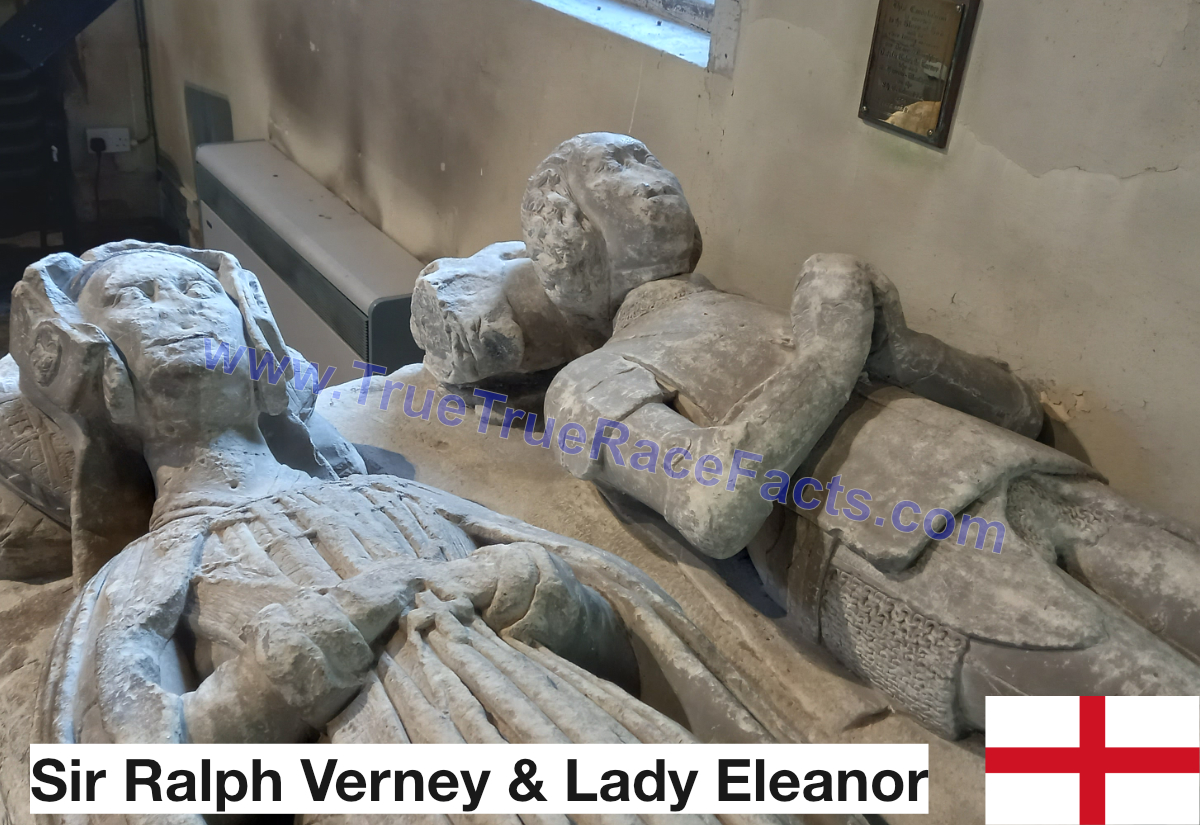
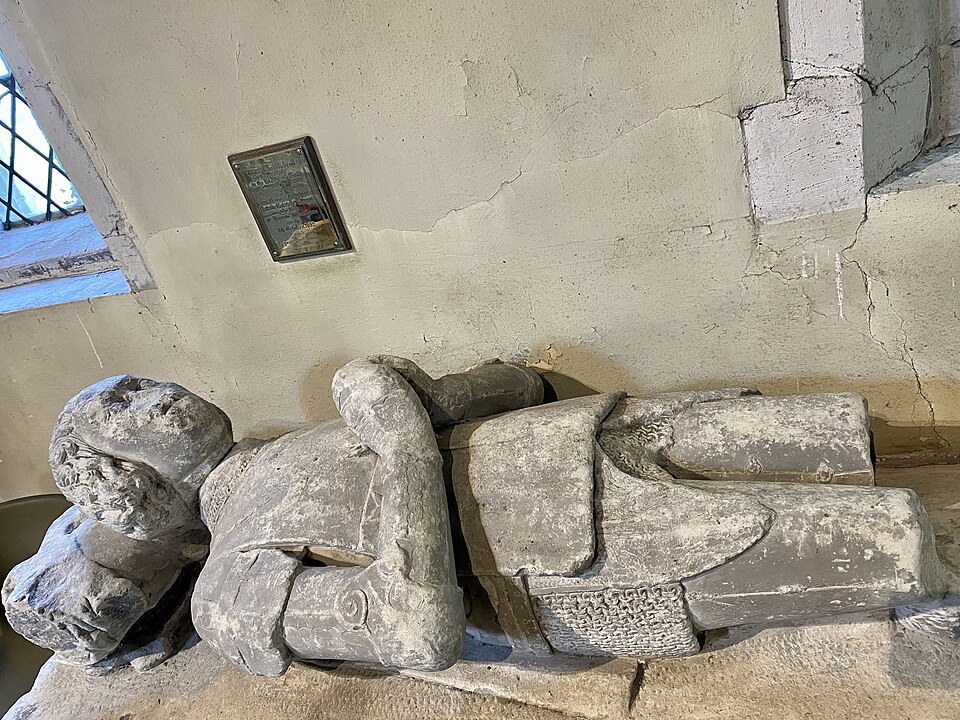
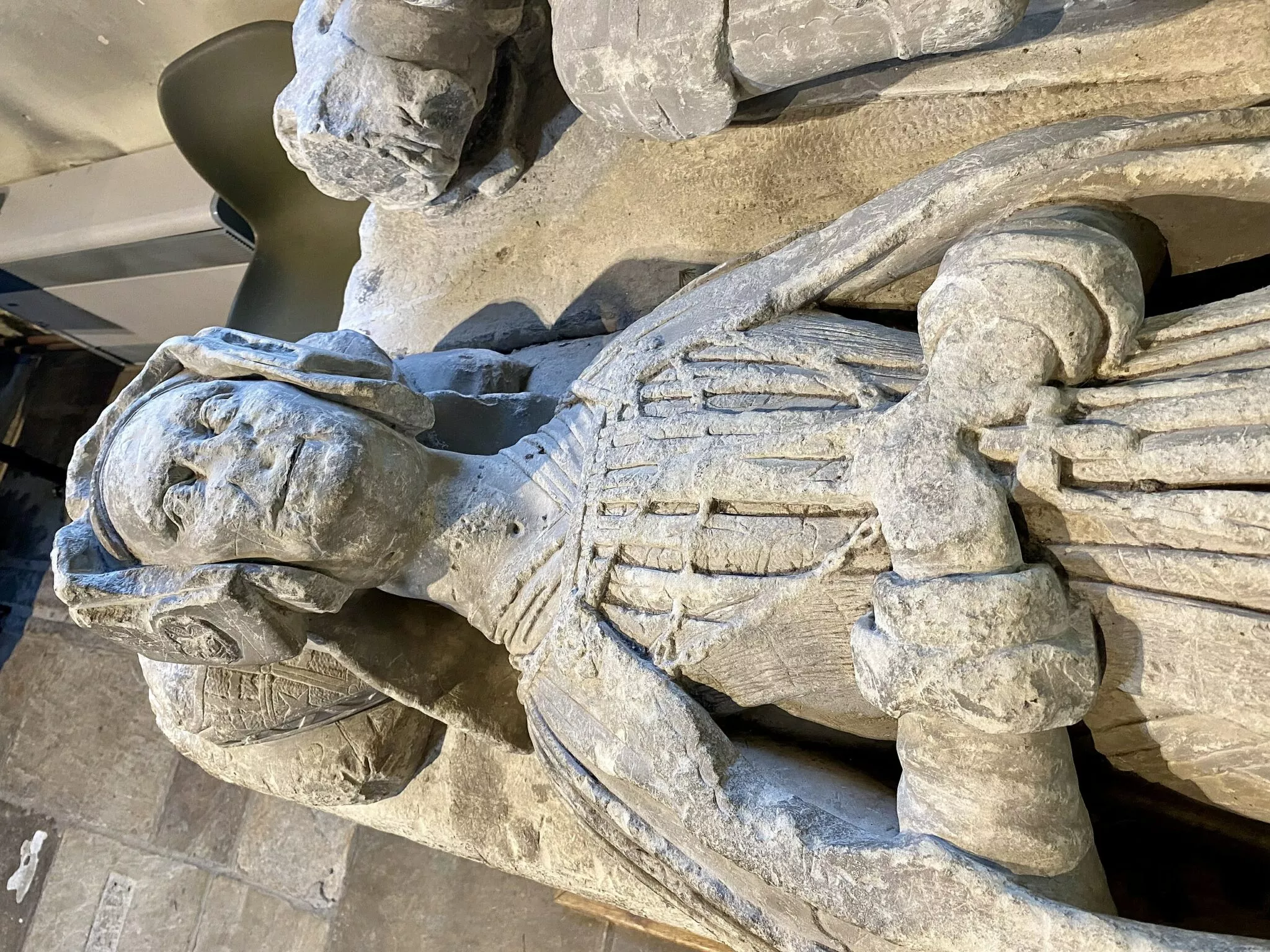
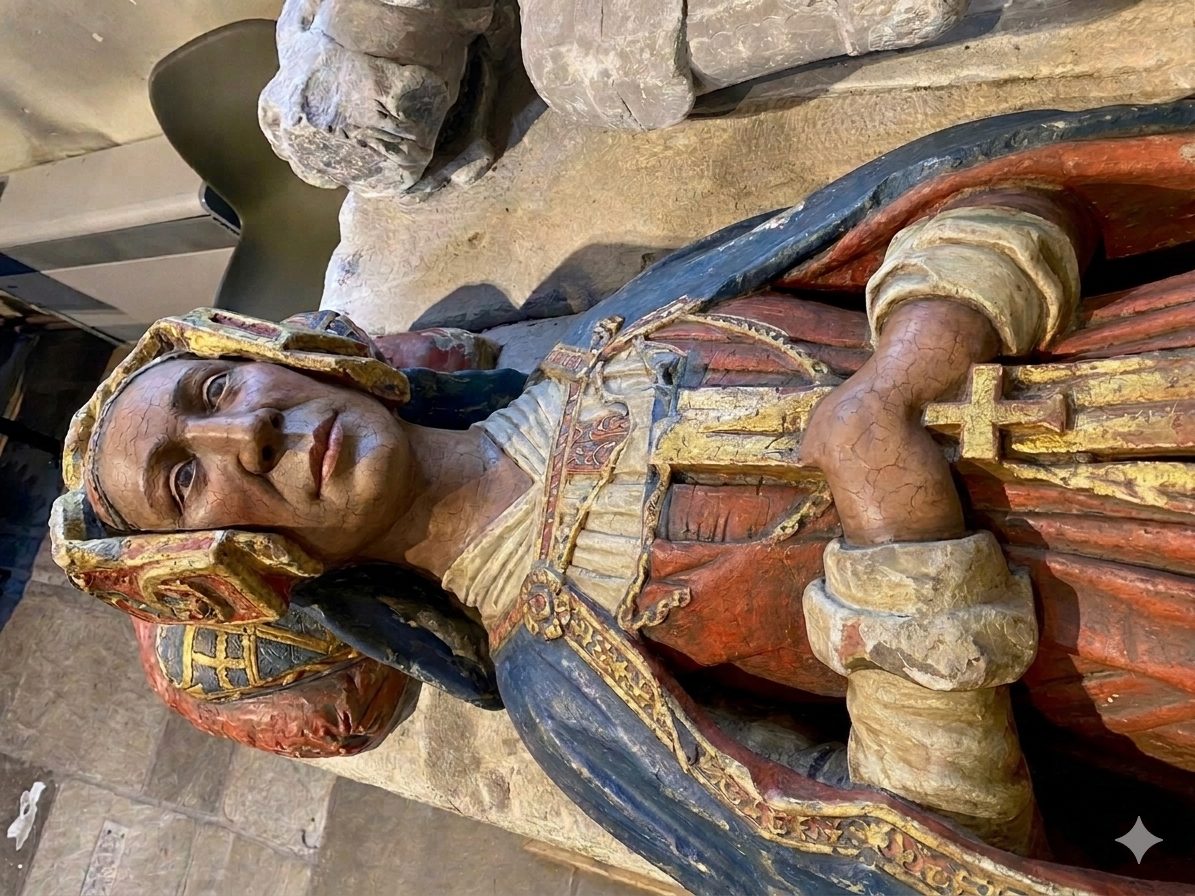
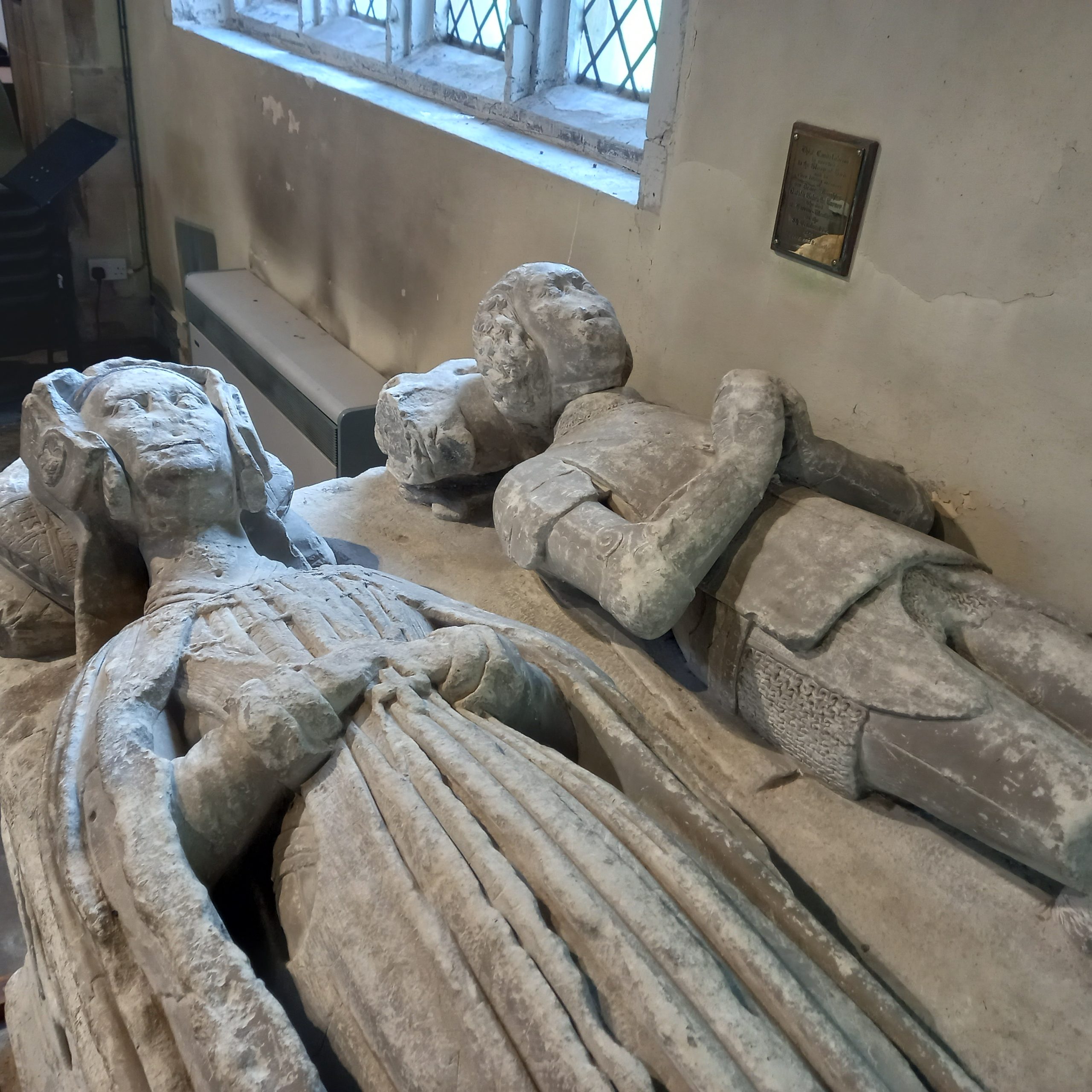
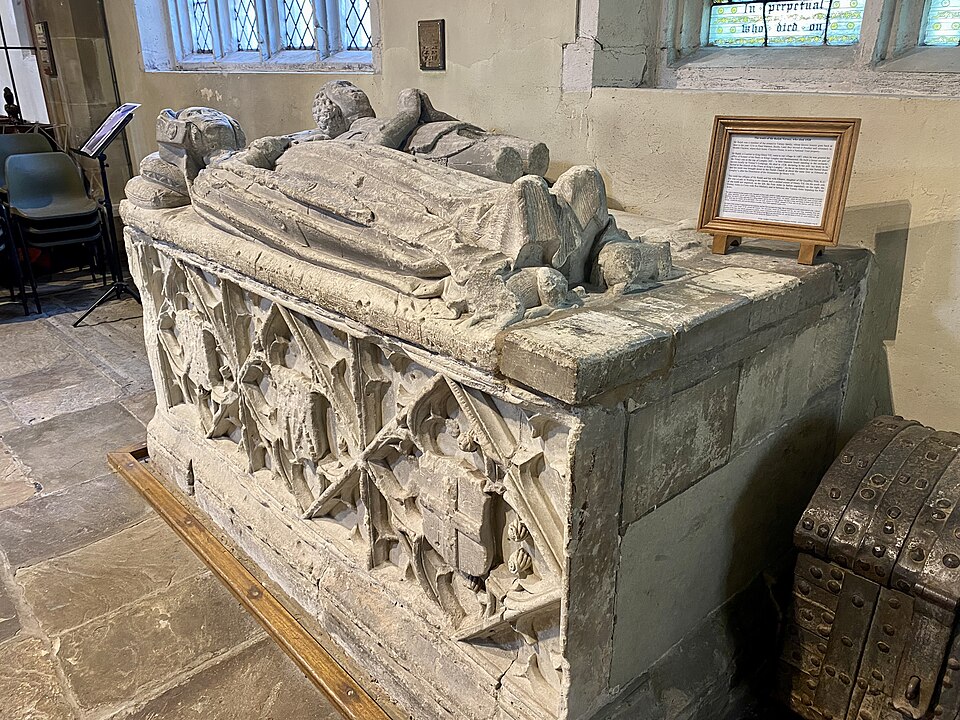
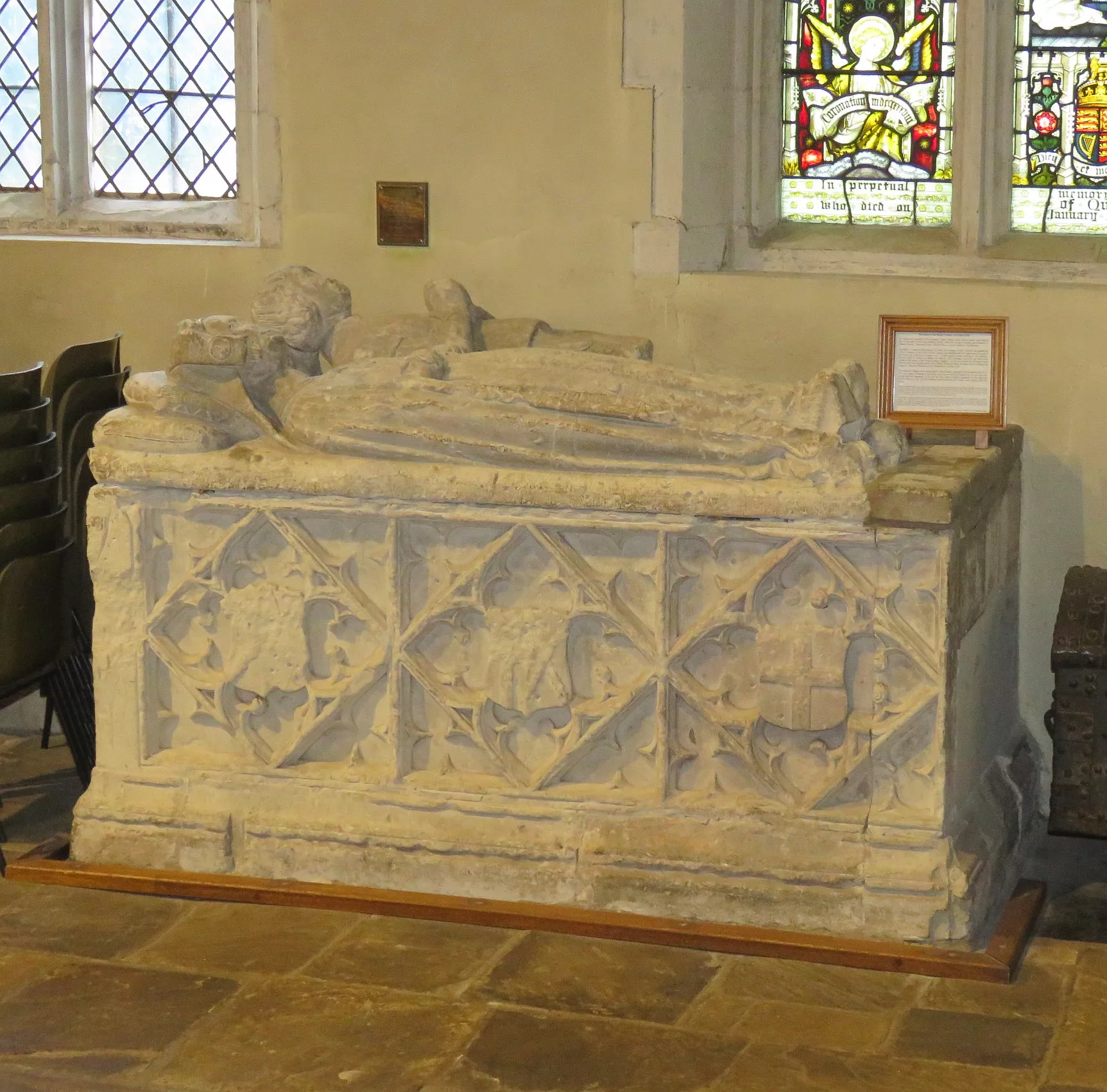
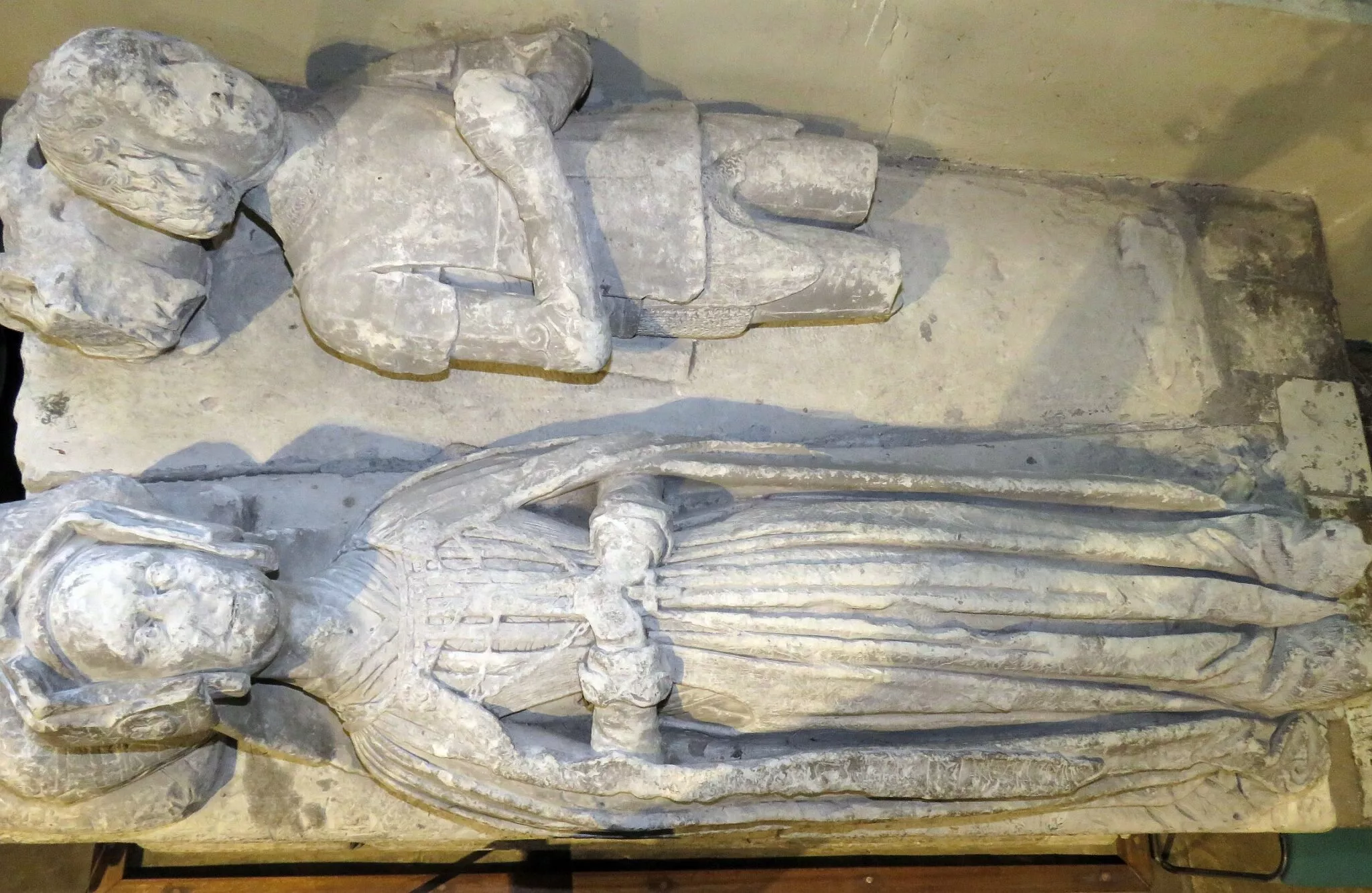
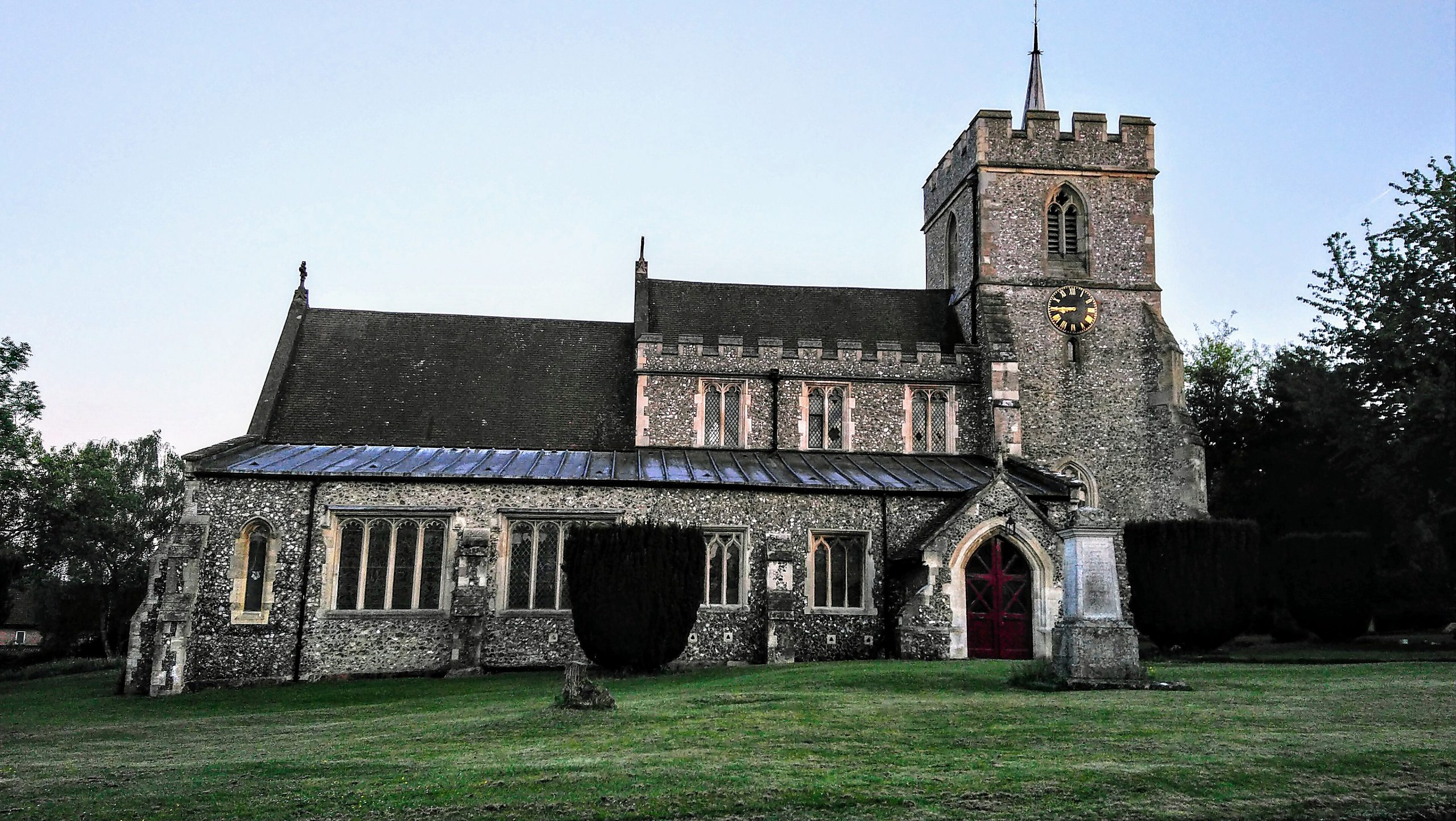

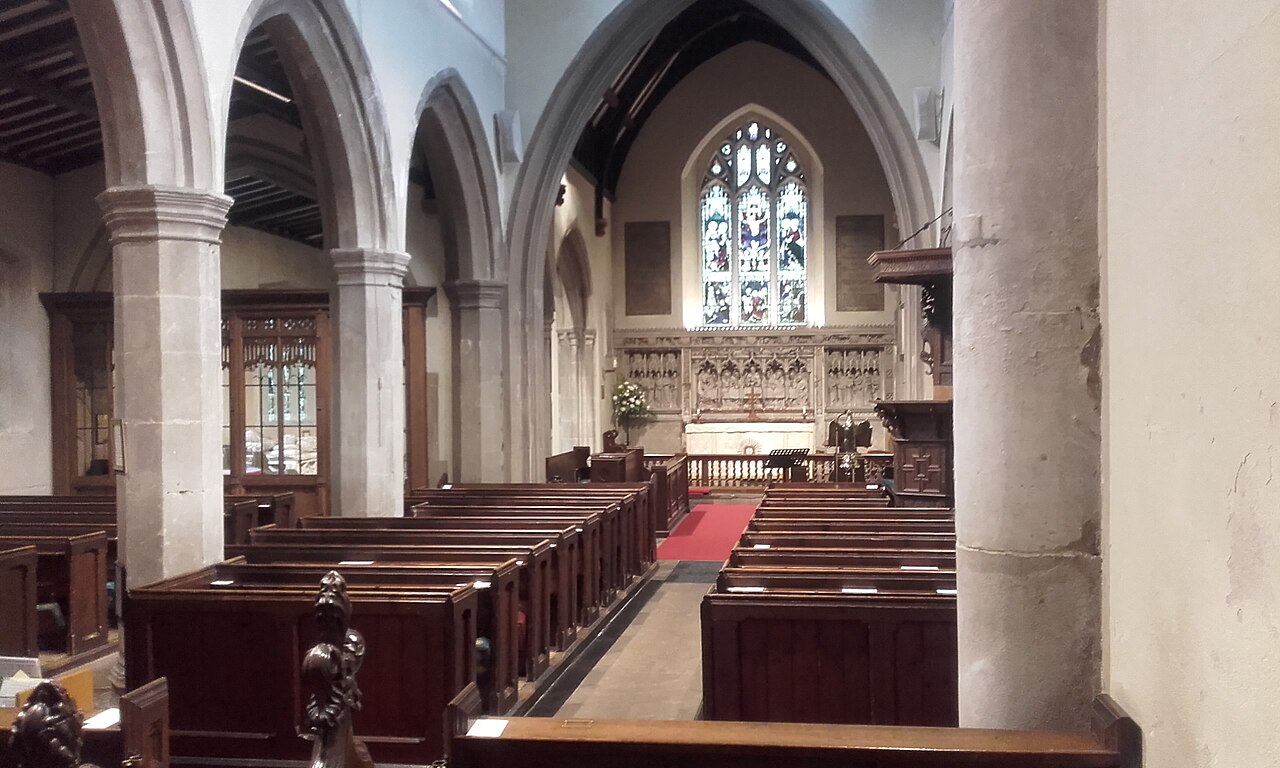
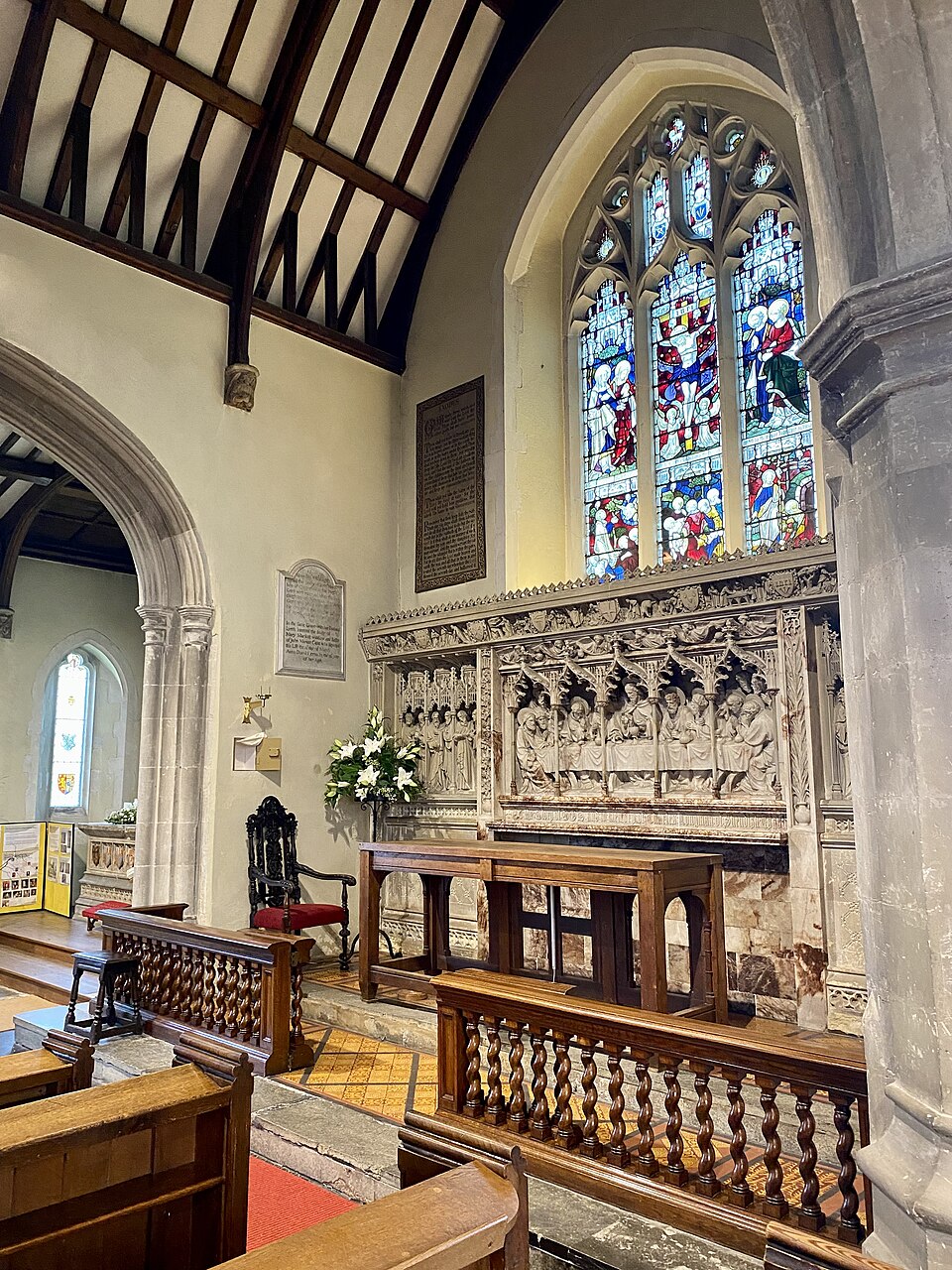
The effigies of Sir Ralph Verney (d.1528) and his wife Lady Eleanor lie within All Saints Church, a medieval parish church situated in a village once closely connected to royal power. Kings Langley itself was home to a significant medieval royal palace used by English monarchs including Edward I and Edward II, placing the church within a wider landscape of courtly and aristocratic influence.
The Verney monument reflects a family embedded in the structures of late medieval and early Tudor governance. Sir Ralph Verney served within the orbit of the Tudor royal household, associated with prominent royal figures including Margaret Tudor, Queen of Scotland, and Mary Tudor, later Queen of France. His position places him within the administrative and ceremonial elite who supported the functioning of the early Tudor monarchy.
Lady Eleanor Verney held an equally important position within the royal household as a lady-in-waiting. She is recorded as serving Elizabeth of York and later Margaret Tudor, roles reserved for women of established gentle or noble birth. These positions placed her within the intimate domestic and political sphere of queenship, where trust, status, and lineage were essential.
The Verney Family: Land, Movement, and Power
The Verney family were a long-established gentry house with estates and influence across multiple counties. By the 1460s they had acquired the manor of Middle Claydon in Buckinghamshire, which became the principal seat of the family and remains associated with them today at Claydon House.
Earlier branches of the family were seated at Fleetmarston in Buckinghamshire and later at Pendley in Hertfordshire, demonstrating a gradual expansion and relocation of landholdings across generations.
It is important to distinguish this lineage from the unrelated Verney family of Compton Verney in Warwickshire, who represent a separate and distinct noble house.
The Buckinghamshire Verneys rose through a combination of land acquisition, court service, and administrative involvement in royal government, securing their position within the English gentry class.
The Effigy and Its Condition
The effigies of Sir Ralph and Lady Eleanor are carved in recumbent form, dressed in the formal attire of their status. While the monument survives structurally in reasonable condition, the facial detail has been significantly affected by time.
The original surface paint has been lost, and the facial features have been softened through erosion and possible later restoration. The nose and lips now survive primarily as outlines rather than sharply defined forms.
Despite this, the underlying sculptural structure remains readable. The proportions of the face still indicate the original intent of the medieval sculptor, preserving enough detail to allow modern interpretation.
Modern Reconstruction of the Effigies
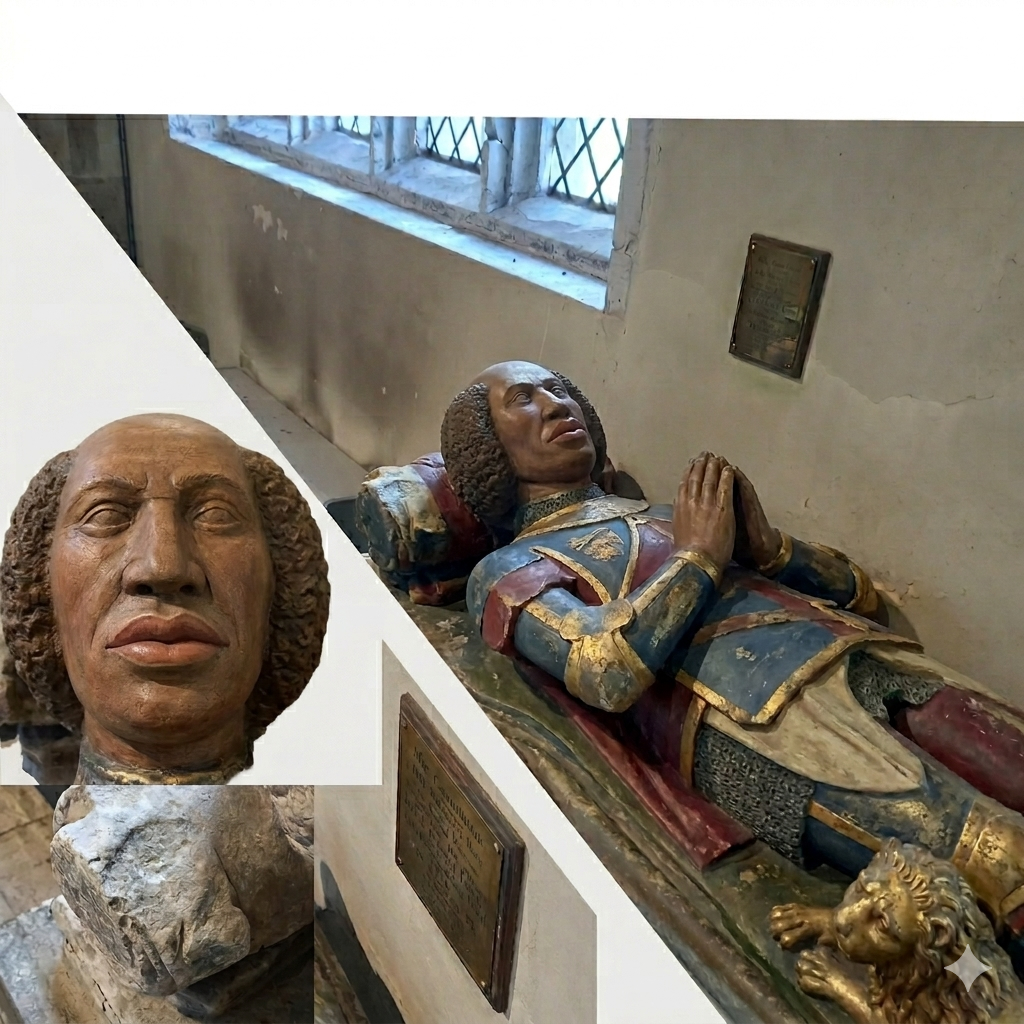
A modern digital reconstruction based on the surviving outlines of the effigies has been created to explore how Sir Ralph and Lady Eleanor may have originally appeared before centuries of surface loss.
This reconstruction is derived from the visible structure of the nose, lips, and cheek contours still present in the stone. The resulting facial form shows fuller lip definition and a broader nasal structure than what is currently visible on the weathered effigy.
Rather than altering history, this reconstruction aims to restore the original sculptural intention as closely as possible, offering a visual interpretation of how the monument may have appeared when first completed.
Conclusion
The Verney effigies at Kings Langley represent more than a memorial to two individuals. They reflect the wider story of a family deeply embedded in Tudor court life, regional landholding, and the shifting structures of English nobility.
From Buckinghamshire estates to Hertfordshire church monuments, the Verneys demonstrate the interconnected nature of service, land, and status in early Tudor England.
Their monument continues to offer valuable insight into both historical identity and the way medieval sculpture preserves — even in damaged form — traces of its original meaning.
“In every chipped surface and softened feature, history lingers—quietly holding the memory of those who once stood in power and presence.”
Guinevere Jackson
Image citation thetudortravelguide, Flickr and Wikipedia
 Donate