Sir Hugh Mortimer: A Noble Lineage Preserved in Stone
“Stone remembers long after kingdoms fall. Sometimes it also remembers what others tried to erase.”
Throughout England’s medieval churches lie the silent memorials of knights, nobles and benefactors whose lives helped shape the history of the nation. Their effigies were never intended as mere decoration. They were monuments to lineage, status, faith and remembrance, carefully carved so that future generations would know exactly who these men and women were.
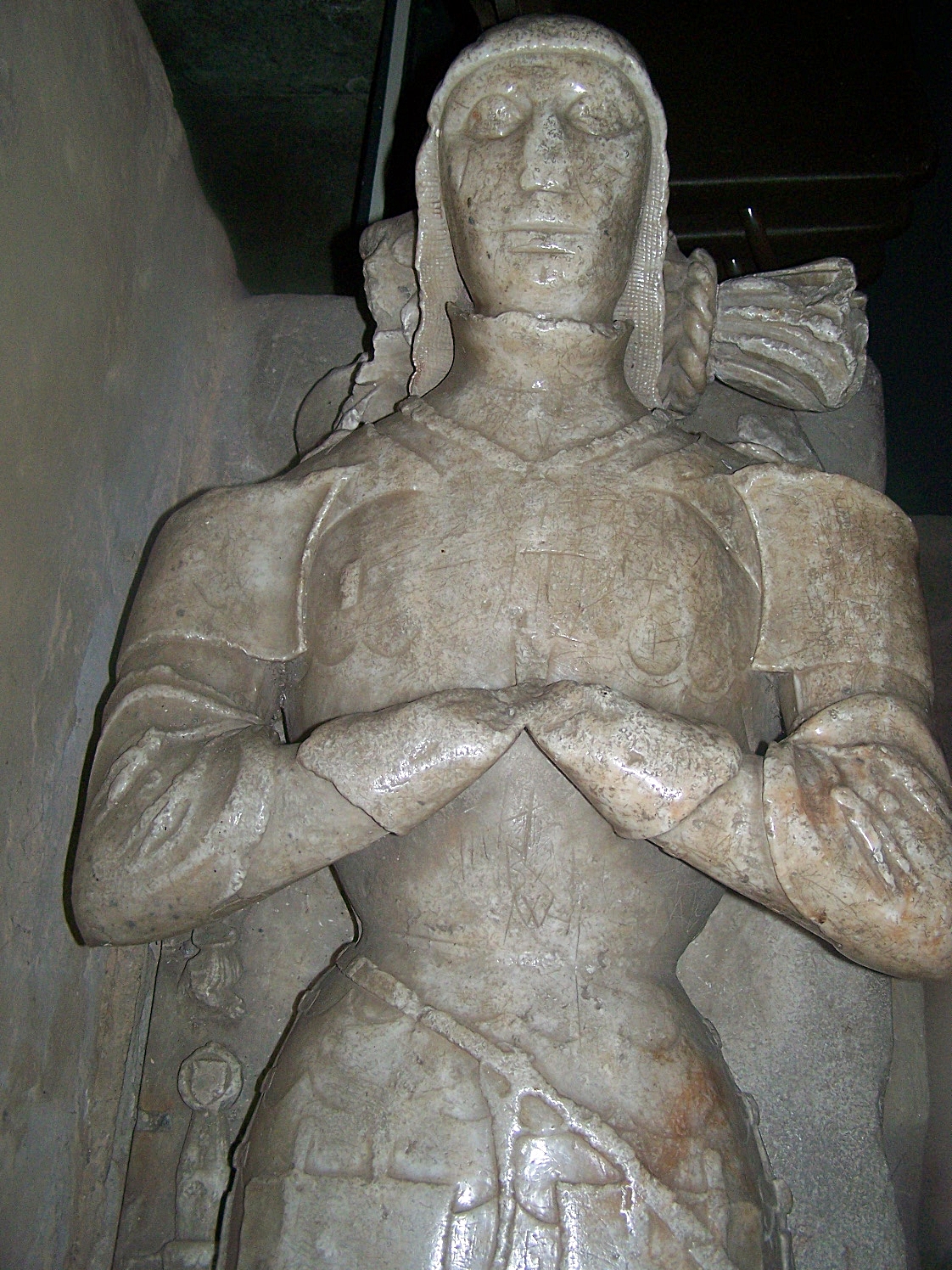
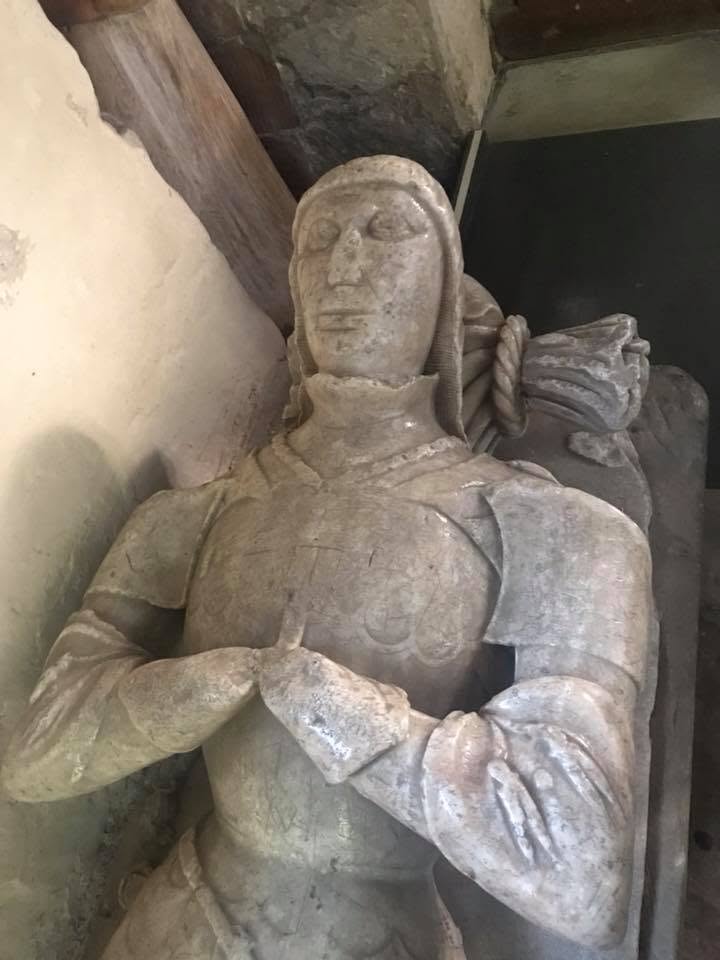
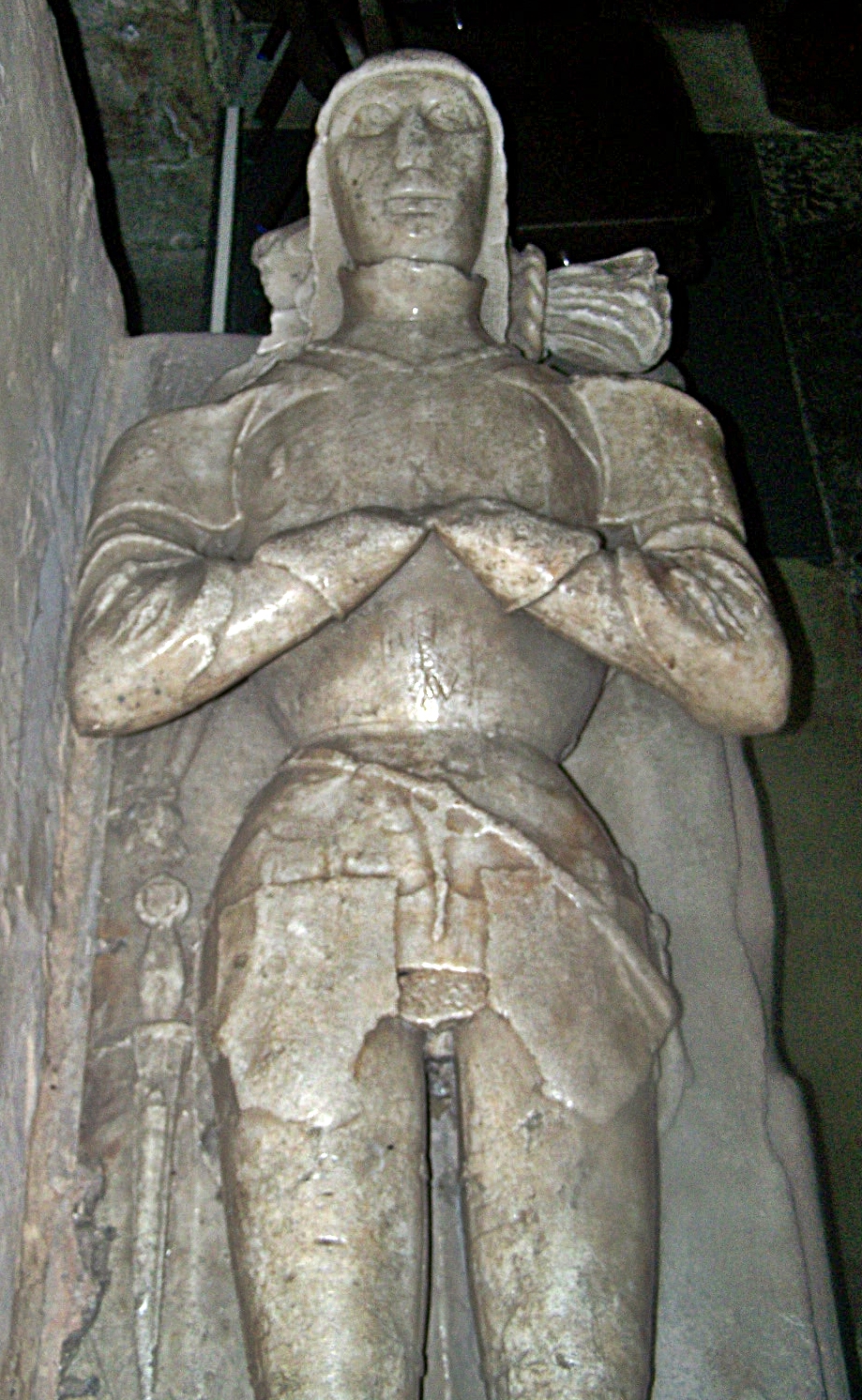
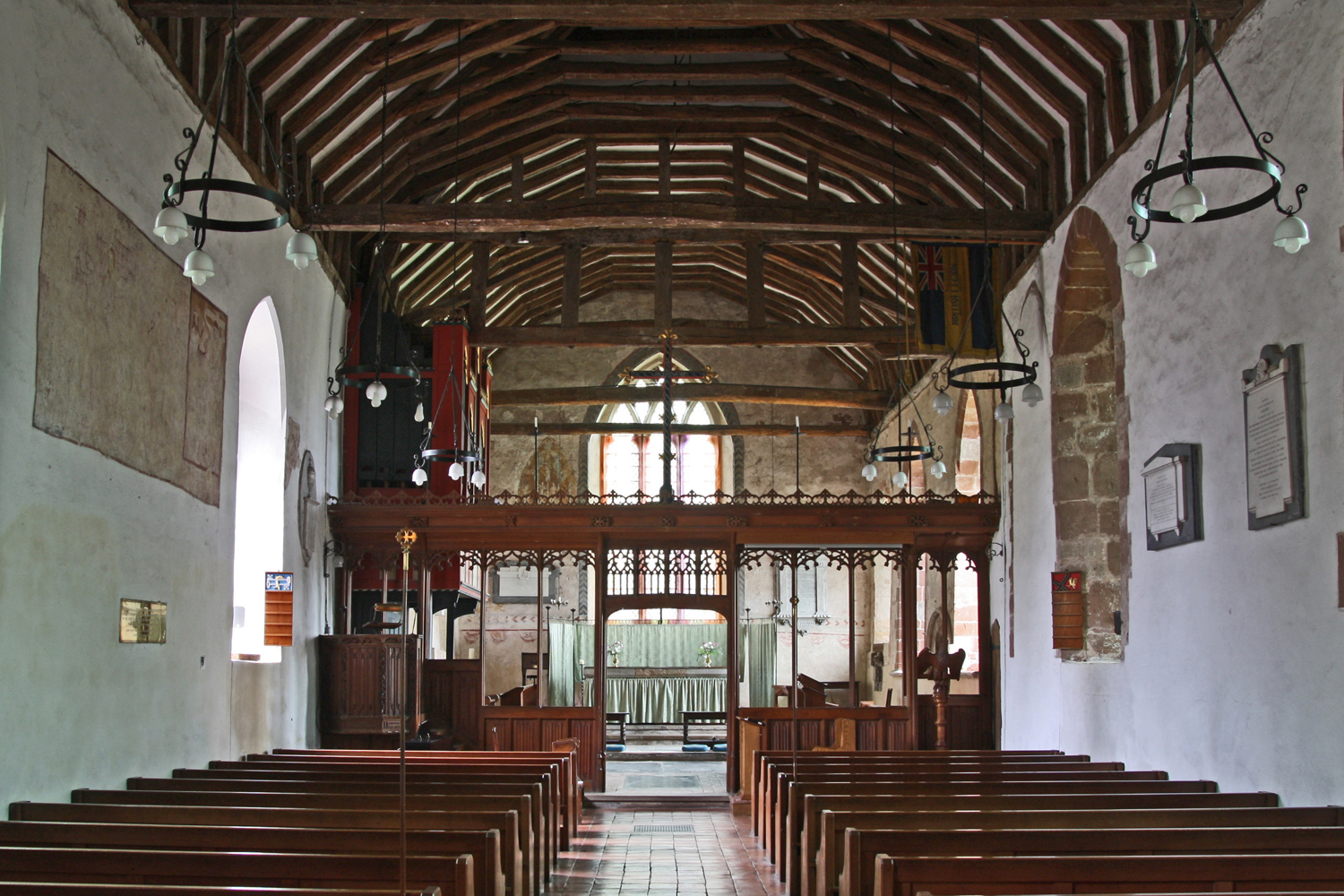
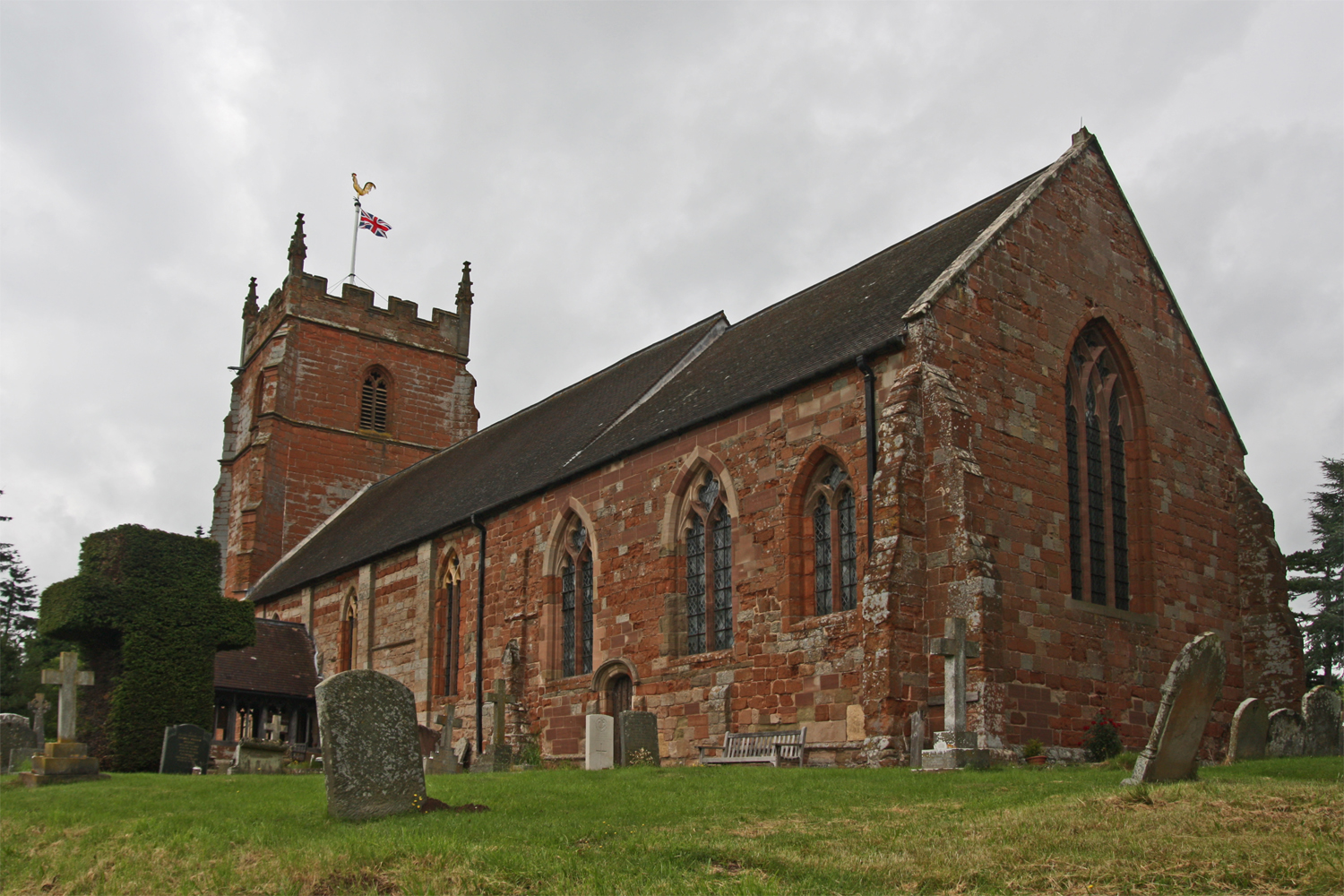
One such monument survives at St Peter’s Church, Martley, Worcestershire.
Although absolute certainty is impossible, historians widely believe this remarkable effigy represents Sir Hugh Mortimer, a descendant of one of England’s greatest noble families. Today, the monument raises as many questions as it answers—not only about the man himself, but also about what later generations may have done to the face carved in his honour.
The House of Mortimer
To understand Sir Hugh Mortimer, one must first understand the family into which he was born.
The Mortimers were among the most influential noble dynasties of medieval England. For centuries they controlled vast estates across the Welsh Marches, held powerful lordships, commanded armies, advised kings and built some of the country’s greatest castles. Their wealth, political influence and military reputation placed them among the highest ranks of the English nobility.
Sir Hugh Mortimer descended from Sir Roger Mortimer of Chirk (d.1326), a distinguished member of this powerful family whose lineage stretched back generations. By Hugh’s lifetime, the Mortimer name already carried enormous prestige throughout England and Wales.
As Lord of the Manor of Martley, Hugh possessed considerable wealth and standing within the county of Worcestershire. He is widely believed to have financed significant building work at St Peter’s Church around 1455, becoming one of its principal benefactors.
Men of this status did not commission ordinary memorials.
Their monuments were designed to proclaim family honour, noble ancestry and social standing for centuries after their deaths.
A Knight of the House of York
Sir Hugh lived during one of the most turbulent periods in English history—the Wars of the Roses.
A loyal supporter of his distant cousin, Richard, Duke of York, Hugh fought for the Yorkist cause and was killed at the Battle of Wakefield on 30 December 1460.
His death came during a conflict that would change the English monarchy forever.
Whether his body was recovered from the battlefield remains unknown. It is entirely possible that he was buried among the many casualties of Wakefield rather than within St Peter’s Church itself.
The original tomb has long since disappeared.
Remarkably, parts of the monument have reportedly been identified reused within a nearby rectory as part of a fireplace. Where the tomb originally stood inside the church is now unknown.
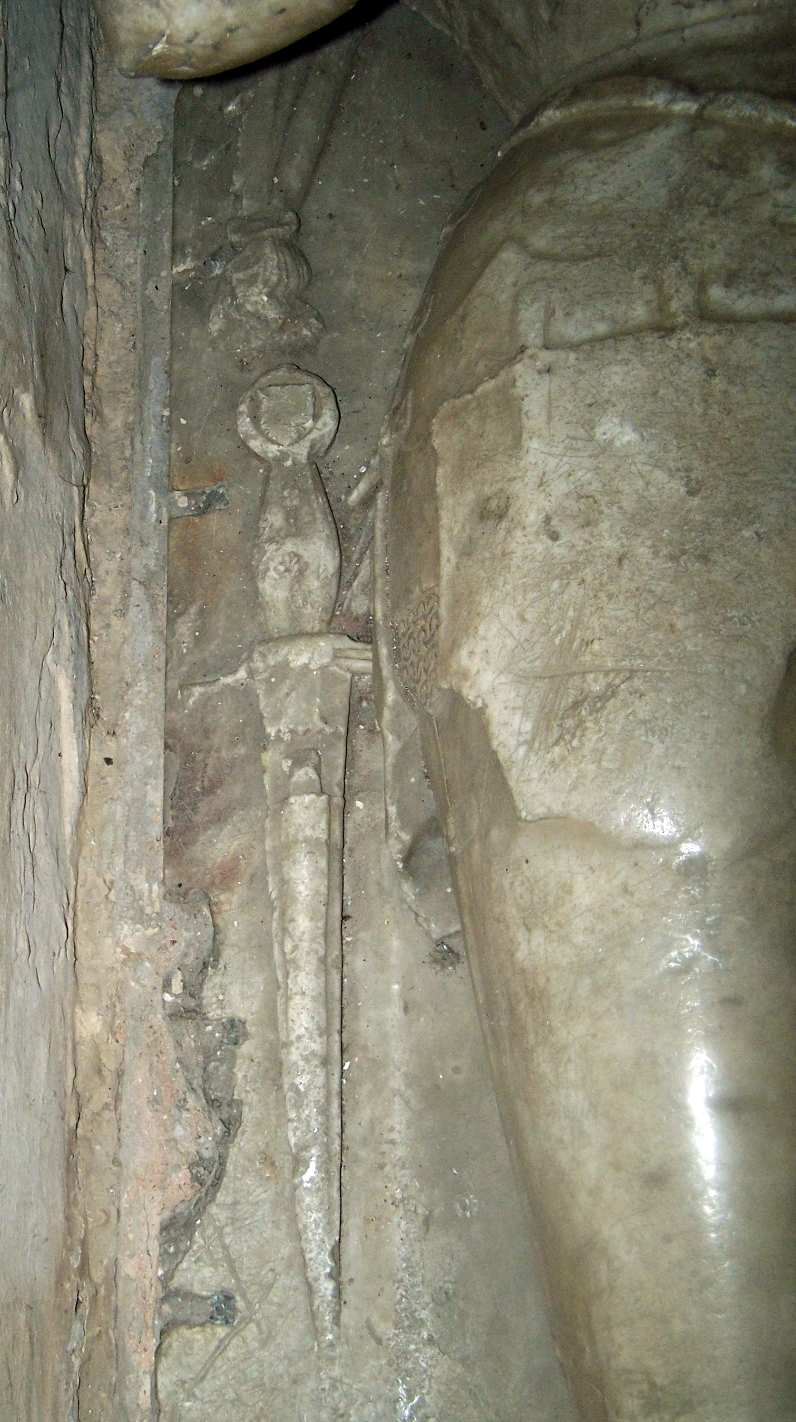
The surviving effigy is all that remains.
The Yorkist Collar
One of the strongest pieces of evidence linking the monument to Sir Hugh Mortimer is the magnificent collar carved around the knight’s neck.
It displays unmistakable Yorkist symbolism, decorated with the Sun in Splendour and the Rose en Soleil, emblems closely associated with the House of York during the Wars of the Roses.
These details were not decorative flourishes.
Medieval sculptors recorded heraldry with extraordinary care because it proclaimed the identity, loyalties and status of the individual represented.
More than five centuries later, those symbols continue to tell Sir Hugh’s story.
A Family Line That Came to an End
Sir Hugh’s death left behind an infant son and a daughter.
Although his son survived into adulthood, he never produced children of his own, bringing this branch of the Mortimer family to an end.
Ironically, this cadet branch actually survived longer than the senior Wigmore line of the Mortimers, which had already become extinct by 1425.
The history of one of England’s greatest noble houses therefore continued through many branches, but Sir Hugh’s own direct line quietly disappeared.
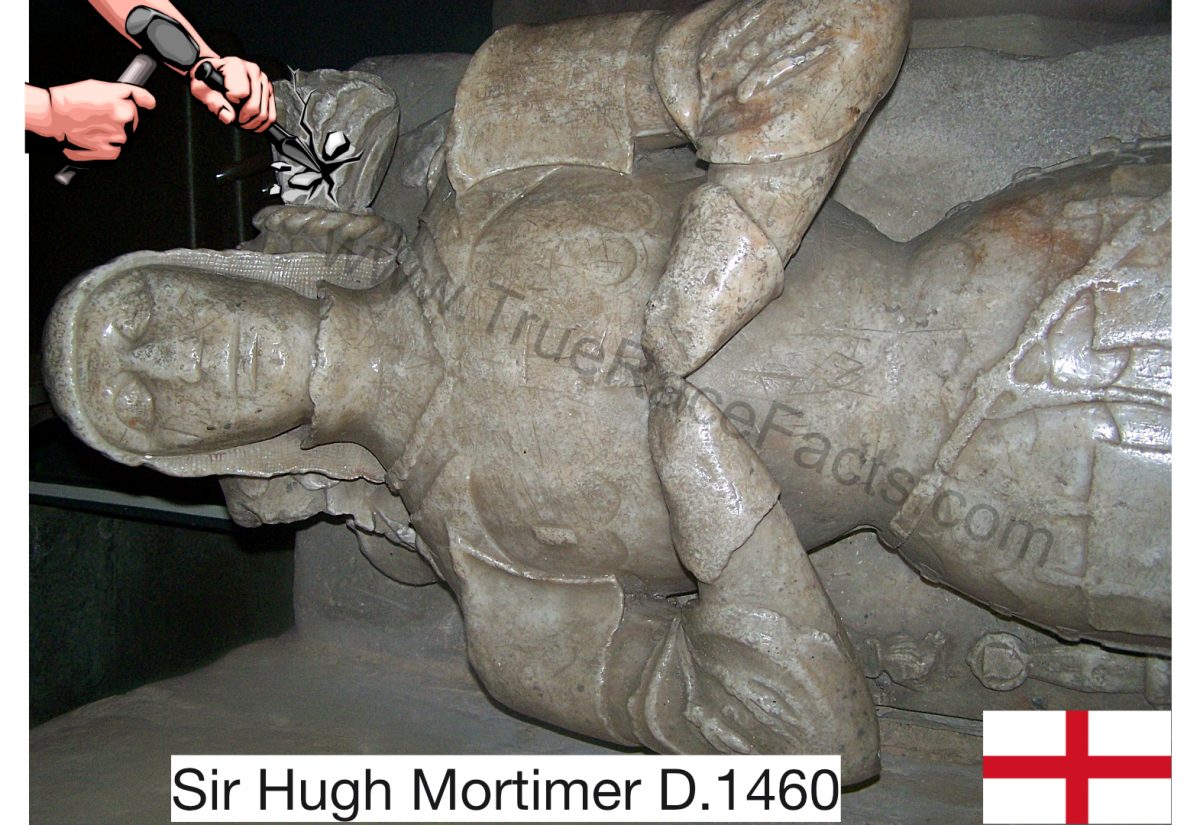
The Face That Raises Questions
It is the face that immediately commands attention.
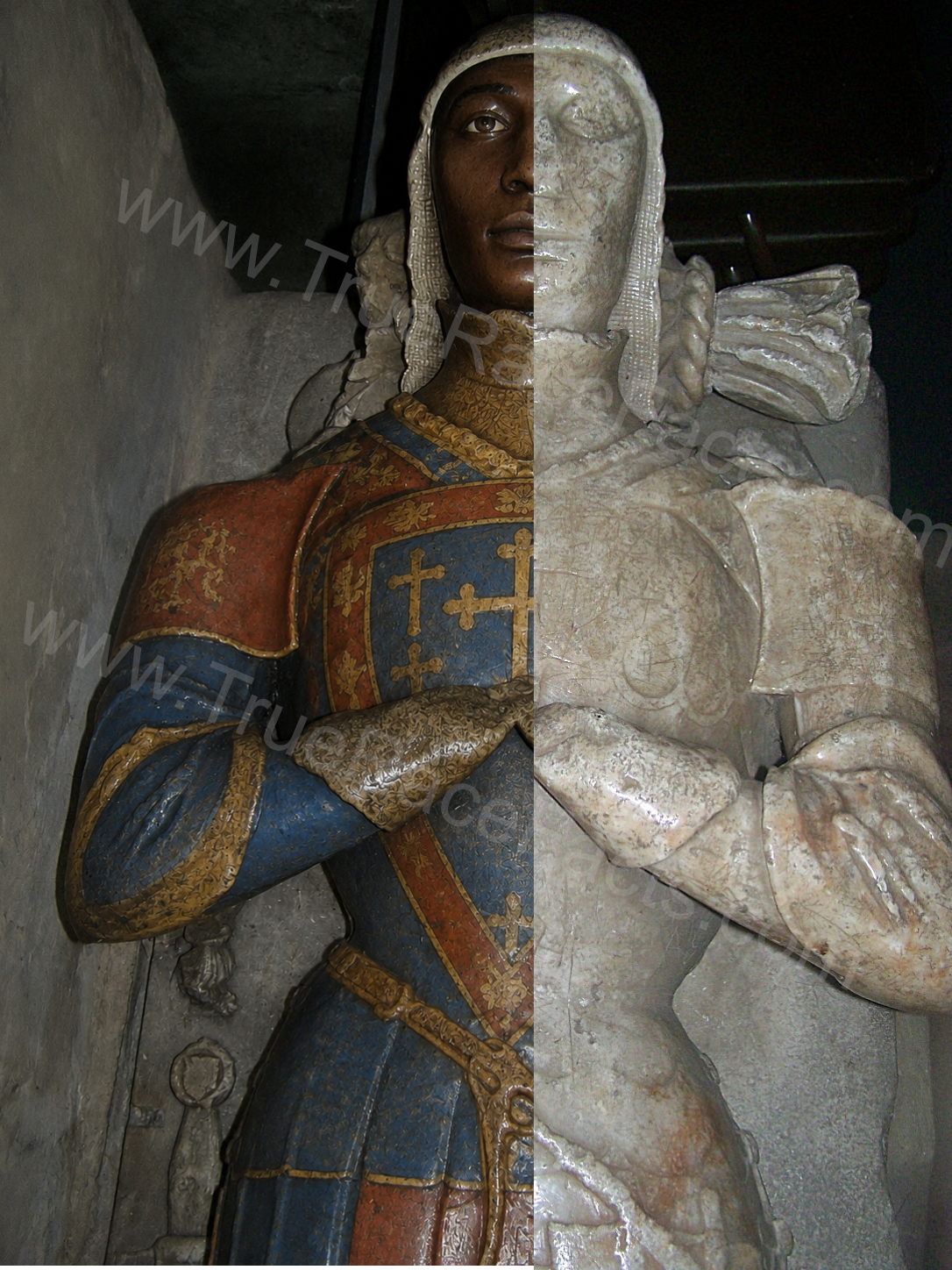
On close examination, the nose appears to have been deliberately abraded, while the lips also seem to have been sanded or worn down in a manner that differs from the surrounding carving.
Natural weathering generally affects an entire surface over long periods of time.
Here, however, the facial features appear to have suffered a more concentrated loss than much of the surrounding monument.
Can we state with certainty that this was intentional? No.
The evidence does not allow such a conclusion. The alterations could have resulted from later restoration, accidental damage, iconoclasm or deliberate abrasion.
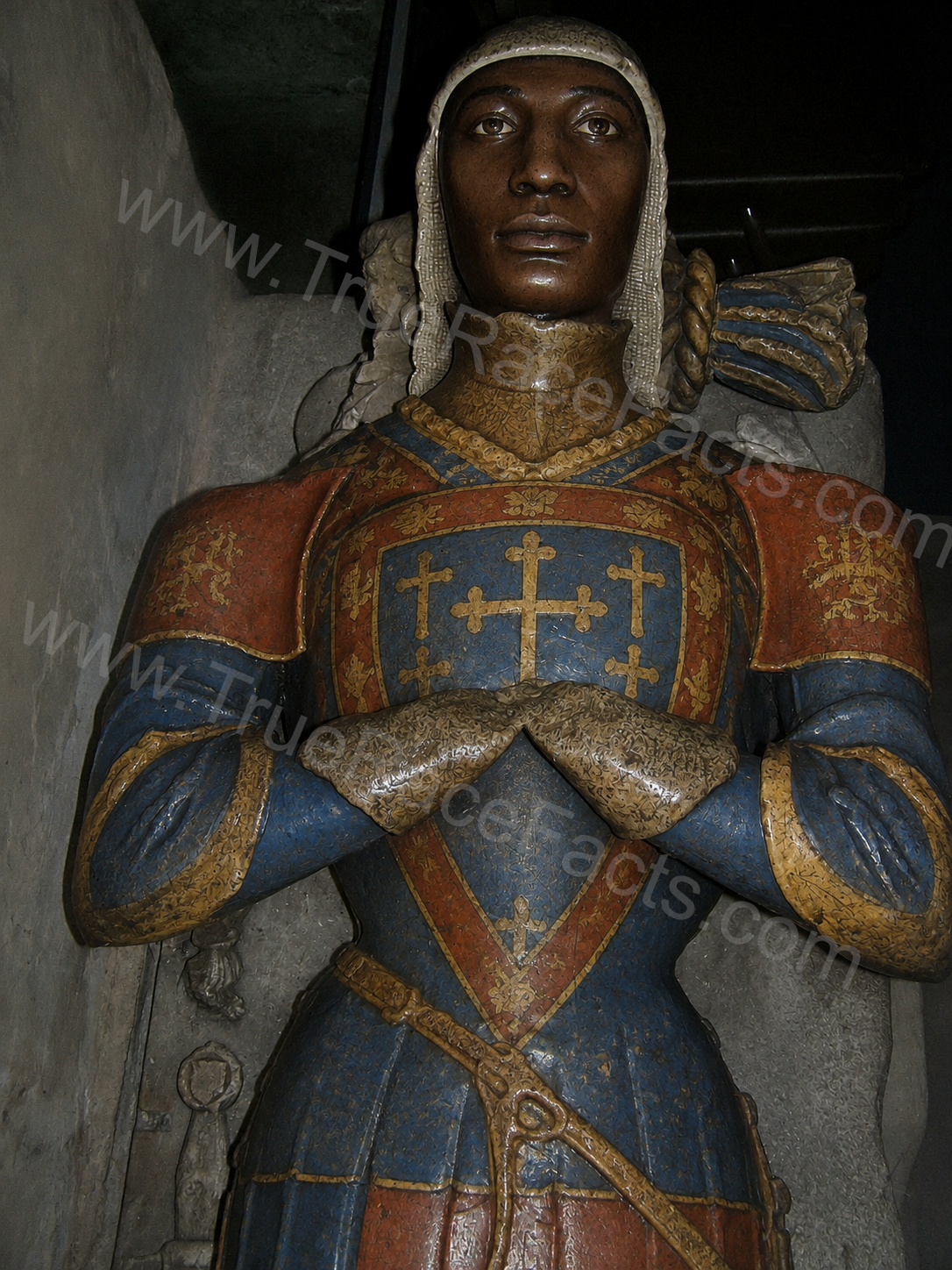
What can be said with confidence is that the face visible today is no longer the face originally carved by the medieval sculptor.
Visitors standing before the monument can examine the evidence for themselves and reach their own conclusions.
A Monument That Still Speaks
Today, the effigy stands alone.
The tomb has vanished.
Its original position within the church has been lost.
Its owner may not even rest beneath it.
Yet despite the passing of more than five centuries, the monument continues to preserve the memory of a man whose family once stood among the greatest noble houses in medieval England.
It reminds us that history is preserved not only in written records but also in stone.
Sometimes those stones remain untouched.
Sometimes they bear the unmistakable marks of later hands.
Either way, they deserve to be studied carefully.
For those willing to look closely, Sir Hugh Mortimer’s effigy continues to tell a remarkable story.
“The chisel that created this face honoured a man. The hands that later altered it leave us asking why.”
Guinevere Jackson
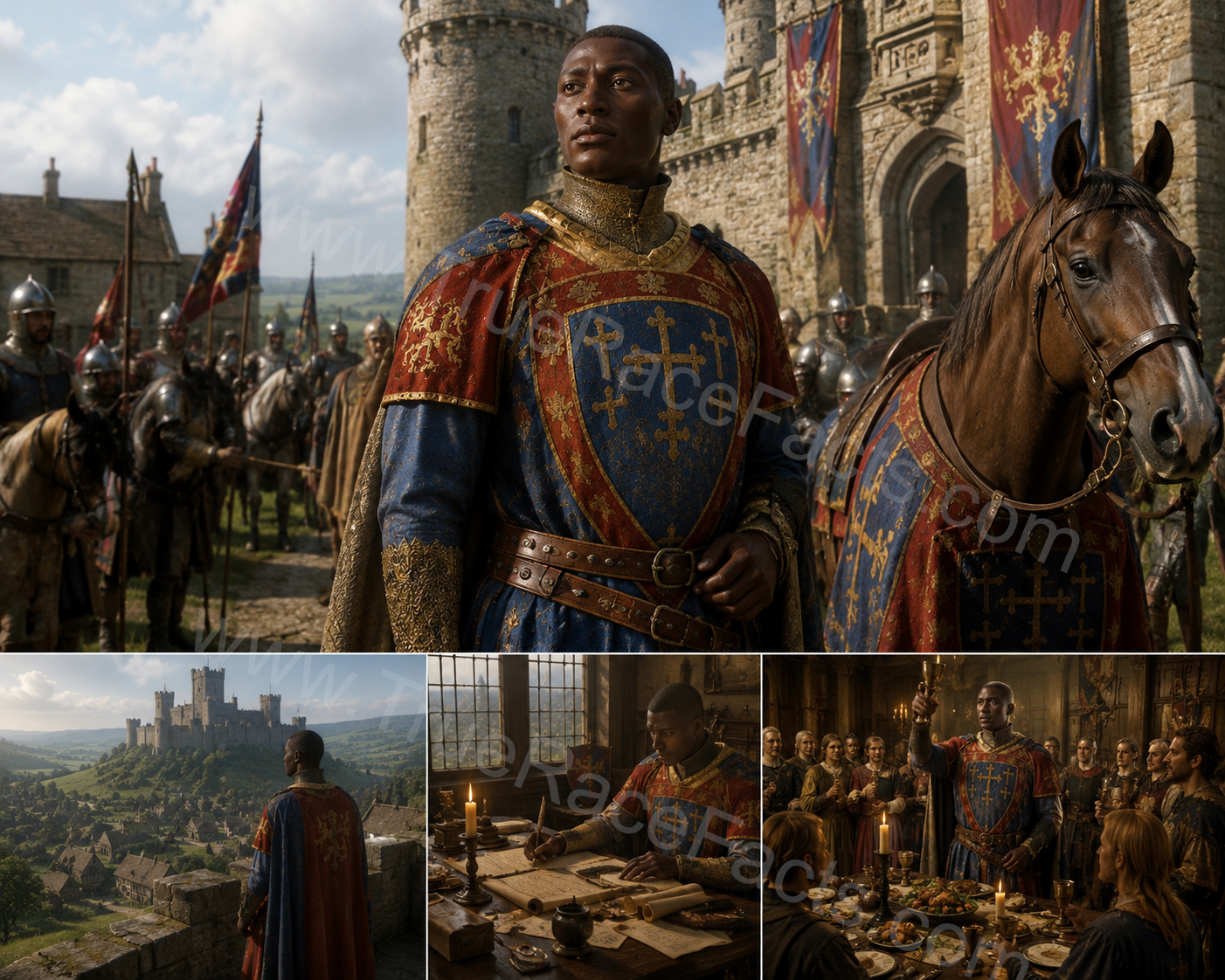
Image citation Flickr and FaceBook & Ai for the facial reconstruction
 Donate