Henry de Gower (1277/9–1347) The Welsh Bishop Who Built St Davids Cathedral
- 4 May 2026
- 0 Comment



Among the great figures of medieval Wales, few deserve greater recognition than Henry de Gower.
Scholar, administrator, builder, and bishop, Henry de Gower was a man whose intellect and vision reshaped the spiritual and architectural landscape of Wales. At a time when the highest offices of the medieval Welsh church were often awarded to outsiders through royal or papal influence, his rise was exceptional. He was not simply another bishop appointed to office; he was a native Welshman whose ability, scholarship, and leadership elevated him to one of the most prestigious ecclesiastical positions in the country.
Born between 1277 and 1279 on the rugged and beautiful Gower Peninsula, Henry emerged from a region where Welsh identity remained strong despite centuries of Norman pressure and political complexity. The Gower Peninsula, with its dramatic coastline, fertile lands, and historic settlements, was a place where cultures met and often collided. It was from this landscape that Henry drew his name and likely his early sense of identity.
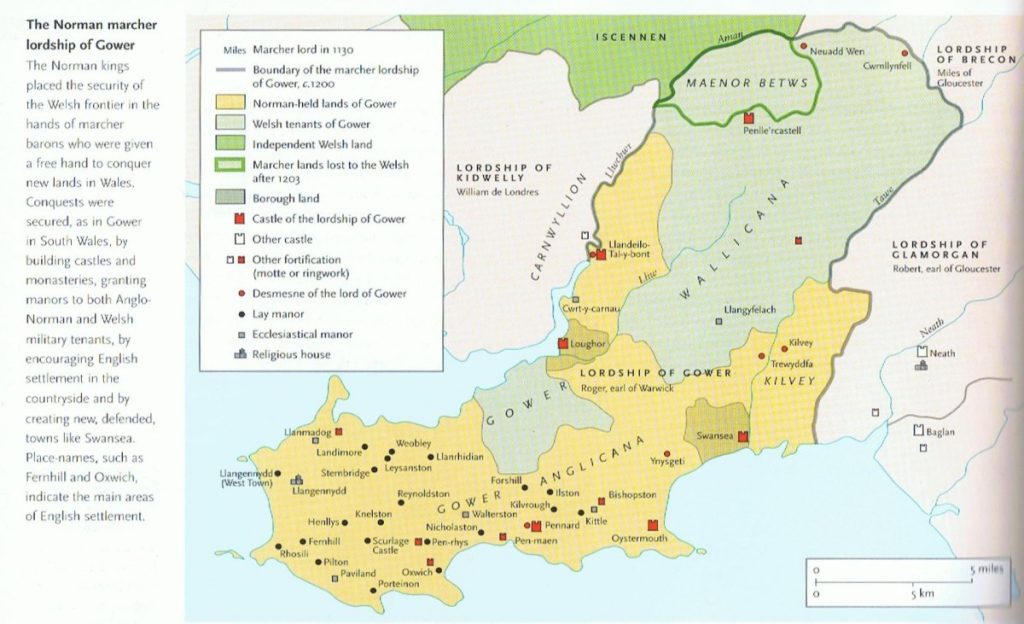
Gower was an ancient marcher lordship of Deheubarth in South Wales.
His rise through education was extraordinary.
Henry studied at University of Oxford, then one of Europe’s foremost centres of learning. Medieval universities were not merely places of study; they were the intellectual engines of Christendom, producing the administrators, lawyers, theologians, and churchmen who shaped nations.
To excel there required brilliance, discipline, and political skill.
Henry possessed all three.
His appointment as Chancellor of Oxford University from 1322 to 1325 placed him at the heart of medieval academic life. As Chancellor, he was responsible for overseeing university governance, resolving disputes between scholars and townspeople, maintaining discipline, and protecting the institution’s privileges. It was a role of immense authority and one that reflected the extraordinary respect he commanded.
This was no small achievement for a Welshman in 14th-century England.
From Oxford, Henry moved into increasingly senior ecclesiastical office, becoming Archdeacon of St Davids around 1323. This role gave him direct oversight of church administration within one of Wales’ most important dioceses and positioned him perfectly for what would become the defining chapter of his life.
When Bishop David Martin died in 1328, the cathedral chapter elected Henry as his successor.
This was a remarkable moment.
During this period, Welsh bishoprics were frequently controlled through external influence, with appointments often going to men imposed by royal or papal authority rather than local election.
Henry’s elevation represented something rare and deeply significant: a highly capable Welsh scholar rising to the bishopric through recognition of merit.
His election was a moment of distinction not only for Henry himself but for medieval Wales.
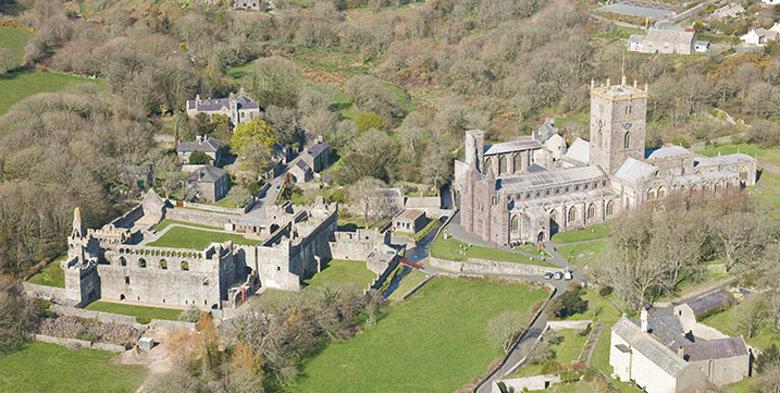
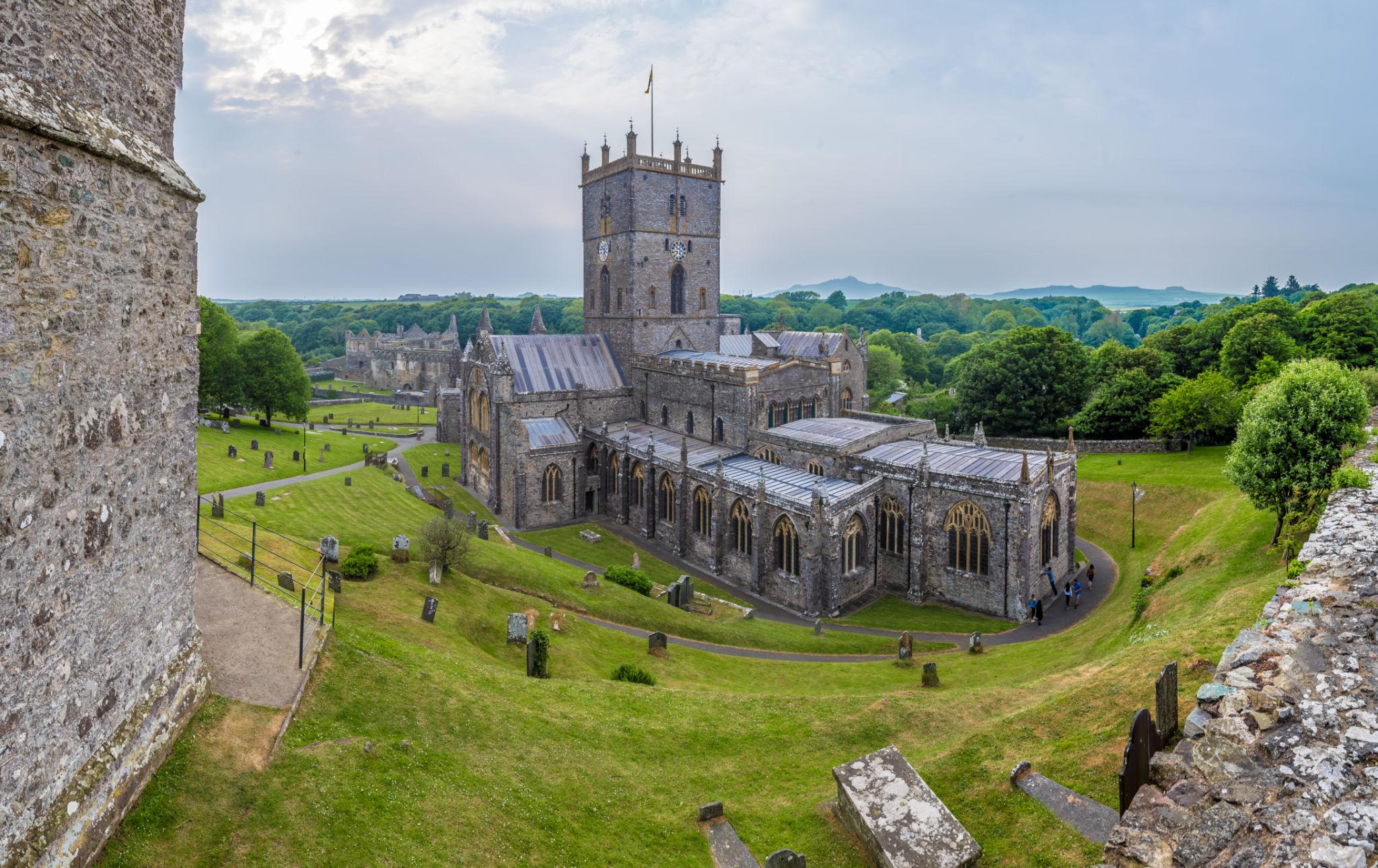
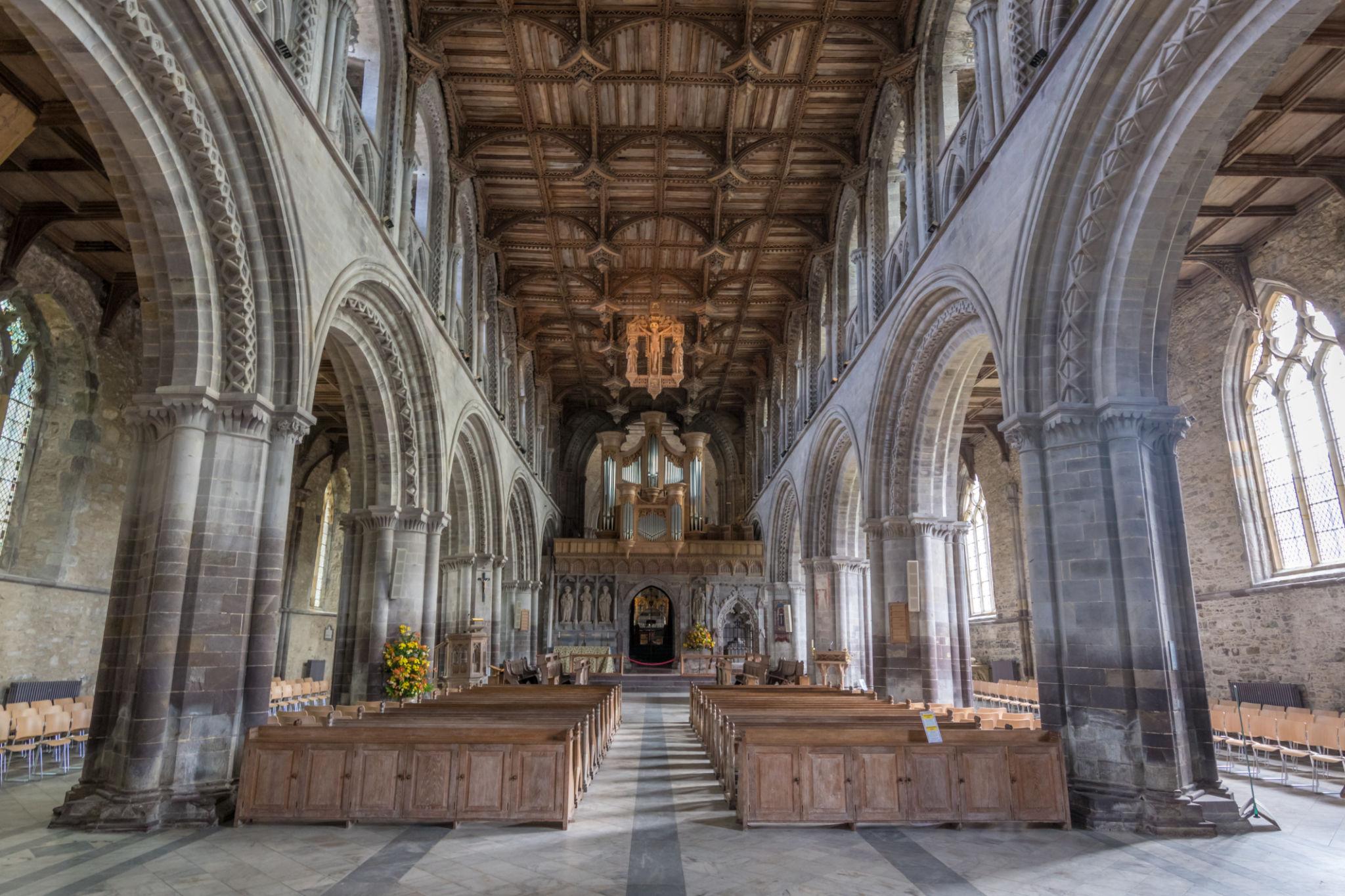
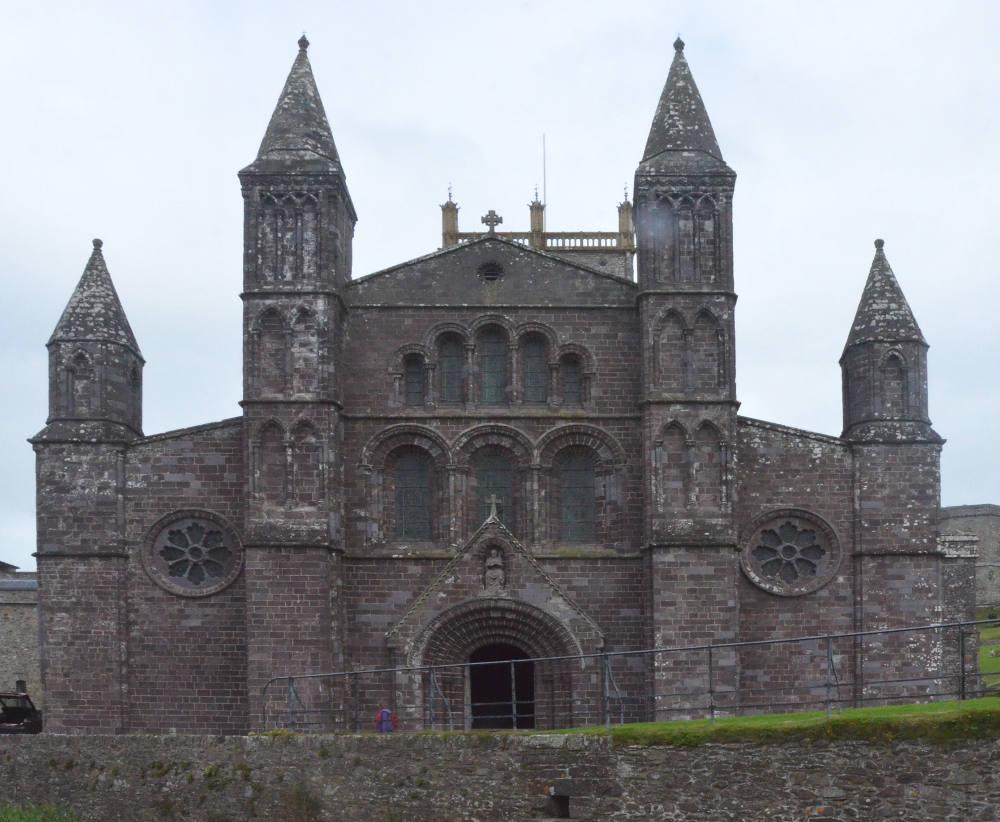
Yet if Henry de Gower’s scholarship opened the door to greatness, it was his architectural vision and ecclesiastical leadership that secured his place in Welsh history. As bishop, he embarked upon one of the most ambitious building programmes undertaken in medieval Wales. His work at St Davids Cathedral was transformative, strengthening and rebuilding substantial parts of one of the most sacred religious centres in Britain.
St Davids was no ordinary cathedral. As the resting place of Saint David, patron saint of Wales, it was among the most important pilgrimage destinations in medieval Christendom. Pilgrims travelled from across Britain and beyond to worship there, and its significance demanded architecture worthy of its spiritual status. Henry understood this deeply. His rebuilding efforts were not merely practical repairs to an aging structure but part of a larger vision to restore dignity, permanence, and splendour to Wales’ holiest site.
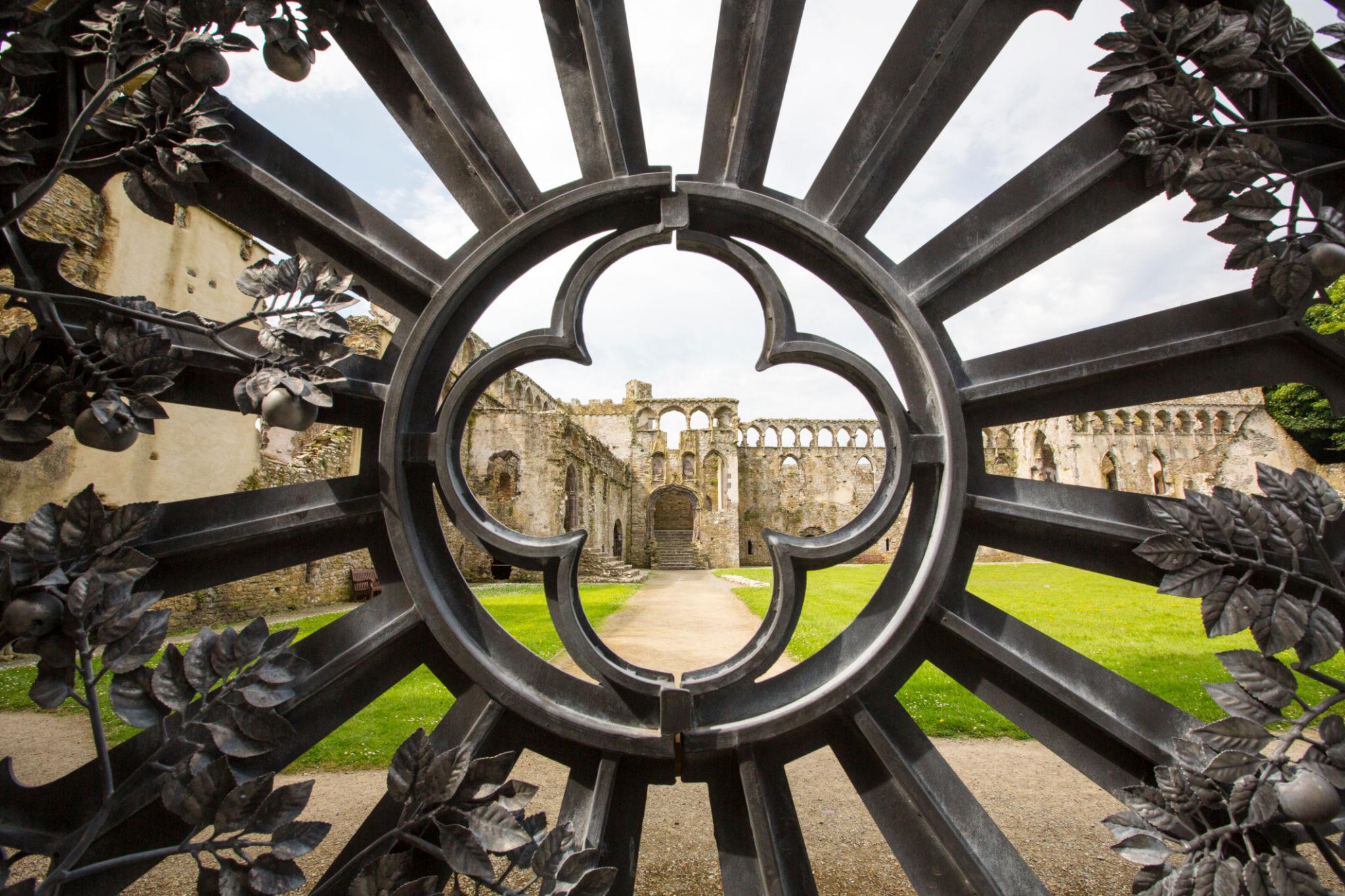
His greatest architectural achievement, however, was undoubtedly the construction of the Bishop’s Palace. This extraordinary residence remains one of the finest surviving examples of medieval episcopal architecture anywhere in Britain. The elegant arcades, grand windows, and sophisticated design reveal a man of remarkable artistic ambition. Henry de Gower was not content simply to administer his diocese; he intended to leave behind something lasting, something that reflected both the authority of the bishopric and the prestige of Welsh ecclesiastical culture.
Even today, the palace stands as a breathtaking testament to his vision. Though partly ruined, its surviving stonework speaks of confidence, refinement, and permanence. It is the work of a man who understood that architecture could communicate power as clearly as any written decree.
Henry’s legacy was not confined to monumental building. In 1332, he founded the Hospital of Blessed David at Swansea, an institution that reflected his broader commitment to service and care. Medieval hospitals fulfilled multiple functions: they cared for the sick, sheltered travellers, supported pilgrims, and offered relief to the poor. The foundation of such an institution demonstrates that Henry’s leadership extended beyond scholarship and architecture into practical acts of Christian charity.
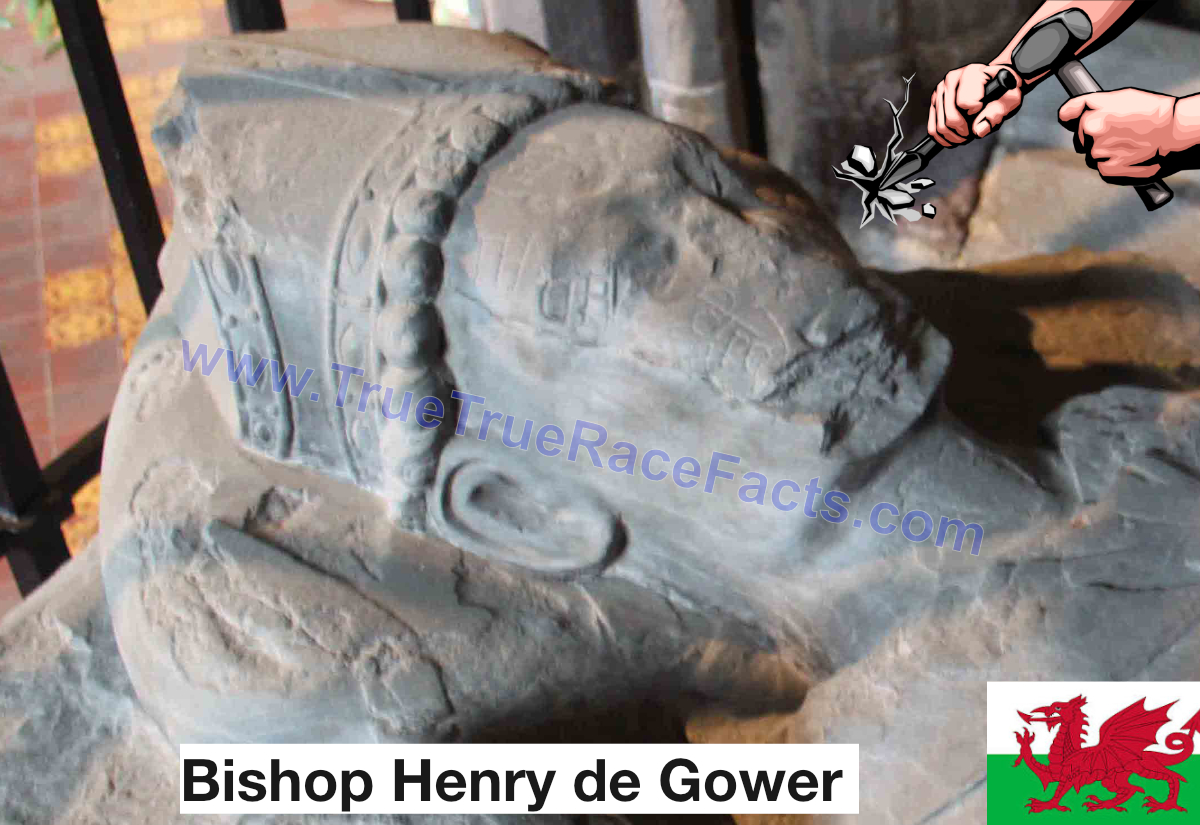
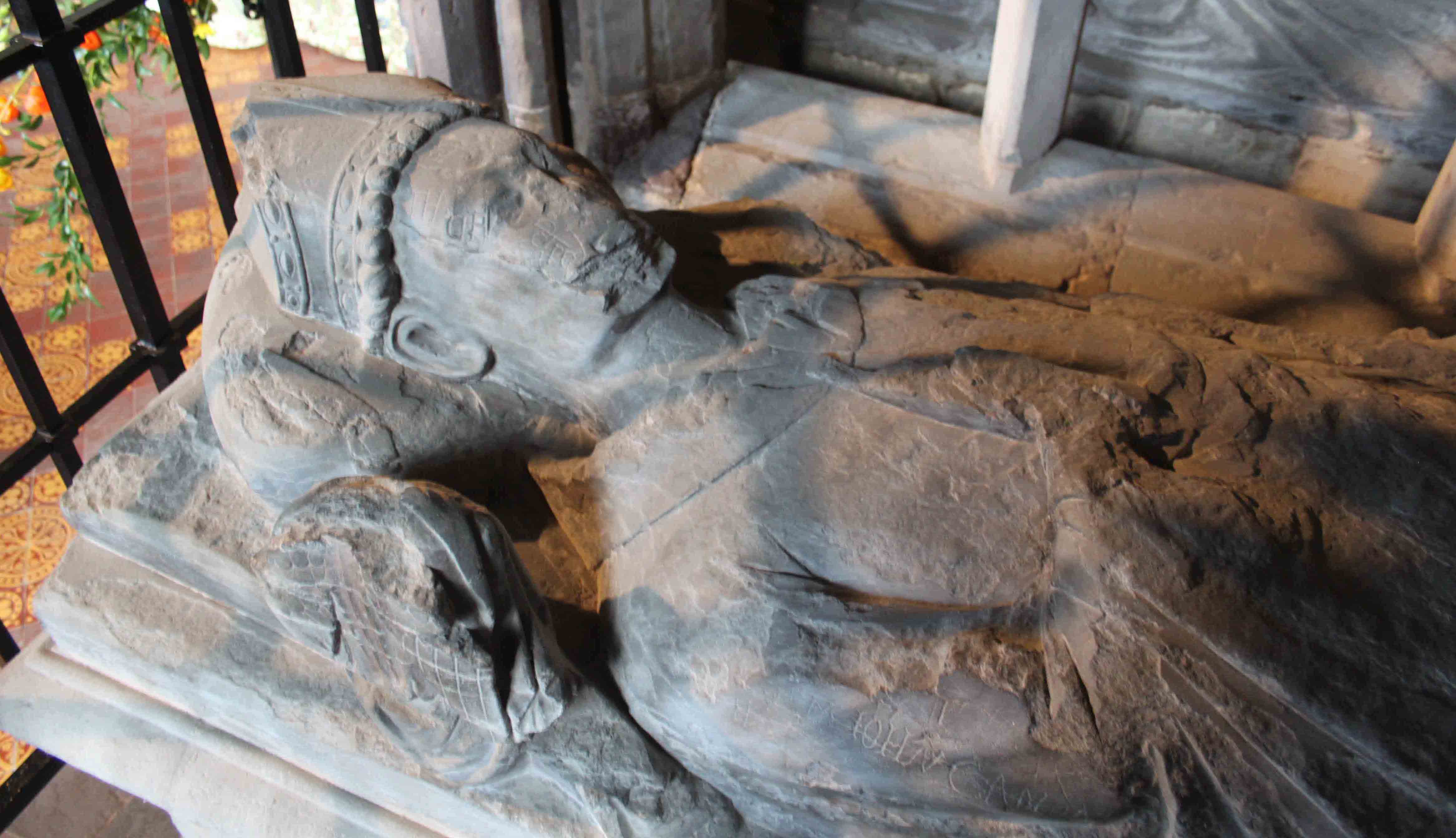
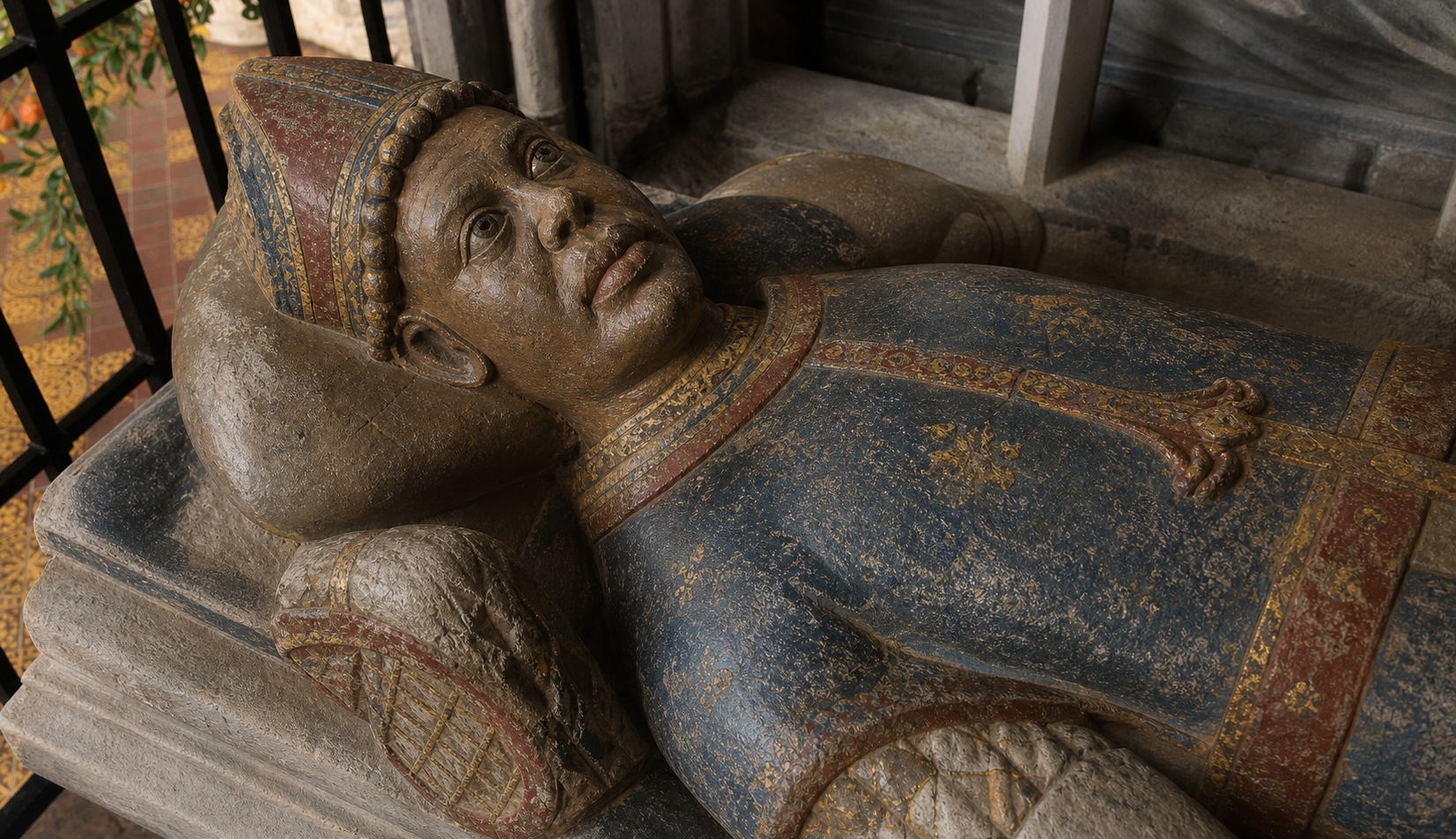
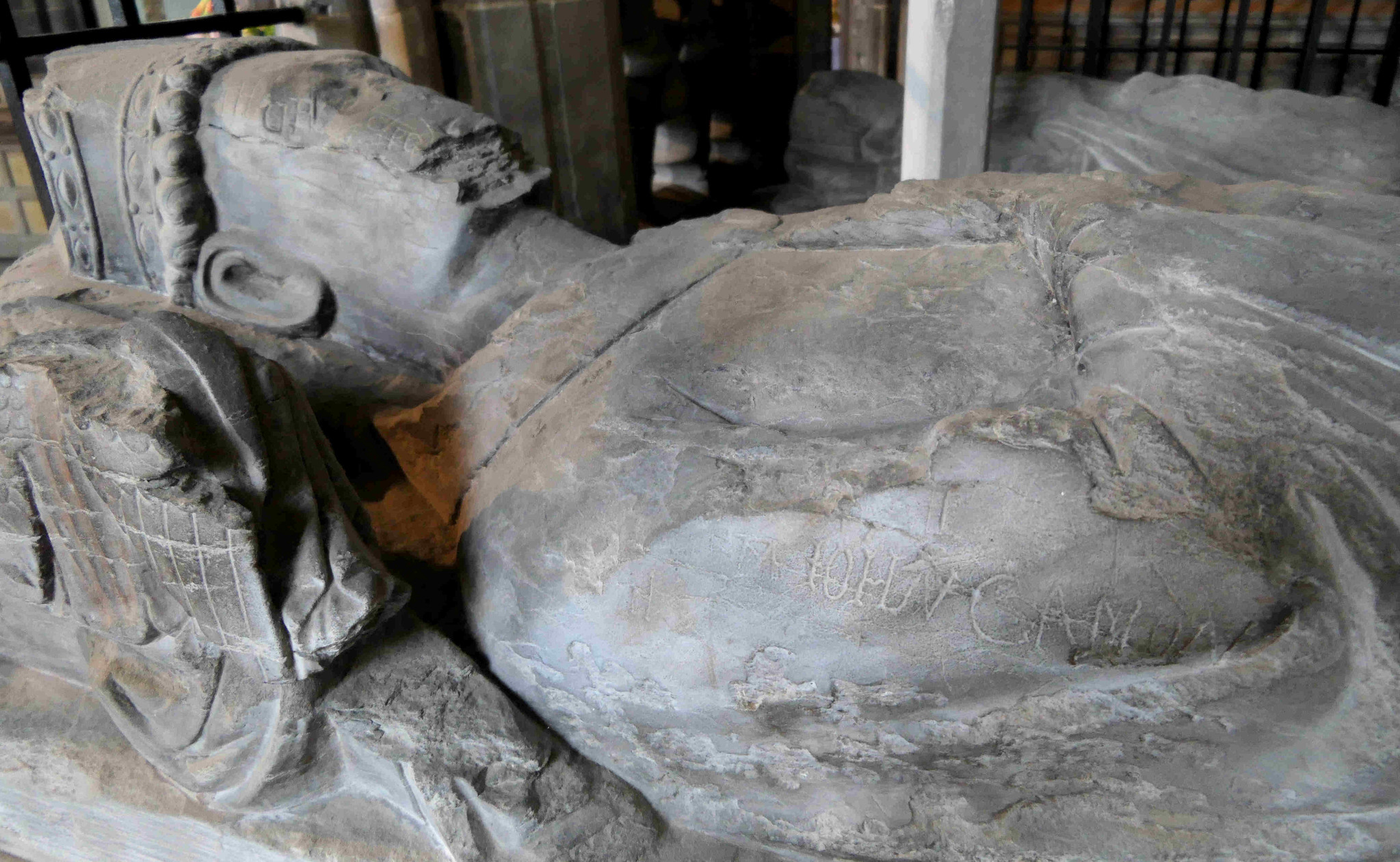
His surviving effigy within St Davids Cathedral adds another deeply compelling dimension to his legacy. The monument has suffered extensive facial damage over the centuries, with much of its finer sculptural detail having been lost. Yet despite this, enough of the original outline remains to reveal traces of the bishop’s original representation.
Close examination of the surviving contours still reveals the broader structure of the nose and the fuller form of the lips, preserving enough of the sculptor’s original intent to allow careful modern reconstruction. Though the monument has clearly endured substantial alteration, it was never entirely erased. The remaining outline continues to carry the presence of the man it was created to memorialise.
There is something profoundly fitting in this survival. Henry de Gower dedicated his life to building structures designed to outlast him. He strengthened cathedrals, founded institutions, and created architecture intended to endure for generations. Though his own image has faded with time, enough remains to remind us of the same enduring truth that defines all great builders: true legacy cannot easily be destroyed.
When Henry de Gower died in 1347, he left behind far more than titles or office. He left a transformed St Davids. He left scholarship, charity, and some of the most extraordinary ecclesiastical architecture medieval Wales has ever produced.
Today, those who walk through St Davids still move through the world he shaped. The cathedral walls, the great palace, and even the worn outline of his effigy continue to bear witness to a man whose vision was carved not only into stone, but into the history of Wales itself.
Henry de Gower was not simply a bishop of medieval Wales. He was one of its greatest scholars, one of its most accomplished builders, and one of its most enduring sons.
“Though time has worn his features and stone has faded beneath centuries of change, Henry de Gower’s image was never entirely erased; enough remains for history to remember the bishop who shaped Wales in scholarship, faith, and stone.”
Guinevere Jackson
Image citation thetudortravelguide, Flickr and Wikipedia
 Donate