Bishop John Marshall (d. 1496) The Face They Could Not Fully Erase
- Guinevere Jackson
- 17 January 2026
- 0 Comment
Bishop John Marshall (d. 1496)
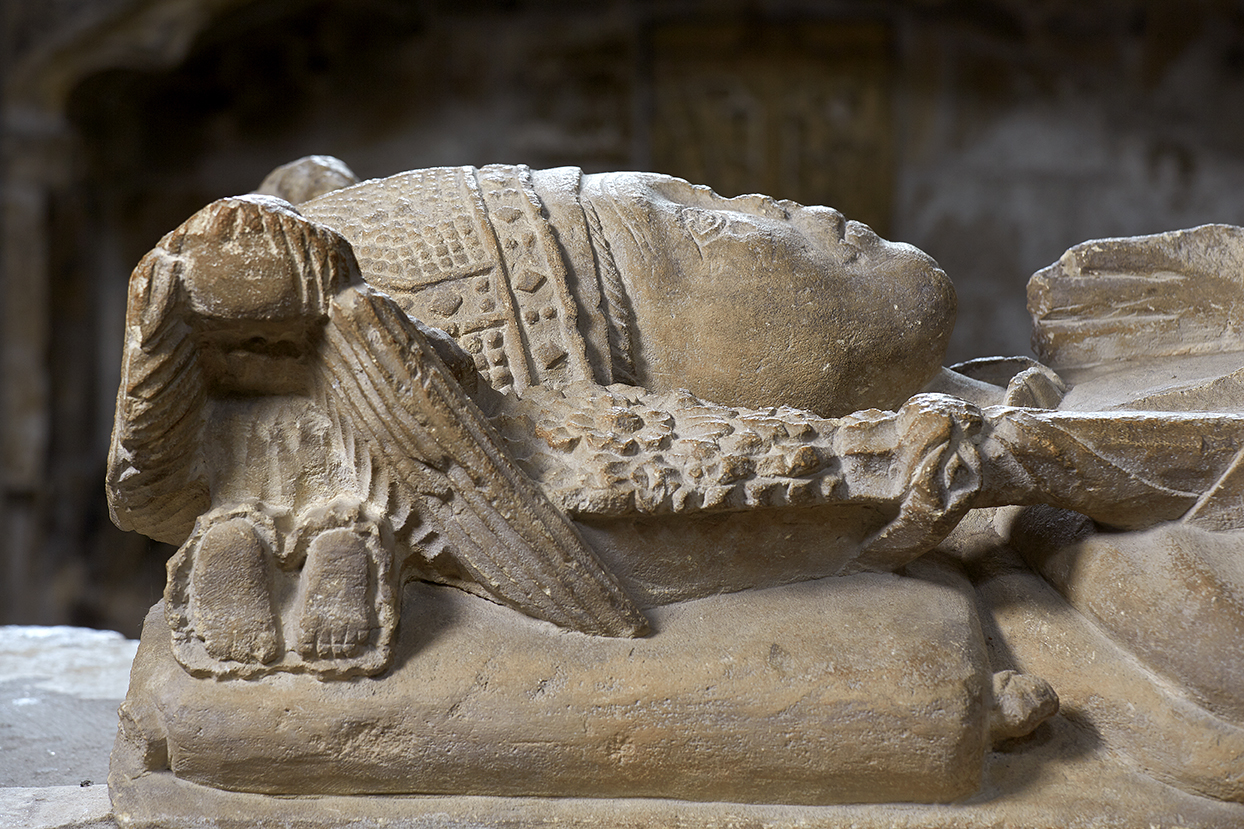
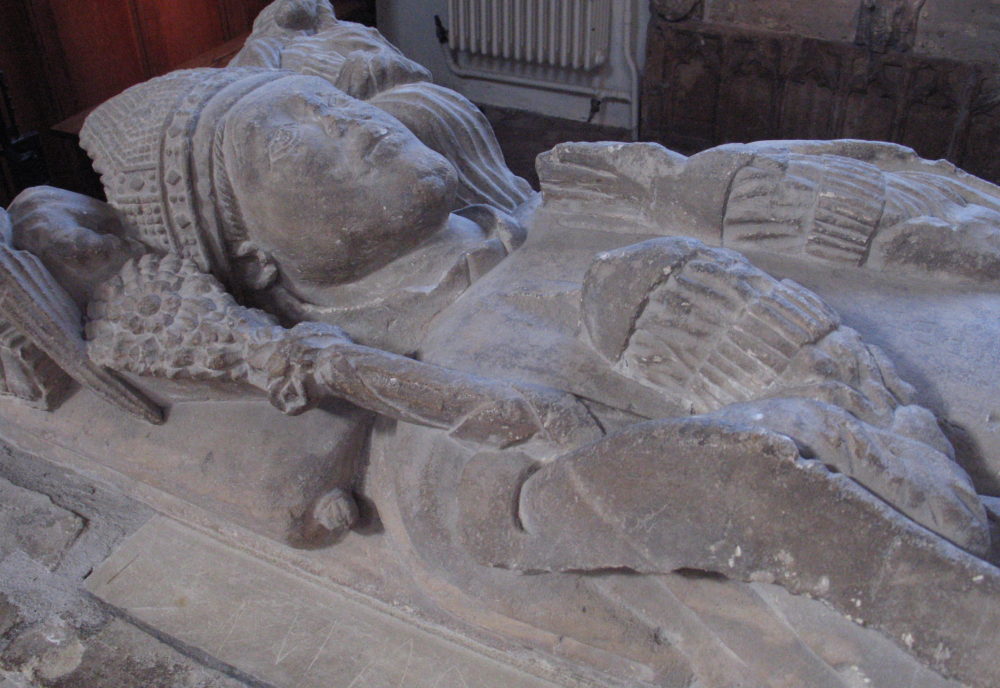
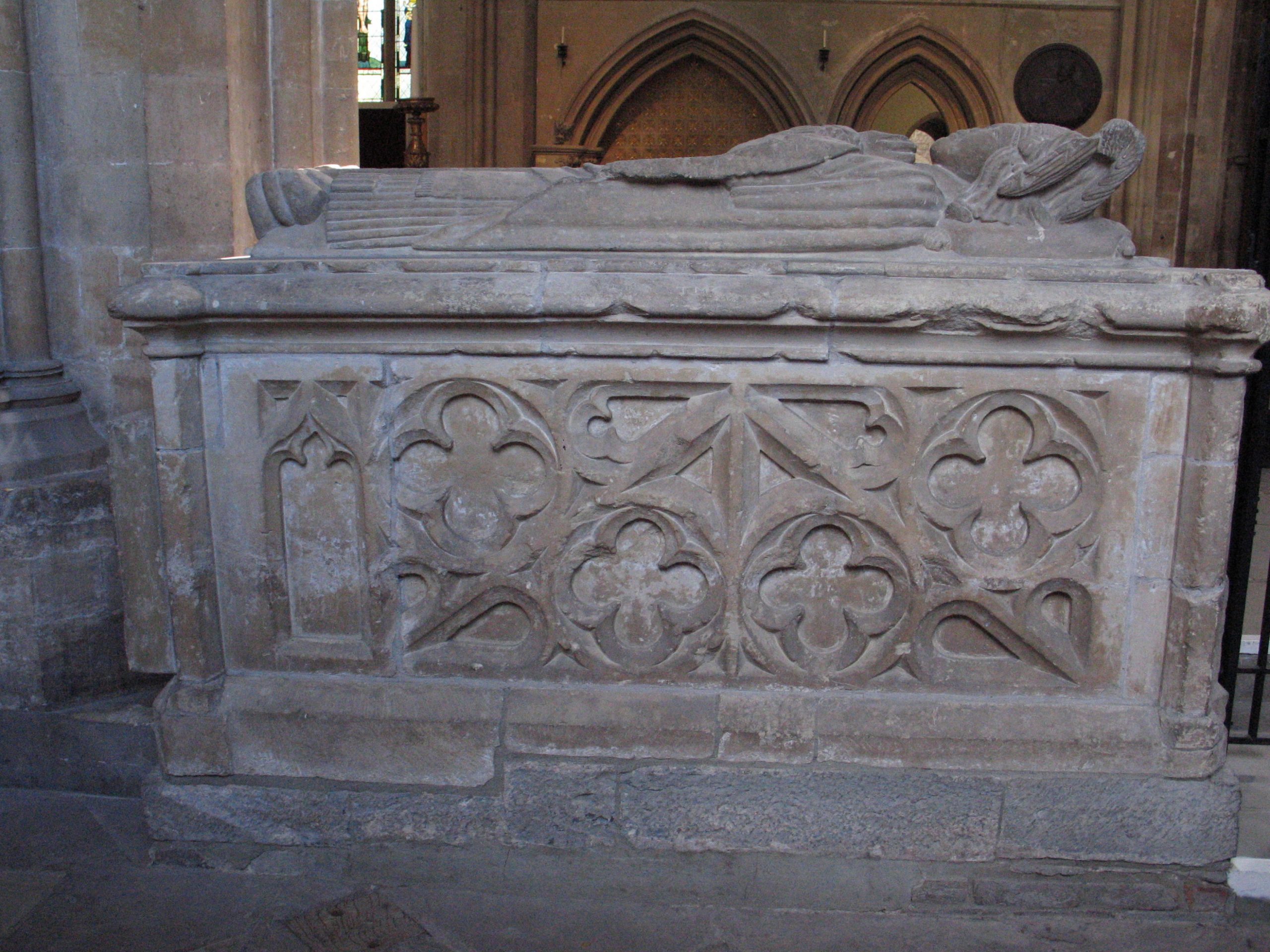
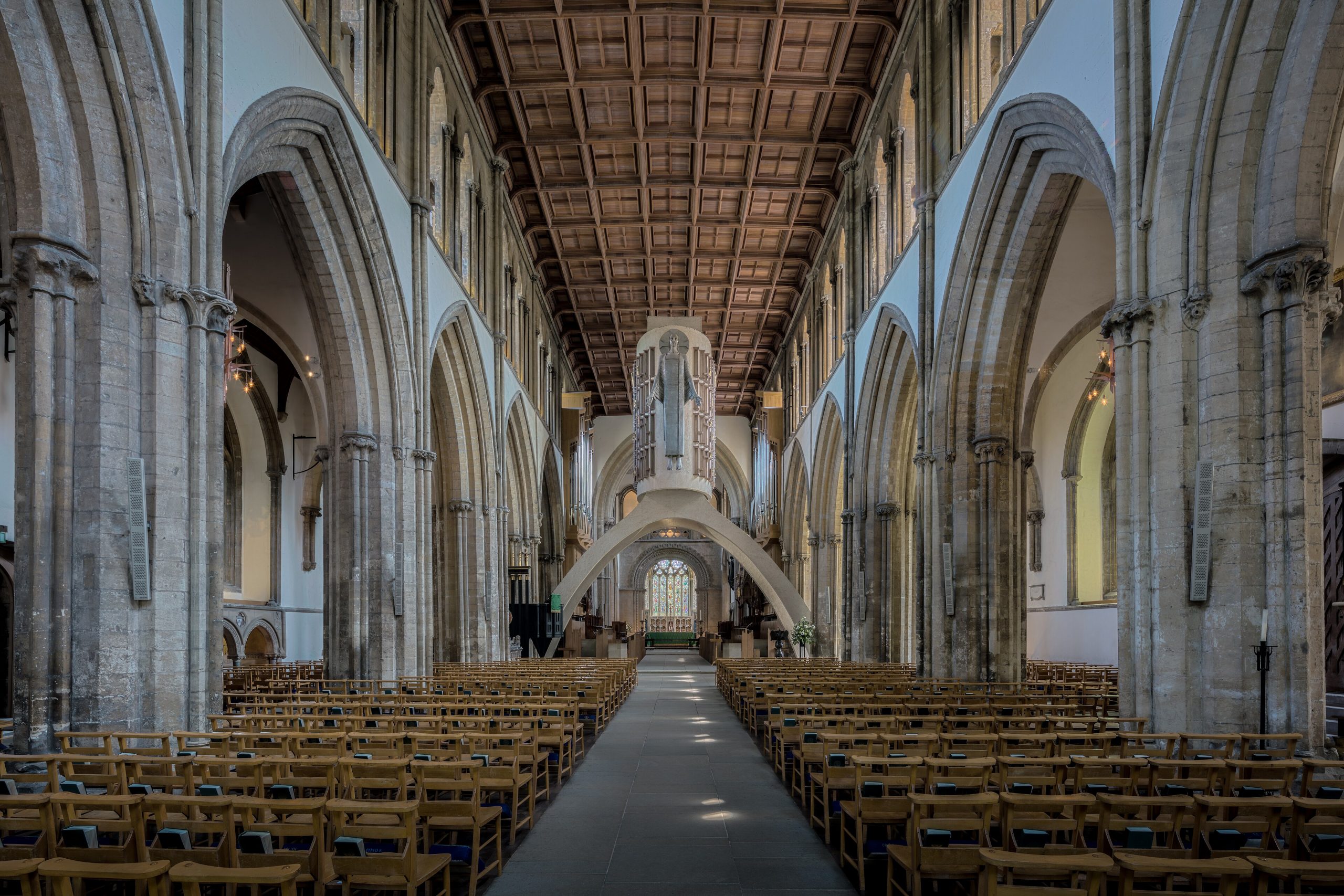
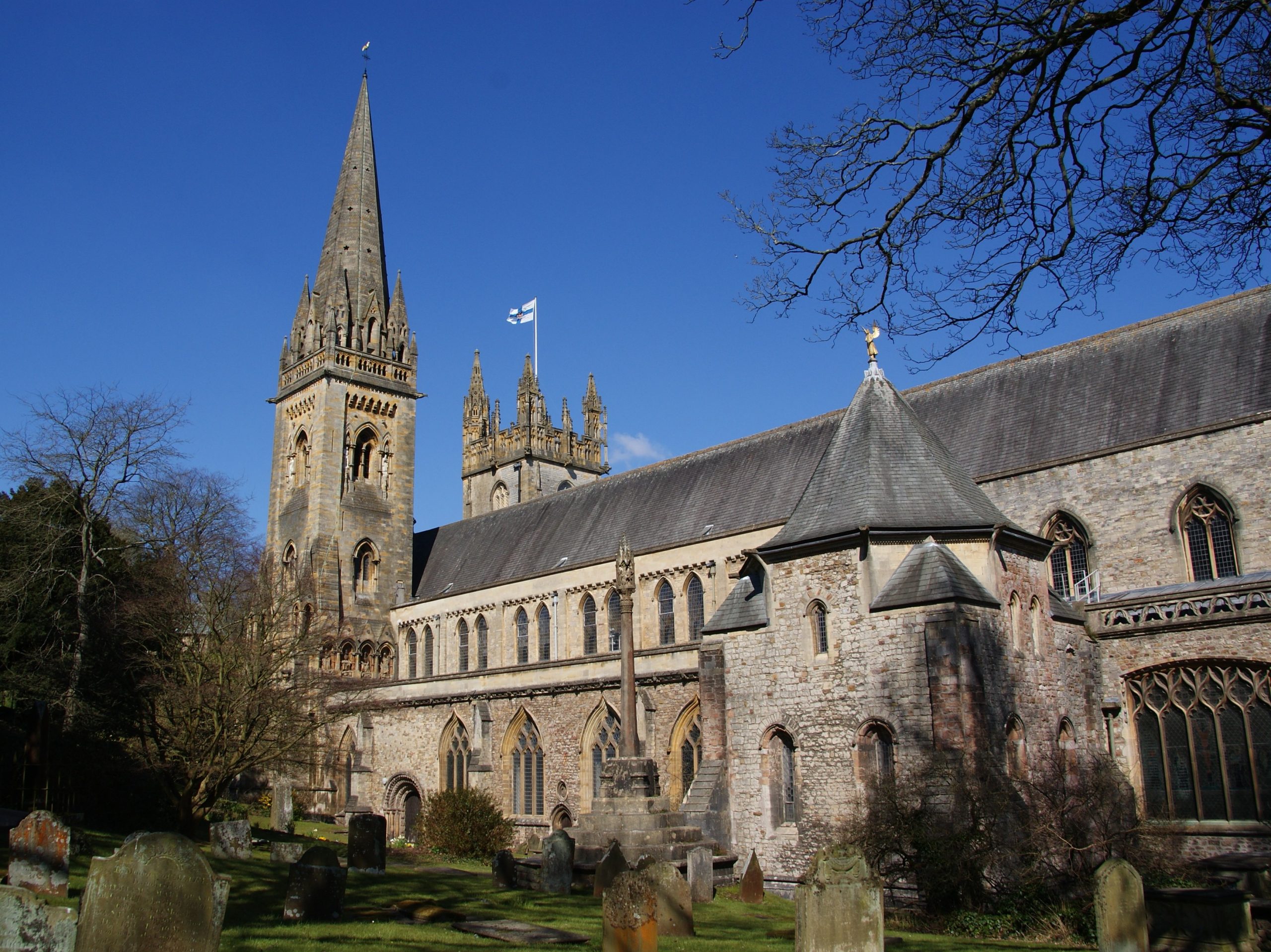
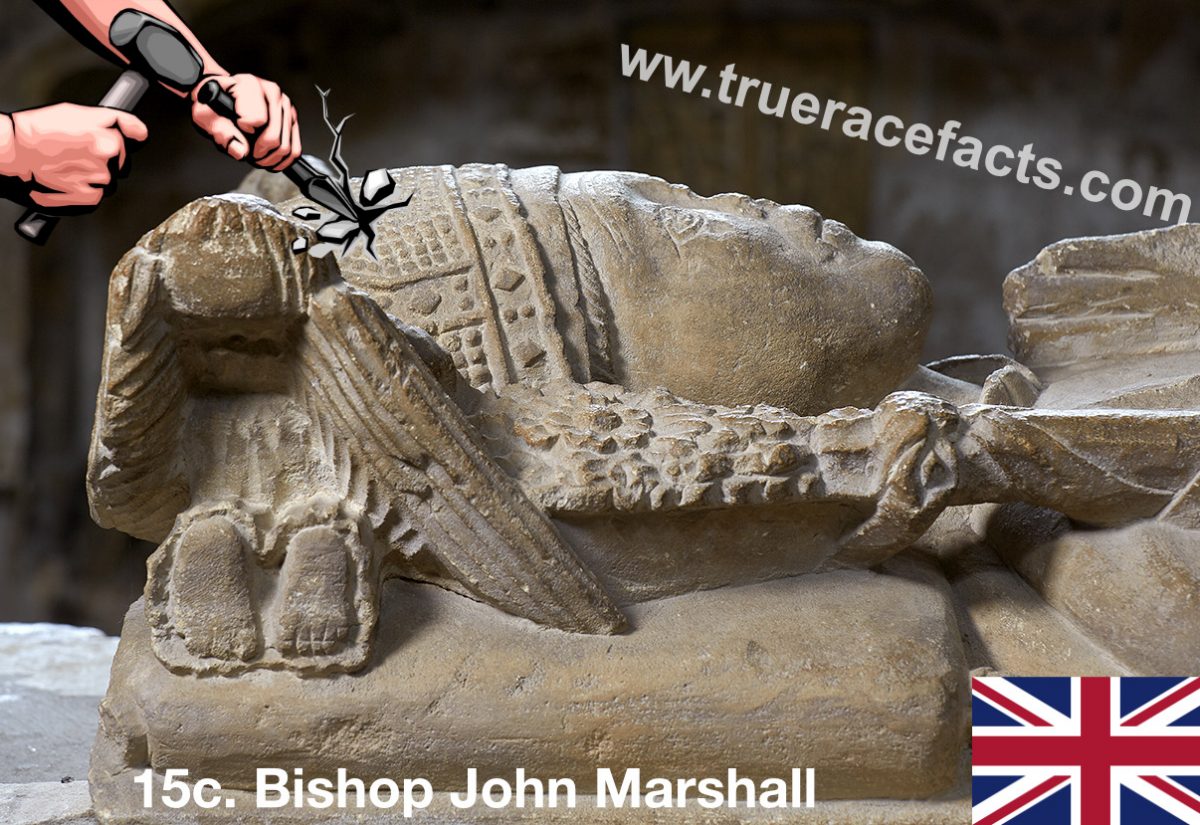
Within Llandaff Cathedral, among the tombs of Welsh ecclesiastical authority, lies the effigy of Bishop John Marshall, who died in 1496. He was a senior churchman at the close of the medieval period, a man of learning, governance, and noble standing — and, as his effigy still quietly reveals, a man whose appearance later generations found inconvenient.
Though his monument has suffered damage, it has not been silenced.
Bishop of Llandaff: Authority and Achievement
John Marshall served as Bishop of Llandaff during a period of consolidation and reform within the Welsh church. The diocese itself is among the oldest in Britain, and to rise to its episcopate required more than piety alone. Marshall was a man of education, administrative competence, and trusted lineage, operating within elite clerical networks that connected Wales to England and the wider Latin Church.
As bishop, he was responsible for:
Spiritual oversight of the diocese
Administration of ecclesiastical courts
Stewardship of church lands and revenues
Representation of Llandaff’s interests during a politically sensitive era
His burial within the cathedral and the commissioning of an effigy confirm his high status. Medieval effigies of bishops were expensive undertakings, reserved for men whose authority and family standing warranted permanent commemoration in stone.
This was not a symbolic figure.
It was meant to be him.
The Effigy: Damage That Speaks
The effigy of Bishop Marshall has not weathered evenly.
As with so many medieval monuments across Britain, the nose and lips have been deliberately hacked away, while the broader structure of the face remains intact. This is not the random erosion of time. The pattern is familiar and repeated too often to be ignored.
What remains is telling.
The facial outline is still crystal clear: a broad nasal base, strong facial proportions, and the underlying geometry of full lips, even where the surface detail has been aggressively removed. These features were once fully carved, likely painted, and unmistakable.
Even now, the stone resists revision.
Time softens.
Chisels target.
Swarthy Identity and Selective Memory
Medieval effigies were not abstract ideals. They were representational, especially in the late 15th century, when sculptors were capable of remarkable realism. Bishops, in particular, were portrayed with individuality — their authority grounded in their visible presence.
The damage to Marshall’s face follows a familiar pattern:
Vestments preserved
Posture intact
Rank unquestioned
Phenotype negotiated
The attempt was not to remove him from history, but to adjust how he appeared within it.
Yet even after this intervention, the remaining structure reveals a dark, swarthy countenance — one that aligns with a broader, long-suppressed reality of Britain’s medieval elite.
Family and Nobility
Though documentary evidence for Marshall’s immediate family is limited — as is common for medieval clerics — his elevation to the episcopate implies respectable lineage and noble or gentle origins. Bishops were drawn overwhelmingly from families of means, education, and social standing. The church did not elevate outsiders lightly.
His monument confirms this status.
His placement confirms his authority.
His effigy confirms his identity.
Stone as Witness
What makes Bishop John Marshall’s monument so powerful is not merely what has been lost — but what refuses to disappear.
Despite the hacking away of surface detail, the outline of the face still tells the truth. The proportions remain. The structure remains. The attempt to soften identity was incomplete.
The effigy now stands as evidence not only of a man who ruled a diocese, but of a historical discomfort with how that authority once looked.
The monument was not destroyed.
It was edited.
And the edit failed.
Why This Matters
Bishop John Marshall was not an exception. He was part of a pattern — one that stretches across cathedrals, priories, and parish churches throughout Britain.
When monuments consistently lose noses and lips but retain everything else, we are no longer looking at coincidence. We are looking at curated memory.
The face was the problem.
The office was not.
Stone remembers what later centuries tried to correct.
“For nothing is secret, that shall not be made manifest; neither any thing hid, that shall not be known and come abroad.”
Luke 8:17 KJV
Image citation Tomb Church Monument Society inside and outside the church Wikipedia
 Donate