Edmund Harman: Henry VIII’s Barber-Surgeon and His Legacy c.1509–1577
- 22 September 2024
- 0 Comment
Swarthy Black Edmund Harman: King Henry VIII’s Barber & Surgeon (c.1509–1577)
Edmund Harman served as the trusted barber-surgeon to King Henry VIII, a key figure within the king’s Privy Chamber. His role went far beyond grooming; he performed minor surgeries, bloodletting, and tooth extractions, blending early medical practice with service in one of the most powerful courts in England. Harman worked alongside prominent medical figures such as Thomas Wendy and George Owen, attending to the king during periods of illness, including managing Henry VIII’s notorious leg ulcers. His discretion, skill, and loyalty were central to the health of the monarch during one of England’s most transformative periods.
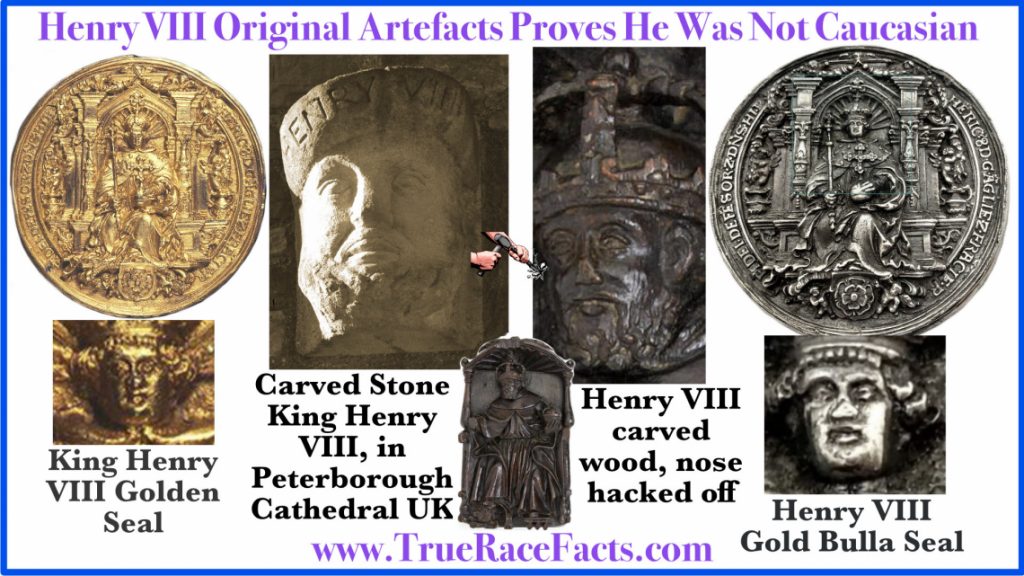
The real face of King Henry VIII
Harman’s Family and Legacy
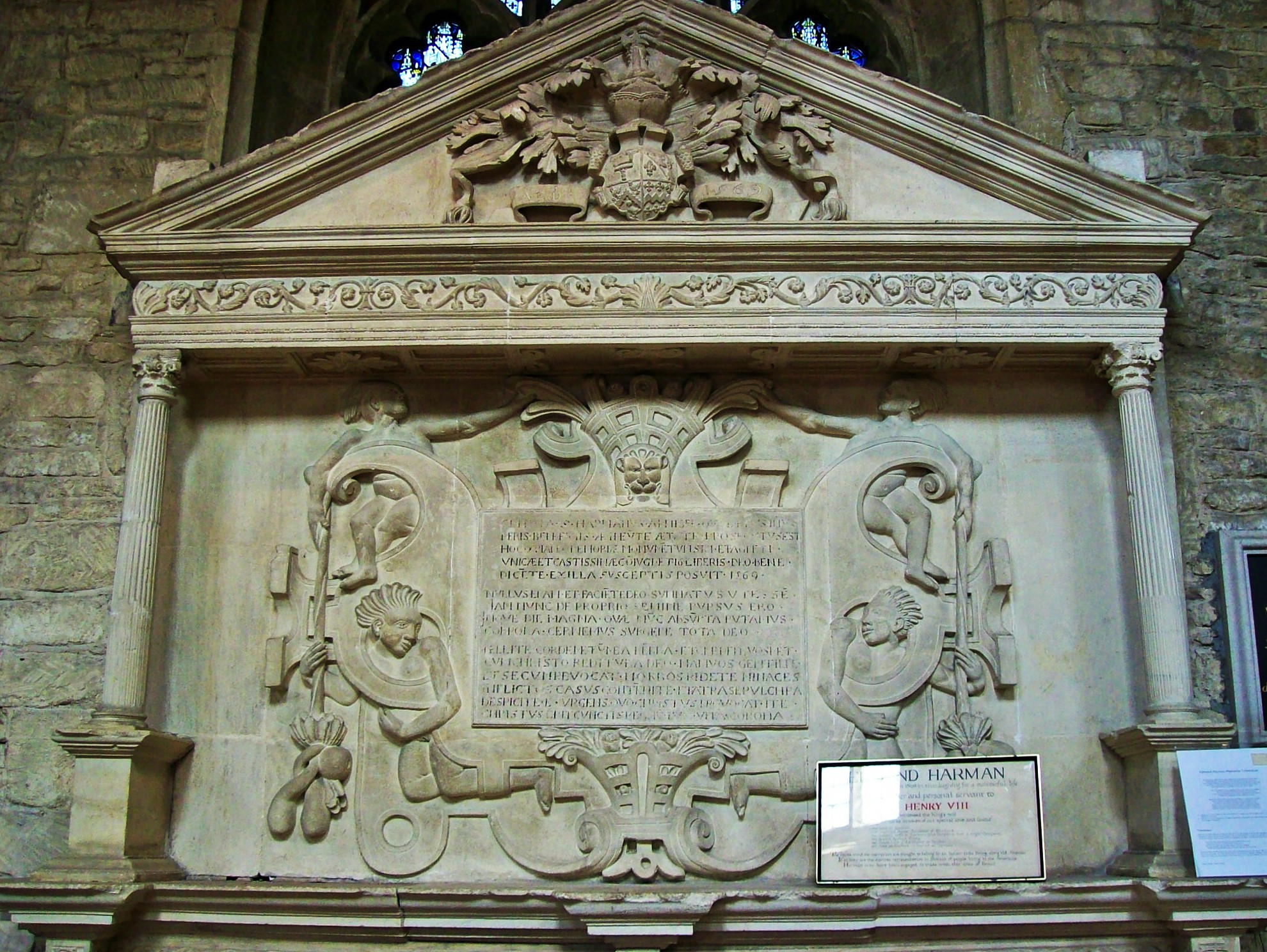
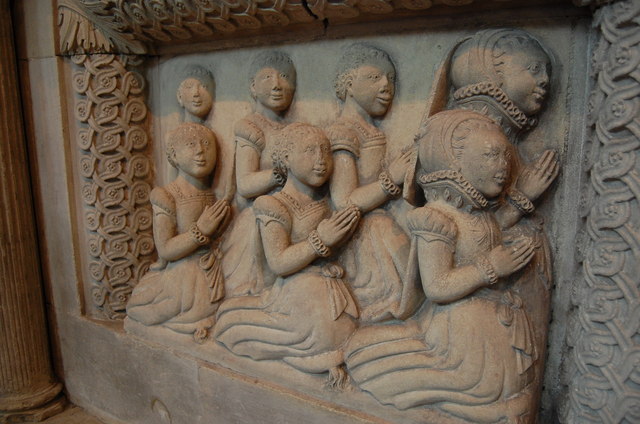
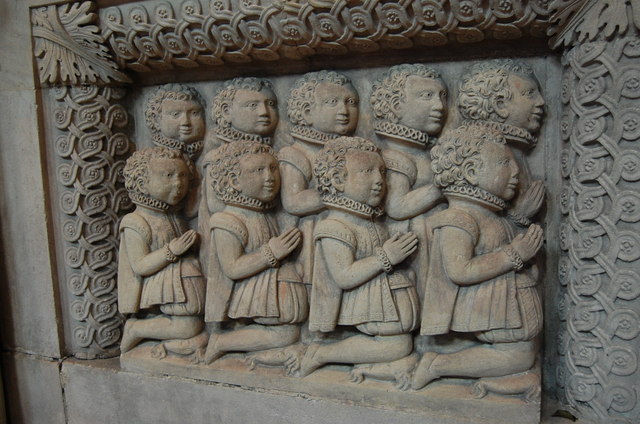
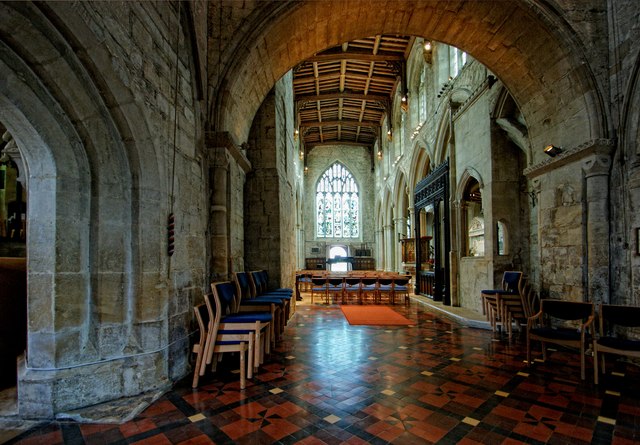
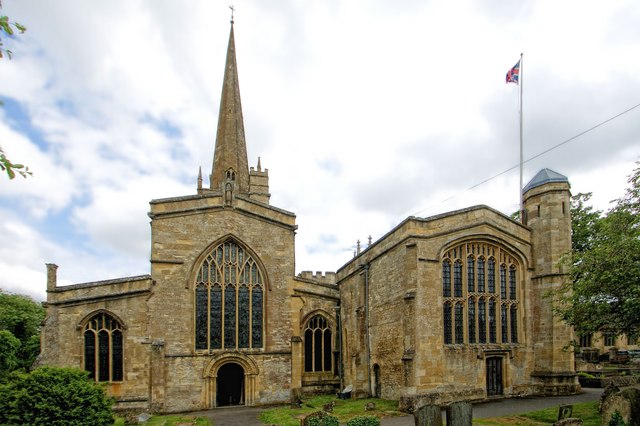
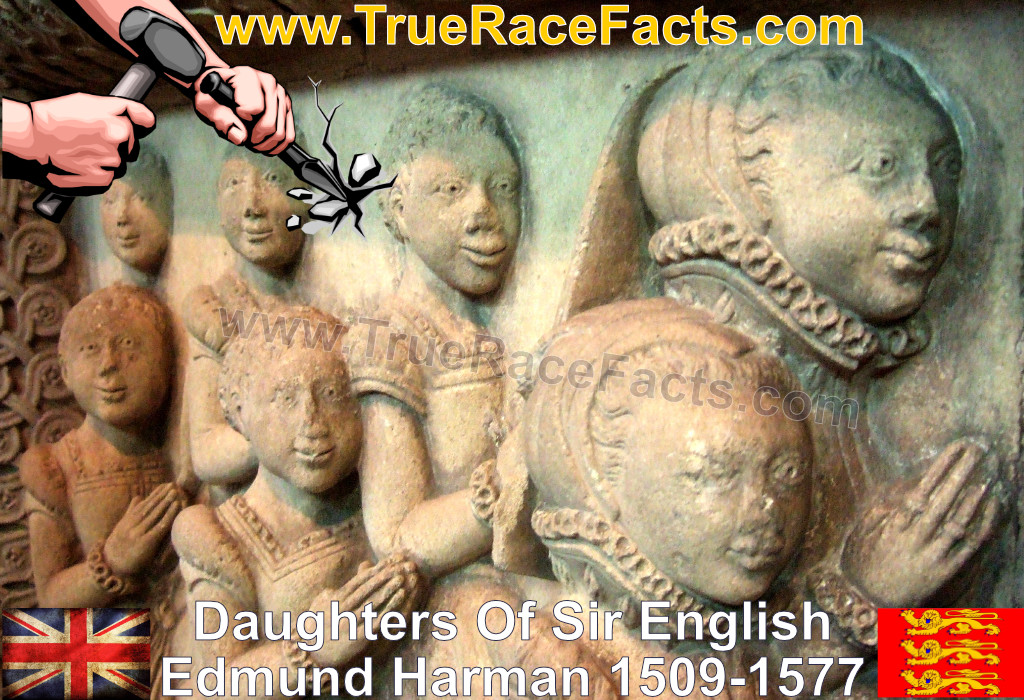
The tomb of Edmund Harman and his wife Agnes, located in St John the Baptist Church, Burford, Oxfordshire, depicts them alongside their sixteen children, though only two daughters survived into adulthood. While the monument has suffered deliberate damage—nose and lips filed down, paint removed—the surviving modelling clearly shows dark brown, swarthy complexions, affirming their Hebrew/Israelite heritage.
Despite claims by some that the tomb depicts “Native American Indians,” a careful study of the effigies shows that Edmund and Agnes were swarthy people, and the misidentification appears to have been an attempt to obscure their lineage. The artist’s choice to depict them in American-style dress may reflect knowledge of historic family connections to the diaspora — a subtle acknowledgment of the family’s biblical lineage.
Harman’s influence extended beyond the royal court. He lived in Burford, leveraging his royal connections to benefit his community, funding almshouses for the poor, and leaving a tangible legacy that survived long after Henry VIII’s reign. The family tomb remains a significant part of the church’s history, bearing witness to the enduring nobility and identity of the Harman family, despite centuries of erasure.
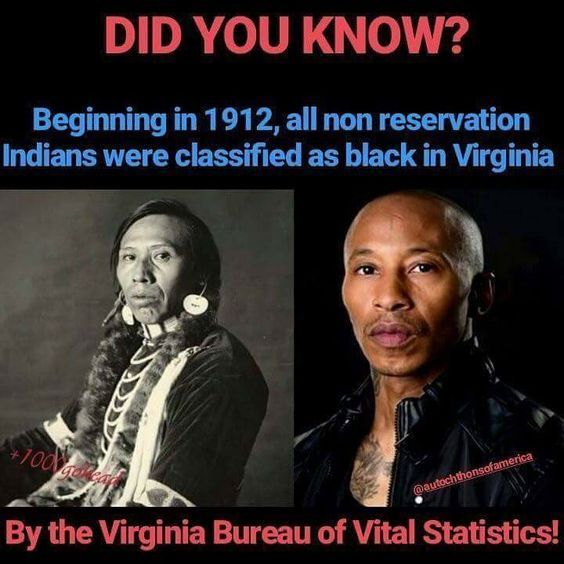
My Conclusion
The monument of Edmund Harman and his wife depicts Native American Indians likely because Edmund knew they were of the same biblical lineage.
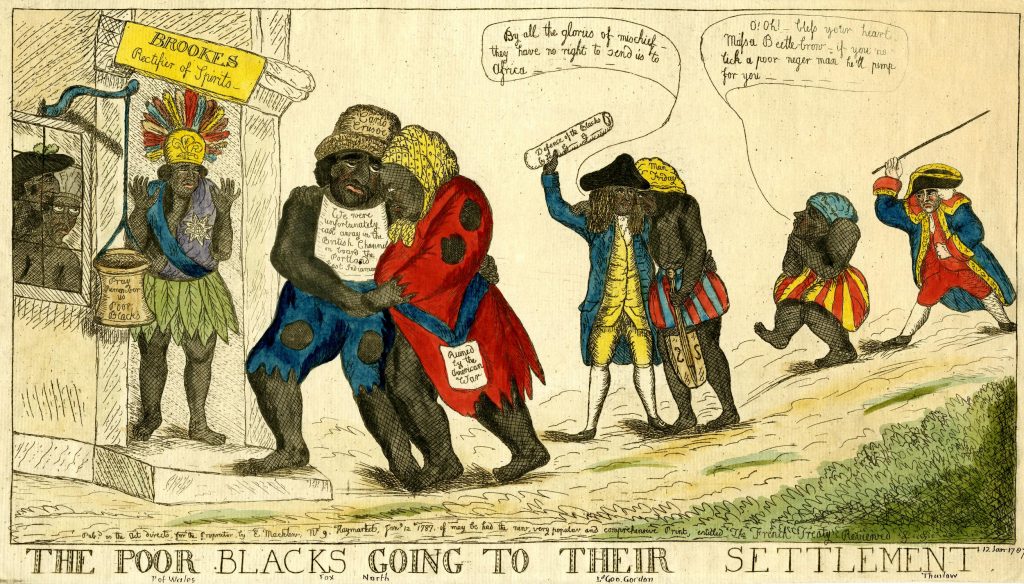
This painting intended to mock the once-ruling race is the summary of what happened when they removed my people from our ancient homeland Britain. Notice the artist depicts us dressed like our family members of America, this is because they knew we had a family connection.
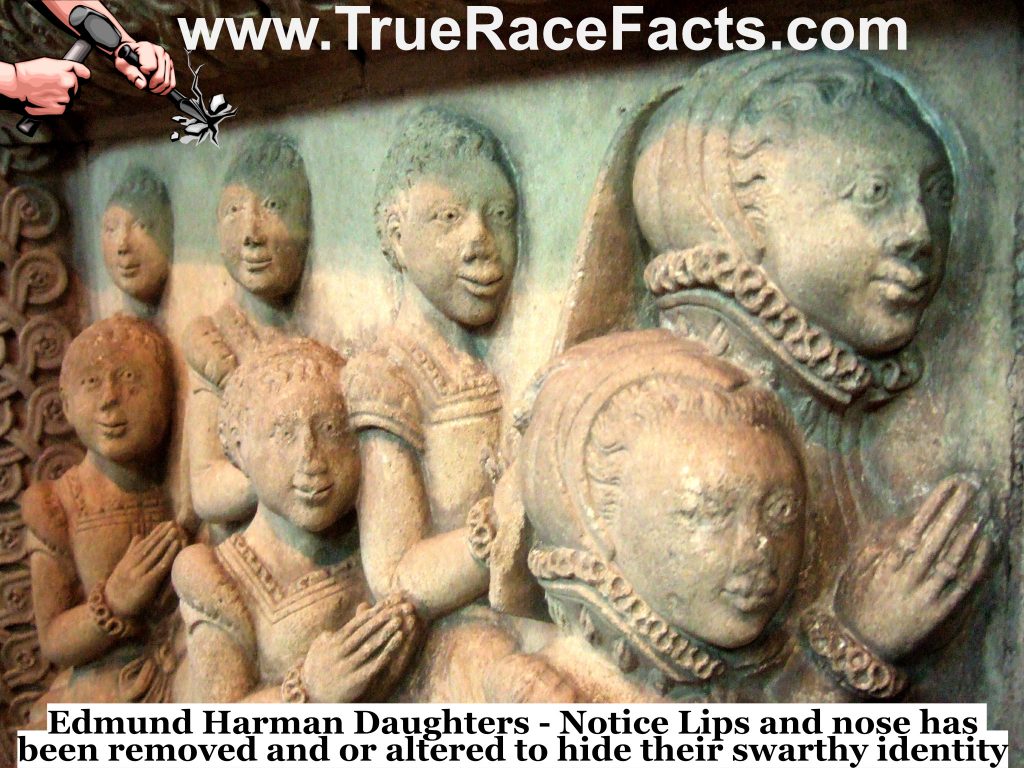
Nose and lips damaged to hide their true dark brown phenotype.
Hebrew/Israelite Heritage
Edmund Harman’s effigy, together with his family, demonstrates a conscious link to Hebrew/Israelite ancestry. The deliberate targeting of facial features — sanding down the nose and lips — mirrors a pattern seen across Britain, where the true identities of swarthy nobles were systematically obscured. The Harman family monument quietly preserves what history often tried to erase: nobility, heritage, and a lineage rooted in Israel.
“Even when paint is scraped and features are defaced, the true face beneath speaks — a lineage, a nobility, and a truth rooted in Israel that refuses to be hidden.”
Guinevere Jackson
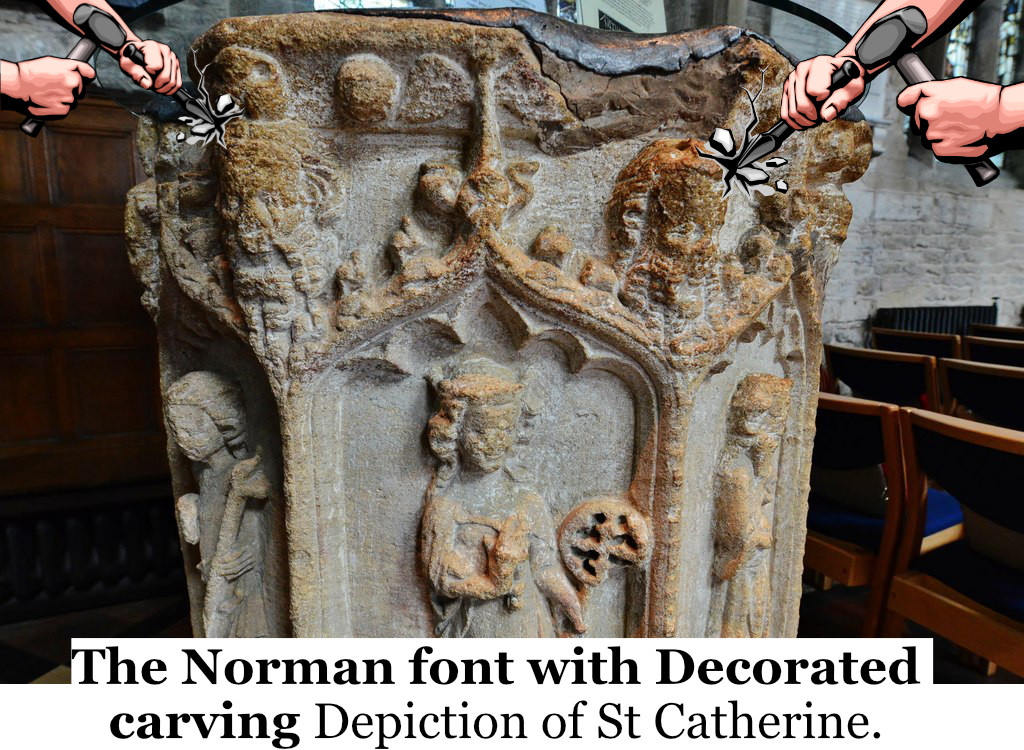
Citation: Main image of tomb Edmund Harman. (2024, February 25). In Wikipedia. Font Image © Copyright Michael Garlick and licensed for reuse under this Creative Commons Licence.https://en.wikipedia.org/wiki/Edmund_Harman https://www.treasurerealm.com/coinpapers/england/coins/S1416
Image Harman Daughter ©Julian P Guffogy shared under Creative Commons Licence
 Donate