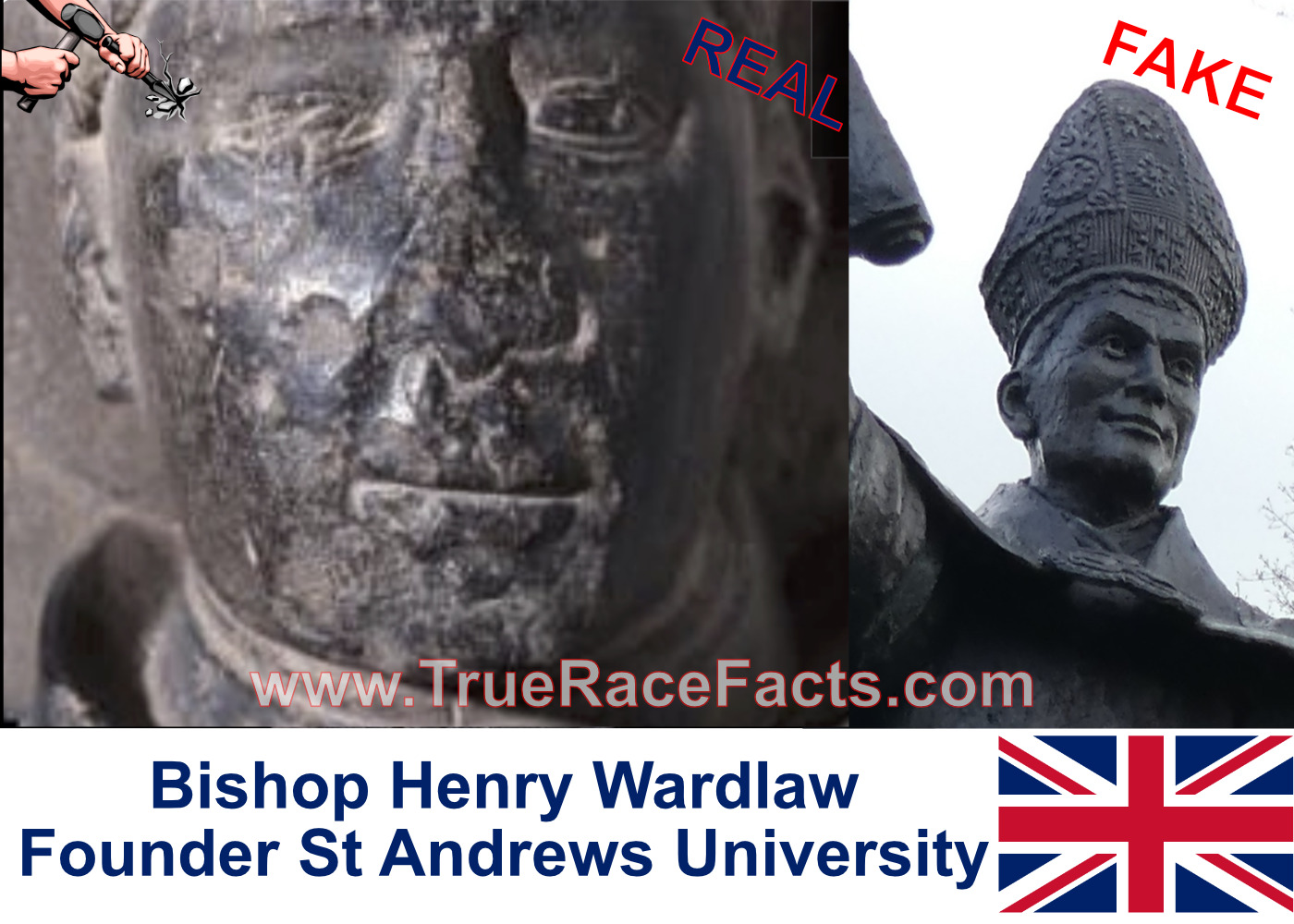
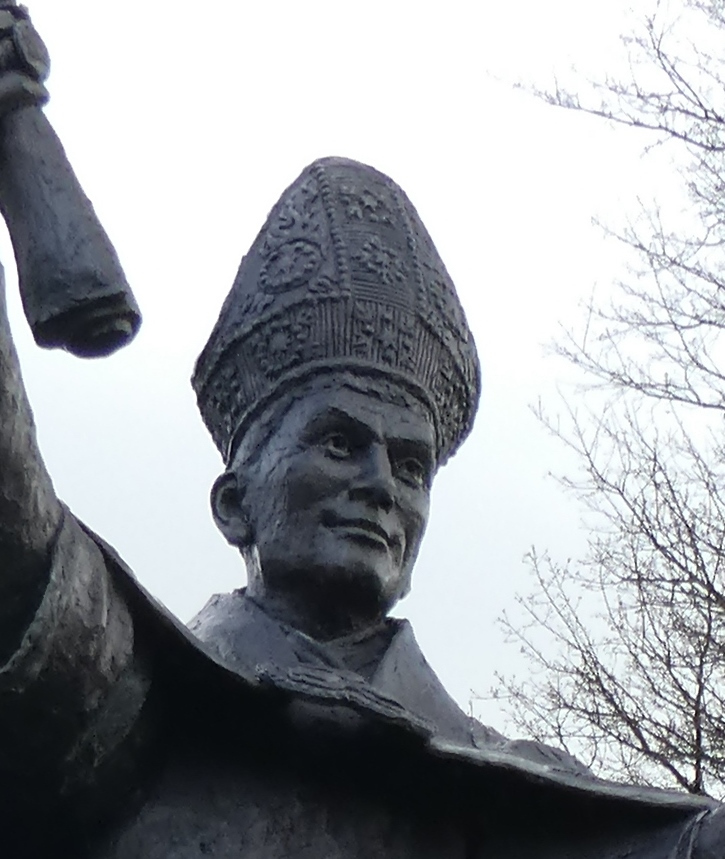
Bishop Henry Wardlaw Founder St Andrews University Scotland
- Guinevere Jackson
- 31 December 2025
- 0 Comment

Henry Wardlaw (d. 6 April 1440): The Bishop Whose Face Was Rewritten
Henry Wardlaw, Bishop of St Andrews and founder of the University of St Andrews, was not merely a churchman. He was of ancient noble stock, descended from a Saxon family that came to Scotland with Edgar Ætheling, the last legitimate heir of the Anglo-Saxon royal house of England.
This matters.
Edgar Ætheling’s migration north after the Norman Conquest brought with it a circle of dispossessed Saxon nobility, families of lineage, learning, and authority who were absorbed into the Scottish elite. Wardlaw’s ancestry places him firmly within this ancient ruling class—long before later racial narratives attempted to recast Britain’s past.
His position, therefore, was not accidental. His rise was not symbolic. It was inherited authority.
And yet, it is not his bloodline or achievements that raise the most urgent questions today—it is his effigy.
A Monument Carefully Preserved — and Selectively Altered
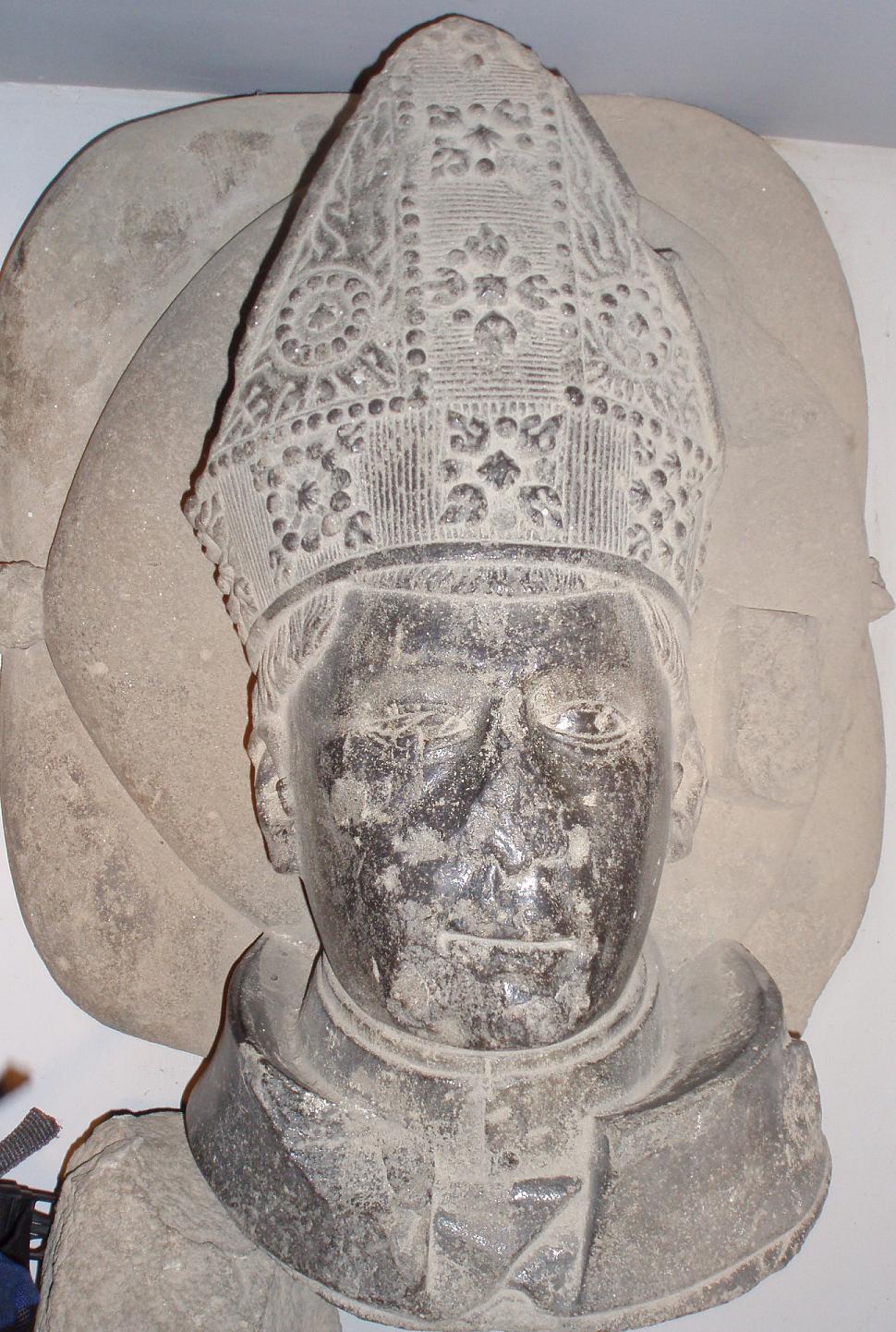
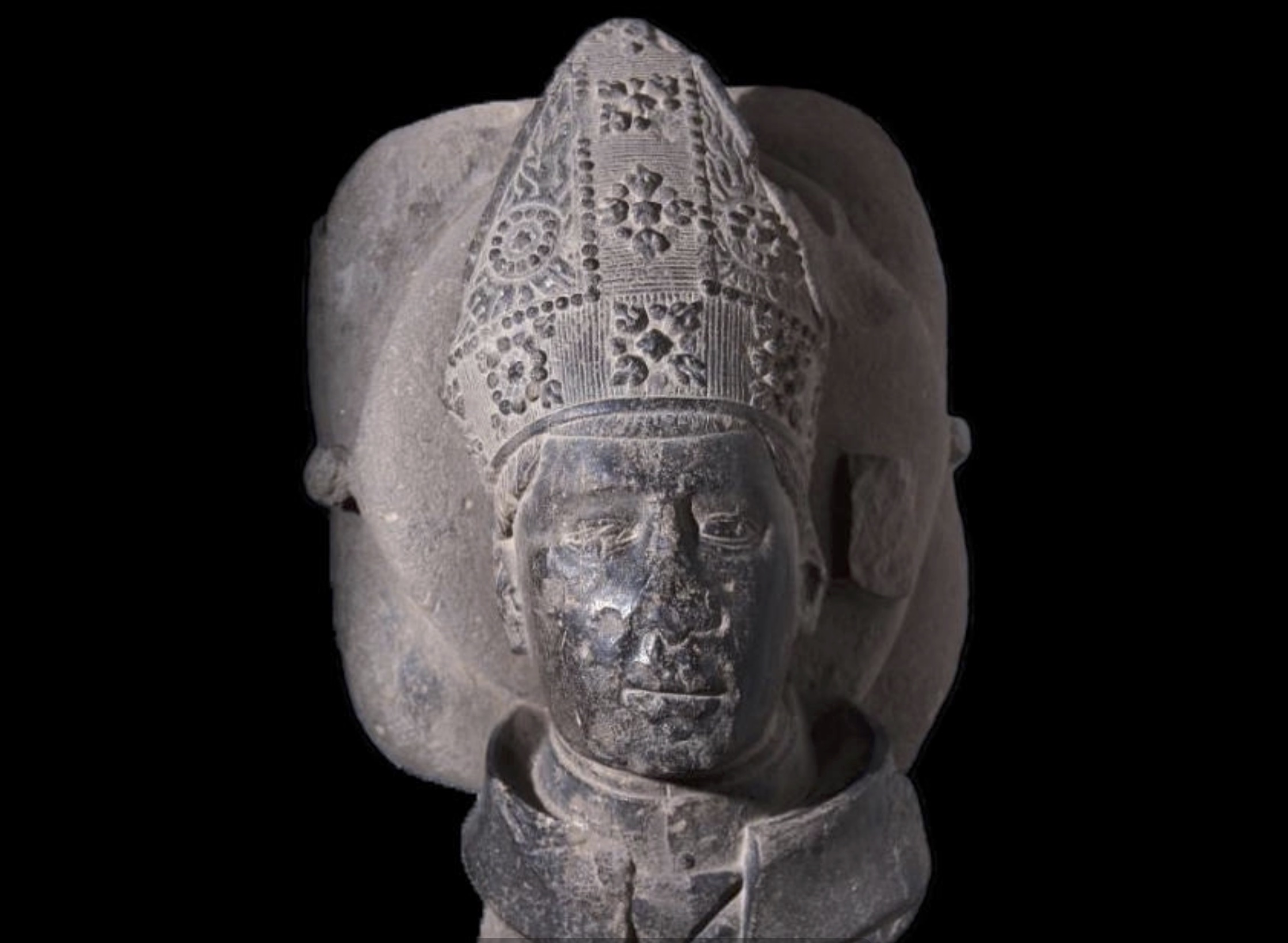
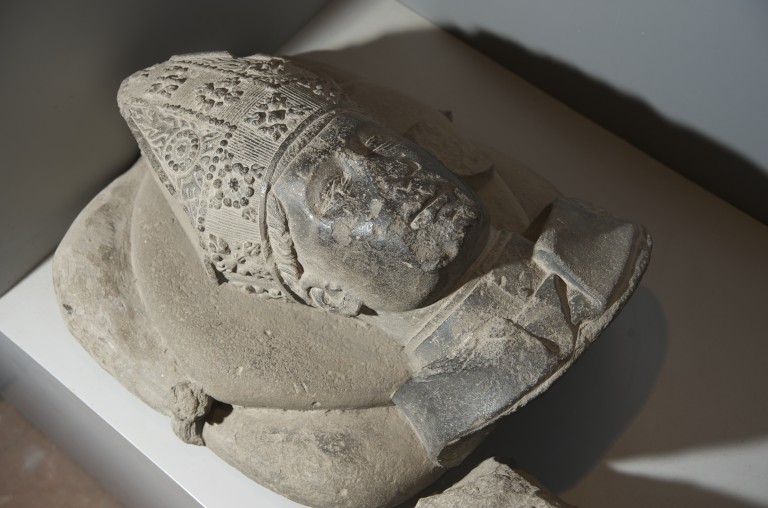
Henry Wardlaw’s funerary monument survives in notable condition. His episcopal mitre—the “fish hat” symbolising apostolic succession—is sharply carved and intact. His vestments retain detail. The monument has clearly been maintained rather than neglected.
But the face tells another story.
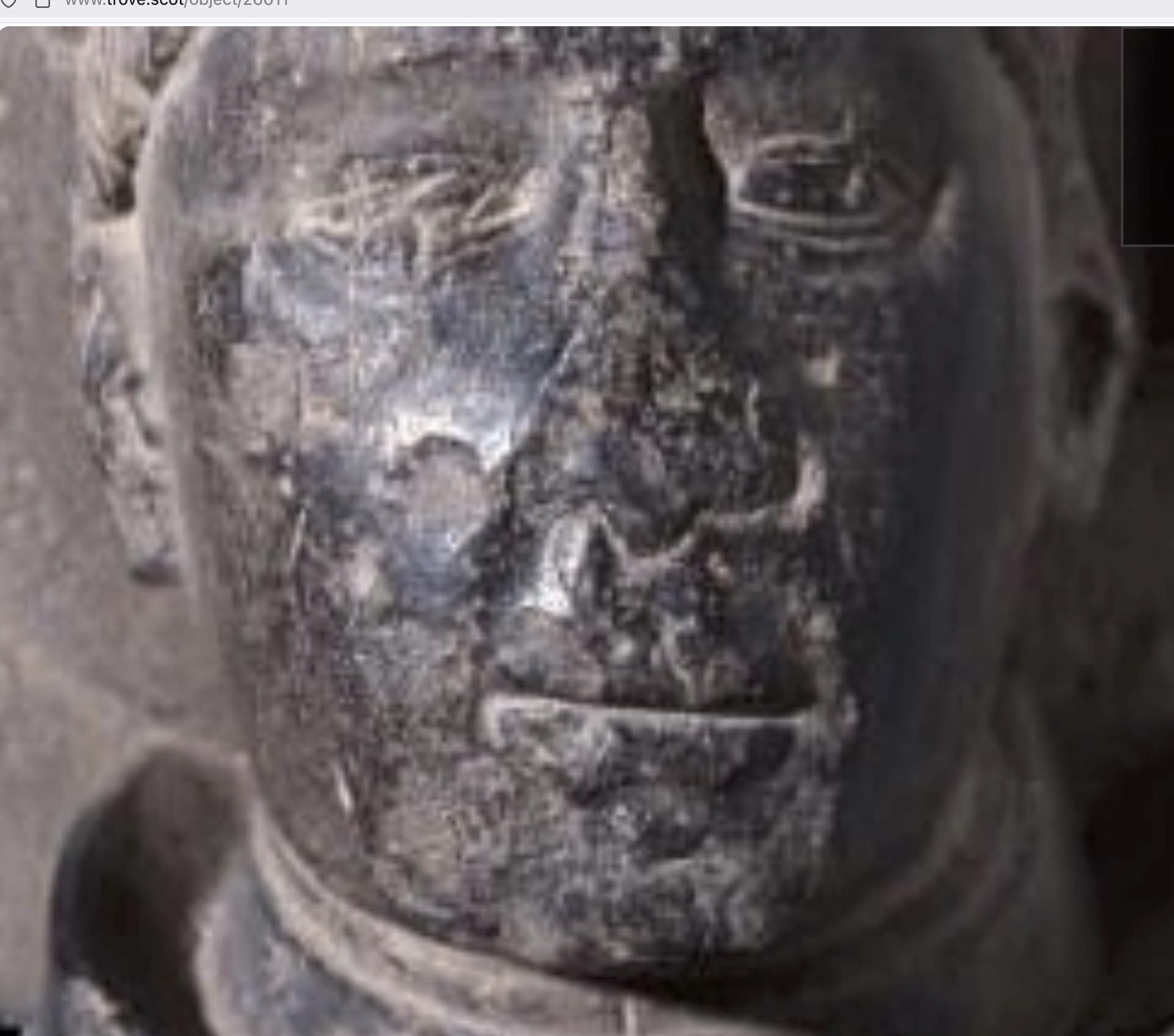
Wardlaw’s nose and lips have been visibly sanded down, while the surrounding stone remains defined. This is not uniform erosion. It is selective smoothing. The most identity-defining features alone have been diminished.
Equally revealing is the treatment of his hair. The carving appears to have been re-worked, chiselled into a form consistent with later Caucasian ideals rather than medieval realism. Yet even this intervention fails to fully disguise what remains.
Despite the sanding, the proportions of the nose and lips still reflect swarthy physiognomy, contradicting the attempted revision. The stone resists the narrative imposed upon it.
Noble Blood, Swarthy Features, Sacred Authority
Wardlaw’s ancestry as a Saxon noble descendant of Edgar Ætheling places him among Britain’s pre-Norman ruling elite—a class increasingly misrepresented in modern historical imagery.
As Bishop of St Andrews—the most powerful ecclesiastical seat in Scotland—and founder of its first university, Wardlaw embodied spiritual authority, intellectual leadership, and inherited nobility.
That such a figure later required visual “correction” reveals a discomfort not with his office, but with his appearance.
His authority could be remembered.
His institutions could endure.
But his face became inconvenient.
A Pattern Written in Stone
Wardlaw’s effigy does not stand alone.
Across Britain’s churches and abbeys, a repeating pattern emerges:
Mitres preserved
Vestments intact
Symbols honoured
Faces altered
The mitre represents authority and succession.
The crozier represents power.
The garments represent holiness.
But the face—identity itself—becomes negotiable.
This is not random decay. It is curated memory.
“When monuments are edited rather than destroyed, it is not decay we are witnessing, but discomfort with the truth.”
Guinevere Jackson
Image citation Wikipedia, www.trove.scot – see image for further sources
 Donate