Sir John de Bermingham The House That Ruled Birmingham
- Guinevere Jackson
- 25 December 2025
- 0 Comment
Sir John de Bermingham (d. c.1400): Swarthy Nobility and Israelite Heritage in Medieval Birmingham
Before Birmingham became the bustling city we know today, it was the seat of the de Bermingham family aka Birmingham, one of England and Ireland’s most powerful medieval noble houses. Sir John de Bermingham, who died around 1400, was a member of this lineage—a knight, landholder, and swarthy noble whose legacy is written in stone, heraldry, and symbolic alignment with Israelite tradition.
Birmingham and the de Bermingham Legacy
The city of Birmingham may take its name from the Old English Beormingahām (“home of Beorma”), but from the Norman period onward, Birmingham became inseparable from the de Bermingham family. They ruled the manor for generations, with Birmingham Castle as their seat, controlling the land, administering justice, and shaping the town’s identity. Names endure because power enforces them—and the de Berminghams’ influence ensured theirs would.
The Effigy: Stone That Speaks
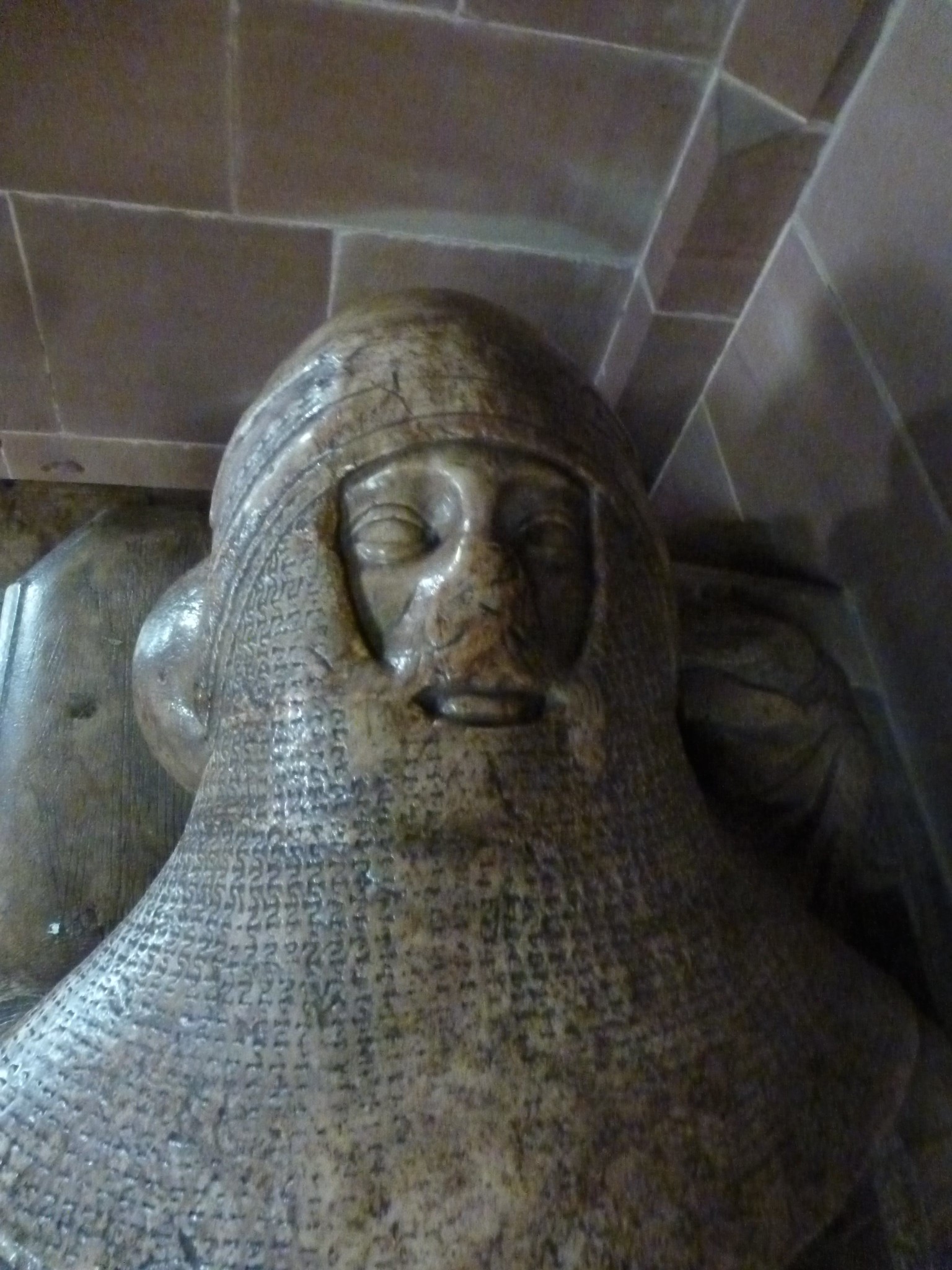
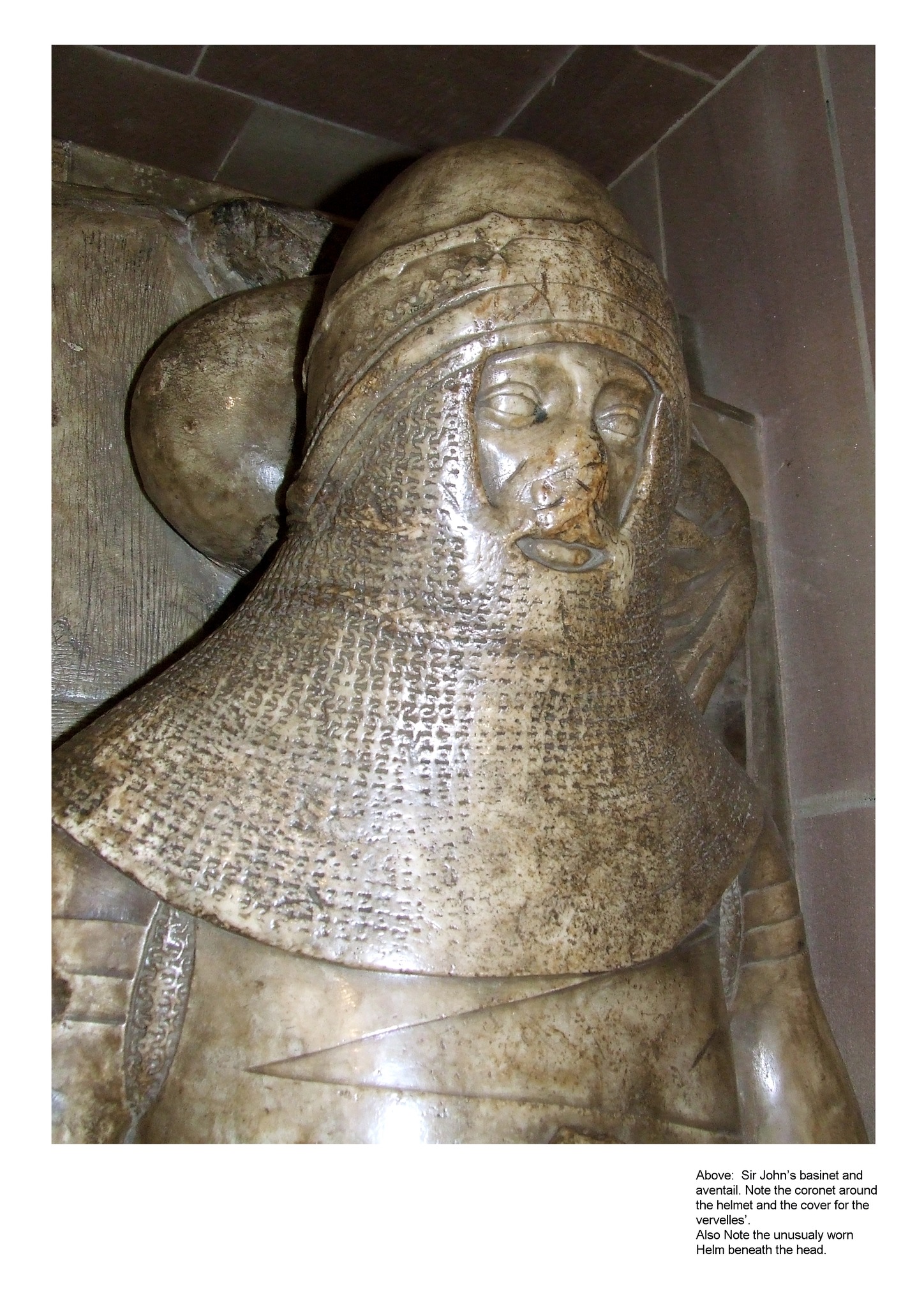
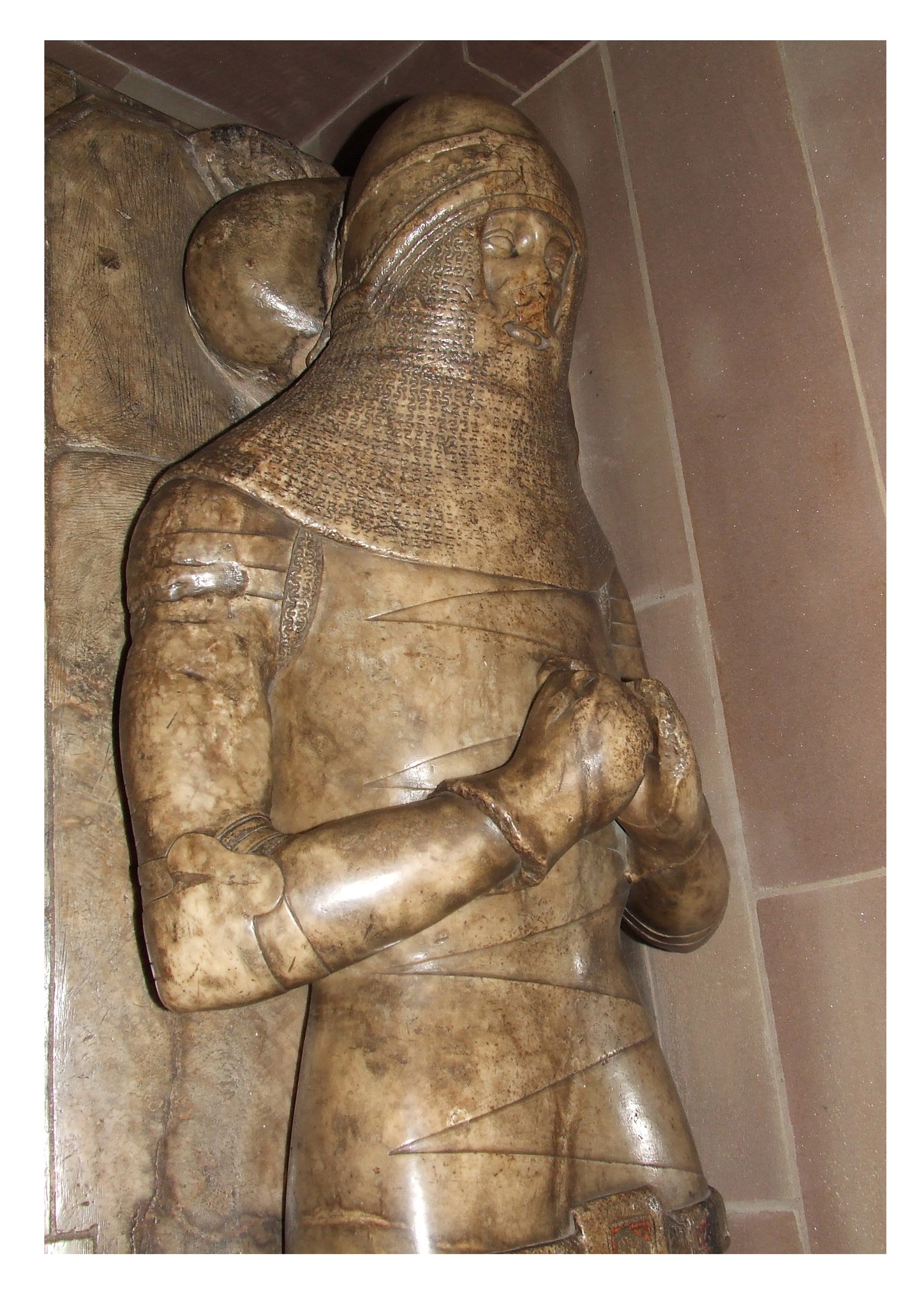
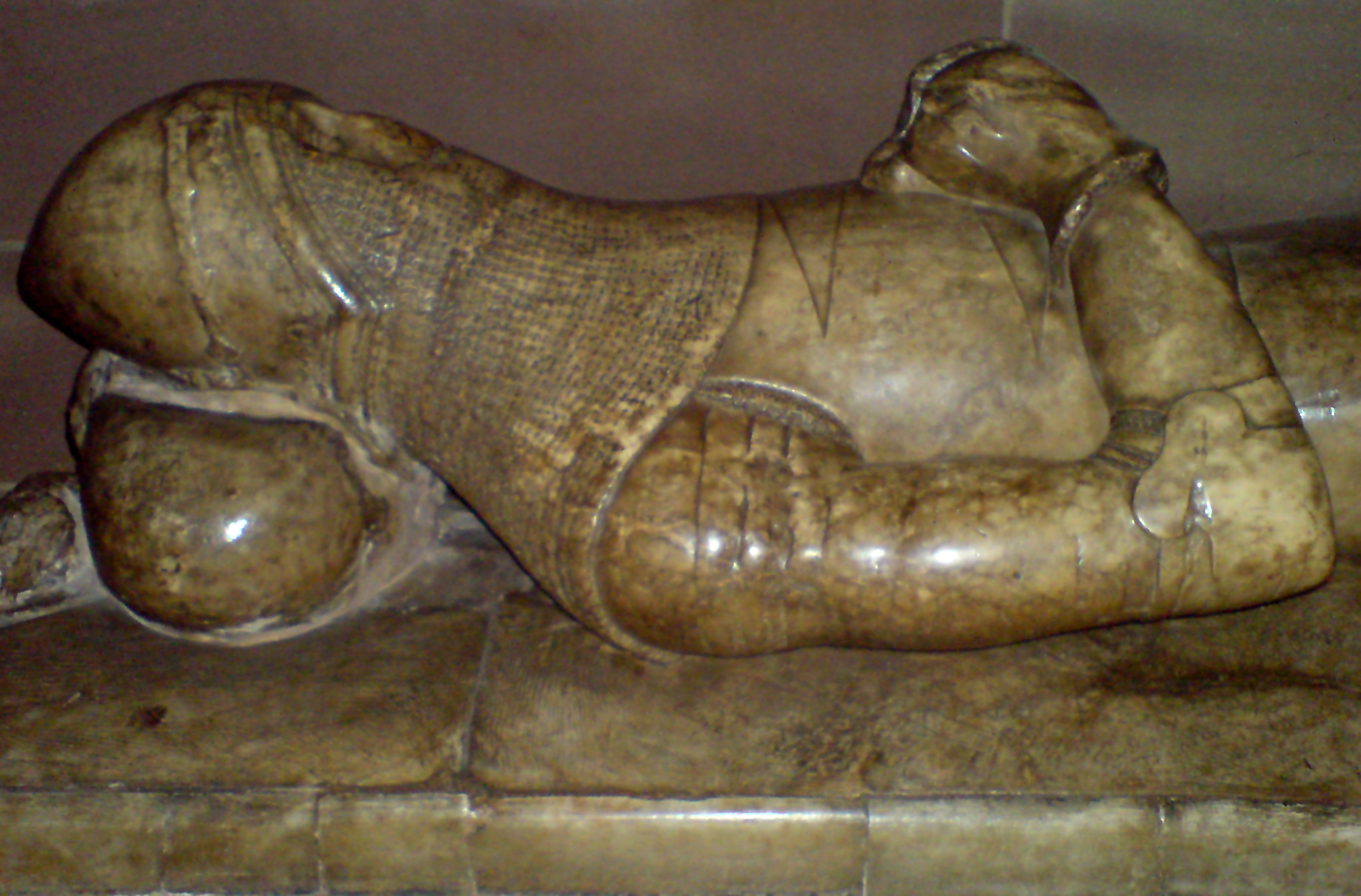
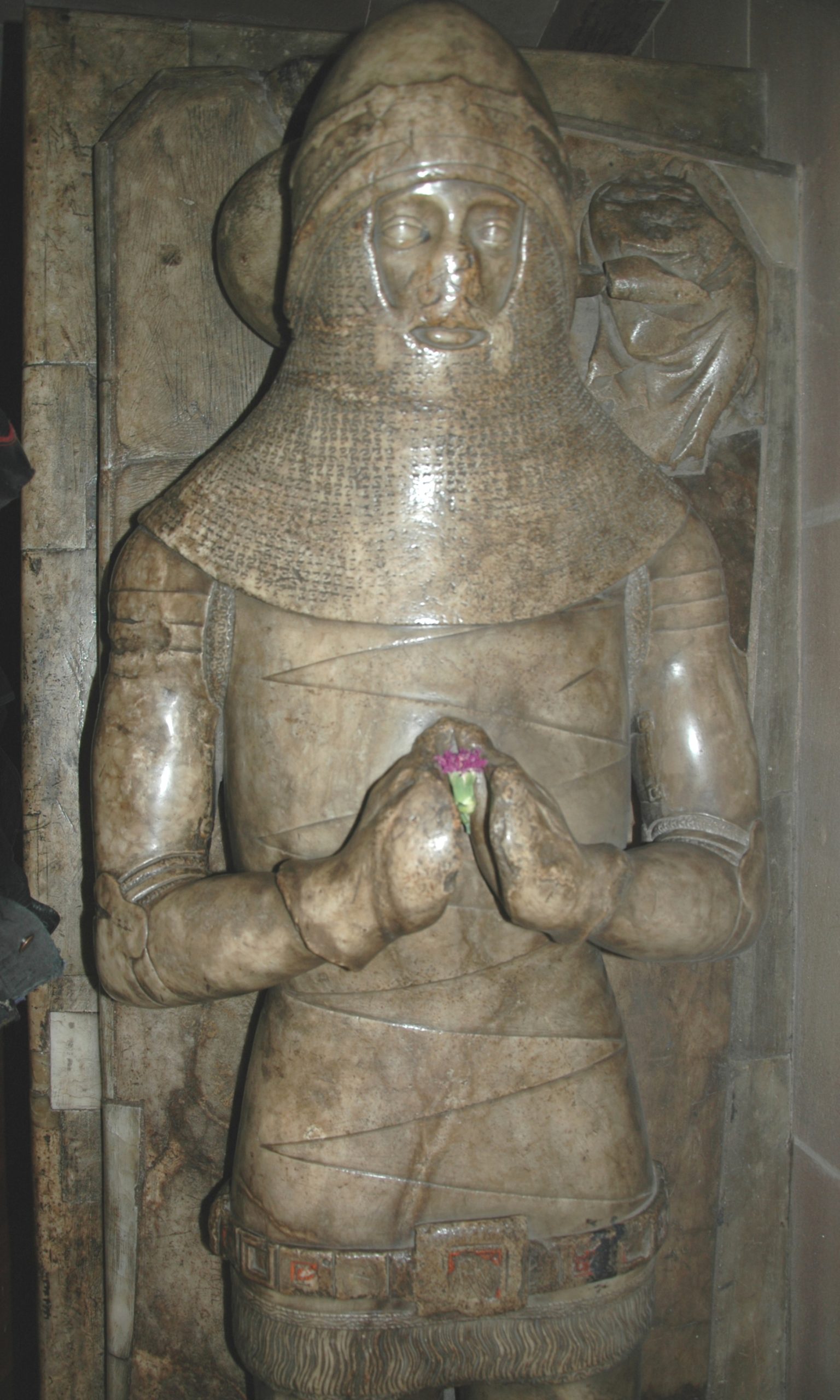
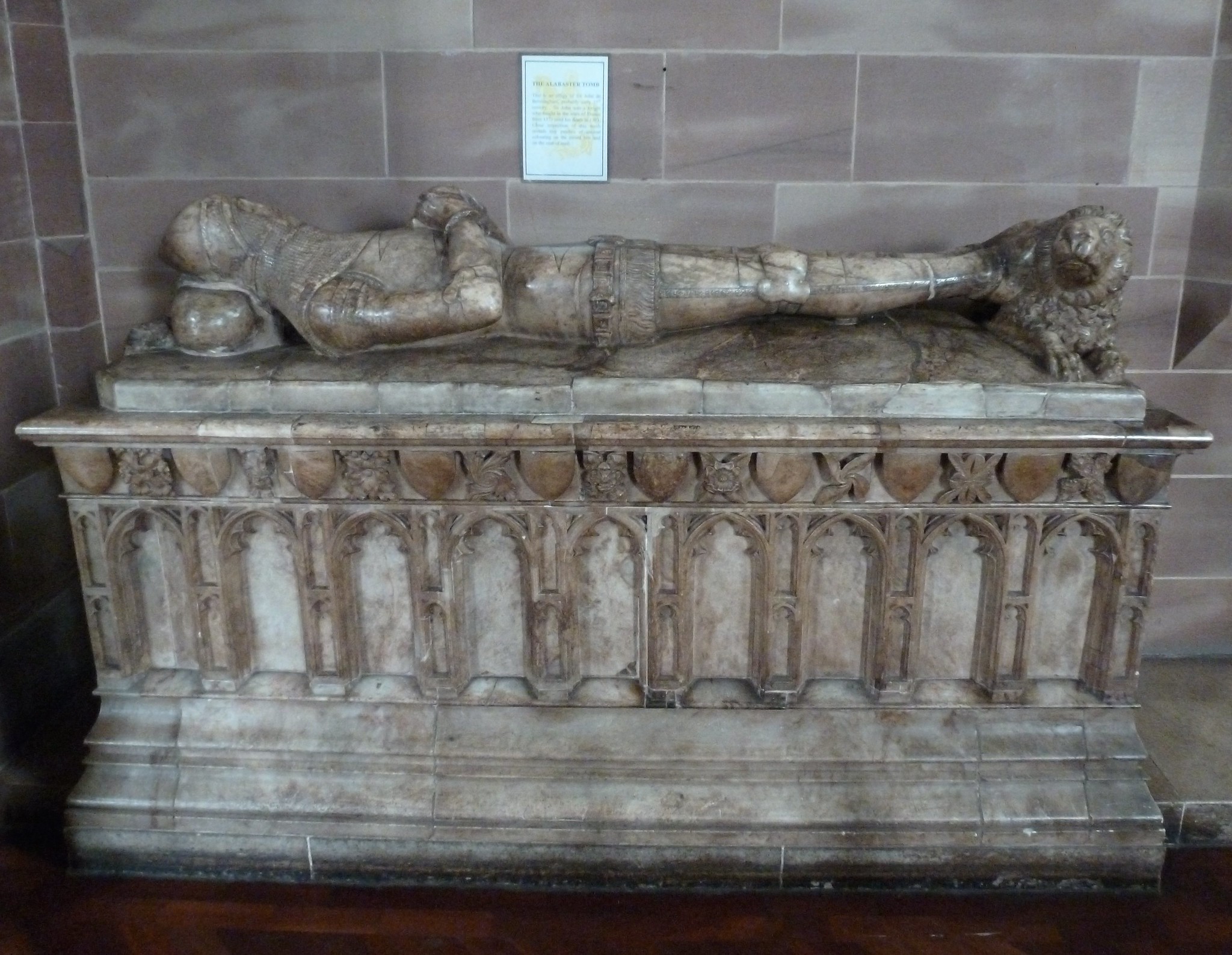
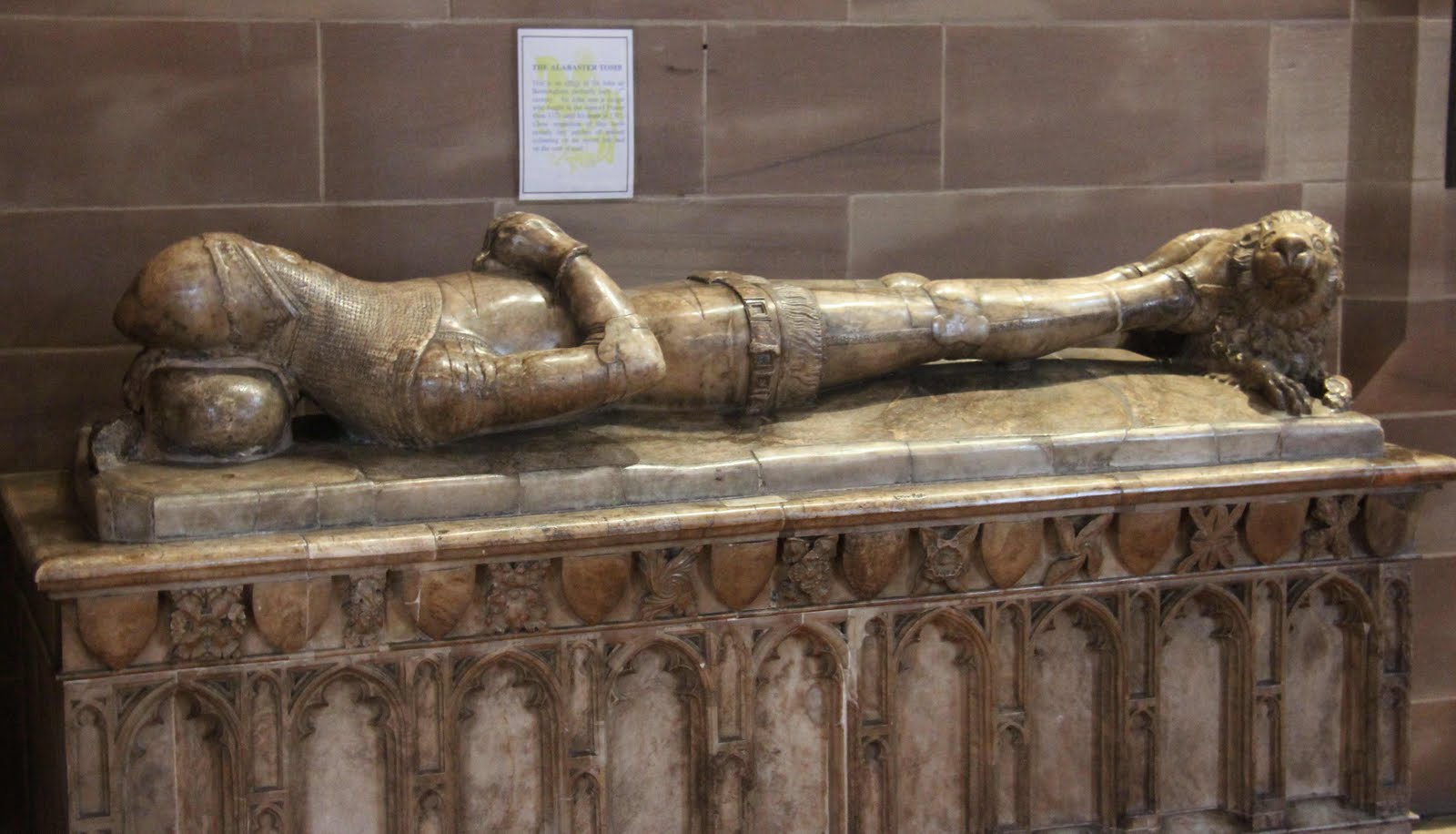
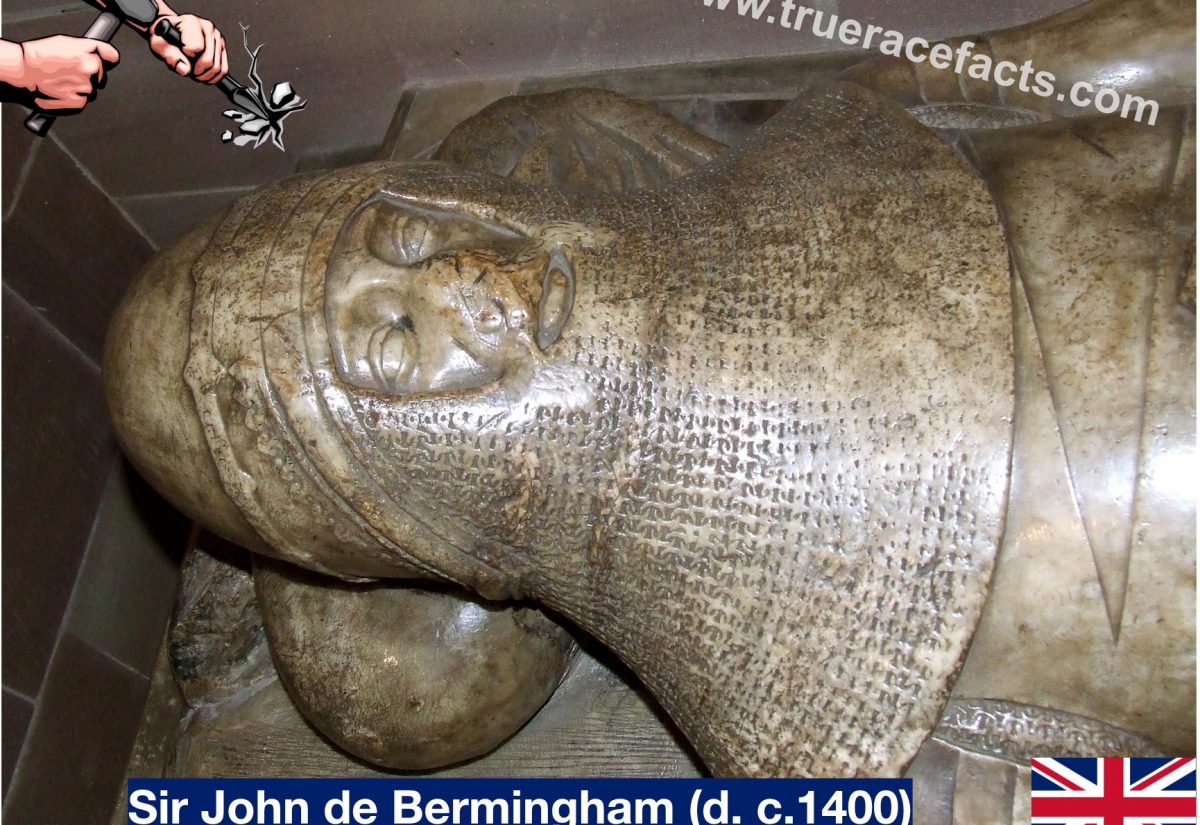
Sir John de Bermingham was commemorated with a funerary effigy, intended to preserve his likeness, rank, and lineage for eternity. Today, the effigy has suffered extensive damage:
Original paint has been stripped.
Nose and lips were deliberately sanded down.
Facial features that clearly conveyed his swarthy appearance were destroyed.
And yet—even in ruin—the outline remains. The cranial structure, facial silhouette, and proportions still speak of a swarthy man, confirming what the mutilation tried to erase.
This is no accident. Across medieval England and Ireland, effigies of darker-featured nobles were often deliberately defaced, targeting the very features that revealed African or Near Eastern ancestry. Even when paint, noses, and lips are gone, stone cannot hide the truth entirely.
Israelite Symbols and Spiritual Alignment
Sir John de Bermingham’s legacy also reveals a profound connection to Israelite tradition, even without evidence of an actual pilgrimage to the Holy Land. This connection is visible in several ways:
Heraldry: The de Berminghams incorporated the lion and harp into their arms and effigies. The lion evokes the tribe of Judah, a symbol of kingship and divine authority. The harp recalls King David and the sacred Israelite musical tradition.
Tomb Orientation: His tomb likely faced east, toward Jerusalem—a common practice symbolizing spiritual alignment with Christ’s second coming and the Holy Land.
Visual Signals: Even defaced effigies retain subtle shapes and carvings that declare Israelite heritage and spiritual allegiance, acting as a silent pilgrimage in stone.
Through these symbols, Sir John de Bermingham and his family made a spiritual journey visible, connecting their nobility to Israelite roots and the sacred tradition of the Hebrew people.
Stone Remembers
Sir John de Bermingham was not a marginal knight. He was a castle-holding, land-owning, swarthy noble, a man whose authority shaped Birmingham for generations. His effigy may have been defaced, his facial features erased, and his paint stripped, but the symbols, outlines, and heraldry speak louder than the vandals ever could.
Birmingham still carries the family name. The lion still echoes beneath knights’ feet in heraldry. The harp still resonates as a marker of Israelite lineage. And Sir John’s effigy, even in ruin, remains a testament to a nobility history tried to forget but could never fully erase.
Stone remembers. Land remembers. Heritage remembers. And so does Birmingham.
“When the face is destroyed but the symbols remain, it is because the lineage was too powerful to erase.”
Guinevere Jackson
Image citation Effigy images Flickr, FaceBook & Wikipedia
 Donate