Sir John de Lyons (c.1350): Swarthy Norman Nobility at Warkworth
Sir John de Lyons, who lived in the mid-fourteenth century, was a high-status English knight from one of the oldest Norman noble families in England. His lineage and landholding place him firmly within the ruling aristocracy, not on its margins.
The land on which the village of Warkworth, Northamptonshire, stands was granted to the Lyons family by William the Conqueror shortly after the Norman Conquest of 1066. This grant positioned the family among the trusted Norman elite who were rewarded with estates, authority, and power for their loyalty. Remarkably, the Lyons family retained Warkworth from the late 11th century until the 15th century, a period of nearly four hundred years of continuous noble possession.
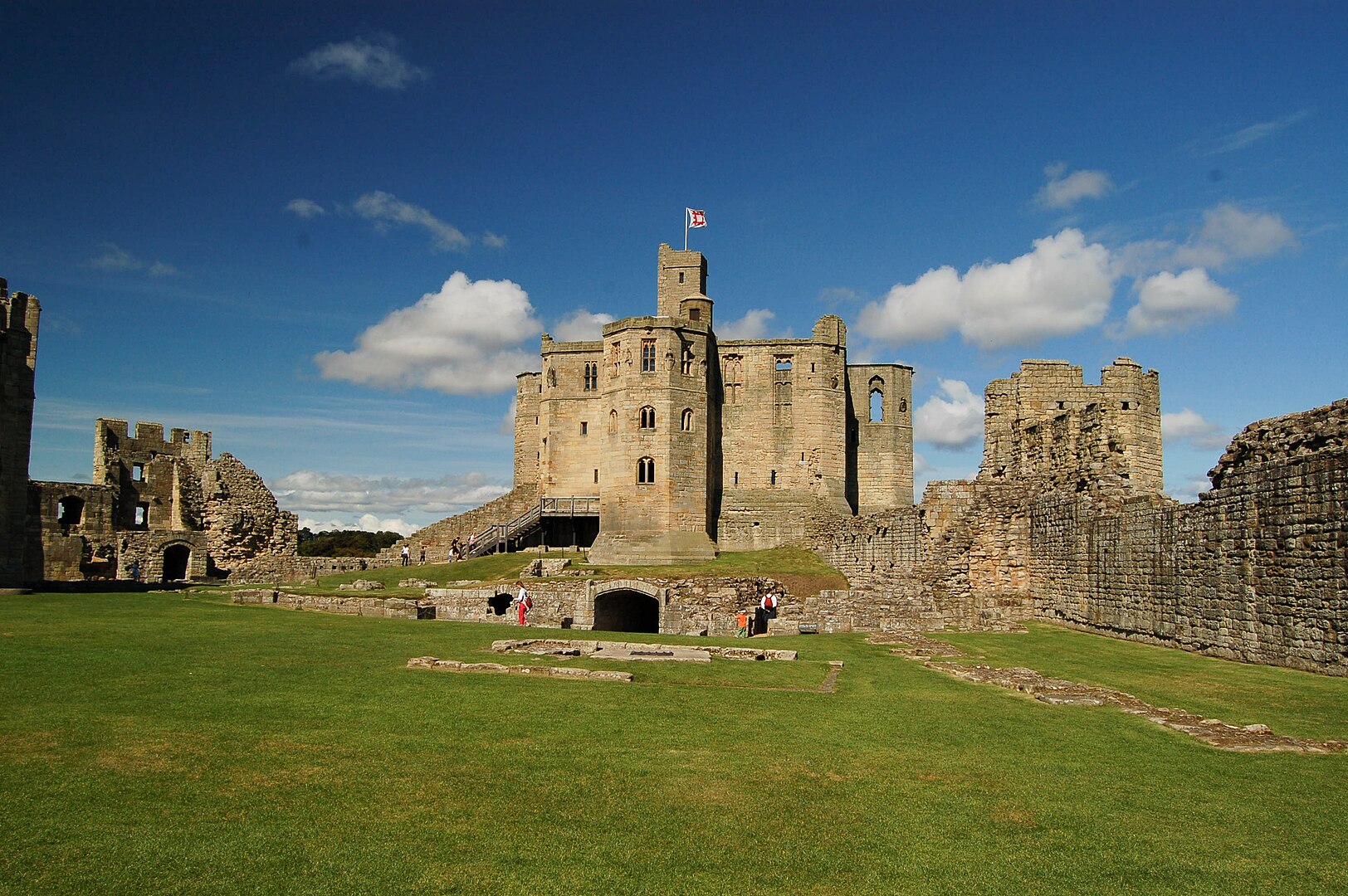
Their seat was Warkworth Castle, a clear marker of baronial rank. Castles were not decorative residences; they were centres of governance, military command, and lordship. Sir John de Lyons was therefore a man of inherited power, land, and noble standing within medieval England.
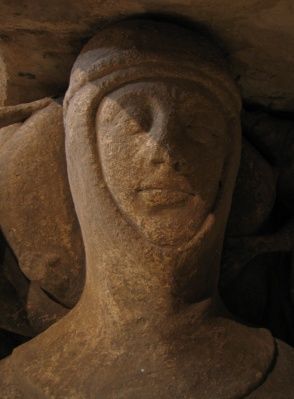
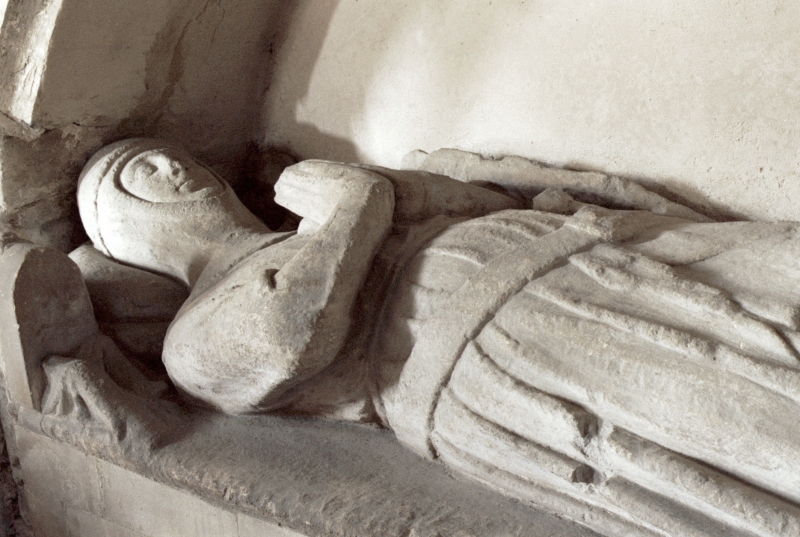
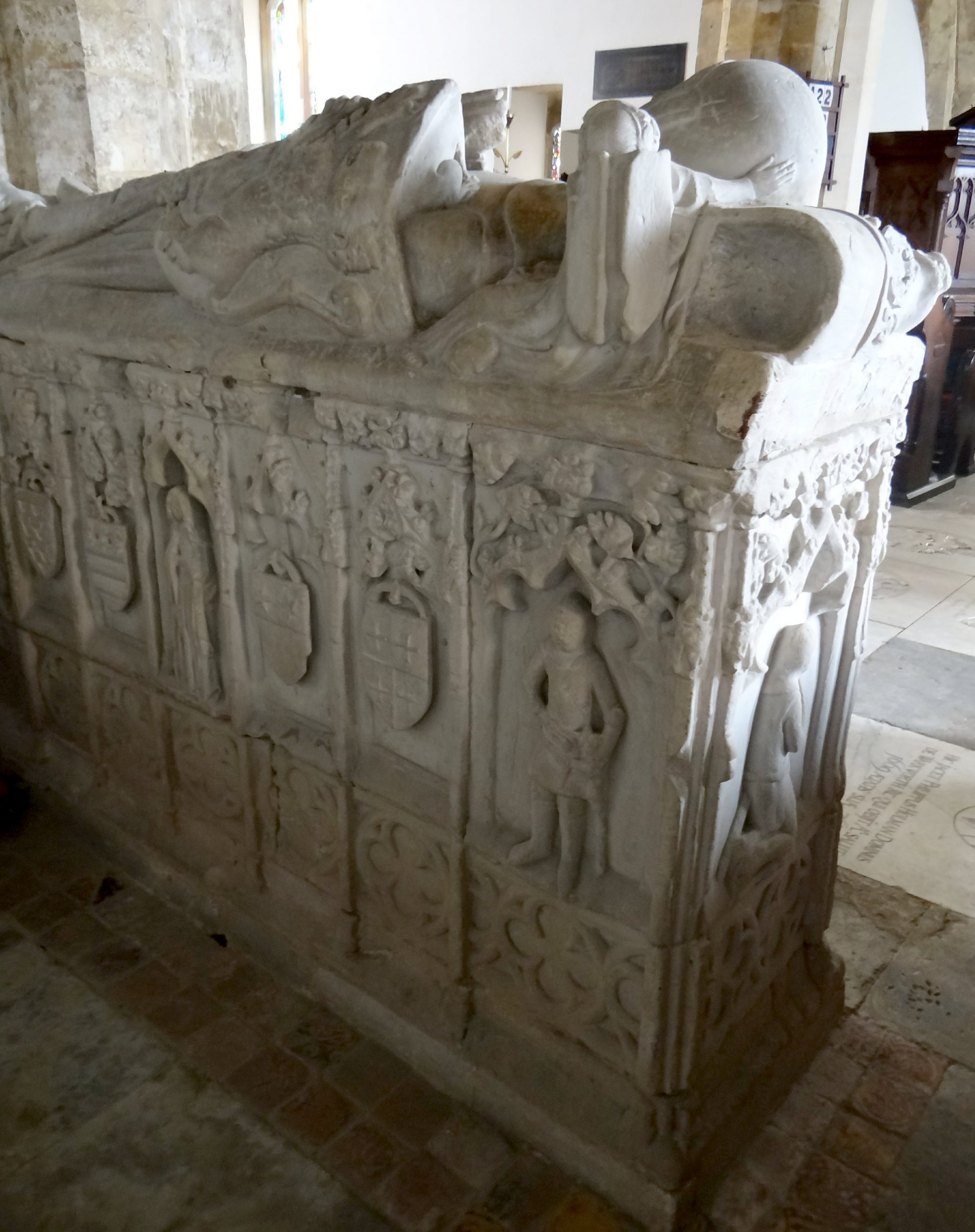
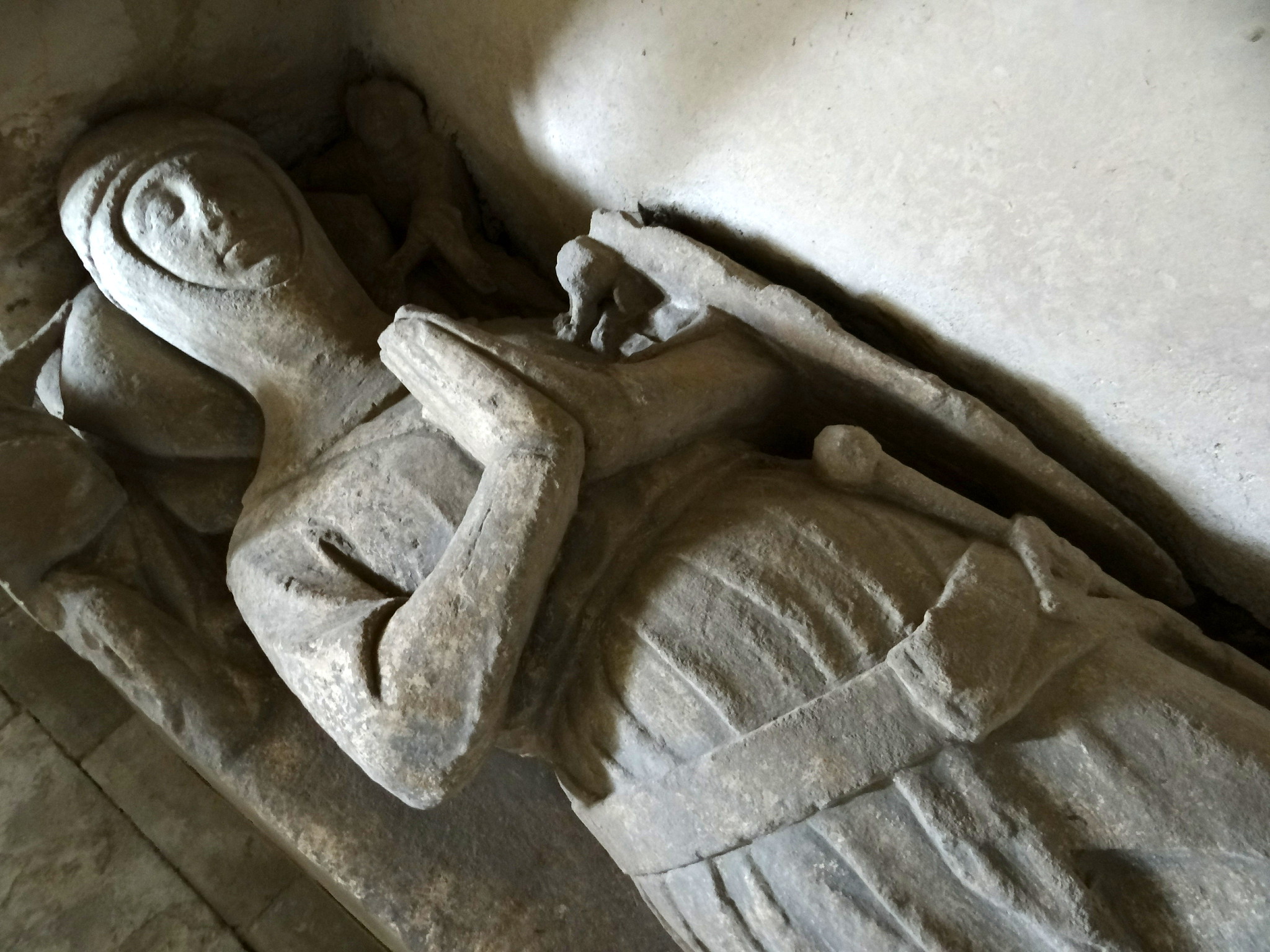
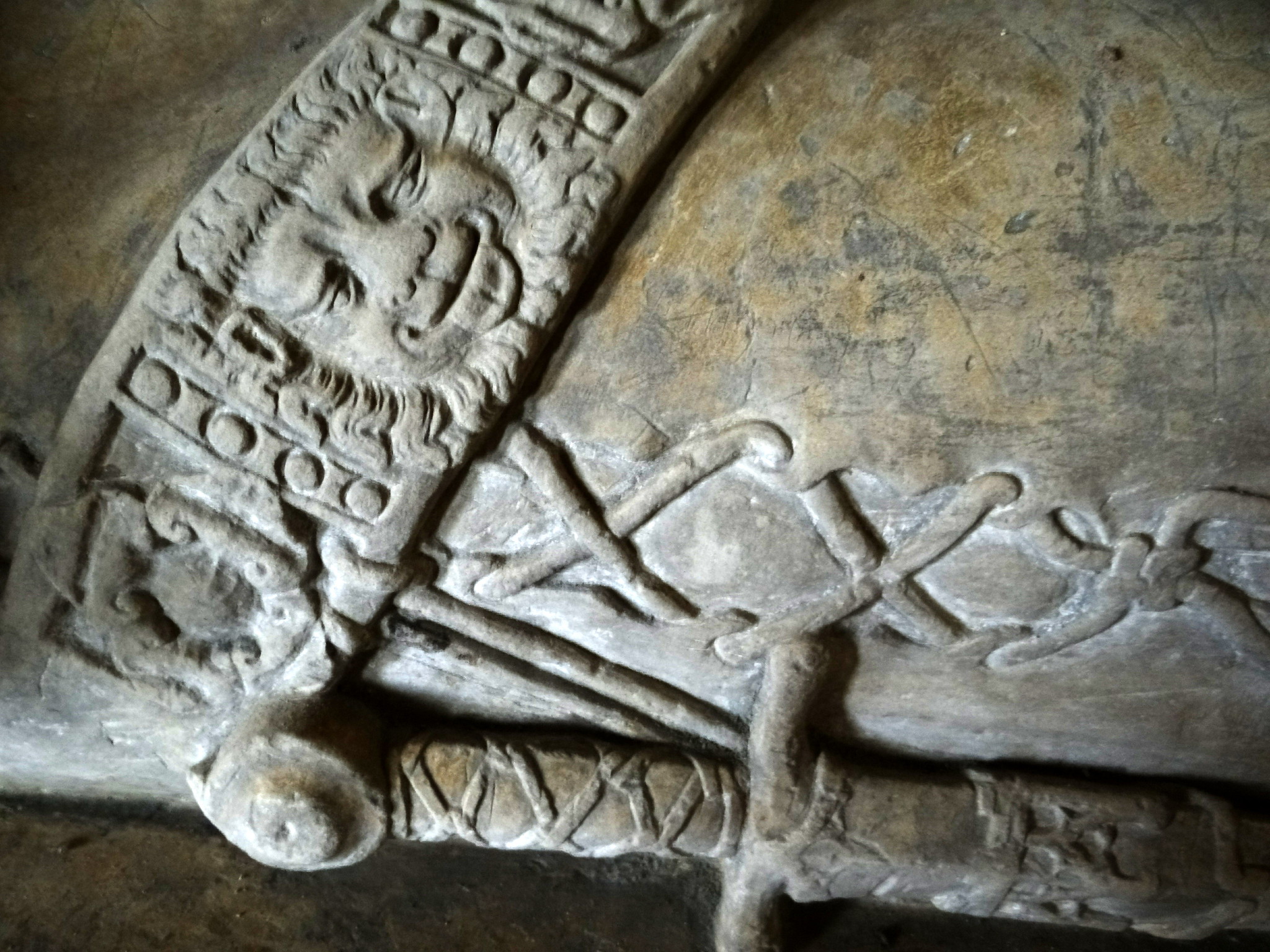
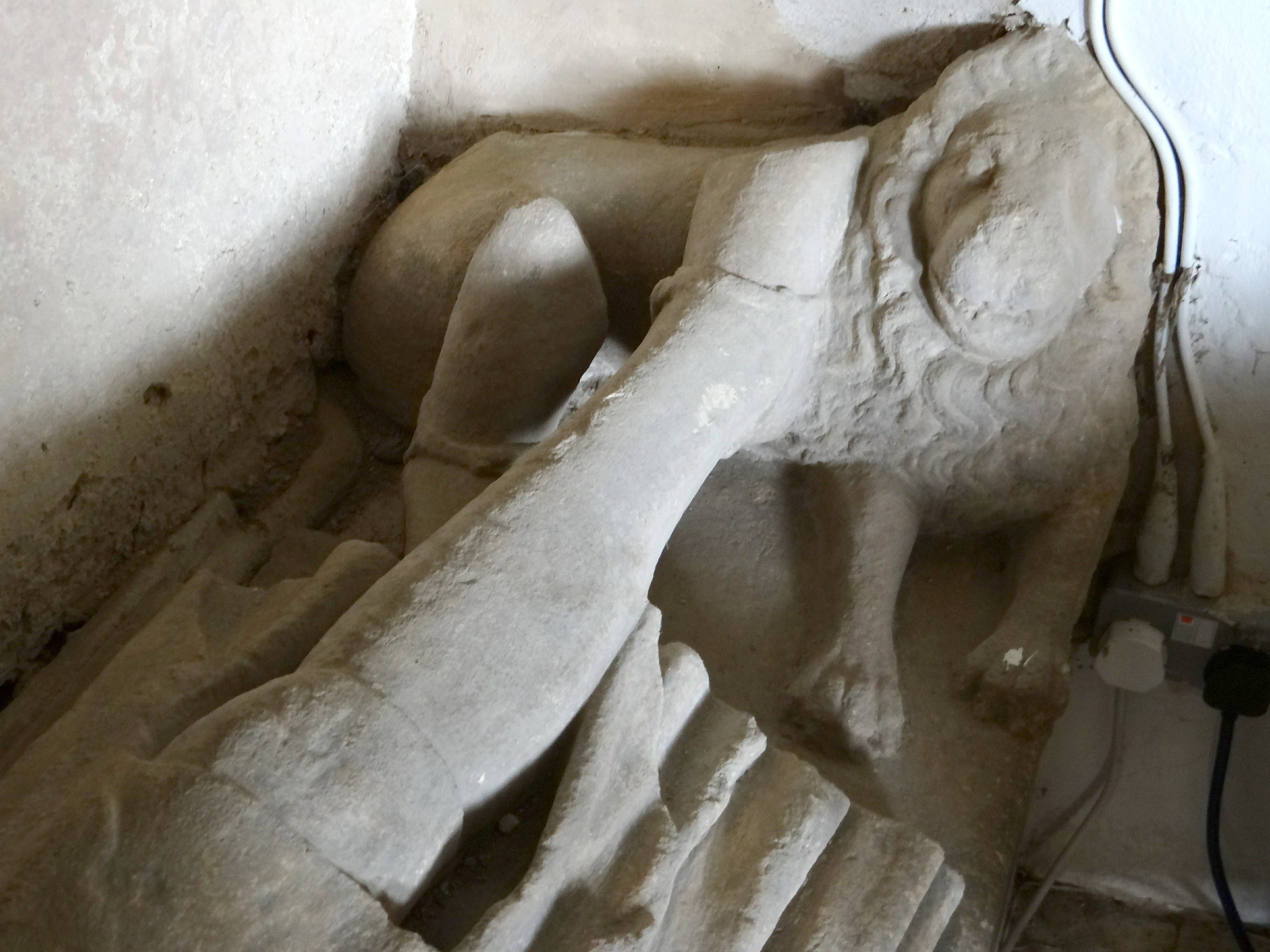
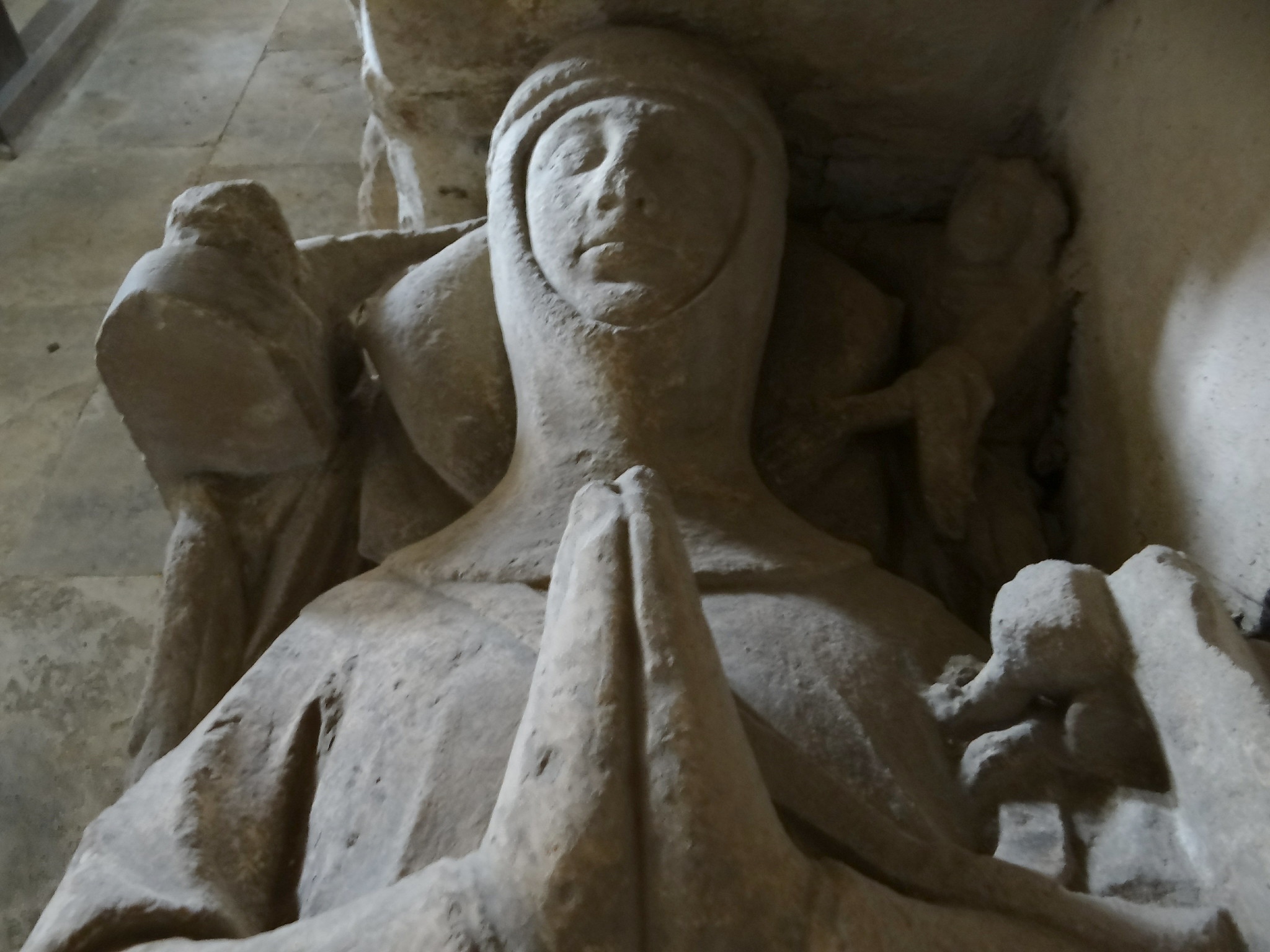
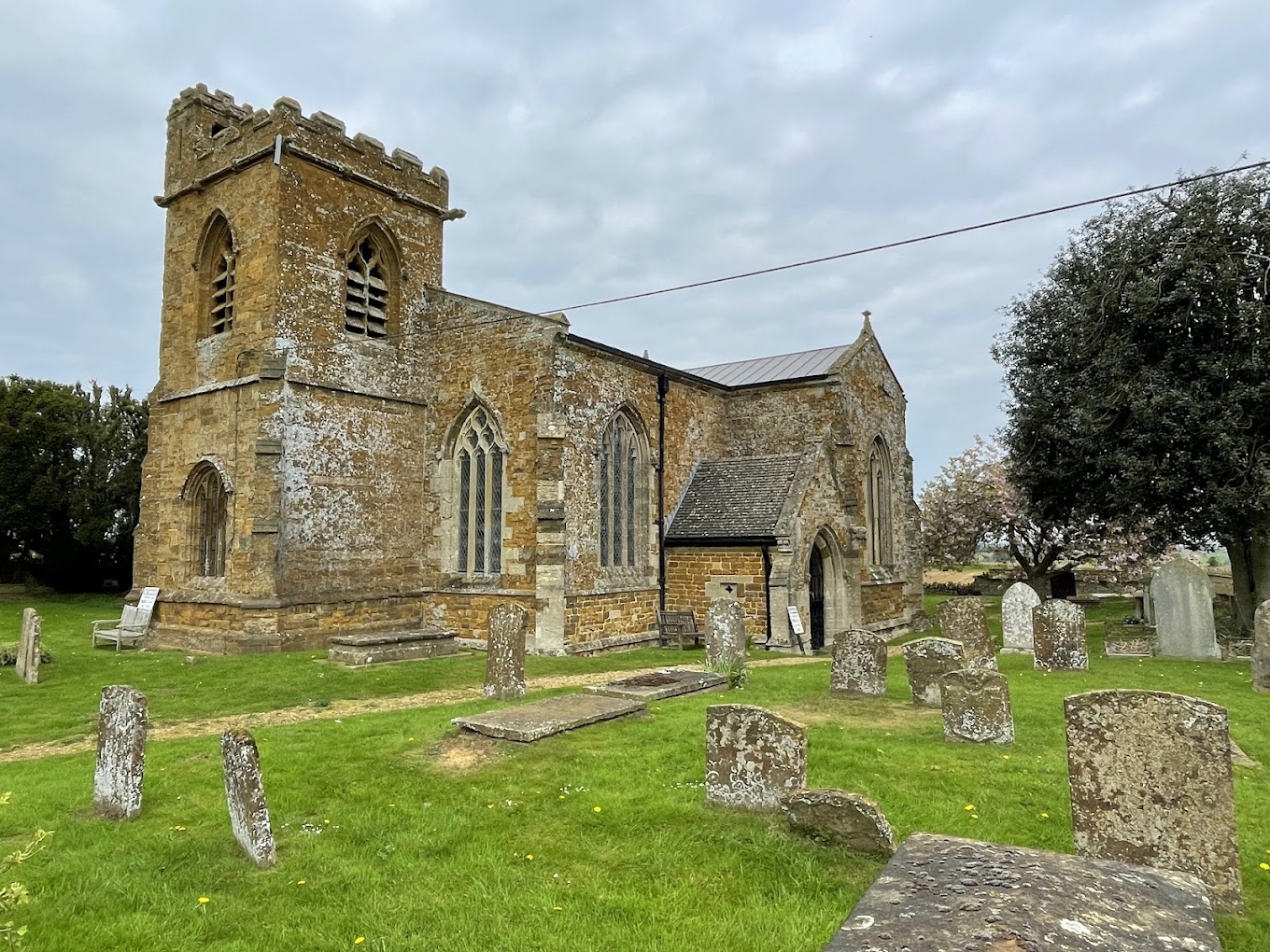
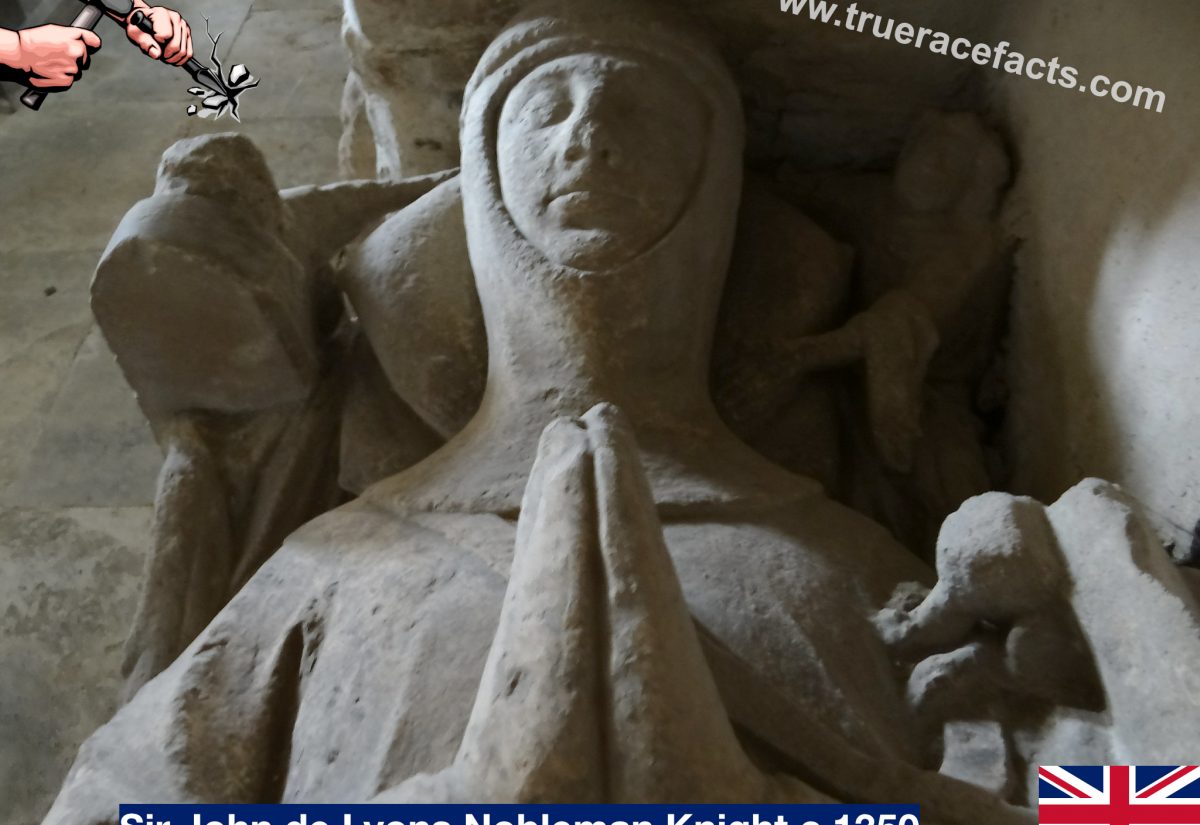
His burial confirms this status. Sir John was interred inside St Mary’s Church, Warkworth, the parish church of the manor, and commemorated with a carved and painted recumbent effigy. Such burials were reserved for lords of the land and prominent knights whose lineage and position warranted permanent memorialisation.
It is this effigy that reveals a deeper and more uncomfortable truth.
The monument survives, yet the nose and lips have been deliberately removed. This is not random damage. Across Britain and Europe, effigies of swarthy or African-featured nobles frequently show targeted defacement to facial features that most clearly convey darker physiognomy. Despite this mutilation, Sir John de Lyons’ effigy still unmistakably reads as a swarthy—what today would be called Black—nobleman.
Medieval effigies were originally polychromed, with skin tones intentionally rendered. Even with the nose and lips destroyed, traces of paint and the remaining facial structure continue to testify to his darker complexion, resisting complete erasure.
The contradiction is striking. A Norman-descended lord, granted land by William the Conqueror, holder of a castle, buried with honour inside his parish church—yet later generations found his appearance unacceptable enough to alter. This act of visual suppression speaks not to a lack of status, but to a later rewriting of history.
Sir John de Lyons stands as a powerful example of swarthy nobility embedded at the heart of medieval England, whose presence has been quietly edited rather than openly acknowledged. His rank is preserved in land and lineage. His image, though attacked, still tells the truth.
Stone remembers.
“They did not deface Sir John de Lyons because he lacked nobility, but because his nobility contradicted the story they wanted to tell.”
Guinevere Jackson
Image citation Effigy images Flickr, church image & castle Wikipedia
 Donate