BLACK English Knight Wilelmus de Staunton 14c. Nottingham England
- Guinevere Jackson
- 12 August 2023
- 0 Comment
Wilelmus de Staunton: Swarthy Anglo-Saxon (Hebrew/Israelite) Nobility of 14th-Century Nottingham
“You don’t destroy what looks like you.”
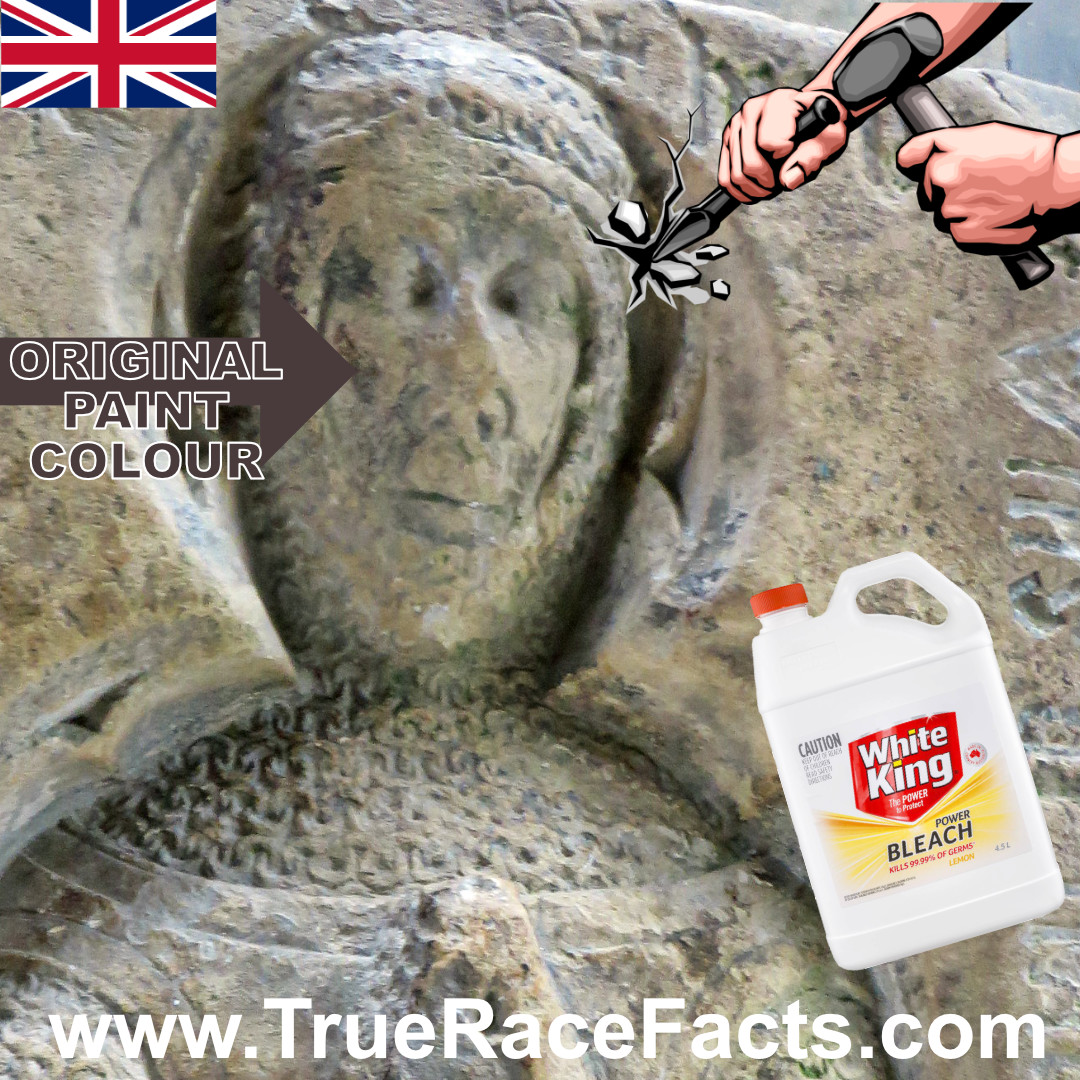
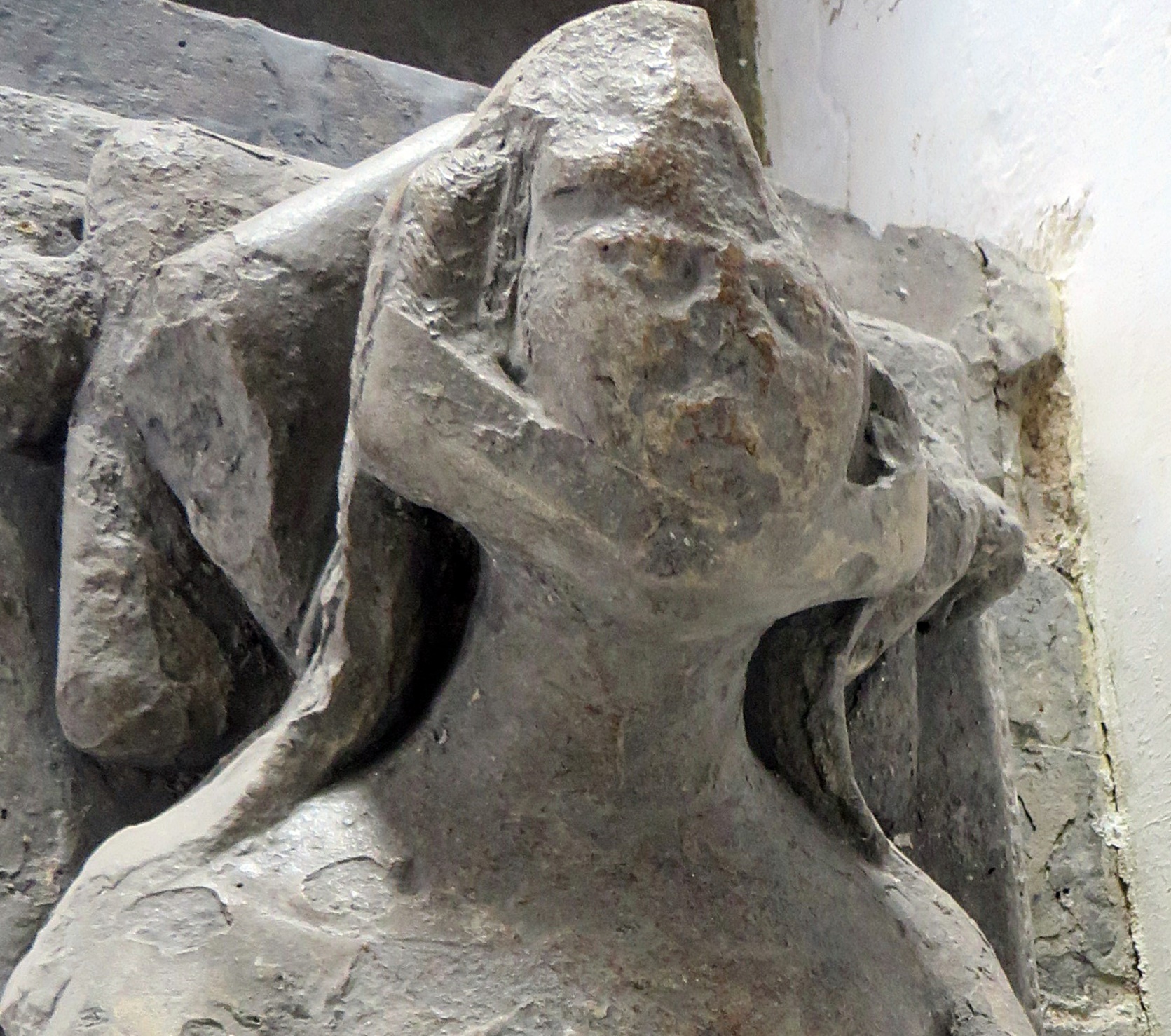
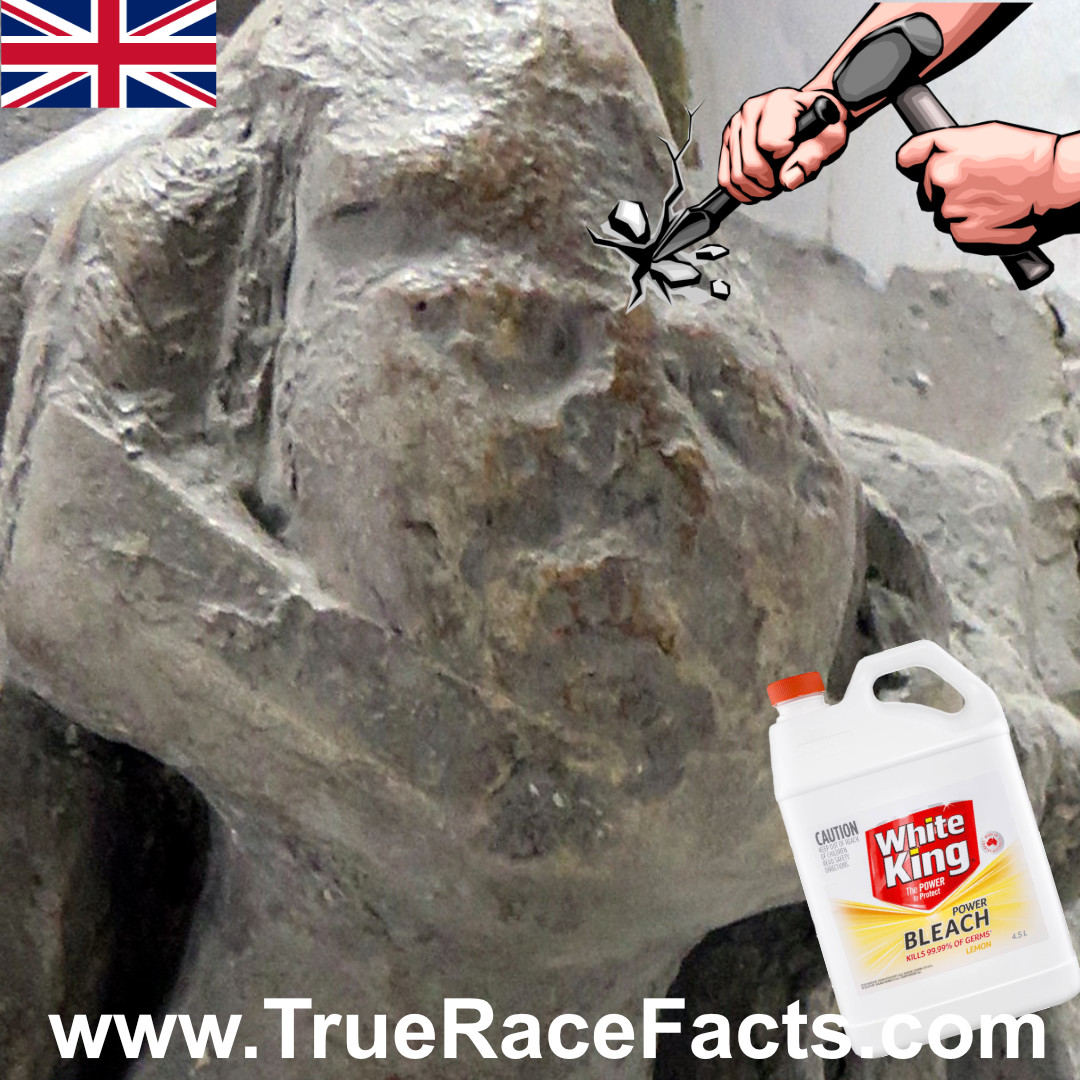
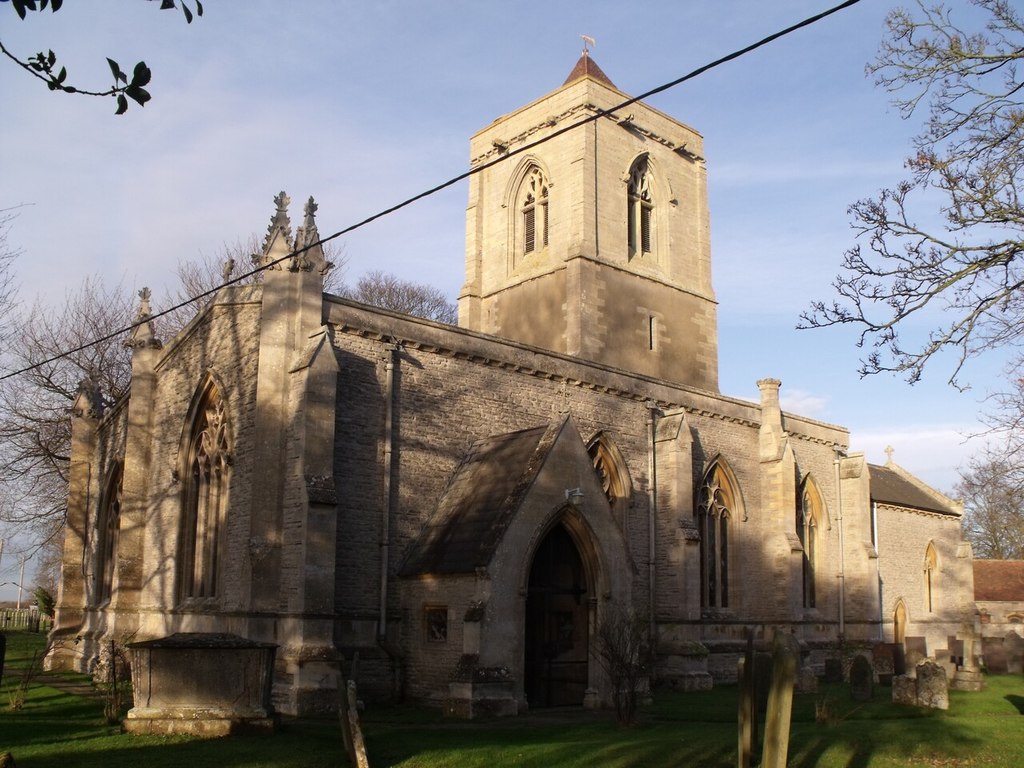
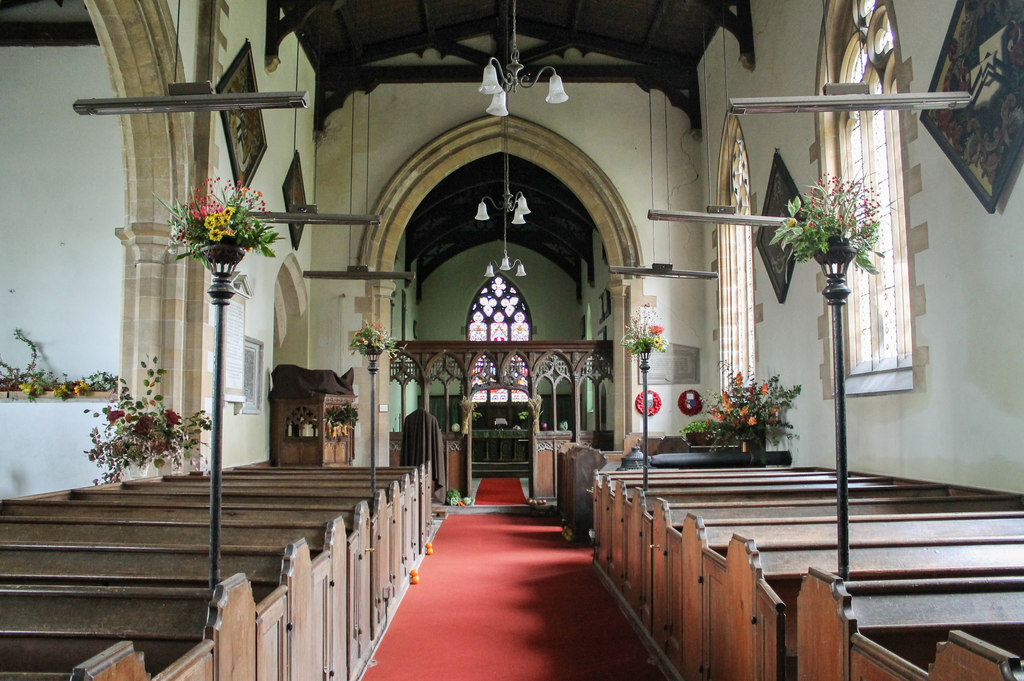
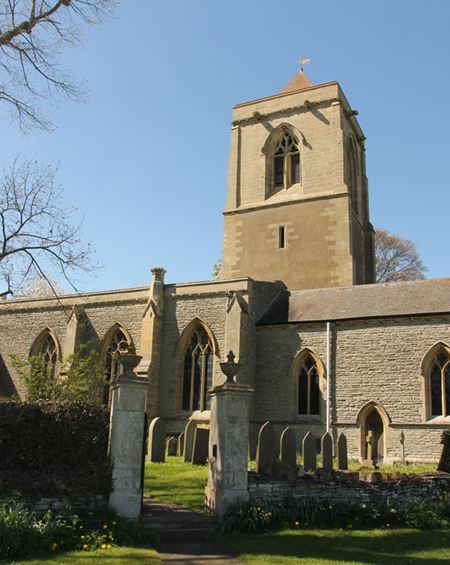
The Staunton family were among the most influential landholders in Nottinghamshire and beyond. Their private family church, St. Mary, Staunton in the Vale, holds monuments that reveal the true faces of this noble lineage. Despite centuries of deliberate defacement — noses and lips sanded down, brown paint removed, and chisels used to erase identity — the effigies preserve unmistakable broad noses, full lips, and swarthy features, confirming that the Stauntons were Anglo-Saxon (Hebrew/Israelite) English nobles.
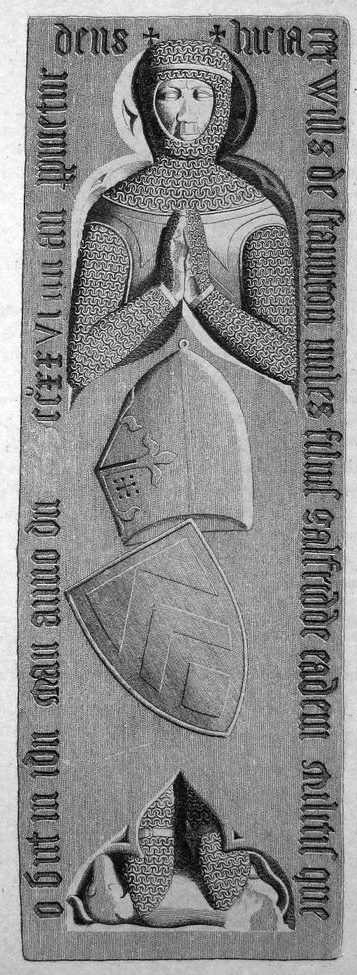
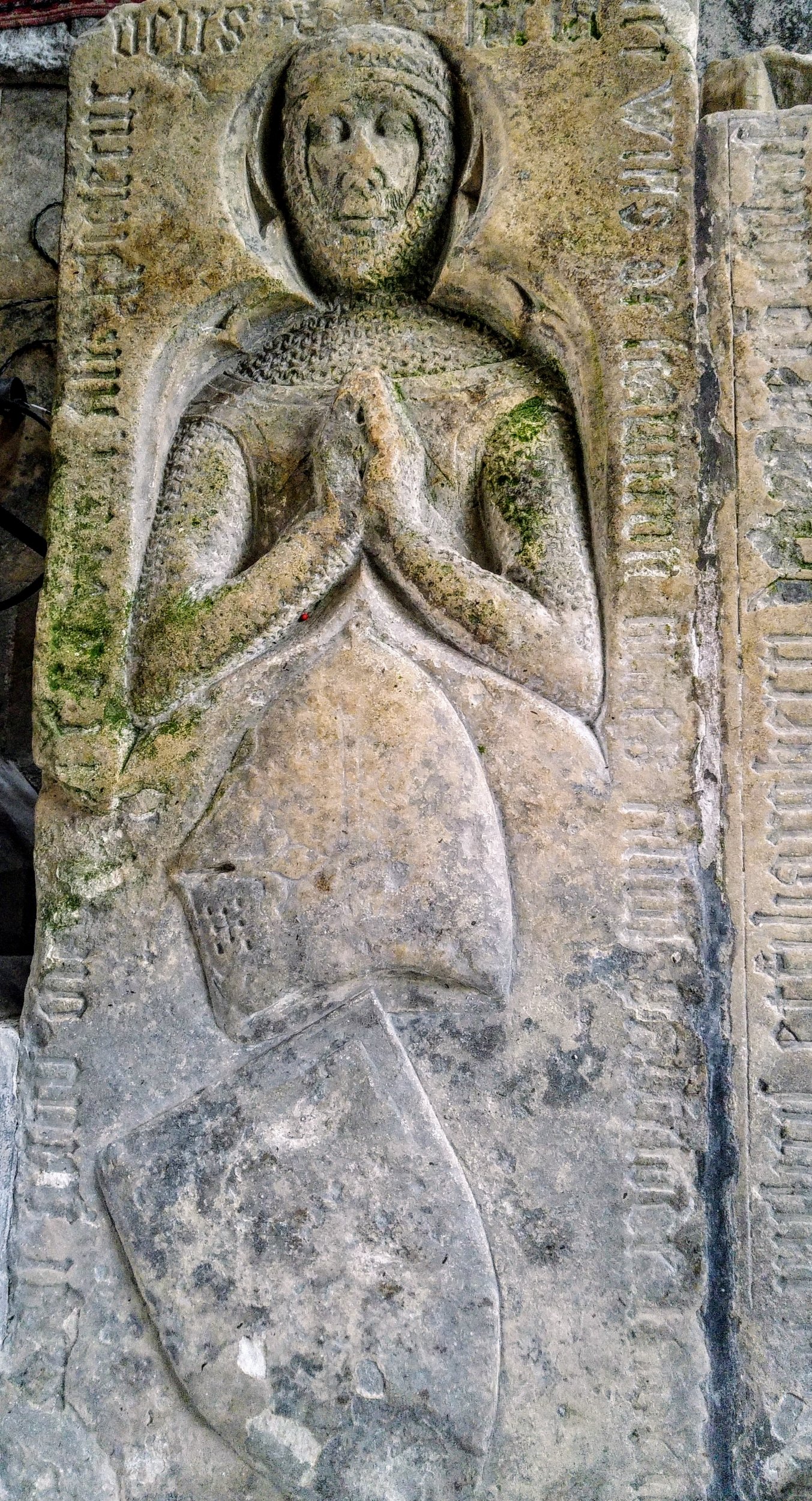
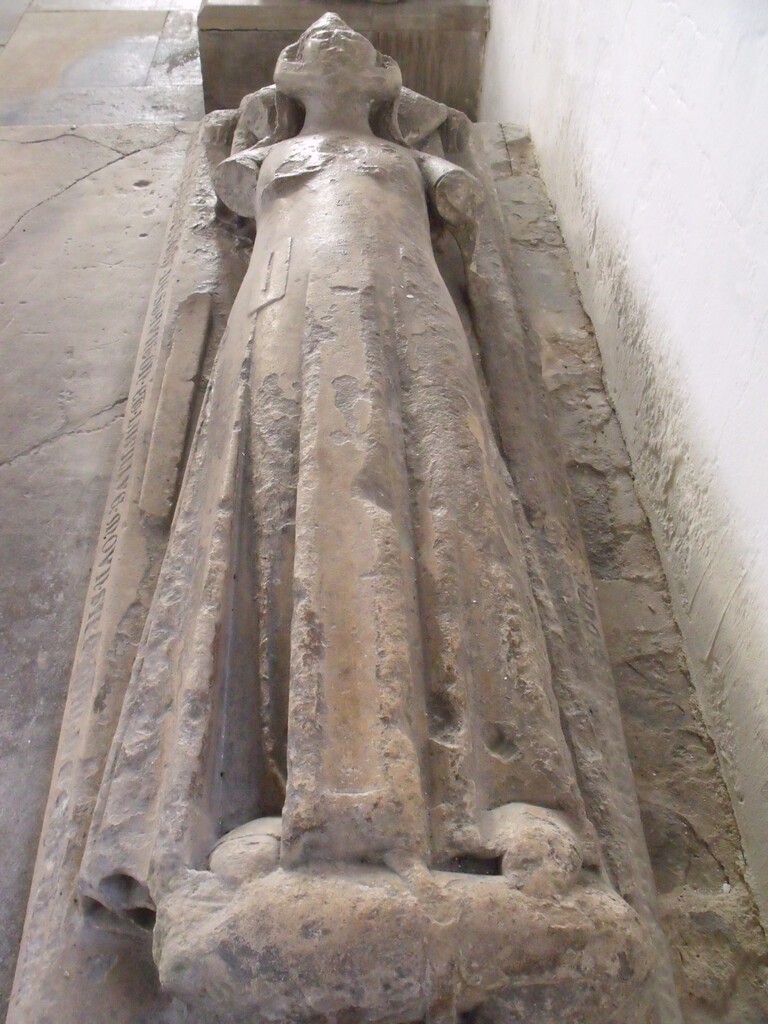
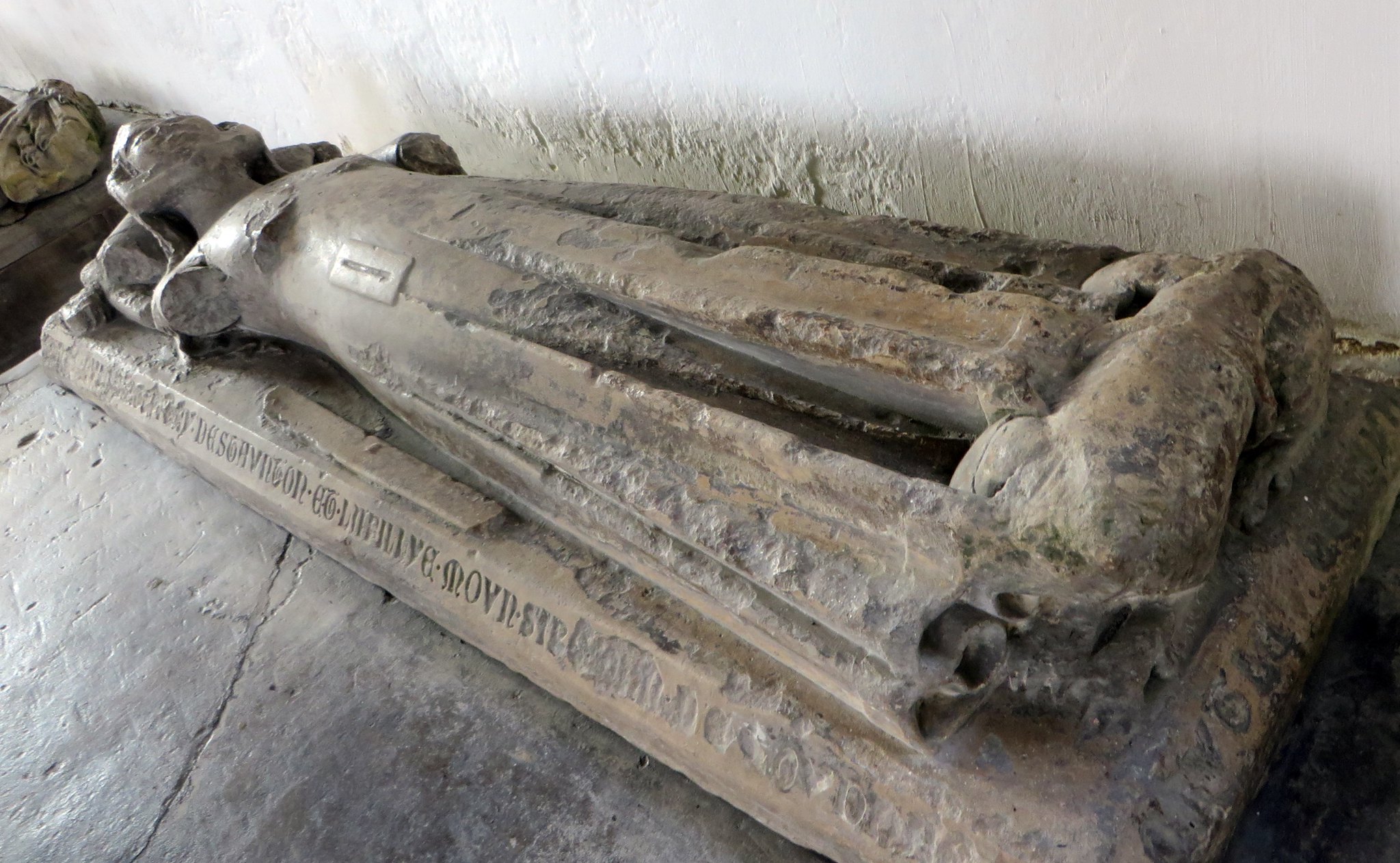
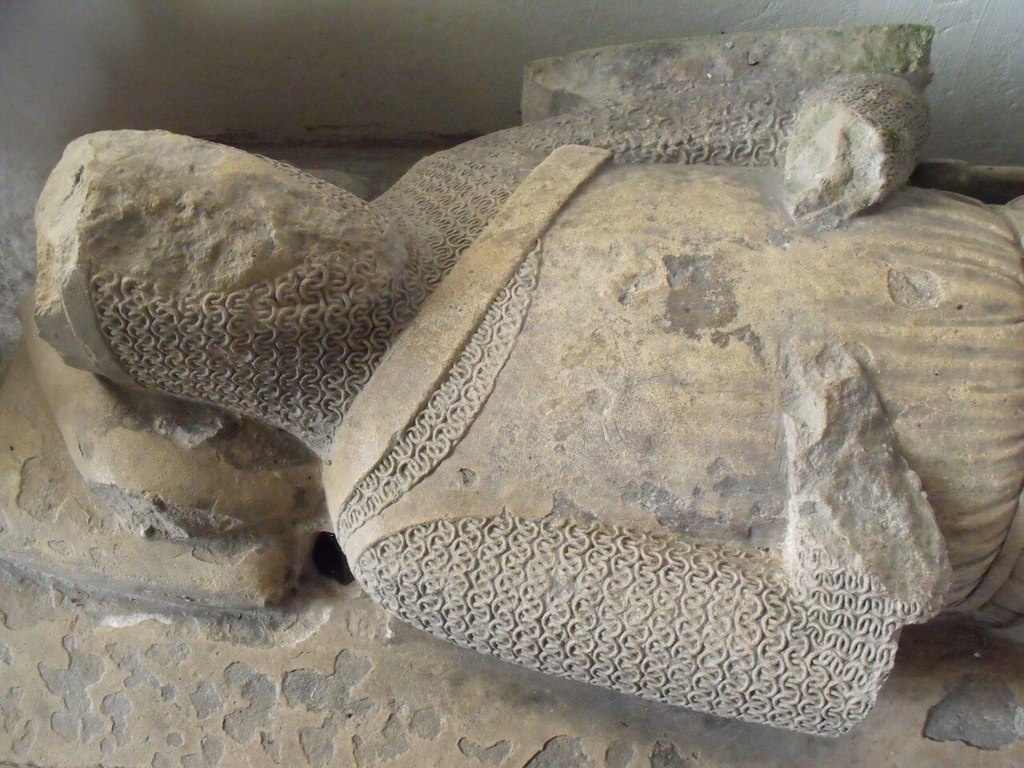
The Knightly Effigy
The 14th-century sunken relief effigy depicts a knight in full armour, with a dog at his feet and a helmet and shield bearing two chevrons. The Latin inscription around the slab, recorded by 17th-century historian Thoroton, reads:
“Hic jacet Wilelmus de Staunton Miles filius Galfridi de eadem militis qui obiit nonis Maii anno domini mcccxxvi. Cujus animae propitietur Deus.”
(Here lies William de Staunton, Knight, son of Sir Geoffrey of the same, Knight, who died on the third day before the Ides of May 1326. On whose soul may God have mercy.)
Some scholars suggest this inscription may have been recut at a later date, which raises questions about whether the monument commemorates William or his father, Geoffrey de Staunton.
Family Lineage and Alliances
Sir William Staunton, d.1326, was the son of Geoffrey de Staunton and Alice de Ros/Roos of Hamlake, and the great-grandson of Sir Mauger de Staunton. Geoffrey married Isabell, sister of Sir Ralph de Kirkton of Merton, Kilvington, and Wilbarston, strengthening the family’s noble connections.
Wilelmus married Joan, and their descendants carried on the Staunton legacy. The family owned vast estates across Nottinghamshire, Lincolnshire, and beyond, including the manors of Staunton, Flawborough, Bassingham, and Quarrington. In 1277, Wilelmus was required by his overlord, Robert de Ros of Belvoir, to serve in the Welsh wars, receiving protection while on campaign. He later participated in military service in France, demonstrating the family’s ongoing loyalty and military influence.
Monuments That Reveal True Heritage
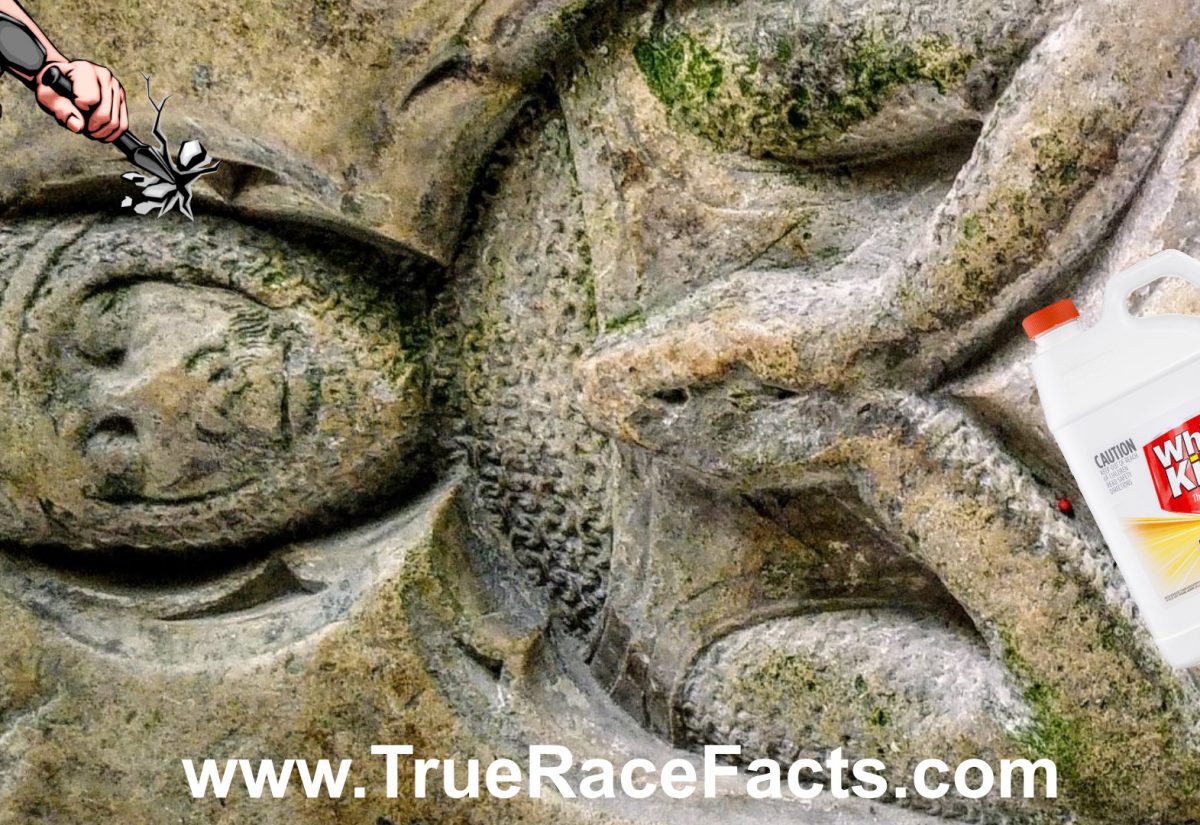
The Staunton effigies in the choir of St. Lawrence and St. Mary’s, Staunton, recorded in Thoroton’s History and Antiquities of Nottinghamshire (1677), preserve phenotypical features deliberately erased elsewhere, providing a rare record of swarthy Anglo-Saxon (Hebrew/Israelite) nobility in medieval England. Even with noses and lips filed down, paint removed, and intentional chisel work, the outline of their faces remains, declaring their lineage and status across centuries.
The Stauntons’ story is a testament to identity, nobility, and selective erasure, offering modern observers a glimpse of the richness and complexity of medieval English history — a history that refuses to be fully hidden.
“Even when chisels sand down the nose, bleach strips the paint, and lips are erased, the broad nose and full lips endure — a bold testament to swarthy Anglo-Saxon (Hebrew/Israelite) nobility and heritage that refuses to be forgotten”
Guinevere Jackson
Citation: 1 wikipedia.org/wiki/Thomas_Becket 10/01/23 2- From Medievalists.net November 12, 2012
 Donate