The Malvern Priory Knight: A Rare Surviving Effigy from Early English Knighthood
- Guinevere Jackson
- 1 January 2026
- 0 Comment
The Malvern Priory Knight: England’s Earliest Warrior — and the Face History Tried to Soften
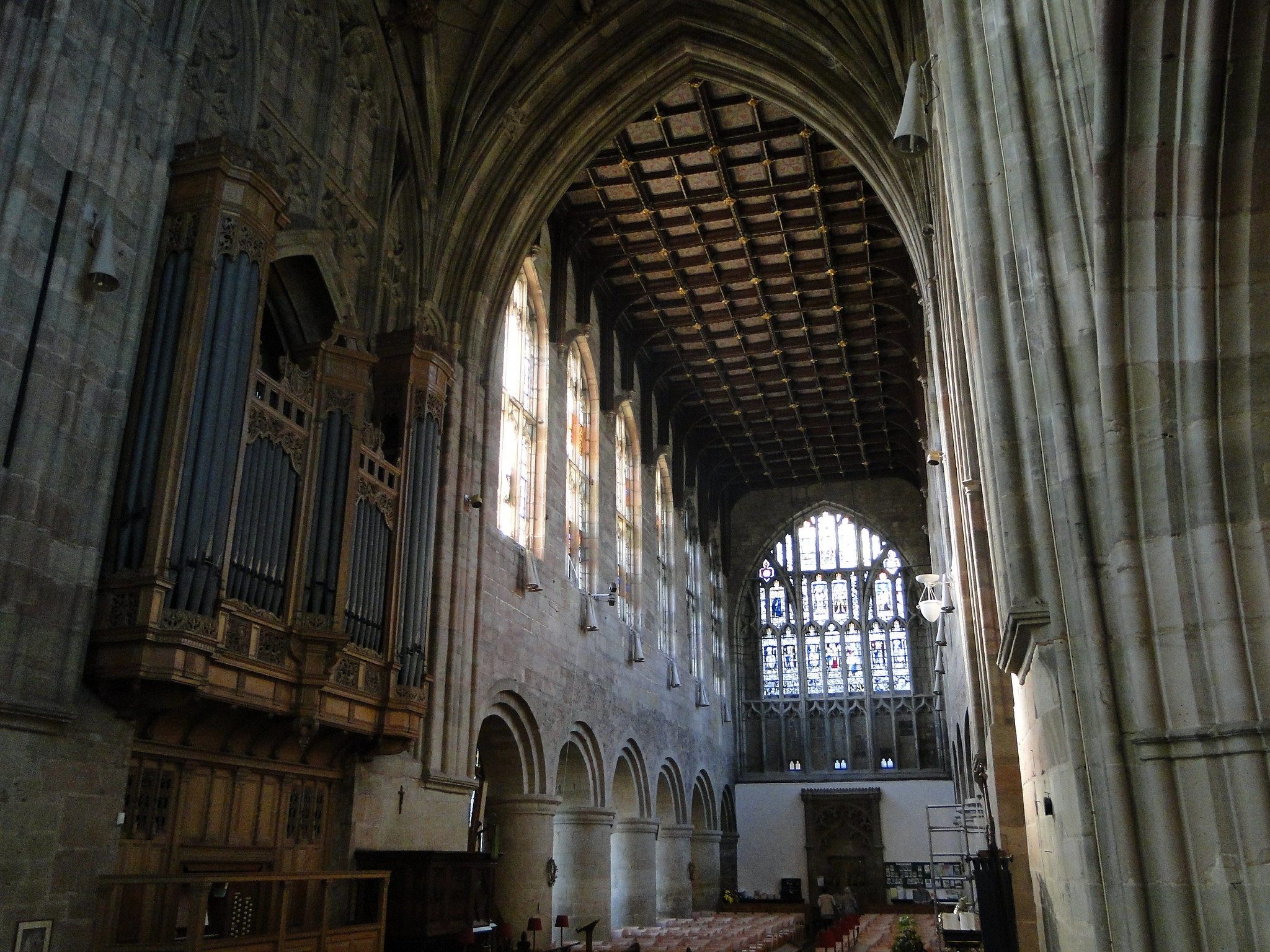
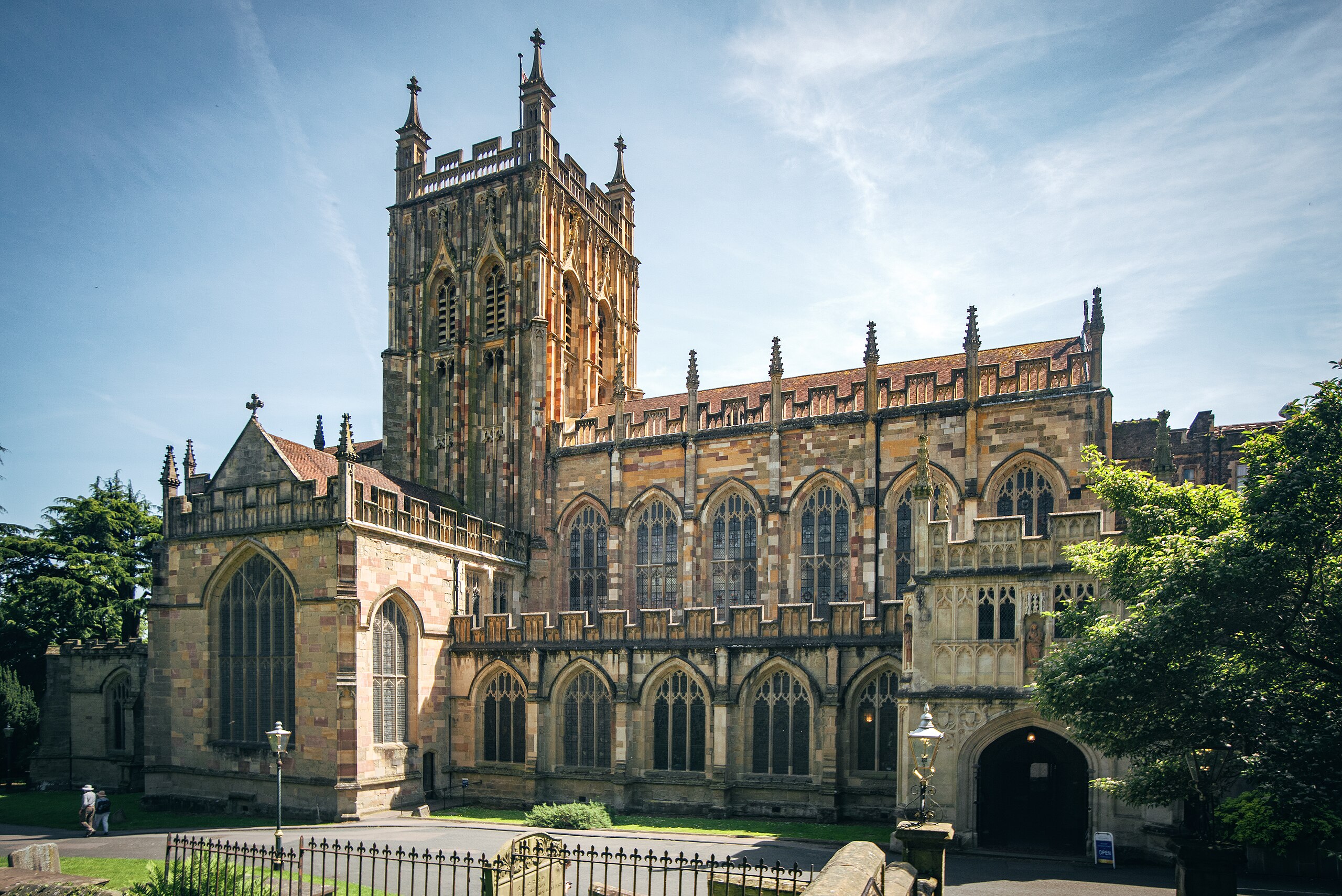
Inside Great Malvern Priory (the Church of St Mary and St Michael) in Worcestershire lies one of the most important yet least confronted monuments in England: a mid-13th-century effigy of a knight, carved at the very beginning of England’s tradition of military memorialisation in stone.
This is not simply an early effigy.
It is one of the earliest surviving military effigies in England, and it is unique.
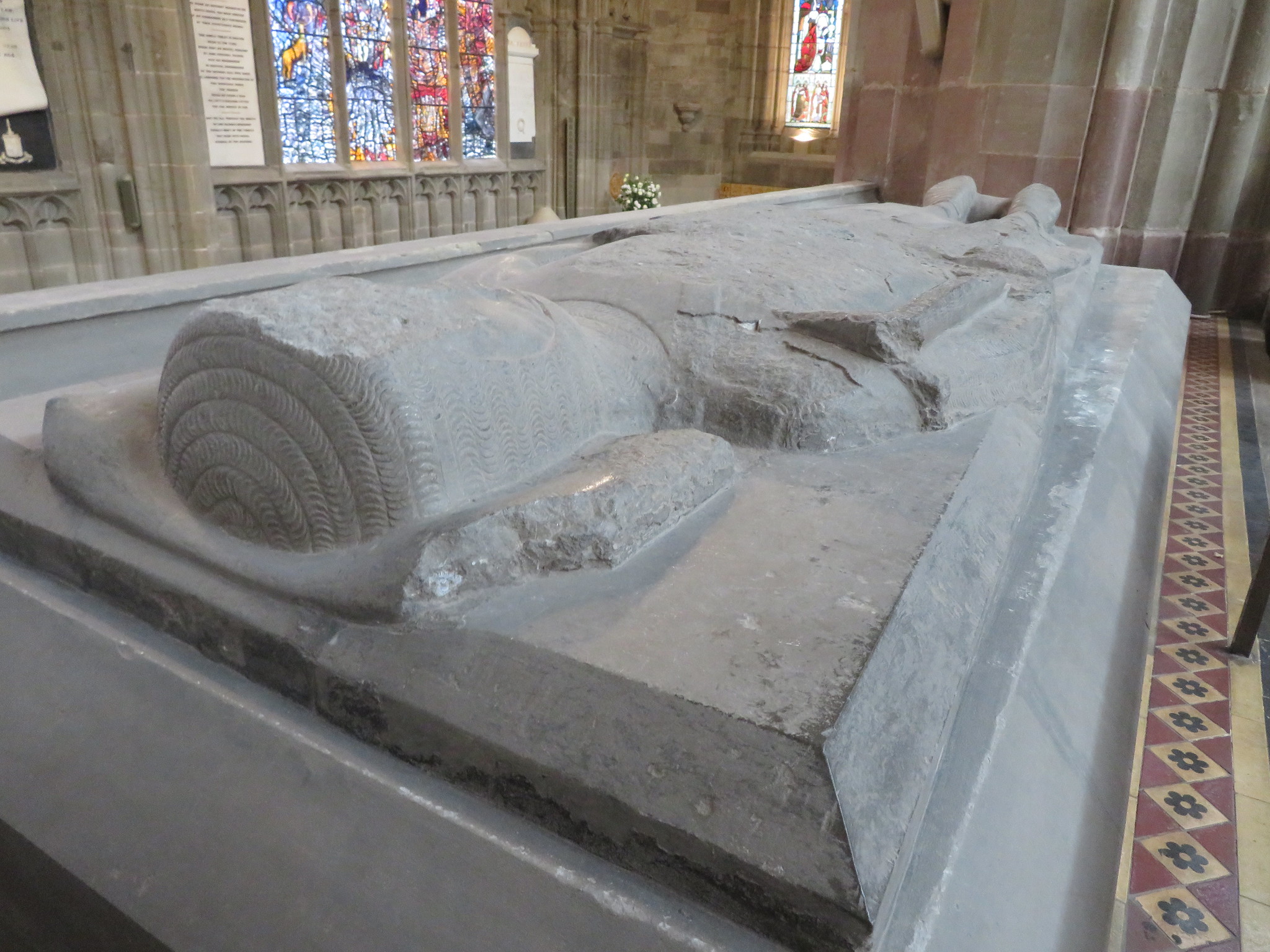
No other known English effigy depicts both a war-hammer (double-ended pick) and a target (round shield). This detail alone places the Malvern knight outside the realm of symbolism or generic representation. He was carved as a real warrior, equipped for armour-piercing combat, not ceremonial display.
Yet what makes this effigy truly extraordinary is not only what it shows—but what later hands attempted to obscure.
An Effigy from the Birth of Knighthood in Stone
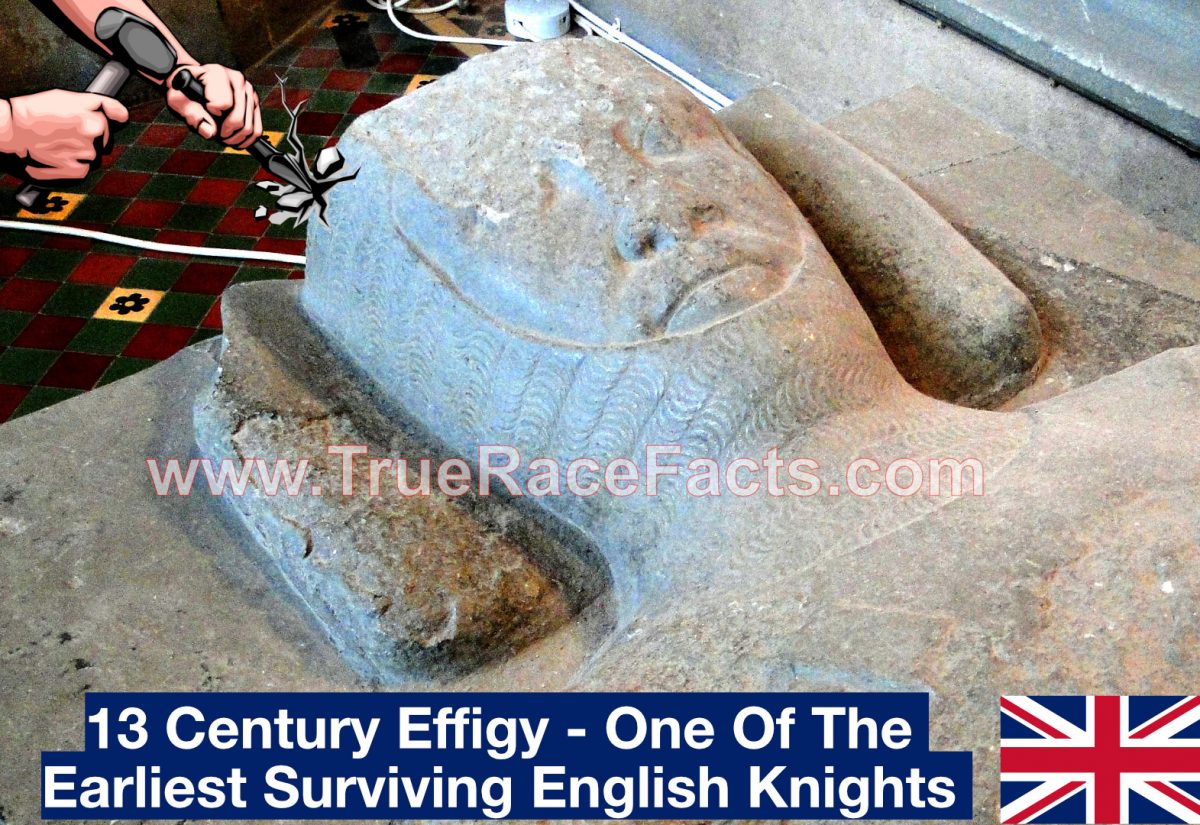
Dating to approximately c.1200–1240, the Malvern effigy belongs to a formative period before knightly sculpture became standardised or idealised. Early effigies were closer to likeness than abstraction. They were created before later aesthetic conventions imposed uniform faces on medieval elites.
The figure is carved in low relief, flattened compared to later 14th-century effigies, reflecting the experimental nature of early military sculpture. He lies recumbent, eternally armed, embodying the medieval understanding that knighthood was not merely a profession—but an identity that endured beyond death.
His placement within Great Malvern Priory confirms his status. Only men of rank, lineage, and local authority were commemorated within such a significant ecclesiastical foundation.
The Warrior’s Weapons: Hammer and Target
The weapons carved beside him are telling.
The war-hammer, particularly the double-ended pick, was a specialised tool of brutal effectiveness, designed to puncture mail and early plate armour. It was not decorative. It signalled battlefield experience.
The target (round shield), already becoming archaic by the mid-13th century, links the knight to earlier martial traditions, suggesting a man whose life bridged older and emerging modes of warfare.
Together, these elements identify him as a practical, experienced warrior, not an imagined crusading ideal.
The Face That Refuses to Disappear
The most revealing—and most uncomfortable—aspect of the Malvern Priory knight is his face.
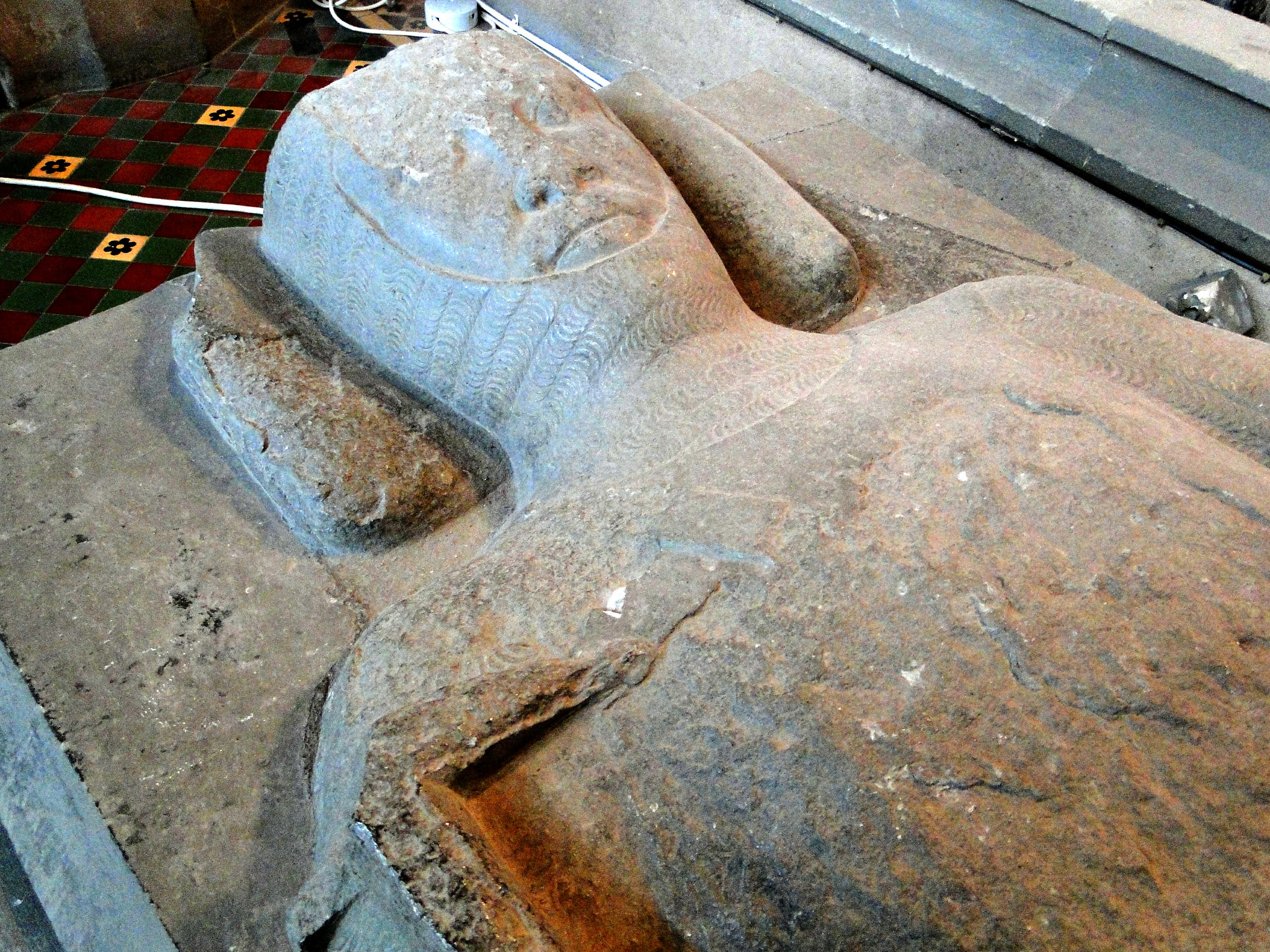
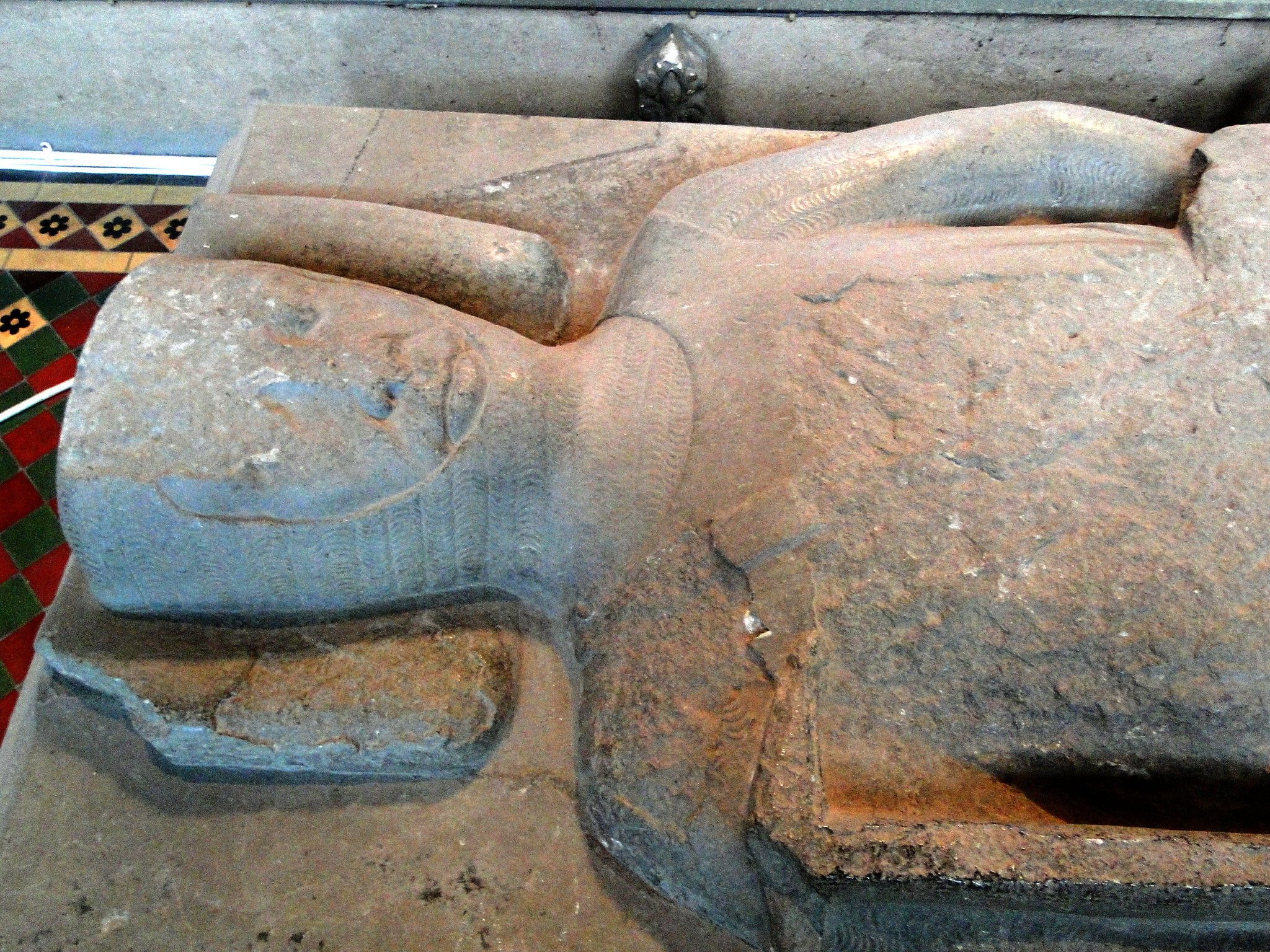
Despite the age of the monument, the nasal structure remains clearly legible. The nose is broad and pronounced, not narrow or stylised. In contrast, the lips have been deliberately removed or heavily reduced, yet the outline of full lips remains visible in the stone.
This contrast matters.
If time alone were responsible, erosion would be uniform across the face. Instead, we see selective alteration: the most identity-revealing features diminished, while the underlying facial proportions persist.
Even after intervention, the effigy still presents swarthy, African-featured physiognomy—a broad nose and the unmistakable contours of full lips. The stone resists the revision imposed upon it.
This is not conjecture. It is visible.
Early Effigies and Unfiltered Representation
Because this effigy belongs to the earliest phase of English military sculpture, it predates later racialised aesthetics. Early medieval craftsmen carved what they saw, not what later centuries wished to remember.
That makes the remaining facial structure especially significant.
The attempt to soften or remove the lips does not negate the original image—it exposes discomfort with it. The earliest effigies tell the clearest truths precisely because they were created before history learned how to edit itself.
Identity Preserved in Rank, Negotiated in Flesh
The pattern seen here is repeated across England:
Weapons preserved
Status honoured
Placement respected
Faces altered
The Malvern knight was allowed to remain a warrior, a benefactor, and a foundational figure in England’s knightly tradition. But his phenotype became negotiable.
This is not destruction.
It is curation.
Monuments were not smashed wholesale. They were adjusted where identity spoke too loudly.
An Unnamed Knight — but Not an Unknown One
No inscription survives to name the knight. That absence is typical for monuments of this date and does not diminish his importance. His burial location, weaponry, and early date identify him as belonging to the local ruling class—likely a benefactor or protector of the Priory.
Plausible families active in Worcestershire and the Malvern region around 1200 include circles associated with the Beauchamps, Mortimers, and other Marcher-linked gentry. While firm identification remains impossible, his class and function are unmistakable.
Why This Effigy Matters
This knight matters because he stands at the origin of England’s visual memory of knighthood.
One of England’s earliest military effigies
The only example depicting war-hammer and target
A monument carved before identity was routinely revised
And crucially, he reveals that early English knighthood was not as visually uniform as later centuries insisted.
You can abrade a face.
You can remove lips.
But you cannot fully erase proportion.
The Malvern Priory knight still lies where he was placed—armed, authoritative, and quietly resisting the edits of history. Stone remembers what later hands tried to forget.
“When identity became inconvenient, monuments were not only destroyed — they were quietly adjusted.”
Guinevere Jackson
Image citation Flickr and Wikipedia
 Donate