The Real Michelangelo di Lodovico Buonarroti Simone Artist
- Guinevere Jackson
- 8 August 2023
- 1 Comment
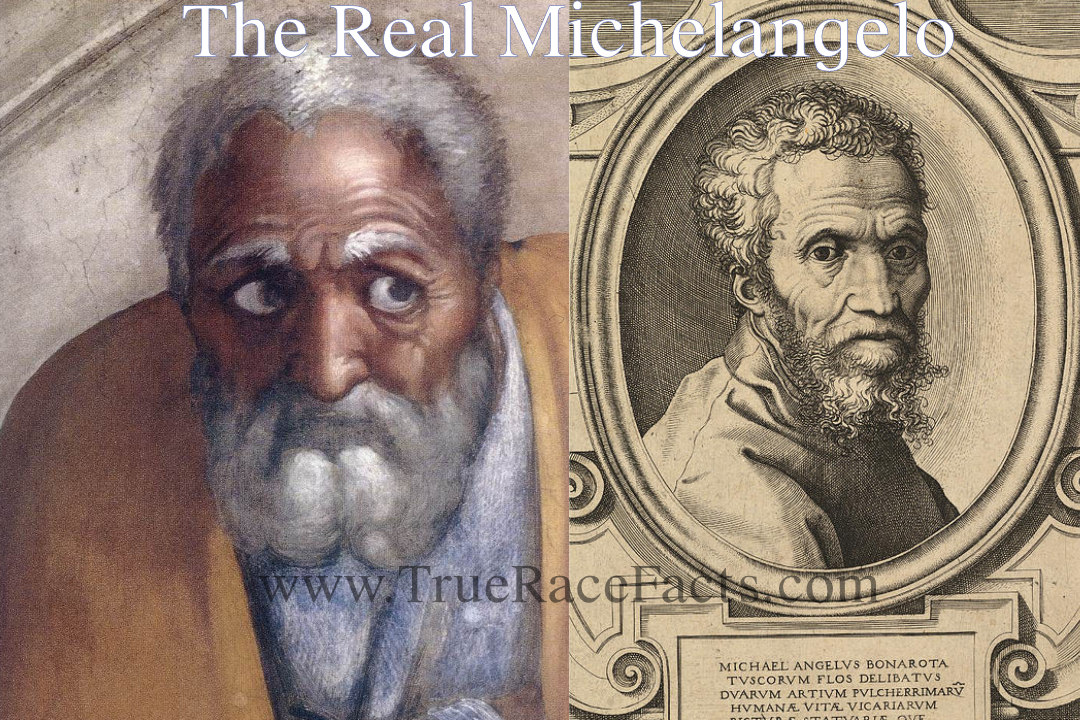
Michelangelo: The Hidden Self-Portrait in the Sistine Chapel
Introduction
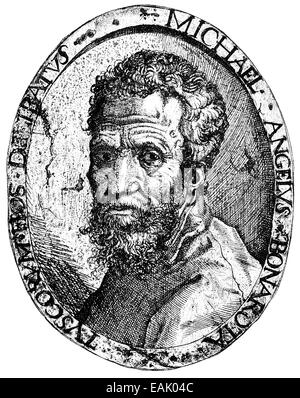
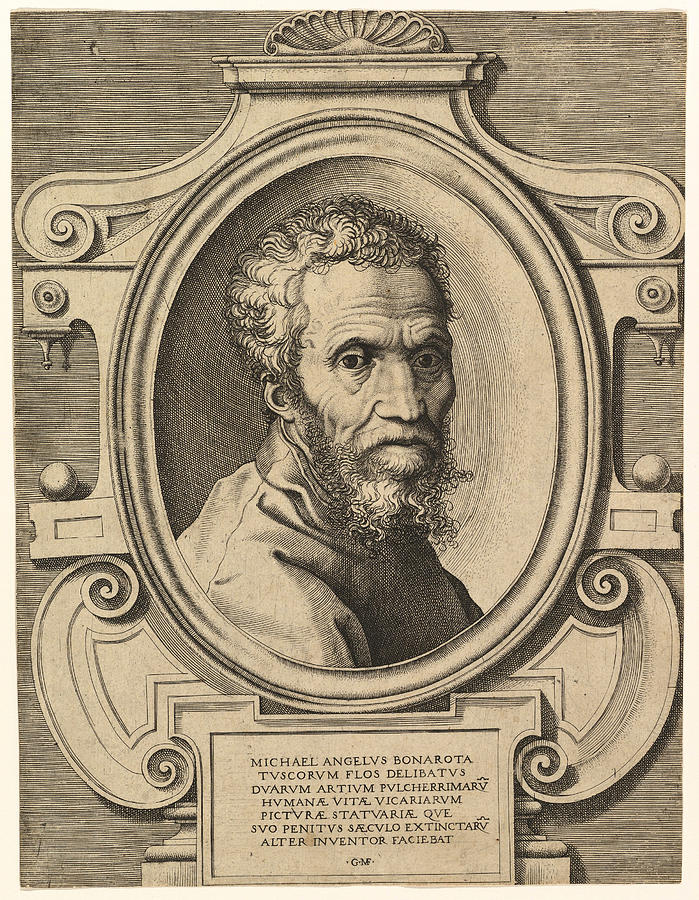
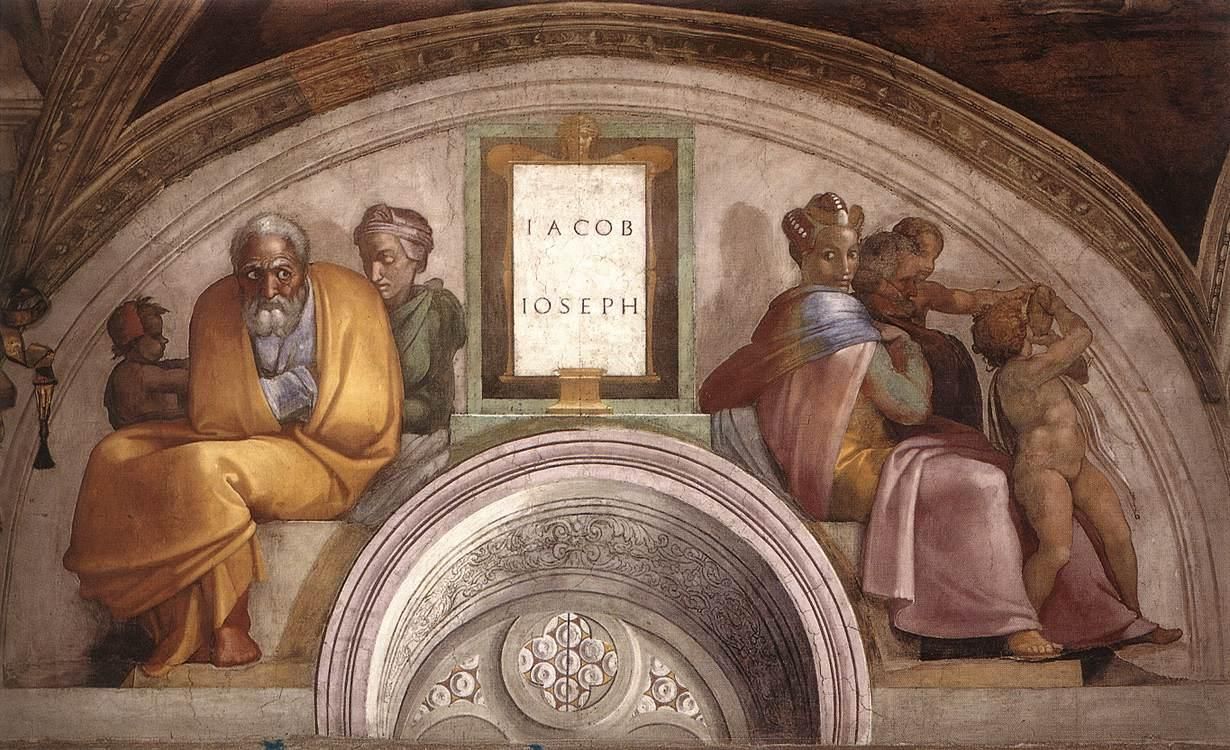
Michelangelo Buonarroti, born March 6, 1475, in Caprese, Italy, is one of history’s most celebrated artists. His sculptures, frescoes, architecture, and poetry reshaped the Renaissance and left an enduring mark on Western art. Yet beyond the public brilliance lies a hidden truth: Michelangelo painted himself into his masterpieces, disguised as biblical figures, revealing his swarthy features while conforming to the Church’s demands. A close comparison of his self-portrait and the figure of Jacob in the Sistine Chapel shows an undeniable resemblance—broad nose, full lips, and swarthy complexion—suggesting that Jacob is Michelangelo’s self-portrait hidden in plain sight.
Early Life and Education
From a young age, Michelangelo showed extraordinary talent. He apprenticed under Domenico Ghirlandaio and later studied at Lorenzo de’ Medici’s Medici Garden Academy, immersing himself in classical sculpture, humanist philosophy, and Florence’s vibrant artistic culture. These experiences shaped the skill, precision, and emotional depth that would define his later works.
Sculpture and Emotional Realism
Michelangelo’s sculptures, like the Pietà, demonstrate a mastery of emotion and anatomy. Even in marble, he captured human sorrow, devotion, and dignity. These works reveal a fascination with realism, emphasizing features that would later become central to identifying his own likeness in hidden self-portraits.
Jacob: The Hidden Self-Portrait
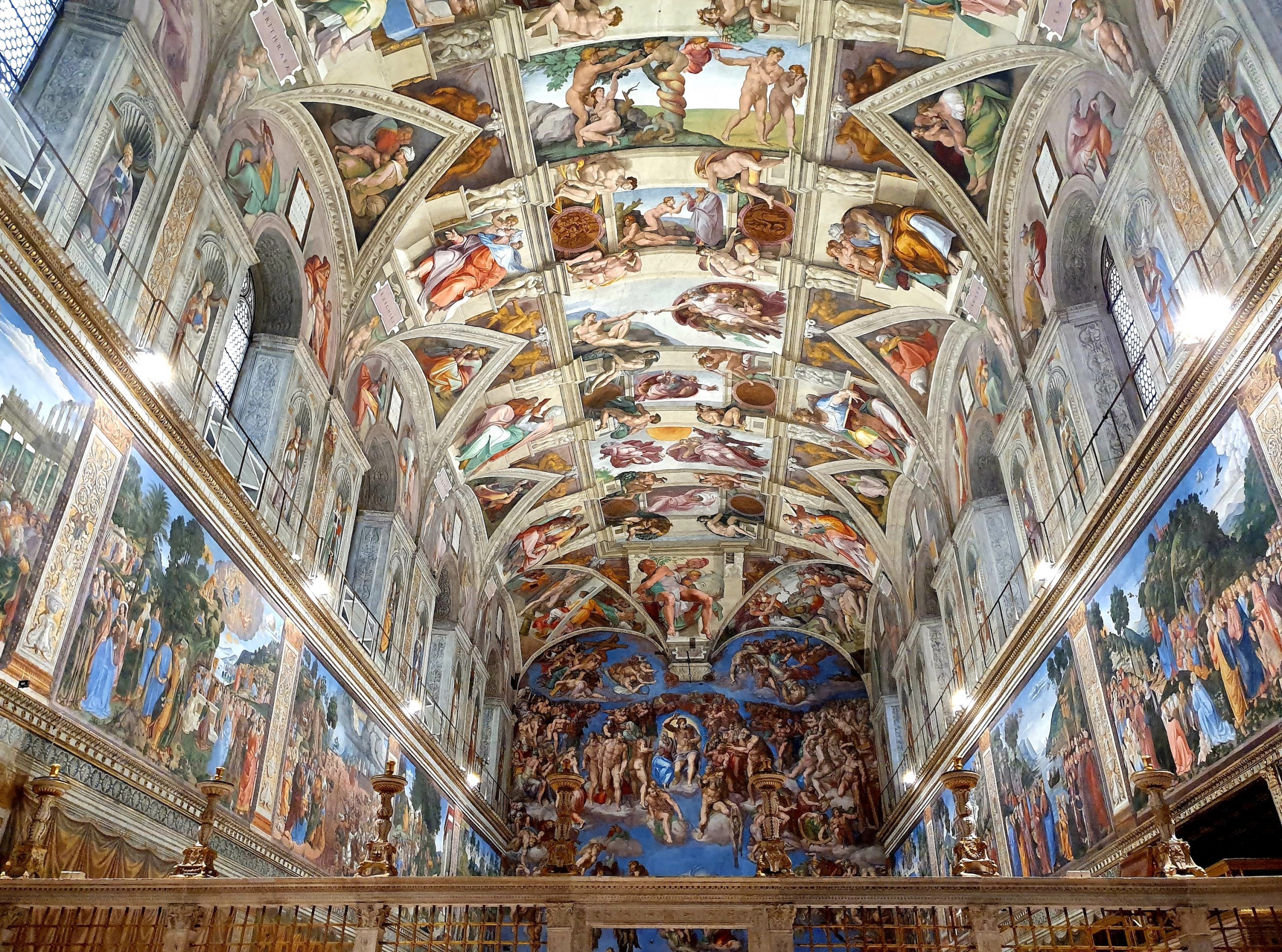
The Sistine Chapel ceiling, commissioned by Pope Julius II, is a monumental achievement. Spanning nine panels from Genesis, it includes the figure of Jacob, whose features closely mirror Michelangelo’s self-portrait. The resemblance is unmistakable: the same broad nose, full lips, and swarthy complexion appear in both images. His expression—concerned, almost pained—suggests inner conflict: Michelangelo was compelled to depict biblical figures as white by papal decree, yet he subtly inserted himself, preserving his own likeness and identity for posterity.
Poetry and Personal Expression
Michelangelo’s poetry reinforces this hidden narrative. In one poem, he writes:
“And thou, dense air, weighed with my sighs so chill,
That hidest heaven’s own light thick mists among,
Give back those sighs to my sad heart, nor wrong
My visual ray with thy dark face of ill!”
These lines hint at frustration with concealment—his “visual ray” or true image was constrained, yet he still encoded his own identity in his work.
Architecture and Broader Genius
Beyond sculpture and painting, Michelangelo left an indelible mark on architecture. His design of St. Peter’s Basilica’s dome showcases visionary engineering and artistic skill, blending form and function into an enduring symbol of Renaissance innovation.
Legacy and Revelation
Michelangelo’s influence on subsequent generations of artists is unparalleled. But the hidden truth of his identity—swarthy, Hebrew/Israelite, self-portrayed in biblical form—adds a new dimension to his genius. He navigated constraints, subtly resisted erasure, and preserved his likeness in plain sight, leaving a layered narrative of talent, faith, and personal expression.
Conclusion
Michelangelo’s works continue to inspire awe for their technical brilliance. Yet the discovery that Jacob in the Sistine Chapel mirrors the artist himself reveals an even deeper story: a swarthy man, an Israelite by lineage, constrained by societal expectations but determined to preserve his identity. Michelangelo’s hidden self-portrait is a testament to resilience, creativity, and the quiet assertion of truth amid a world that demanded conformity.
Sources & Research: 2-3 paragraph Wikipedia COVID-19 jab statistics Robert The Bruce FAKE facial reconstruction www.bbc.co.uk/news/uk-scotland-38242781 www.statista.com – Media Manipulation by Medically reviewed by Scientific Advisory Board — By Samuel López De Victoria, Ph.D. on February 6, 2012 –
“And thou, dense air, weighed with my sighs so chill,That hidest heaven’s own light thick mists among, Give back those sighs to my sad heart, nor wrong My visual ray with thy dark face of ill!”
Poem by Michelangelo – love’s vain expense.
 Donate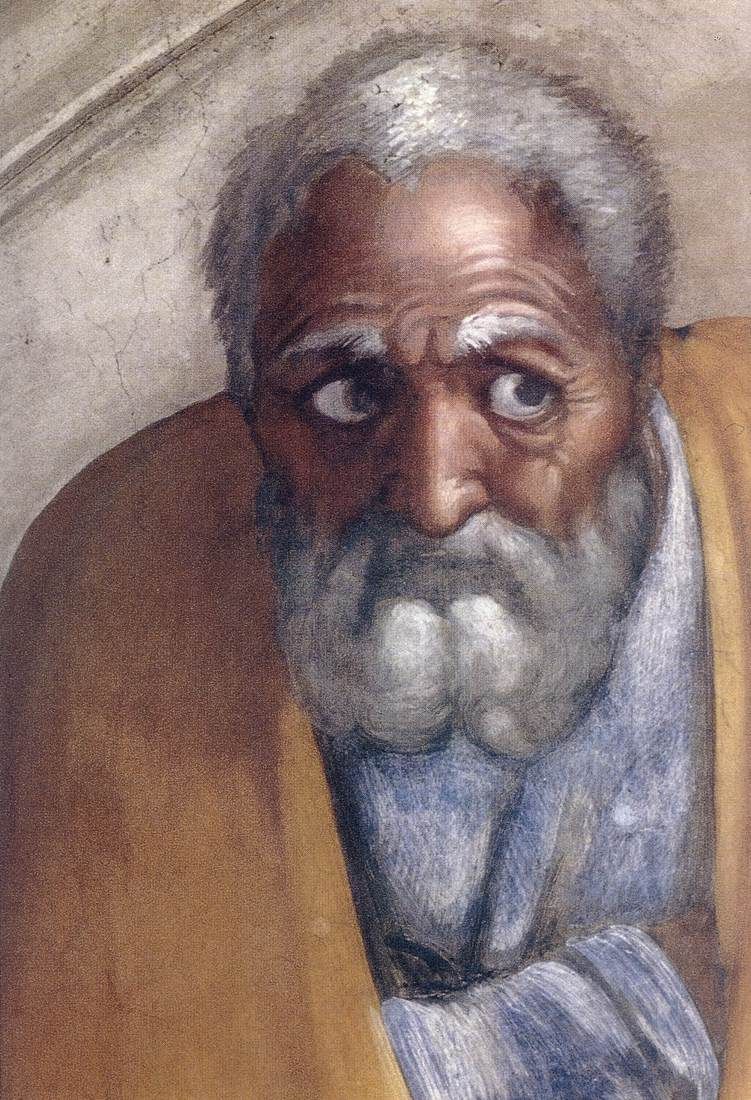
You are a massive racist stealing European history to feel superior and paint europeans as inferior all because you can’t handle the idea of white people having their own history and accomplishments