The Legacy of Sir Lambert de Trikyngham A 13th-Century BLACK English Knight
- Guinevere Jackson
- 23 September 2024
- 0 Comment
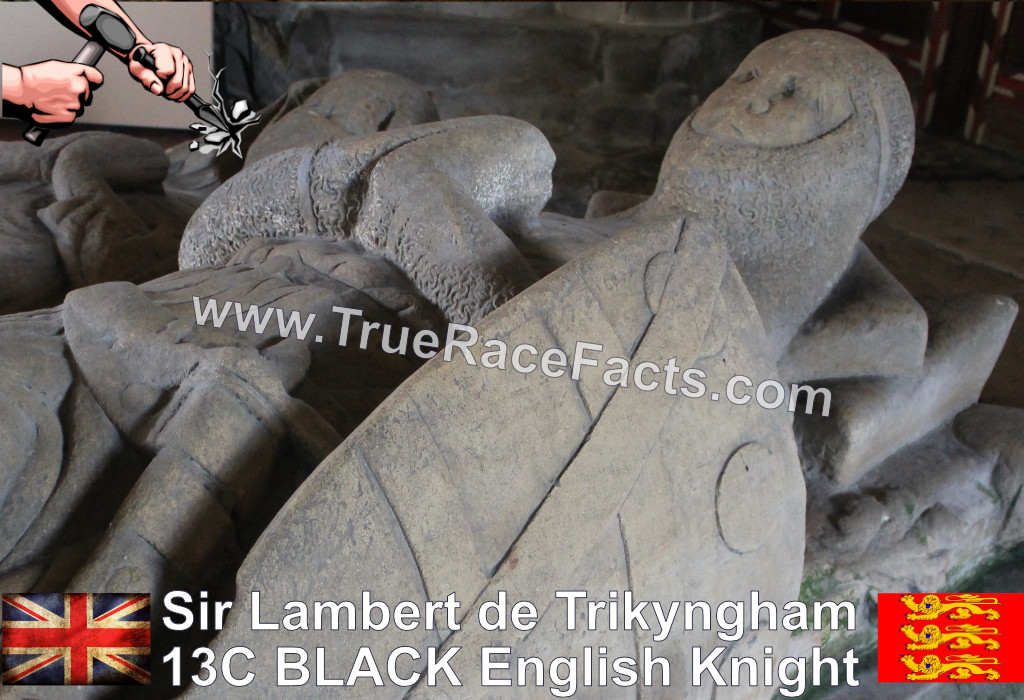
Knight Sir Lambert de Trikyngham (d.1280): Nobility, Lineage, and the Effigy That Endures
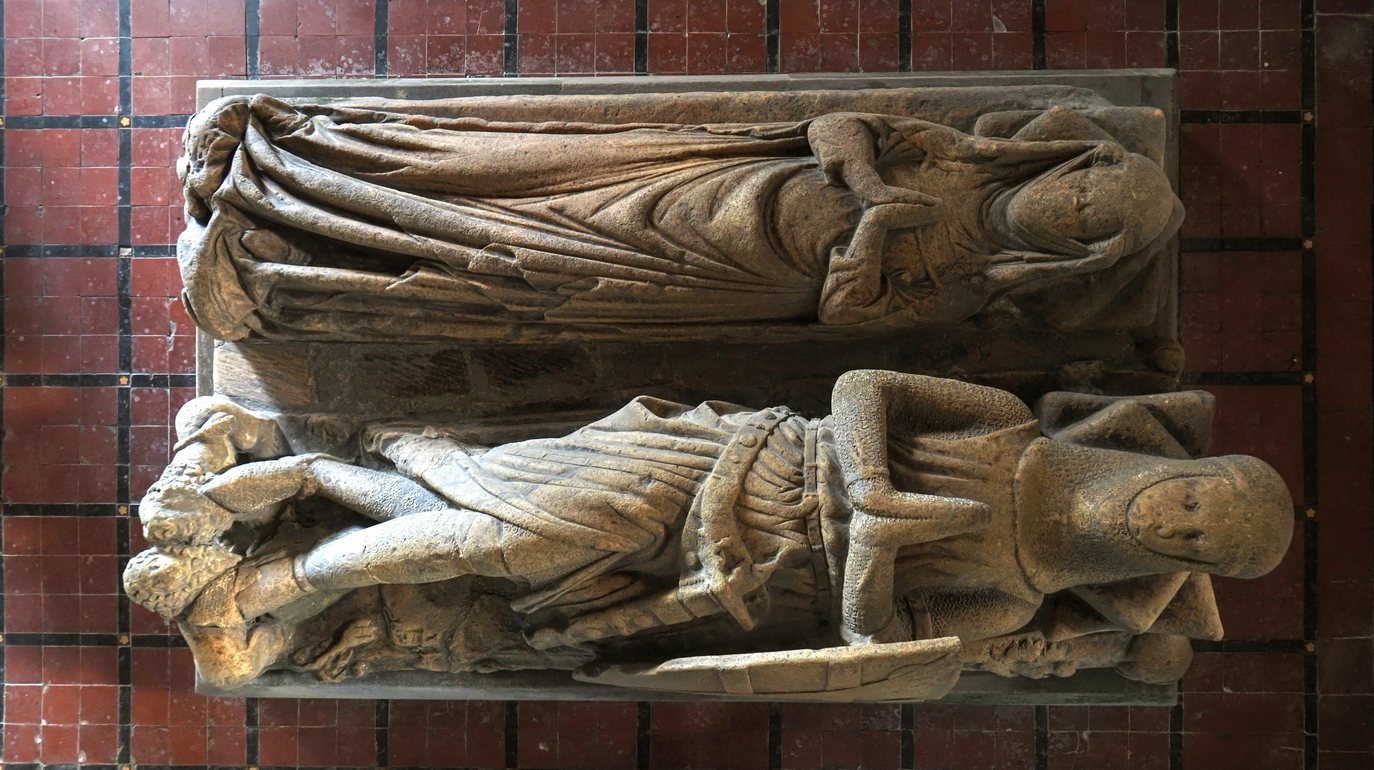
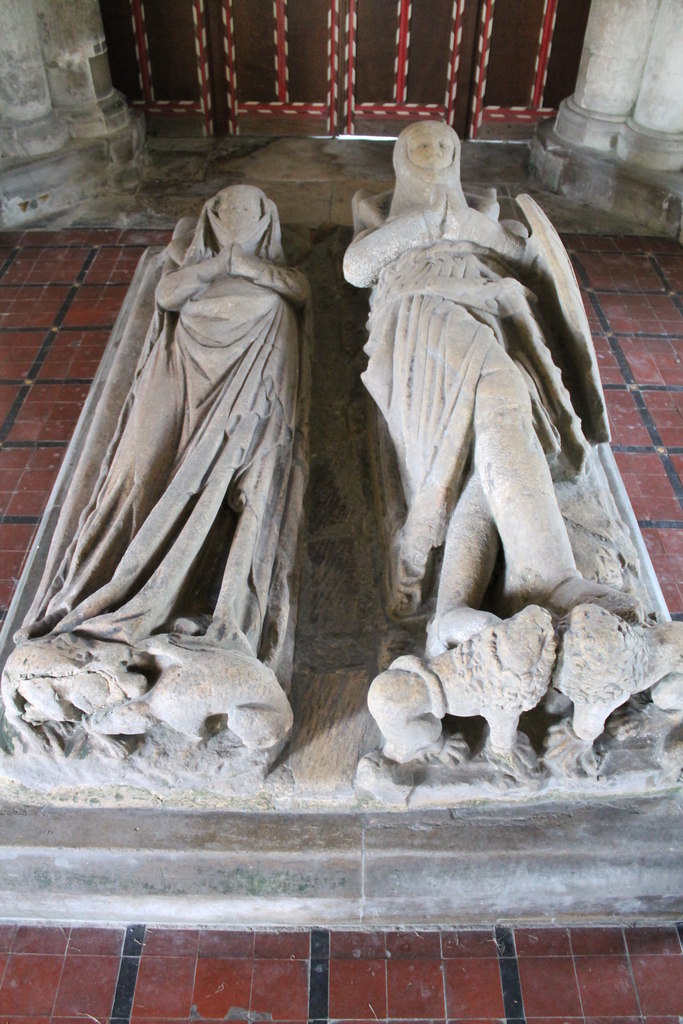
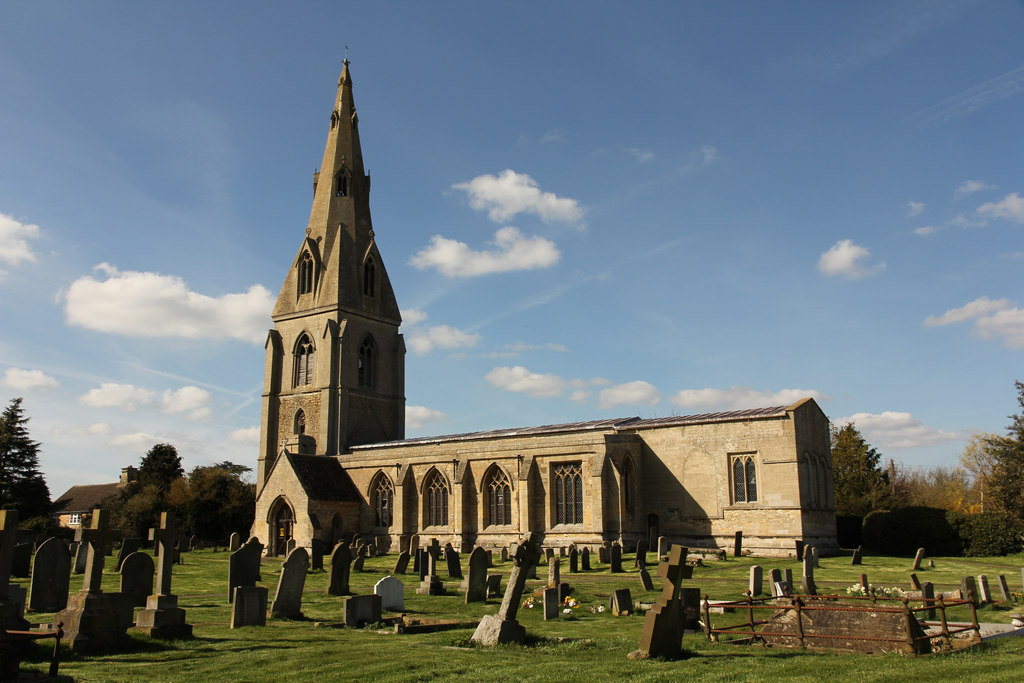
Inside a medieval church in England rests the effigy of Sir Lambert de Trikyngham (d.1280), a knight whose monument preserves both his noble status and the visual markers of his lineage. This effigy, like many of its era, was intended to record rank, identity, and heritage in stone — a visual testament that survives despite centuries of alteration.
Noble Lineage and Status
Sir Lambert belonged to a family of established regional power, holding lands and influence that reflected the responsibilities of a knight in thirteenth-century England. His life combined martial duty, land stewardship, and loyalty to overlords, ensuring his family maintained both social prominence and military authority.
The Effigy and Hebrew/Israelite Features
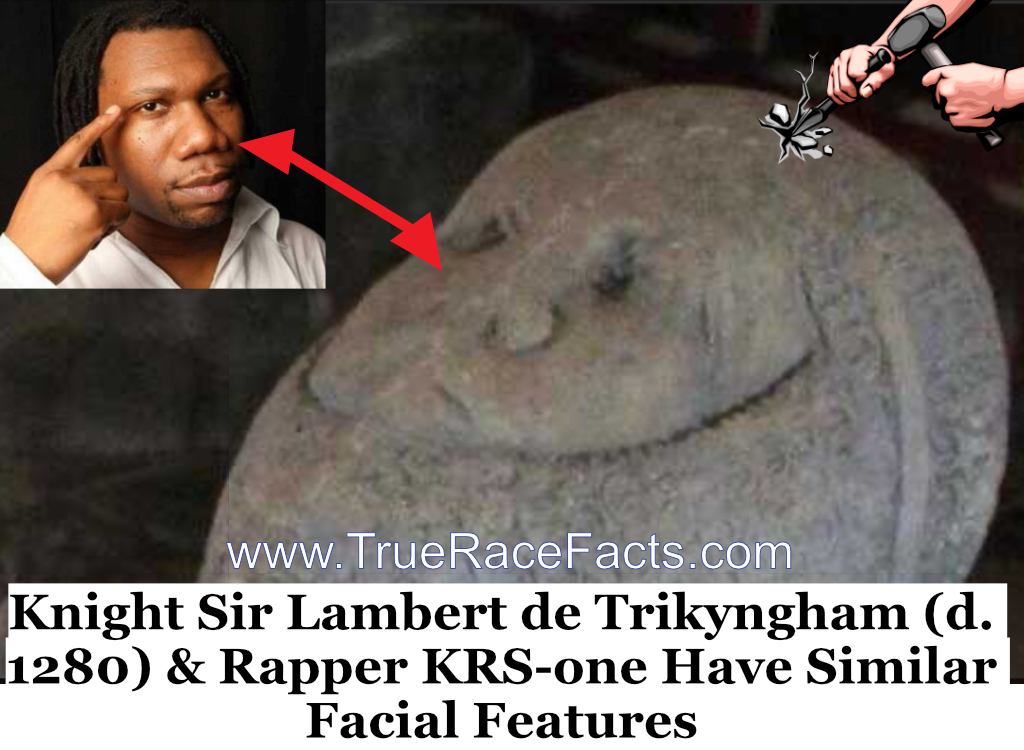
Though the effigy has suffered some iconoclasm over time, the modelling beneath the surface remains strikingly clear. Sir Lambert’s nose and full lips, deliberately altered, still reveal Hebrew/Israelite features, communicating identity, lineage, and heritage that were often erased from medieval memory. Observers have noted a striking resemblance to the swarthy features of the rapper KRS-One, highlighting the broad nose, full lips, and structured facial proportions preserved in the effigy.
Adding further symbolism, Sir Lambert’s feet rest on a lion, a deliberate marker of the Lion of Judah, affirming his awareness of his Israelite heritage. Combined with his posture, armour, and presence, this detail positions him as a knight deeply connected to both nobility and ancestral identity.
The effigy preserves his armour and stance, reflecting the dignity and status expected of a medieval knight. Even where paint or detailing has been removed, the underlying modelling communicates identity, nobility, and Hebrew/Israelite lineage.
Heritage Preserved in Stone
Monuments like that of Sir Lambert are not merely decorative; they are historical records. The careful depiction of his face, armour, and symbolic elements like the lion communicates nobility, martial skill, and ancestral pride. Where faces have been deliberately hacked or altered, the surviving forms still bear witness to Hebrew/Israelite ancestry, resisting the erasure imposed by later iconoclasm.
Stone preserves what history often tries to erase. Sir Lambert de Trikyngham’s effigy remains a testament to identity, rank, and the enduring presence of families whose true features were obscured but never forgotten.
“Even when stone is defaced, the face beneath speaks — a lineage, a nobility, and a truth rooted in Israel, marked by the lion, that refuses to be erased.”
Guinevere Jackson
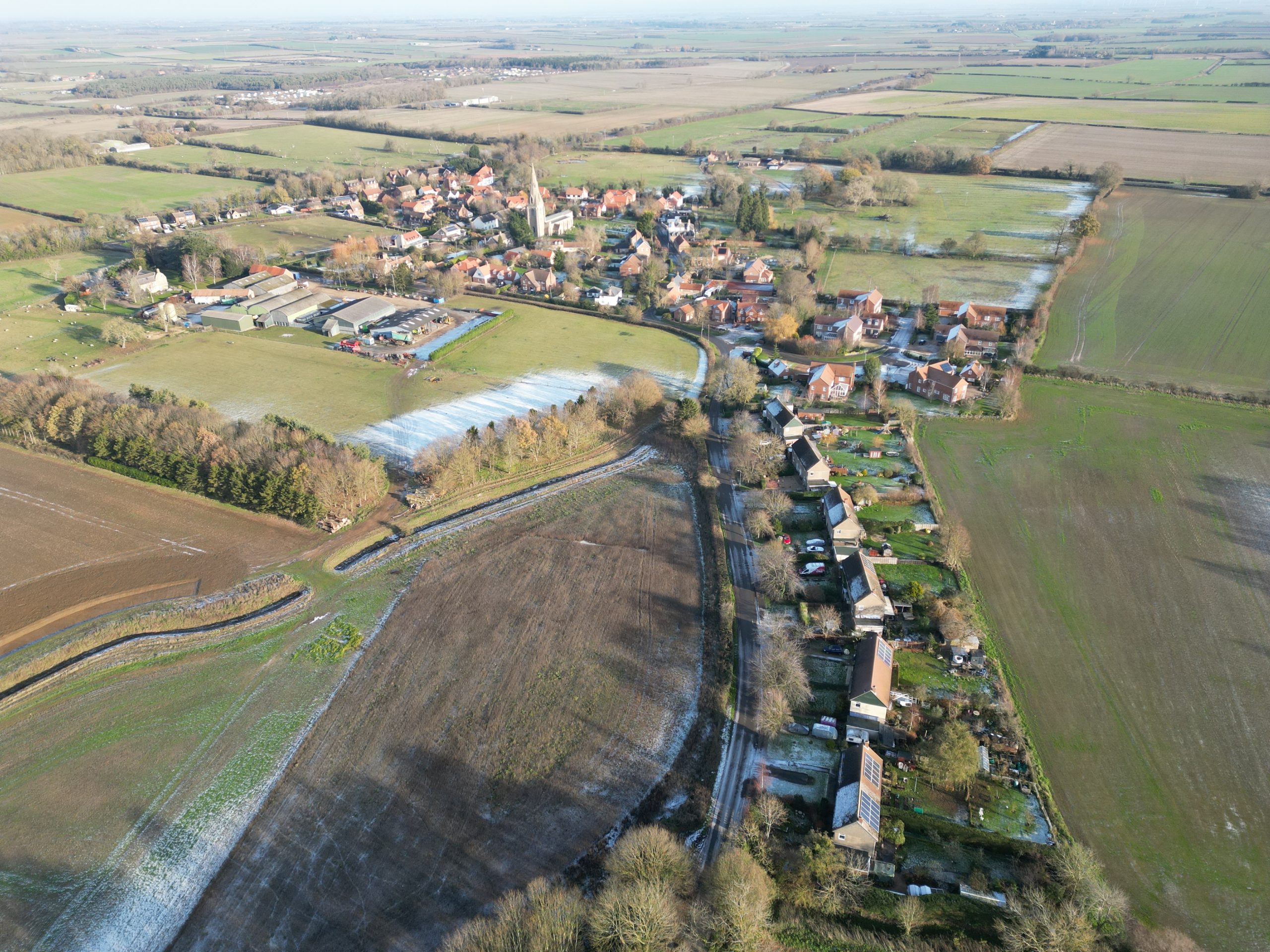
Citation: Image below the post rapper Krs-one https://eu.tallahassee.com FAIR USE, main image Effigy of Sir Lambert de Trikyngham, St Peter’s church by J.Hannan-Threekingham, aerial view 2022 Briggs Ian Cappitt (CC-BY-NC-ND)
 Donate