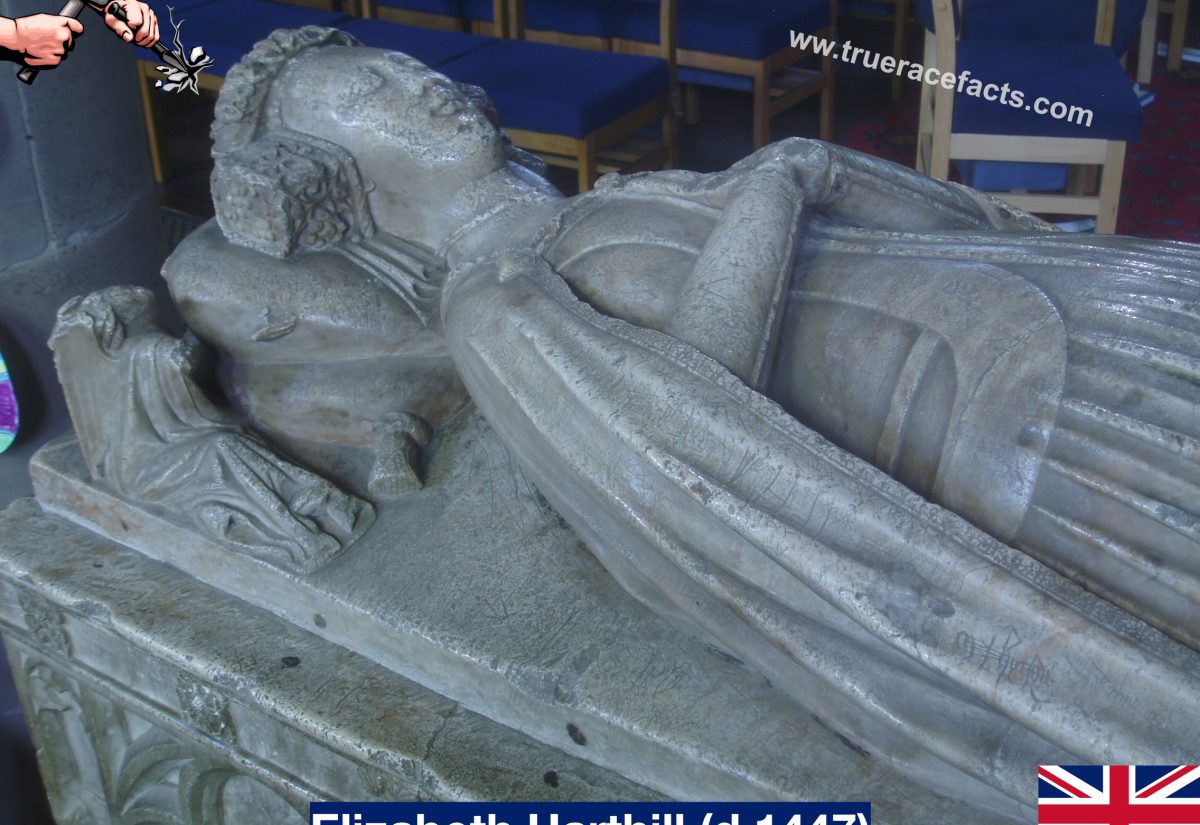
Discover Elizabeth Harthill (d.1447), a medieval noblewoman whose effigy preserves her swarthy features, status, and lineage despite deliberate facial defacement.
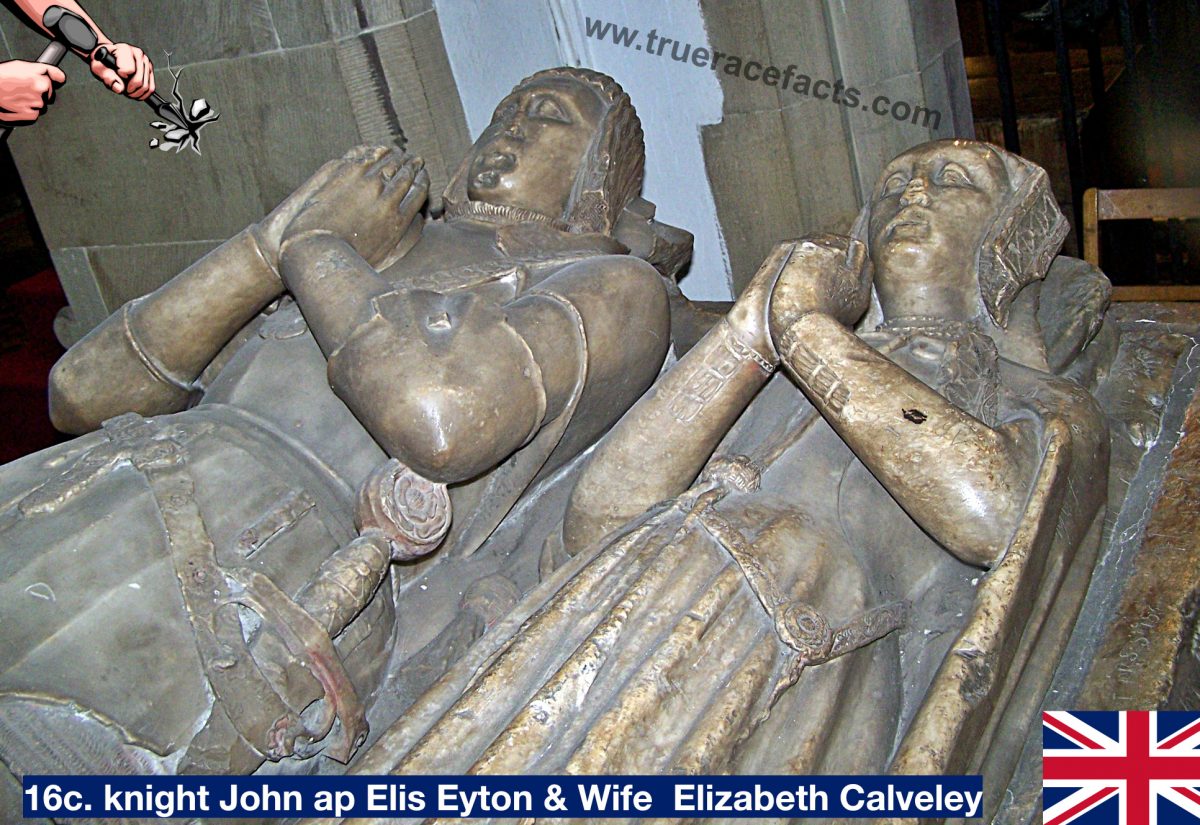
Explore Sir John ap Elis Eyton (d.1526), a Welsh knight whose effigy preserves his swarthy features, noble lineage, and status despite deliberate facial alterations.
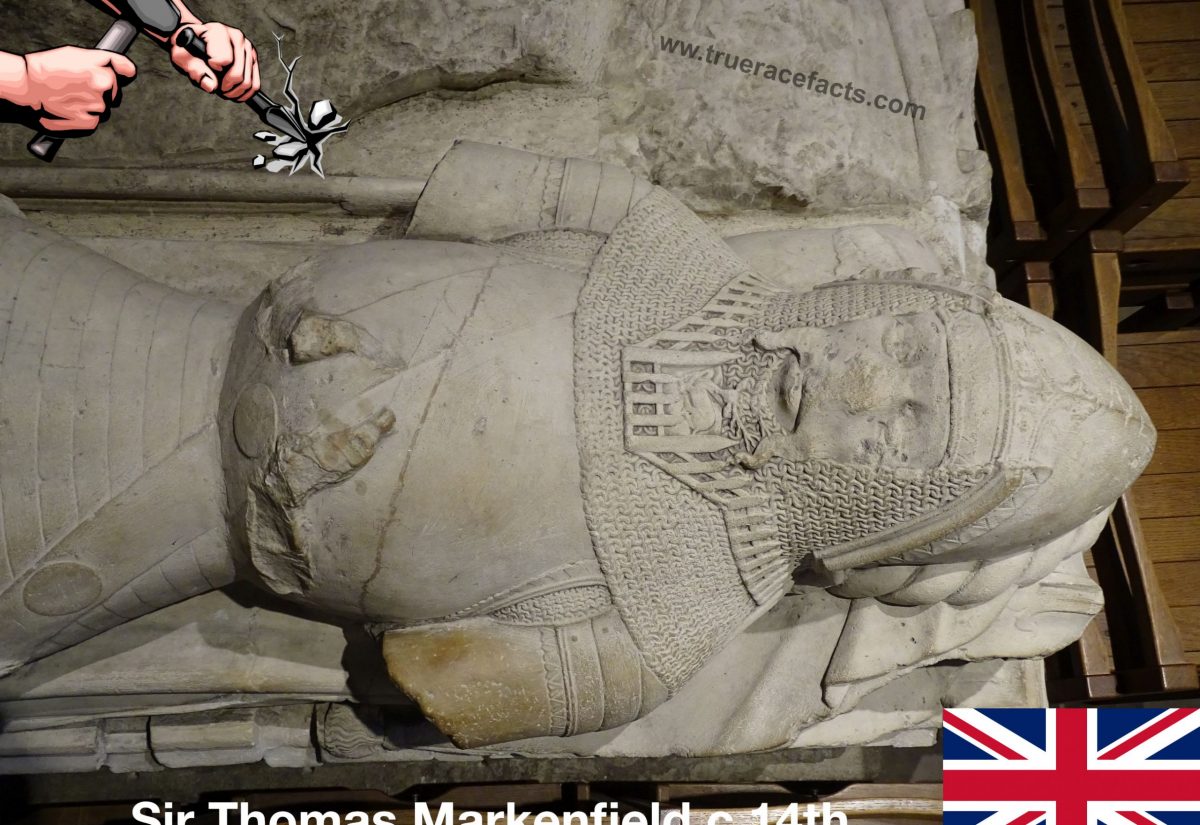
Discover Sir Thomas Markenfield (14th century), a medieval knight whose effigy preserves his swarthy features, noble lineage, and Israelite symbolism despite deliberate facial defacement.
- 17 November 2025
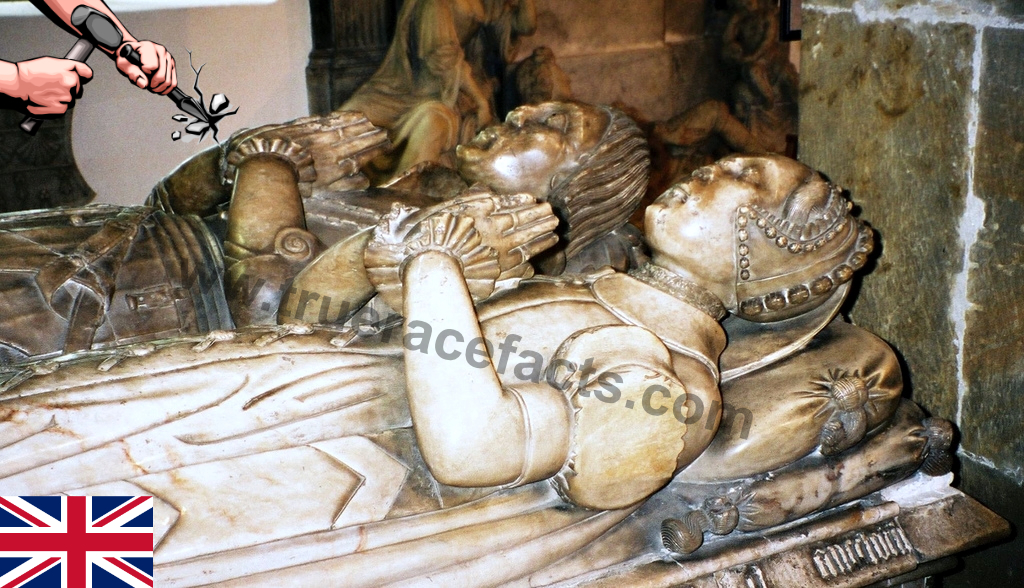
Explore Sir Robert Scargill of Thorpe Hall (d.1531), a medieval knight whose effigy preserves his swarthy features, noble lineage, and status despite deliberate facial alterations.
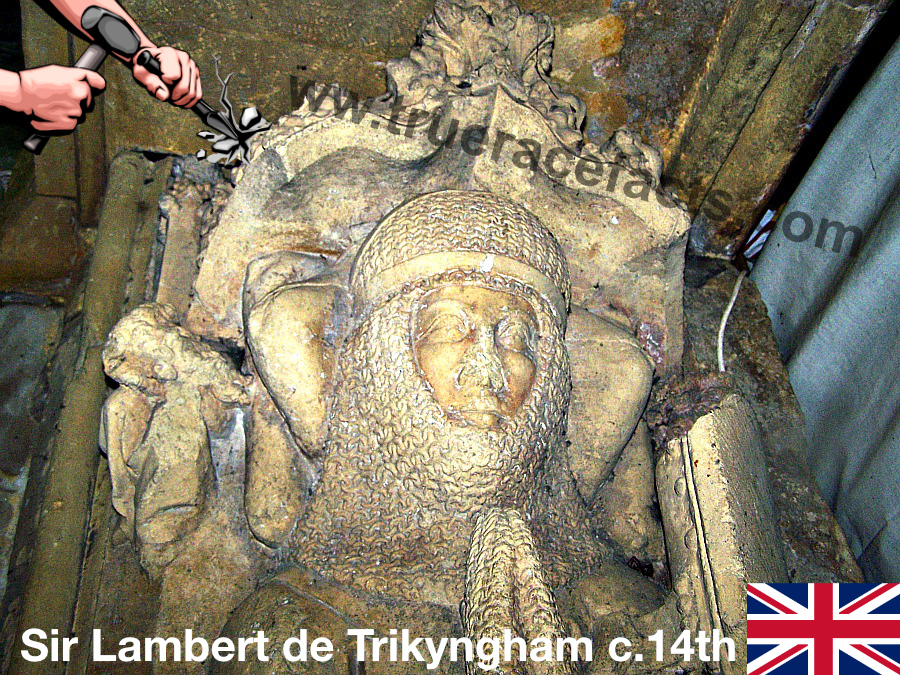
Discover Sir Richard de Goldsborough, a medieval knight whose effigy preserves his swarthy features, noble lineage, and Israelite symbolism despite deliberate facial defacement.

The story of Jerpoint Abbey, a historic Cistercian monastery in southeastern Ireland, begins with the legacy of one of Osraige’s most notable dynasties.
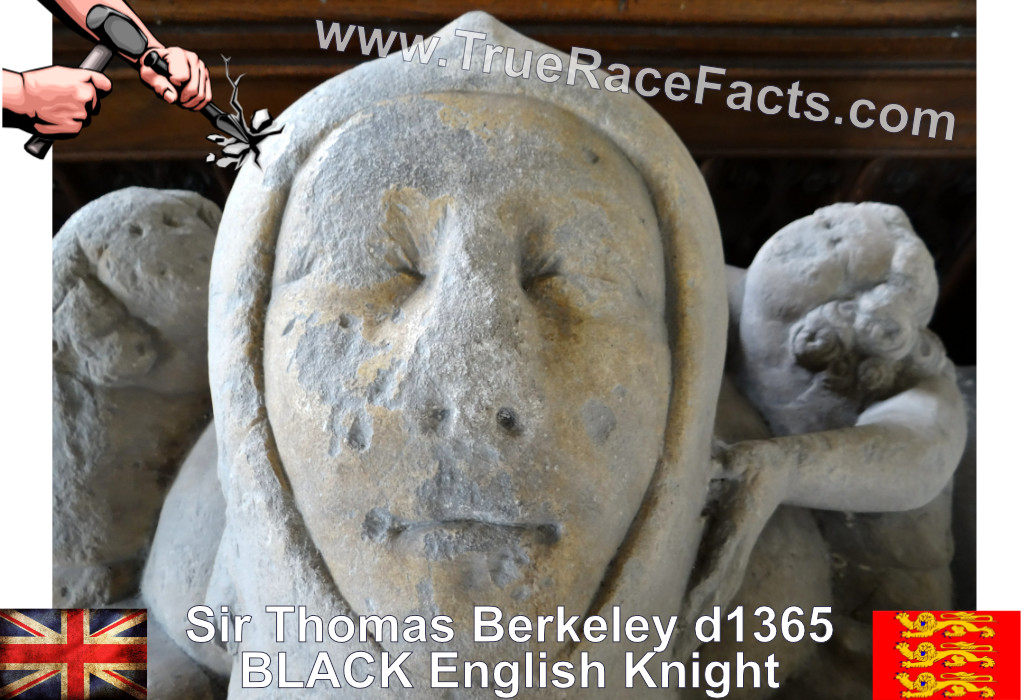
Explore the Berkeley legacy through Sir Giles Berkeley (d.1294) and Sir Thomas Berkeley (d.1365), whose effigies preserve their swarthy features, noble lineage, and medieval status despite deliberate facial defacement.
- 23 September 2024
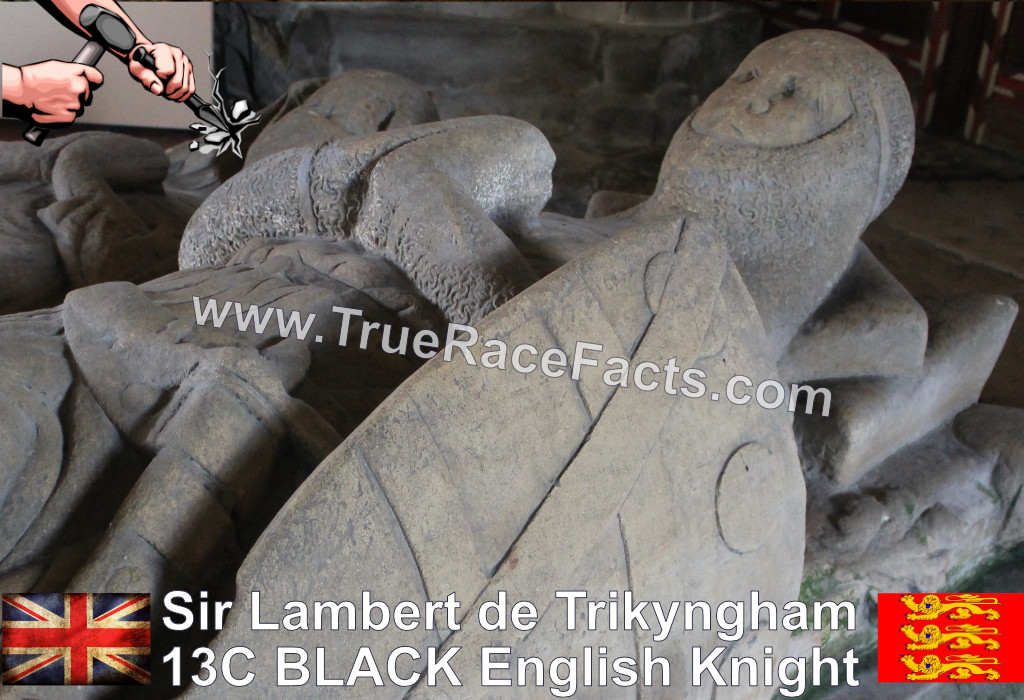
Discover the effigy of Knight Sir Lambert de Trikyngham (d.1280) in a medieval English church. Despite deliberate facial defacement, his Hebrew/Israelite features, including a broad nose and full lips reminiscent of KRS-One, remain visible. His feet rest on a lion, symbolizing the Lion of Judah and his Israelite heritage, preserving a noble lineage often erased from history.
- 22 September 2024
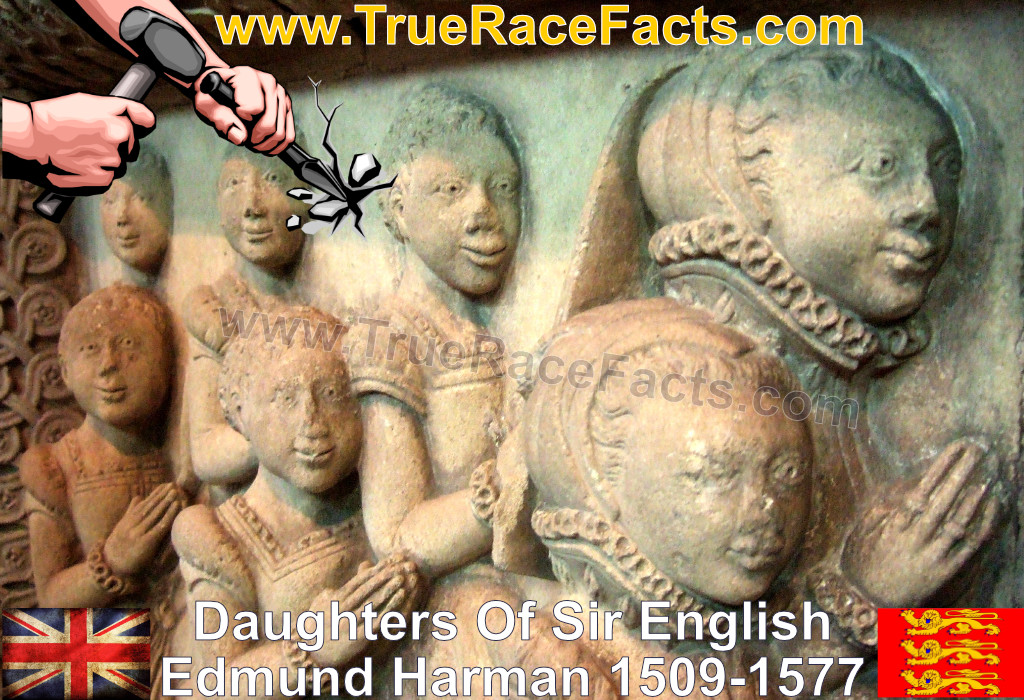
Explore the tomb of Edmund Harman (c.1509–1577), barber-surgeon to King Henry VIII, at St John the Baptist Church, Burford. Despite deliberate facial defacement, Harman and his wife Agnes’s Hebrew/Israelite features — broad noses and full lips — remain visible. Their tomb, including sixteen children, preserves a swarthy lineage often erased from history.
- 31 July 2022
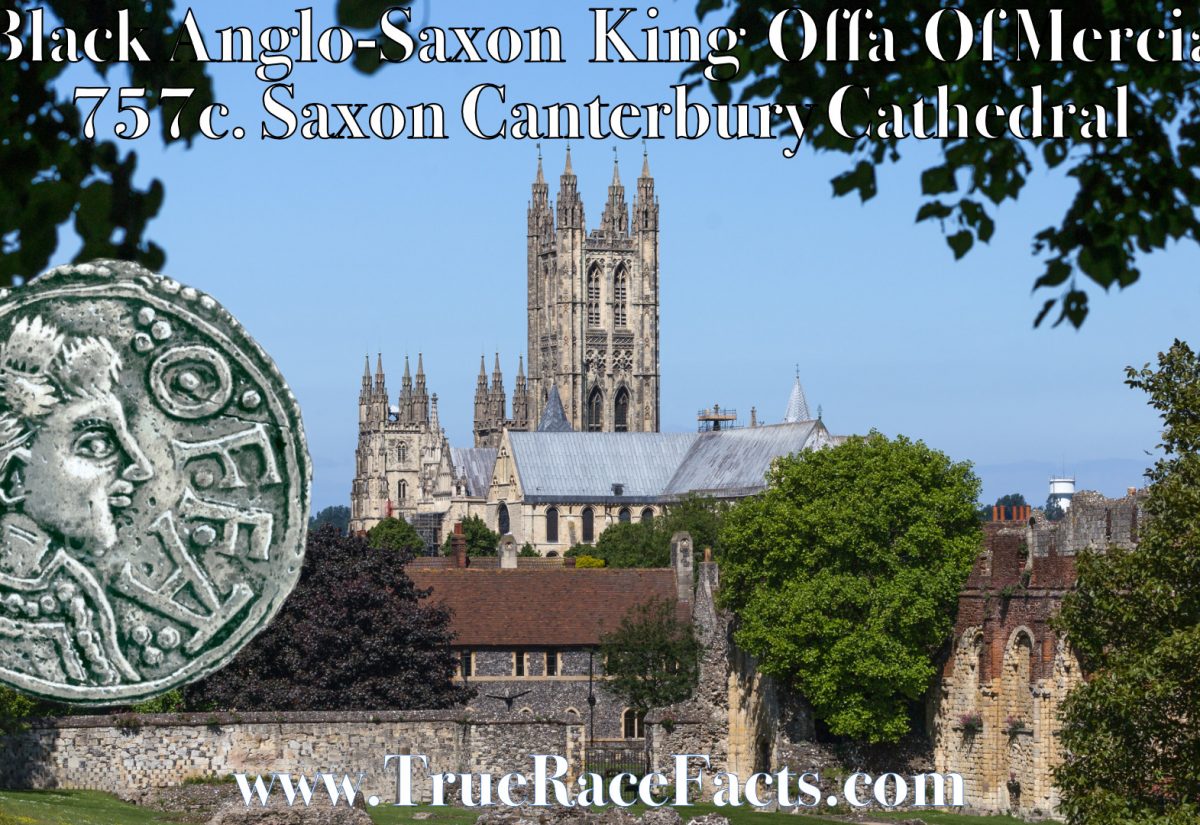
King Offa (died 29 July 796 AD) was King of Mercia, a kingdom of the Anglo-Saxons, England, from 757 until his death. The son of Prince Thingfrith and a descendant of Eowa, the noble line of Kings. Offa came to the throne after a civil war that led to the assassination of Æthelbald. Offa defeated the other claimant, King Beornred. In the early years of Offa’s rulership, he likely consolidated his control of the Midlands, taking advantage of the instability in Kent’s kingdom to establish himself as overlord.