- 10 January 2023
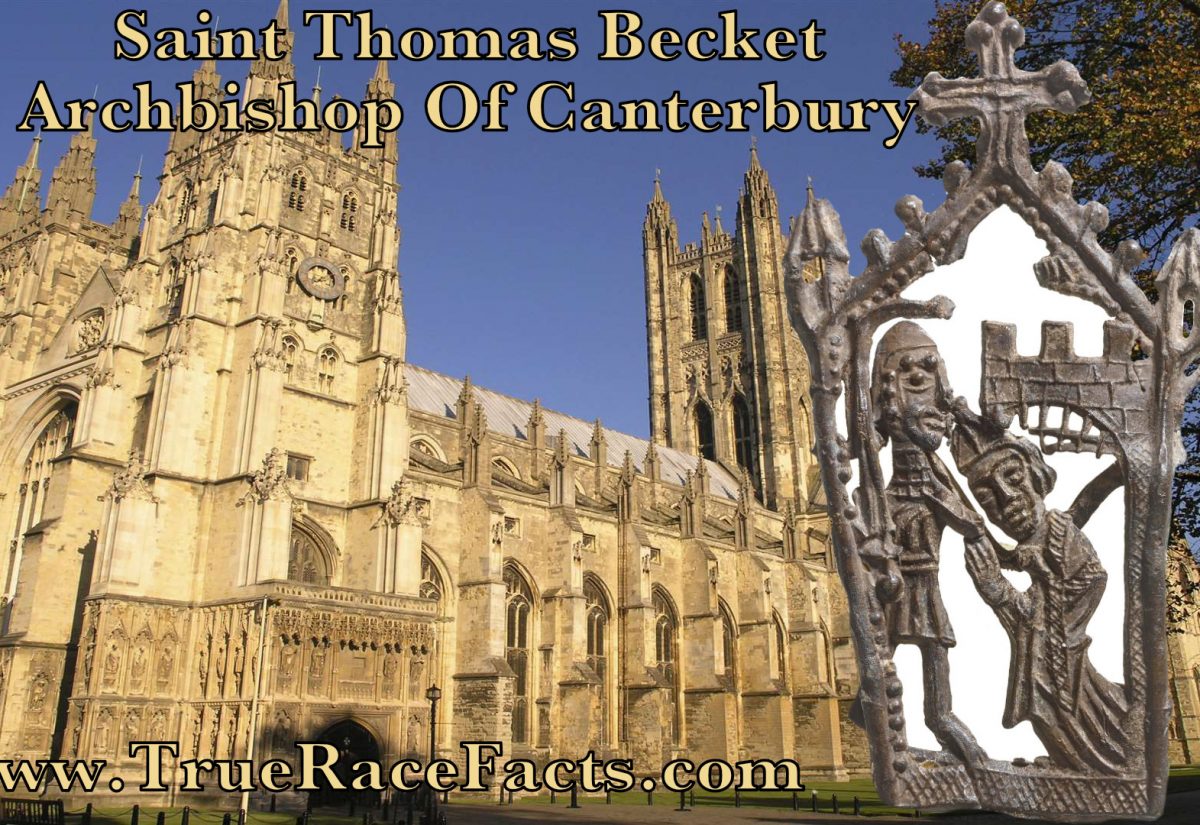
Thomas Becket was one of the most influential men in Britain. Also known as Saint Thomas of Canterbury, Thomas of London and later Thomas à Becket (21 December 1119 or 1120 – 29 December 1170), was an English nobleman who served as Lord Chancellor from 1155 to 1162 and then notably as Archbishop of Canterbury from 1162 until his murder in 1170. The Catholic Church and the Anglican
- 4 January 2023
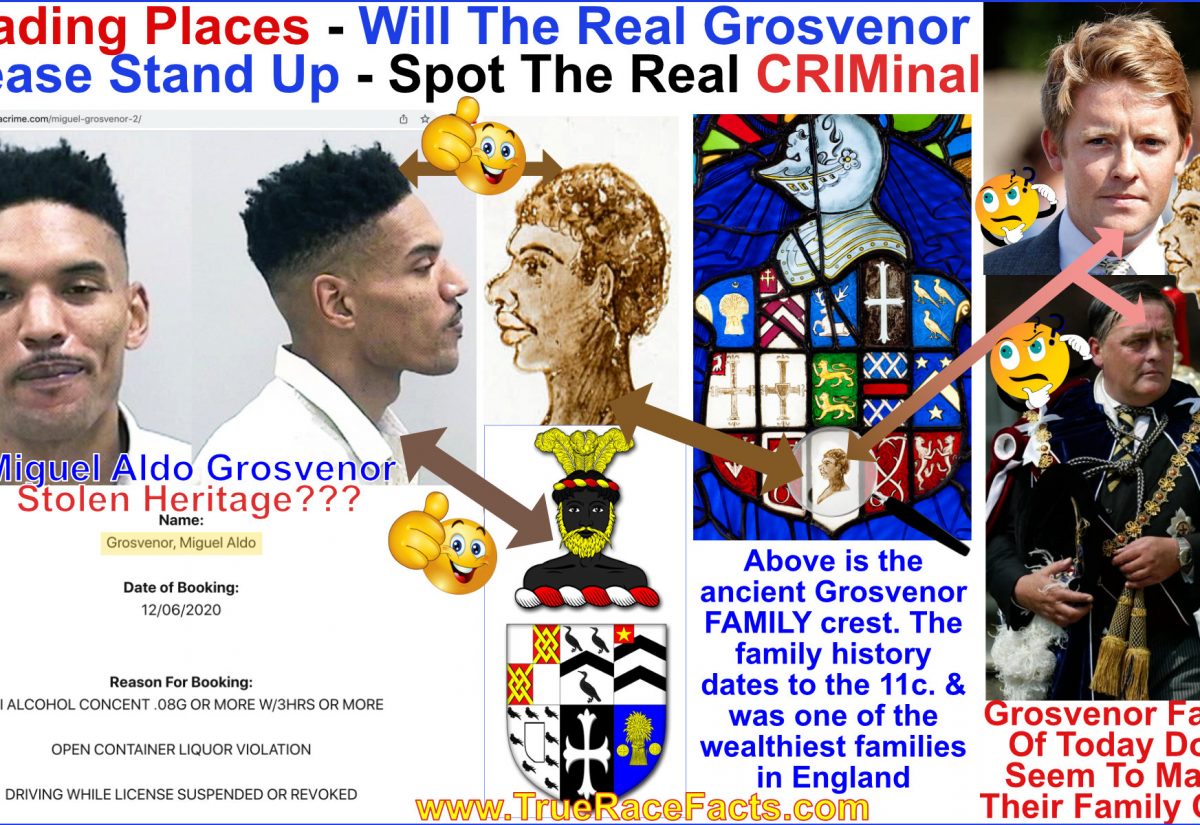
Will the real Grosvenor Please Stand Up - The man in America with the petty crimes matches the ancient family crest more than the current family. Miguel Grosvenor is highly likely the REAL Grosvenor but his family was put into slavery and had their land STOLEN Under during the Cromwelian race wars or during the late 17th century when England was undergoing a genocide race cleanse. I allege
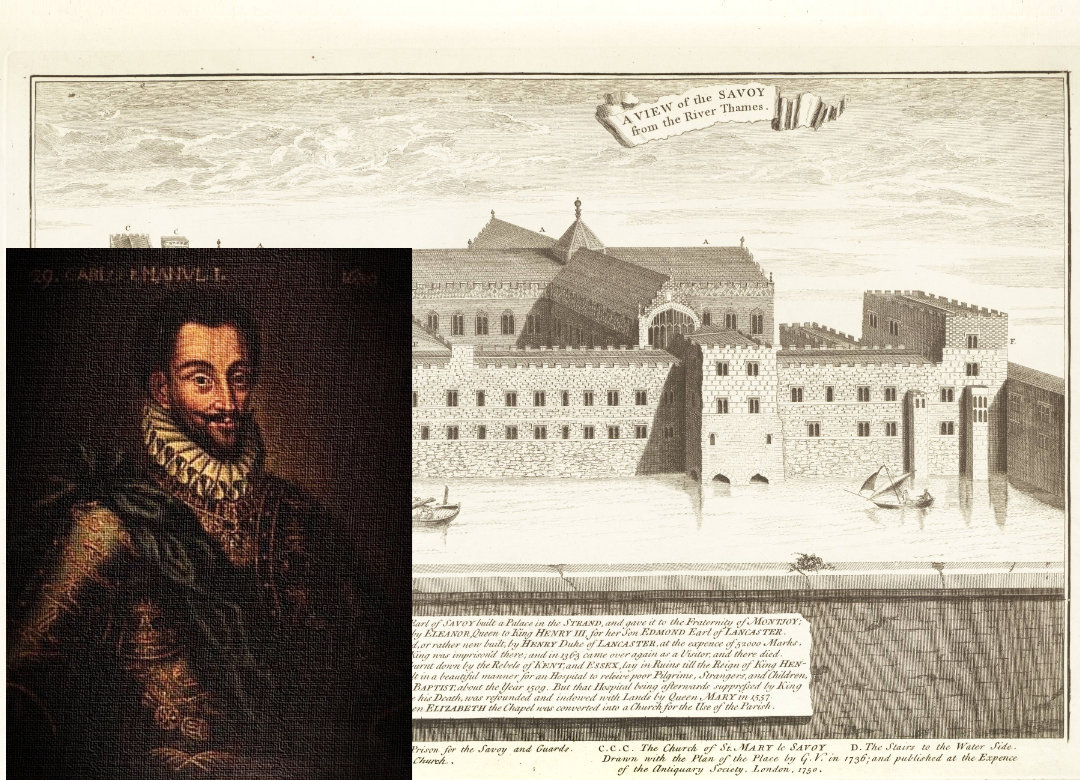
The dark House of Savoy was a royal dynasty that was established in 1003 in the historical Savoy region. Through gradual expansion, the family grew in power from ruling a small Alpine county north-west of Italy to absolute rule of the Kingdom of Sicily from 1713 to 1720, when they were handed the island of Sardinia, over which they would exercise direct rule from then onward.
- 25 December 2022
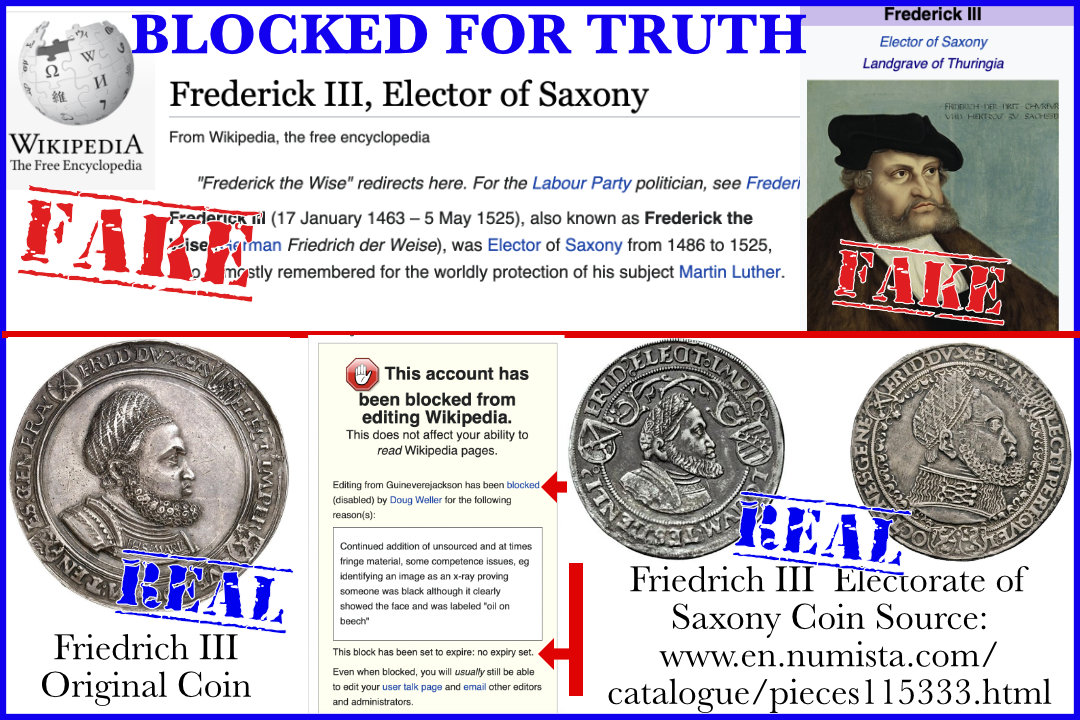
Wikipedia BLOCKED me permanently from editing because I added authentic images of Frederick III, Elector of Saxony aka Frederick the Wise. This is what you call whitewashing iconoclasm at it's finest. Frederick was the son of Ernest, Elector of Saxony and his wife Elisabeth, daughter of Albert III, Duke of Bavaria. He is notable as being one of the most powerful early defenders of Martin Luther
- 25 December 2022
Ludwig van Beethoven[n 1] (baptised 17 December 1770 – 26 March 1827) was a German composer and pianist. Beethoven remains one of the most admired composers in the history of Western music; his works rank amongst the most performed of the classical music repertoire and span the transition from the Classical period to the Romantic era in classical music.
- 24 December 2022
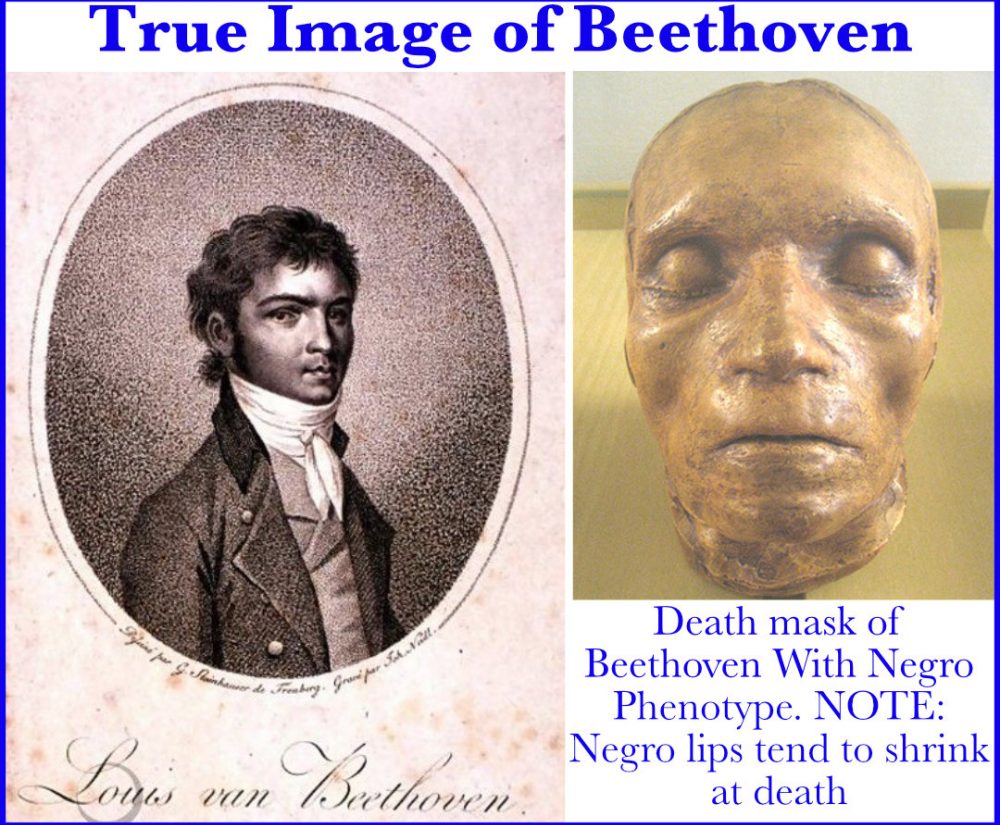
Ludwig van Beethoven[n 1] (baptised 17 December 1770 – 26 March 1827) was a German composer and pianist. Beethoven remains one of the most admired composers in the history of Western music; his works rank amongst the most performed of the classical music repertoire and span the transition from the Classical period to the Romantic era in classical music.
- 24 December 2022

Above are images of Sir Thurstan de Bower and his wife Margaret in St John the Baptist church, Tideswell, England. Thurstan became one of the elite squires retained by the king who was chosen for their skill in arms, wisdom, wealth and social standing in Britain. Chaucer reliably informs us it "was a great honour, exceedingly rare, and given only to a chosen few." He fought in the Scottish campaign and in the battle of Shrewsbury dressed in the king's livery, and for services rendered, Thurstan became Lord of the Manor of Little Longstone. He lived to see five medieval kings on the throne of England and received Royal Commissions for the defence of the realm during the king's absence in France. Sir Thurstan Wearing an SS collar c1395, and his wife Margaret de Bower lie here in the De Bower Chapel. They are said to have built the transept.
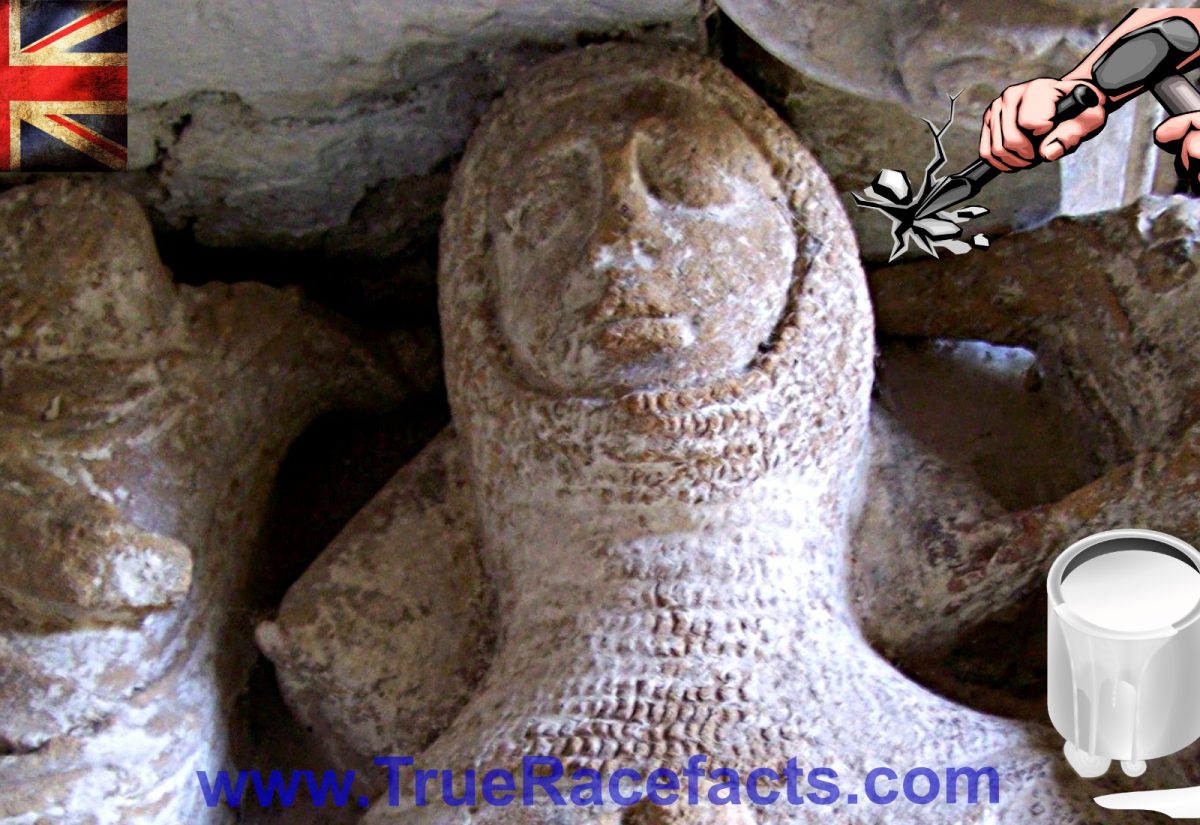
Robert Achard came from a wealthy noble family gifted with land in England by William the Conqueror in the 11th century for their help in conquering England. Their origins are in Normandy, France. Robert was the son of Peter Archard 1278 and Elizabeth / Isabel 1299, daughter of William Englefield 1260.
- 28 November 2022
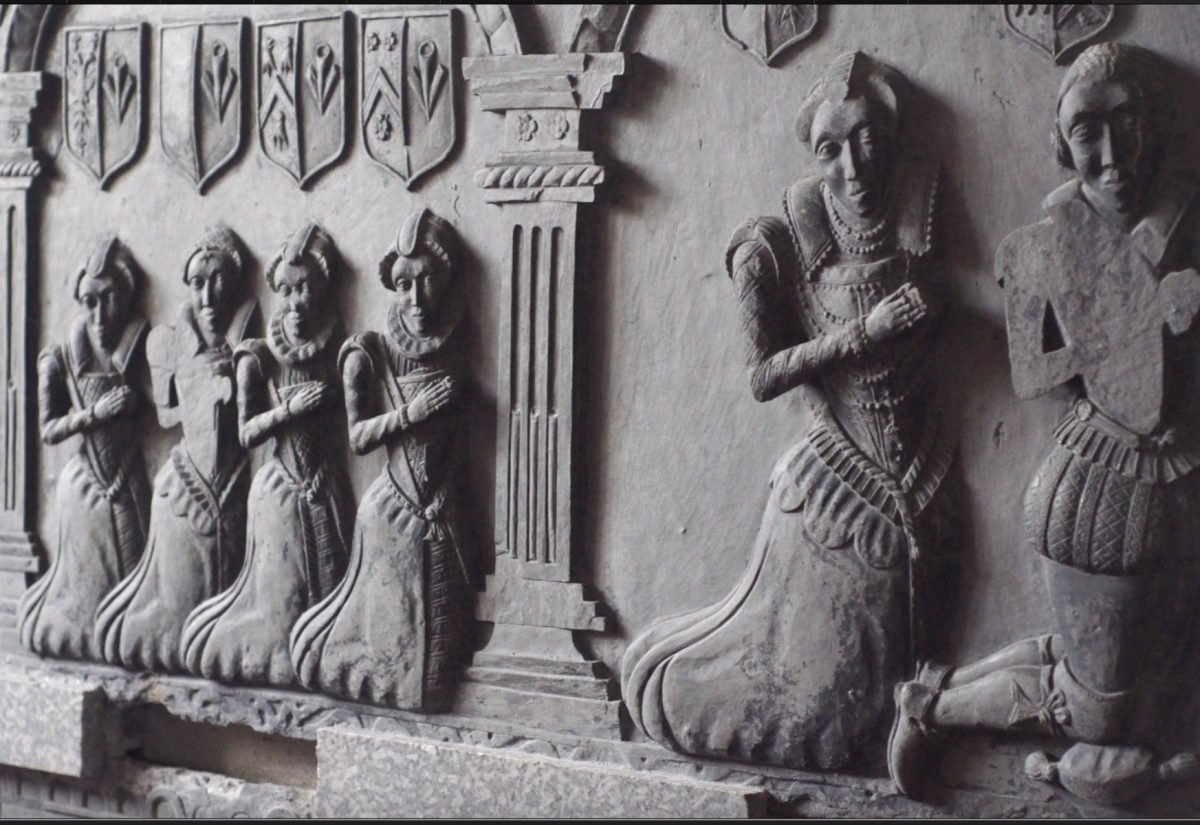
We have made it clear on this website www.TrueRaceFacts.com with robust evidence that European history has been told in lies for the benefit of white supremacy. Many slaves that were rounded up and put into slavery in America and the Caribbean islands came from England, Ireland, Scotland and Europe. Only after the Edomites had cleansed the land of the dark race did they focus on Africa for new slaves. But it is IMPORTANT TO NOTE the people they took from Africa were of the same race as the ancient dark Europeans. As it was written in the Bible, the Southern Kingdom Hebrew Israelites from Africa and Europe's roundup were merged with the Northern Kingdom so-called Native American Indians.
- 28 November 2022
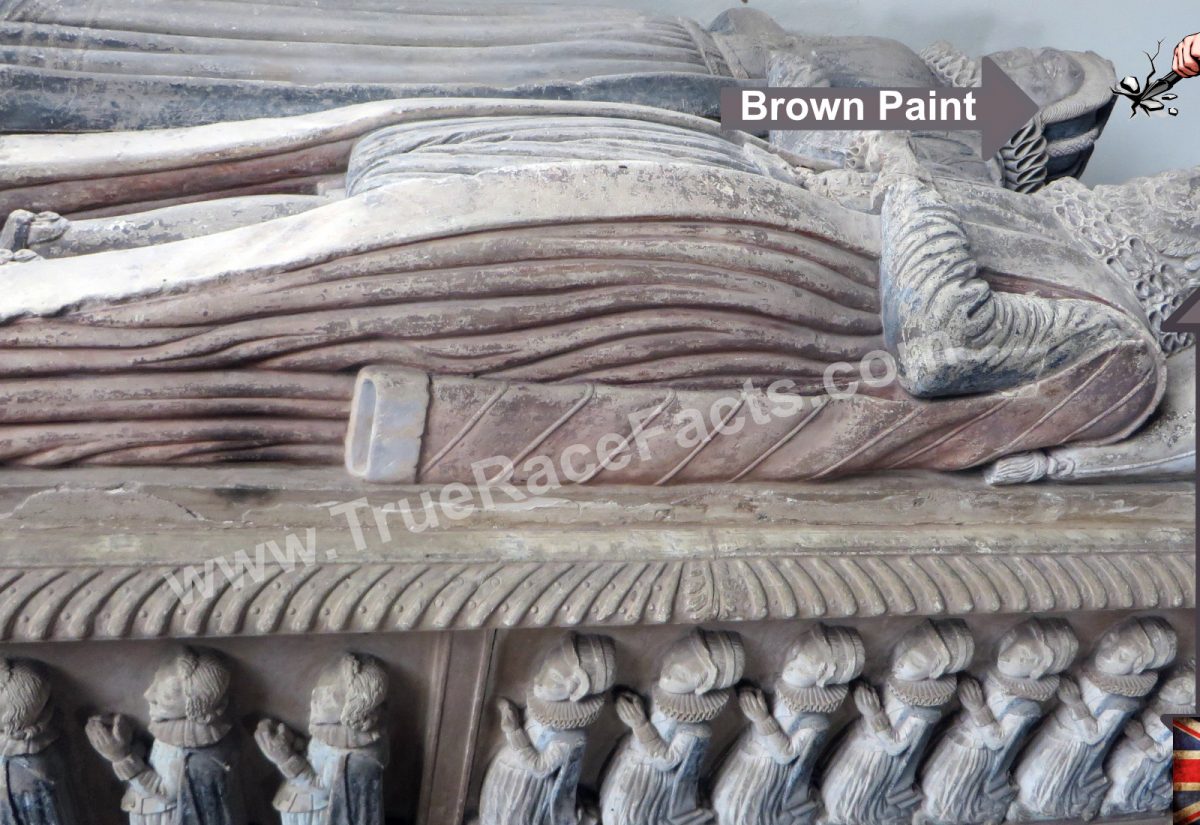
Wealthy landowner Richard Willison died on 23rd February 1574. His wife Anne Elton Willison was buried here on 22nd June 1591 - Church of the 'Nativity of The Blessed Virgin Mary, Madley Herefordshire.