Sir Thomas Grenville II Knight of the Body and Sheriff of Cornwall UK
- Guinevere Jackson
- 25 January 2026
- 0 Comment
Sir Thomas Grenville II, K.B. (c.1453–c.1513): Knight of the Bath, Royal Servant, and Lord of Stowe
Origins of the Grenville Family
The Grenville family was among the most established noble and landed families of the West Country. Their roots stretched deep into the medieval history of Devon and Cornwall, where they accumulated extensive estates through inheritance, marriage, royal favour, and military service. By the fifteenth century, the family had become one of the leading gentry houses in the region, exercising considerable influence through their control of land and local administration.
Sir Thomas Grenville II inherited this legacy and spent his life strengthening the position of his family during one of the most turbulent periods in English history.
Marriage and Family Connections
Sir Thomas married Isabel Gilbert, daughter of Otho Gilbert of Compton and Elizabeth Hill. Through this marriage the Grenvilles strengthened their ties to other influential West Country families, further consolidating their position within the regional elite.
Marriage among noble families was rarely accidental. It was a means of securing alliances, protecting estates, and extending influence across neighbouring territories. The union between the Grenvilles and Gilberts reflects this wider pattern of medieval aristocratic strategy.
Land, Wealth, and Estates
The Grenville family controlled substantial estates throughout Devon and Cornwall, with Stowe becoming one of their principal seats. Their wealth was derived from agricultural lands, rents, feudal rights, and the management of extensive manorial holdings.
In medieval England, land was power. The ability to control estates, collect rents, and oversee local tenants placed families such as the Grenvilles among the most influential figures in regional society. Their status was reflected not only in their wealth but in their role as local leaders and representatives of royal authority.
Service to Richard III and Henry VII
Sir Thomas lived during the dramatic transition between the Plantagenet and Tudor dynasties. He witnessed the closing years of the Wars of the Roses and successfully navigated the political upheavals that accompanied the rise of the Tudor monarchy.
He served under Richard III and later under Henry VII, demonstrating both political skill and loyalty during a period when many noble families saw their fortunes rise or fall according to the outcome of dynastic conflict.
His standing was recognised through his appointment as a Knight of the Bath, a prestigious honour bestowed upon men of noble birth and distinguished service. The title reflected both status and royal favour, marking Sir Thomas as a man of importance within the kingdom.
The Effigy and Its Survival
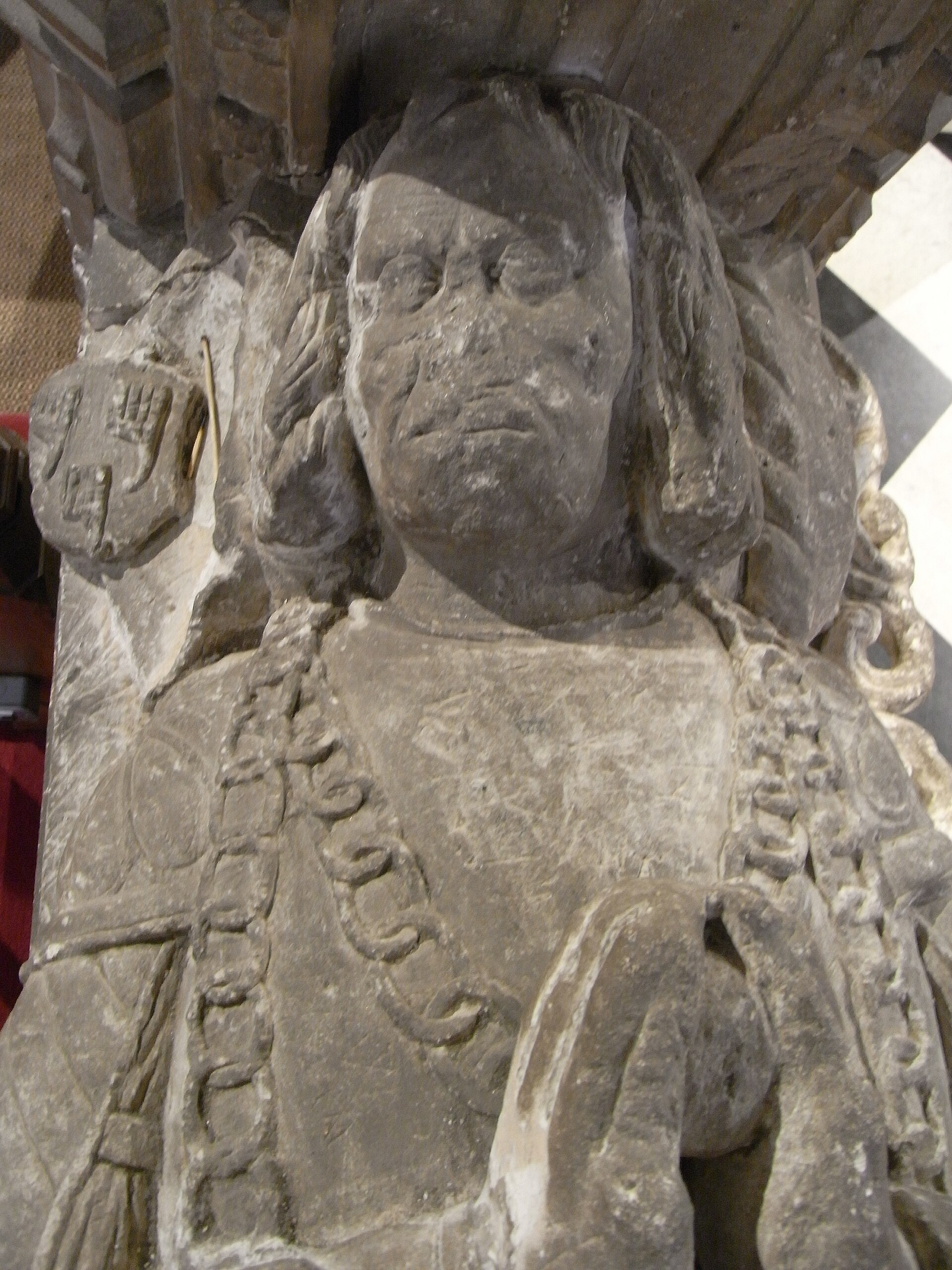
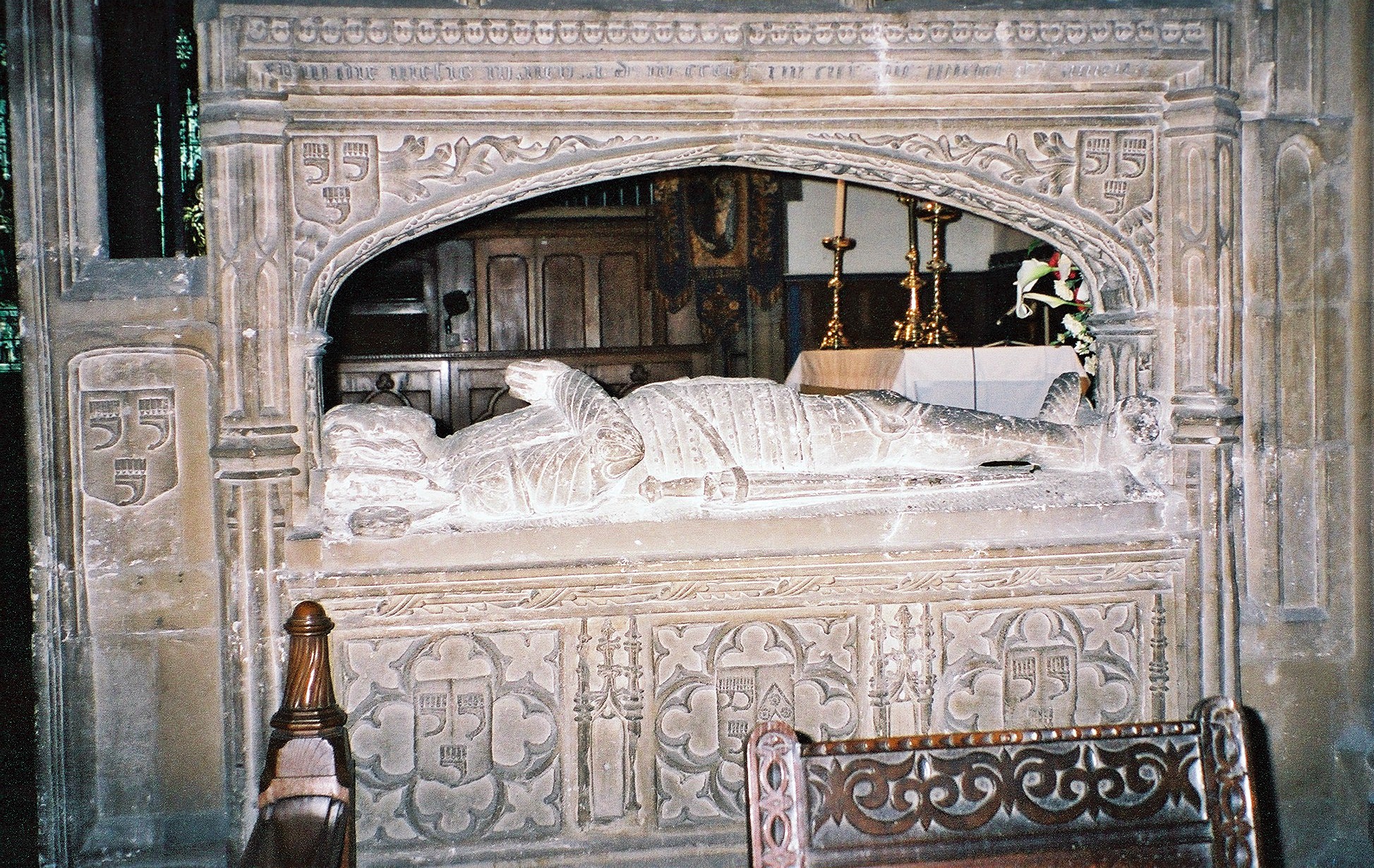
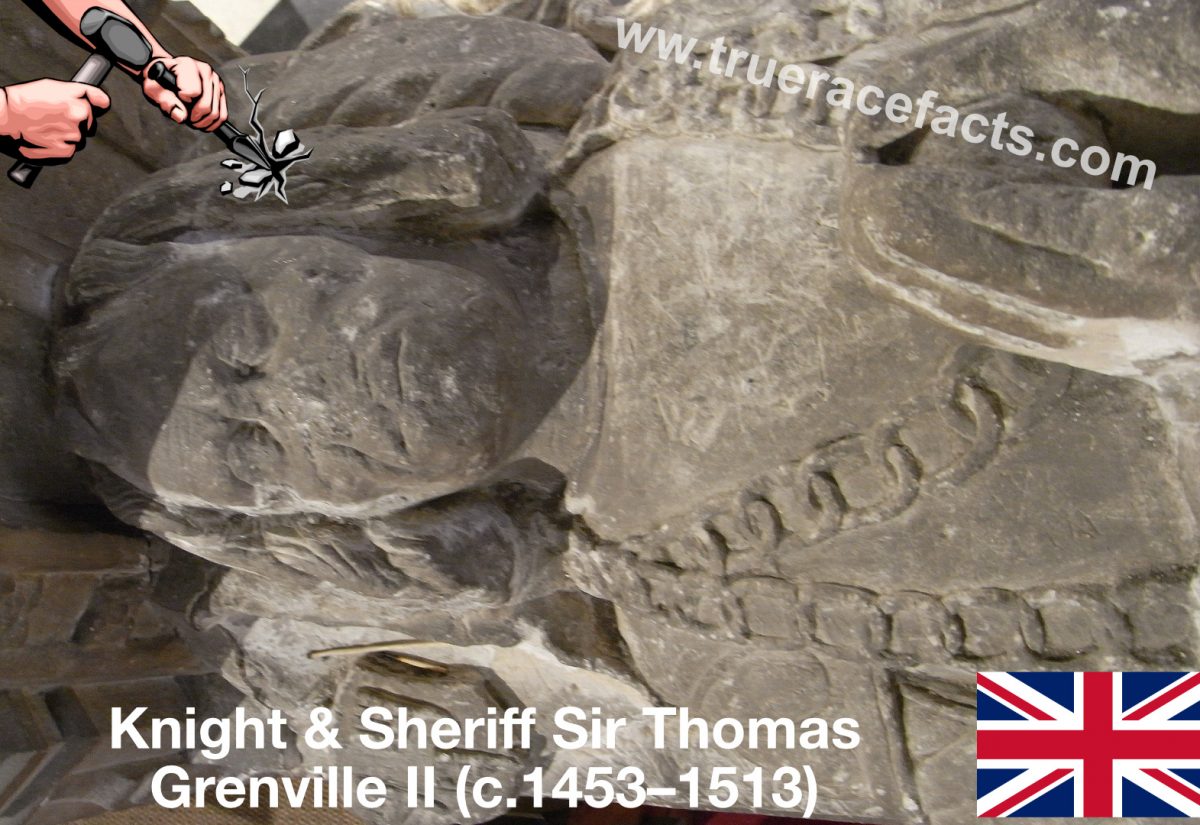
Today, Sir Thomas Grenville’s effigy remains one of the most tangible links to his life and status. The monument preserves the image of a knight whose family helped shape the history of the West Country.
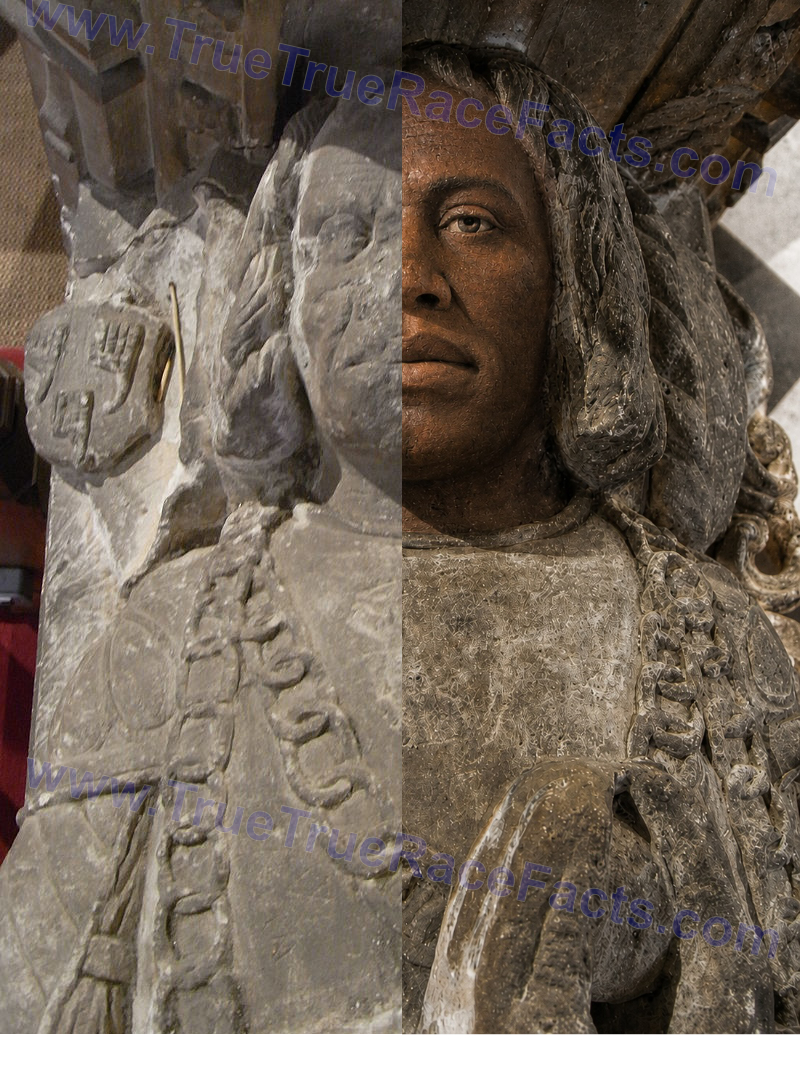
Like many medieval monuments, the effigy has not survived entirely untouched. Surface detail has been reduced over time, and areas of the face show evidence of loss and alteration. Yet despite this, the underlying structure of the carving remains remarkably visible.
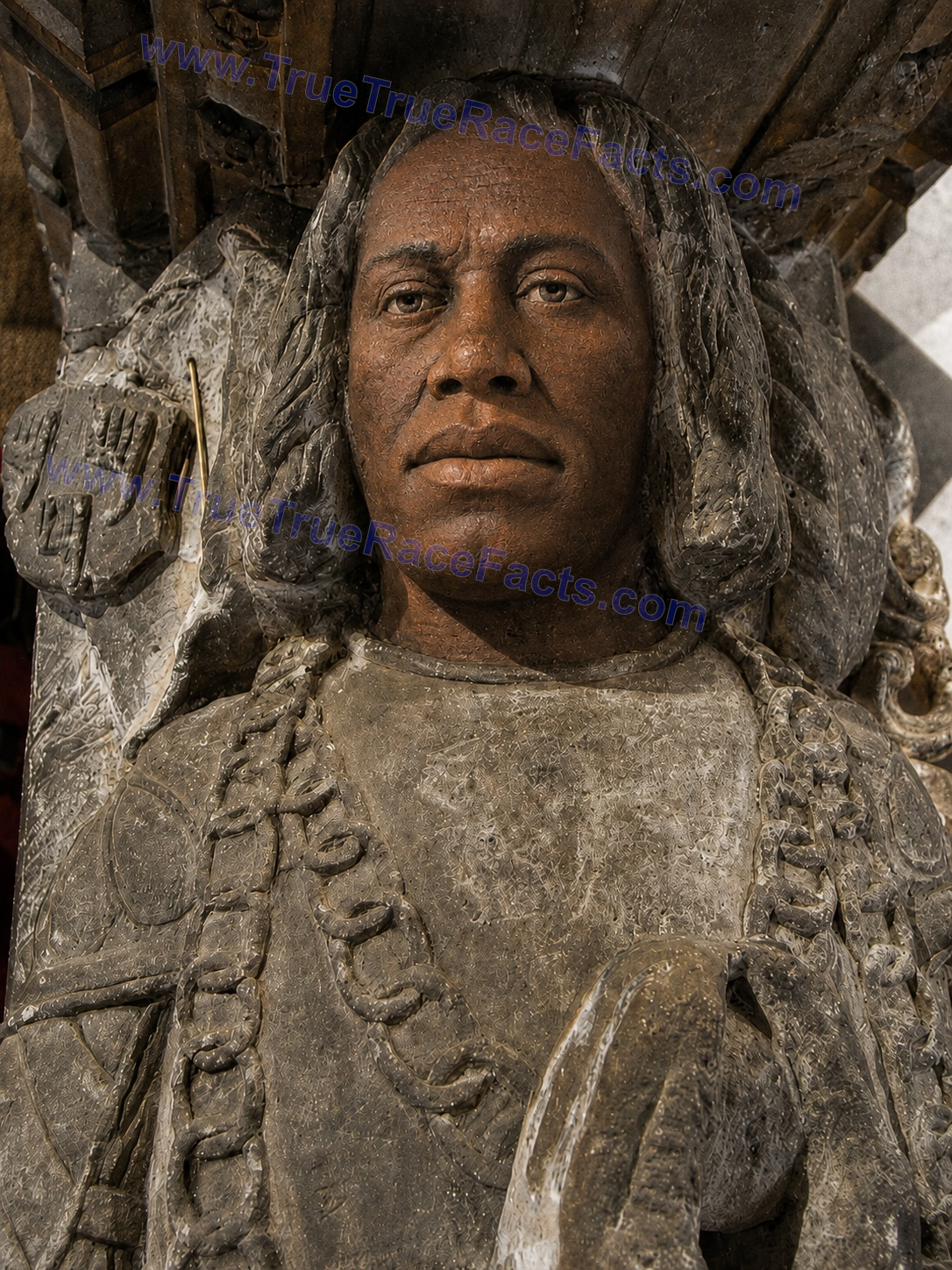
The outline of the nose remains broad in form, while the structure of the lips continues to be clearly readable within the stone. Although finer details have been softened, the original sculptural framework survives strongly enough to allow modern visual reconstruction based upon the contours that remain.
Viewed in this way, the monument becomes more than a worn relic. It becomes a surviving record of the sculptor’s original work, preserving enough detail to suggest how Sir Thomas may have appeared when the effigy was first completed, painted, and displayed within its medieval setting.
Legacy
Sir Thomas Grenville II stands as a representative of the powerful West Country families that bridged the medieval and Tudor worlds. Through landownership, royal service, strategic marriage, and noble status, he helped maintain the influence of one of the region’s most important families.
His effigy survives as a reminder not only of the man himself, but of a period when land, loyalty, and lineage shaped the course of English history.
“Though centuries have softened the surface and diminished the finer detail, the outline remains; and within that outline survives the memory of a knight who served kings, governed estates, and left his mark upon the history of the West Country.”
Guinevere Jackson
Image citation Tomb Wikipedia & Flickr Ai reconstruction author own work using Ai
 Donate