Sir William Bruce / de Brus Swarthy Nobility and the House Behind Britain
- Guinevere Jackson
- 25 December 2025
- 0 Comment
Sir William Bruce / de Brus (d. 1344–1345): Swarthy Nobility and the House Behind Britain
The name Bruce is inseparable from British history. It evokes kingship, sovereignty, and the struggle for power across Britain and Scotland. Yet behind the legend lies a lineage far older, deeper, and more complex than the modern retelling allows. Sir William Bruce, also known as de Brus, who died around 1344–1345, belonged to this ancient noble house—a family whose power, land, and identity shaped Britain at its core.
The Bruces were not late arrivals or peripheral figures. They were Norman-descended aristocracy, established in Britain shortly after the Norman Conquest, holding vast estates in England and Scotland. From this family would rise Robert the Bruce, King of Scots, but the Bruces were already a ruling force long before kingship was formalised.
A House of Lords, Castles, and Kings
The de Brus family held lands across Yorkshire, Durham, Annandale, and beyond, controlling castles, courts, and military forces. They were embedded in the ruling structure of Britain, intermarrying with other noble houses and exercising authority that spanned borders.
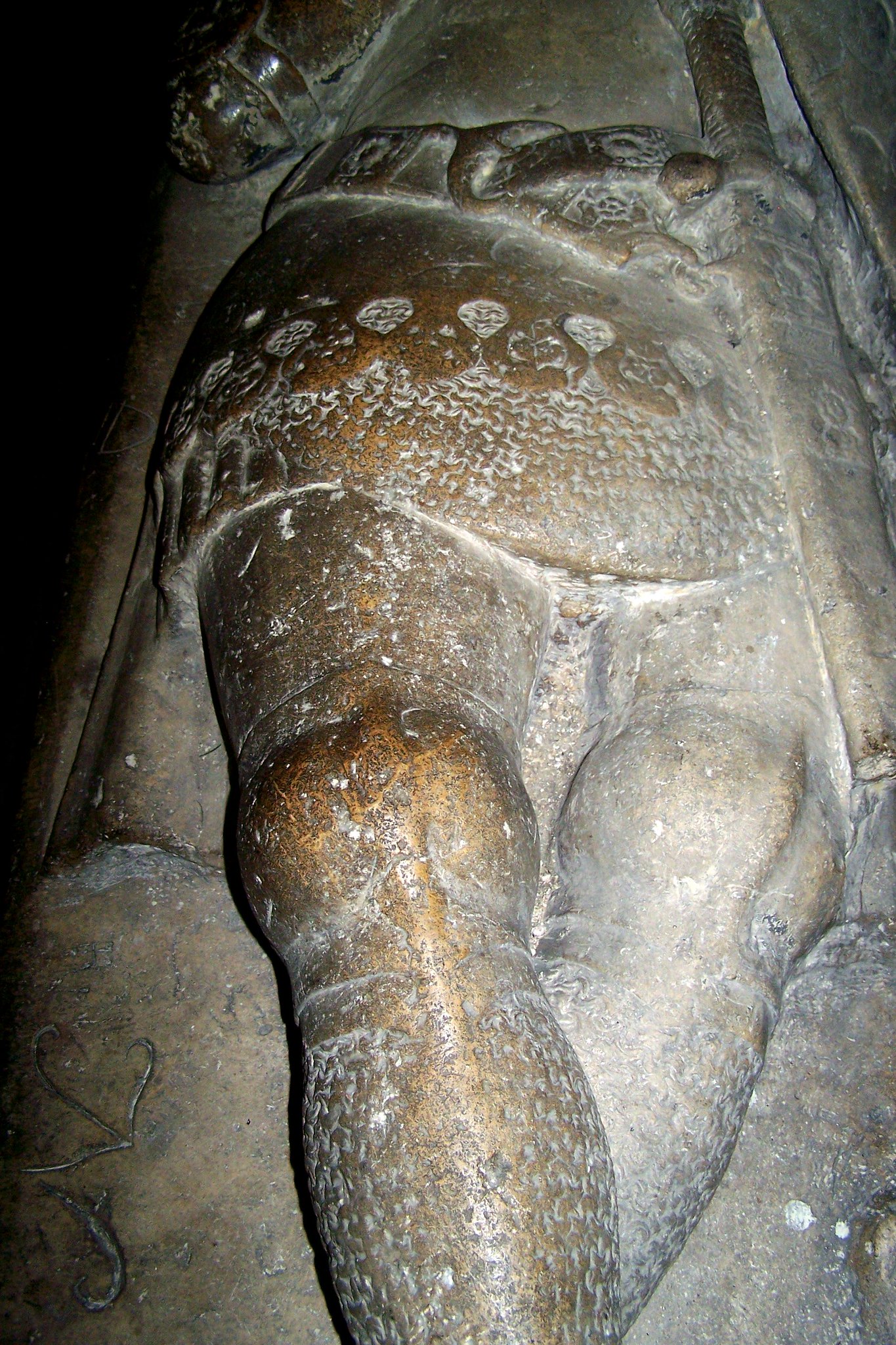
Sir William Bruce lived during the fourteenth century, a period when lineage mattered profoundly and identity was publicly declared through effigies, heraldry, and burial rites. Like other men of his rank, he was commemorated in stone, his likeness intended to survive the centuries as proof of his status and bloodline.
The Effigy and the Language of Erasure
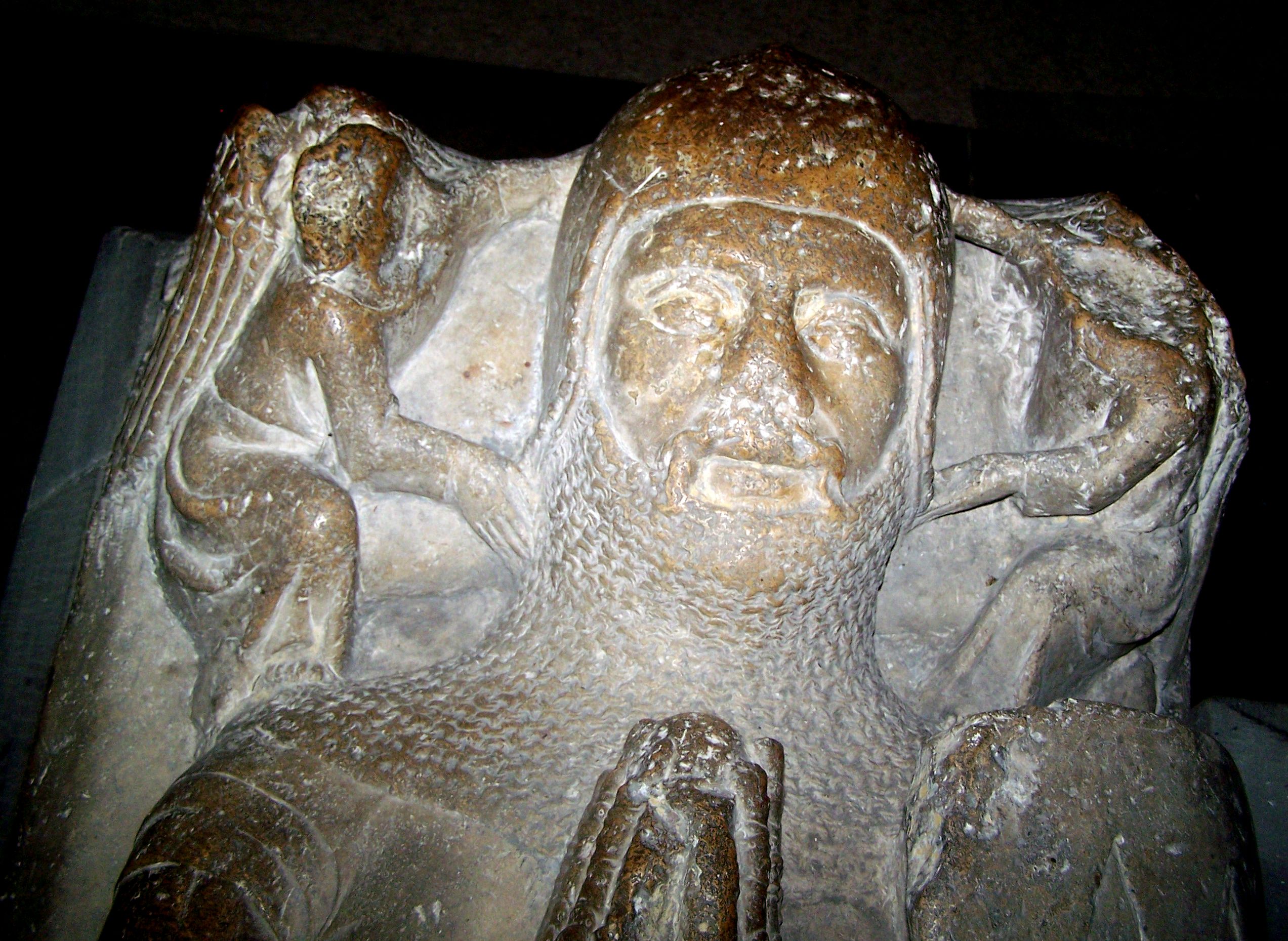
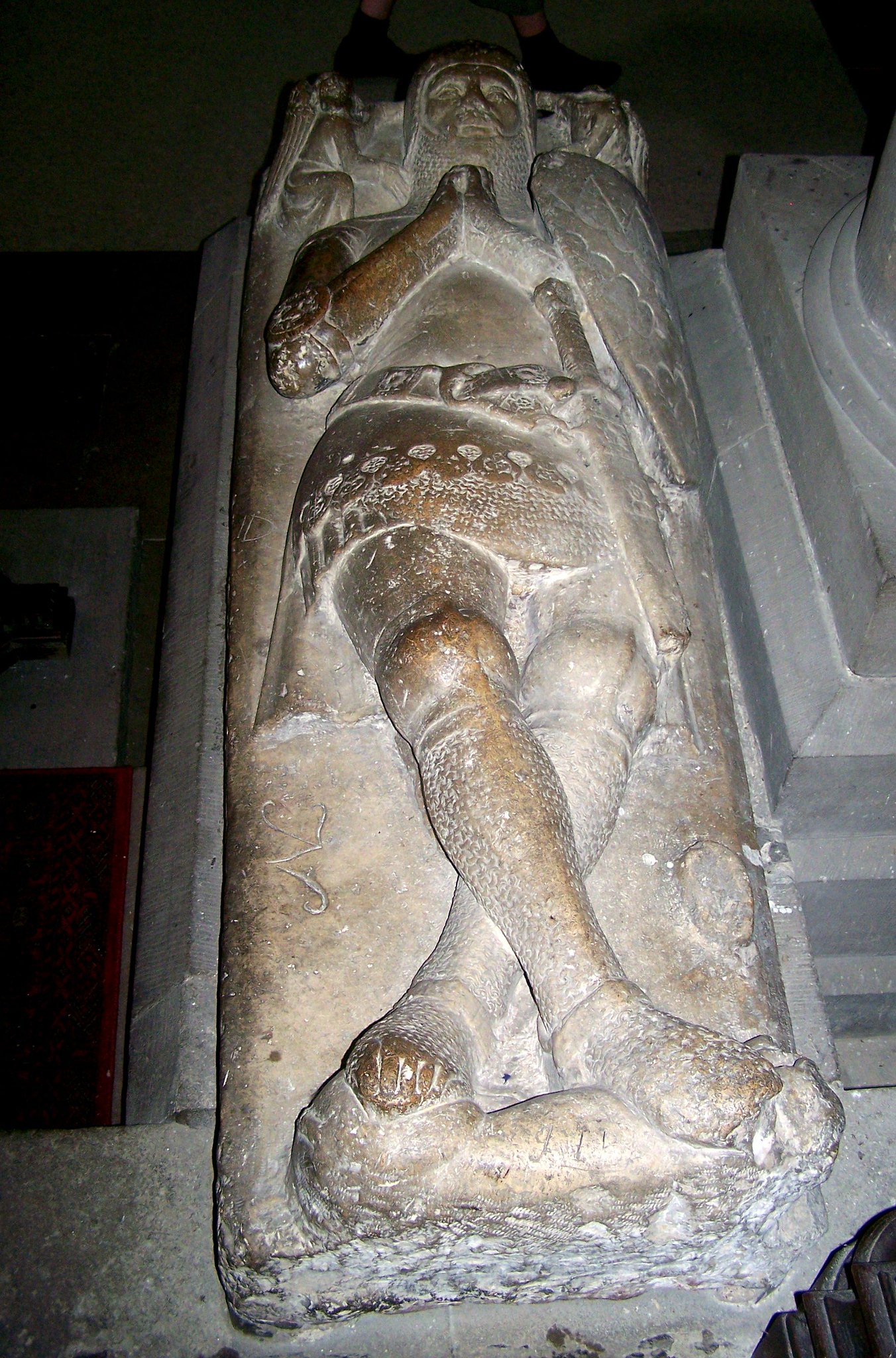
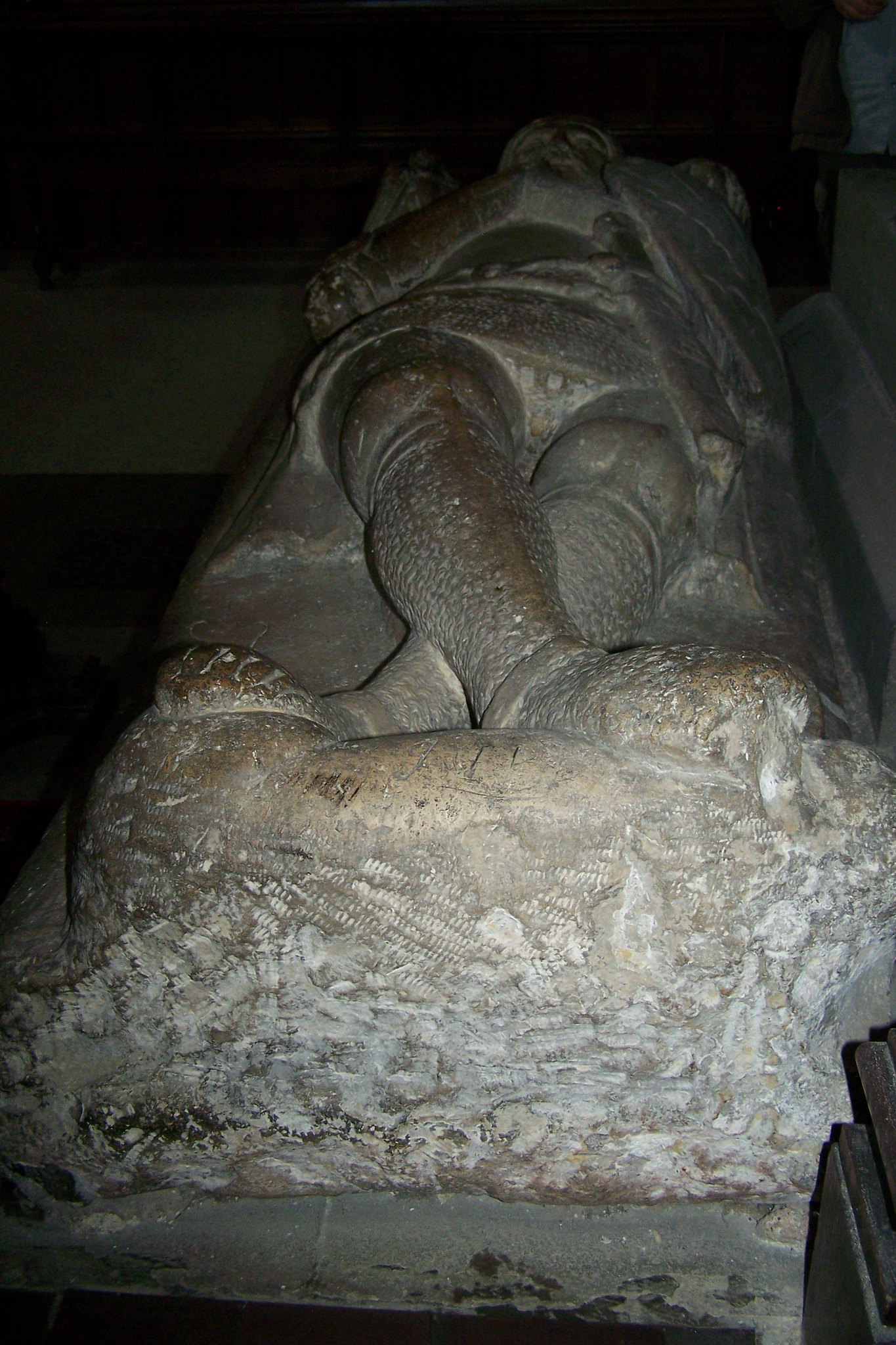
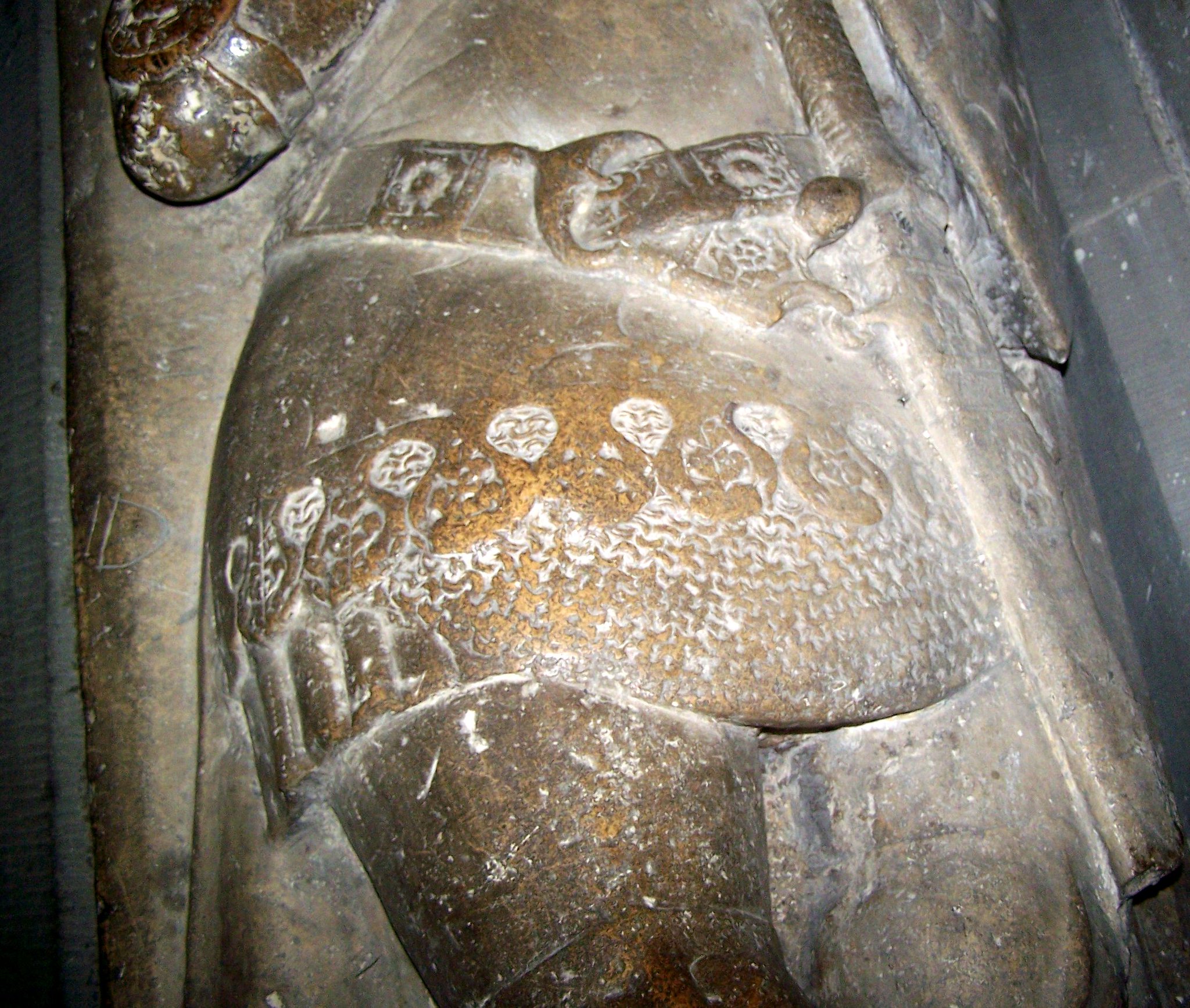
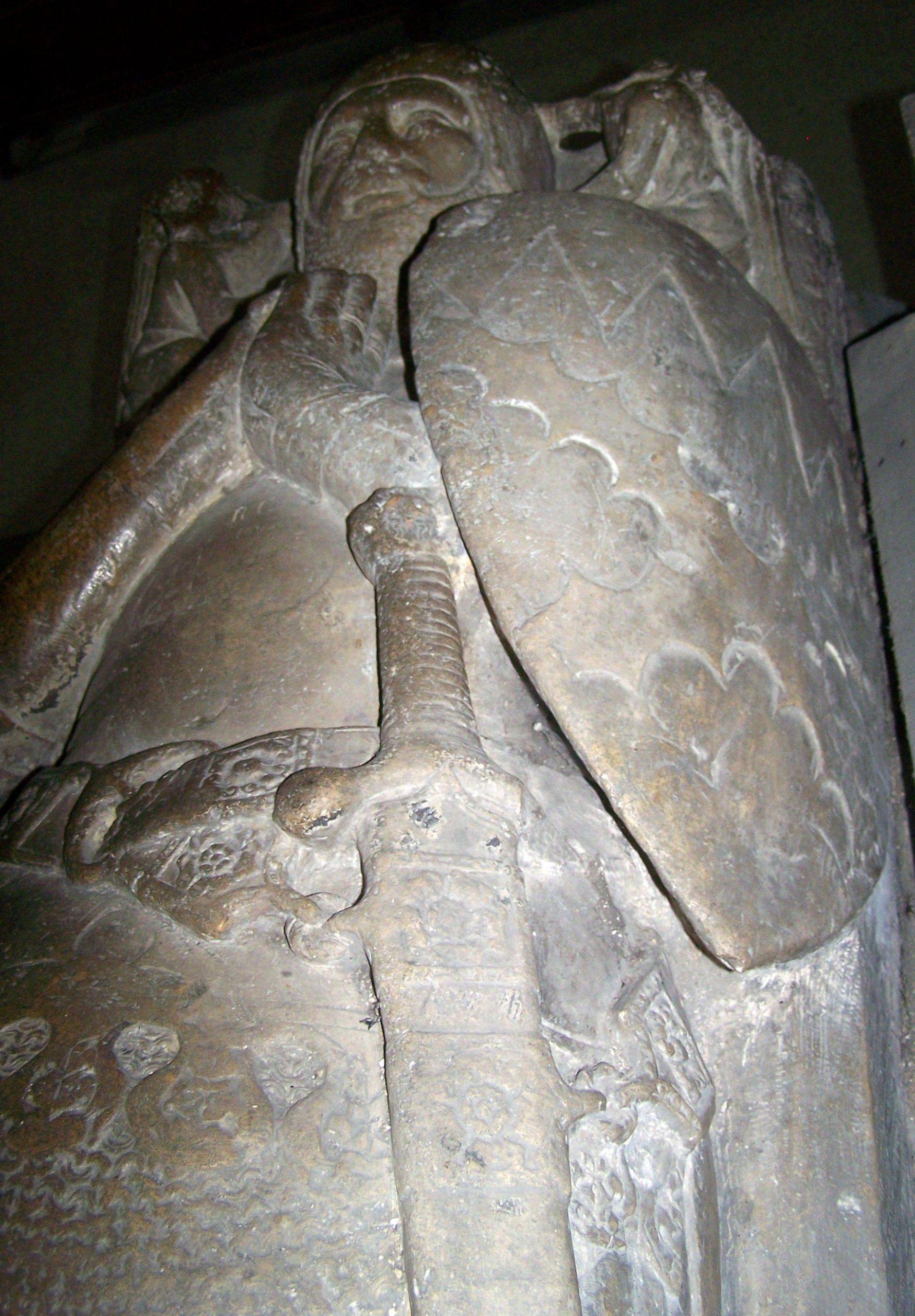
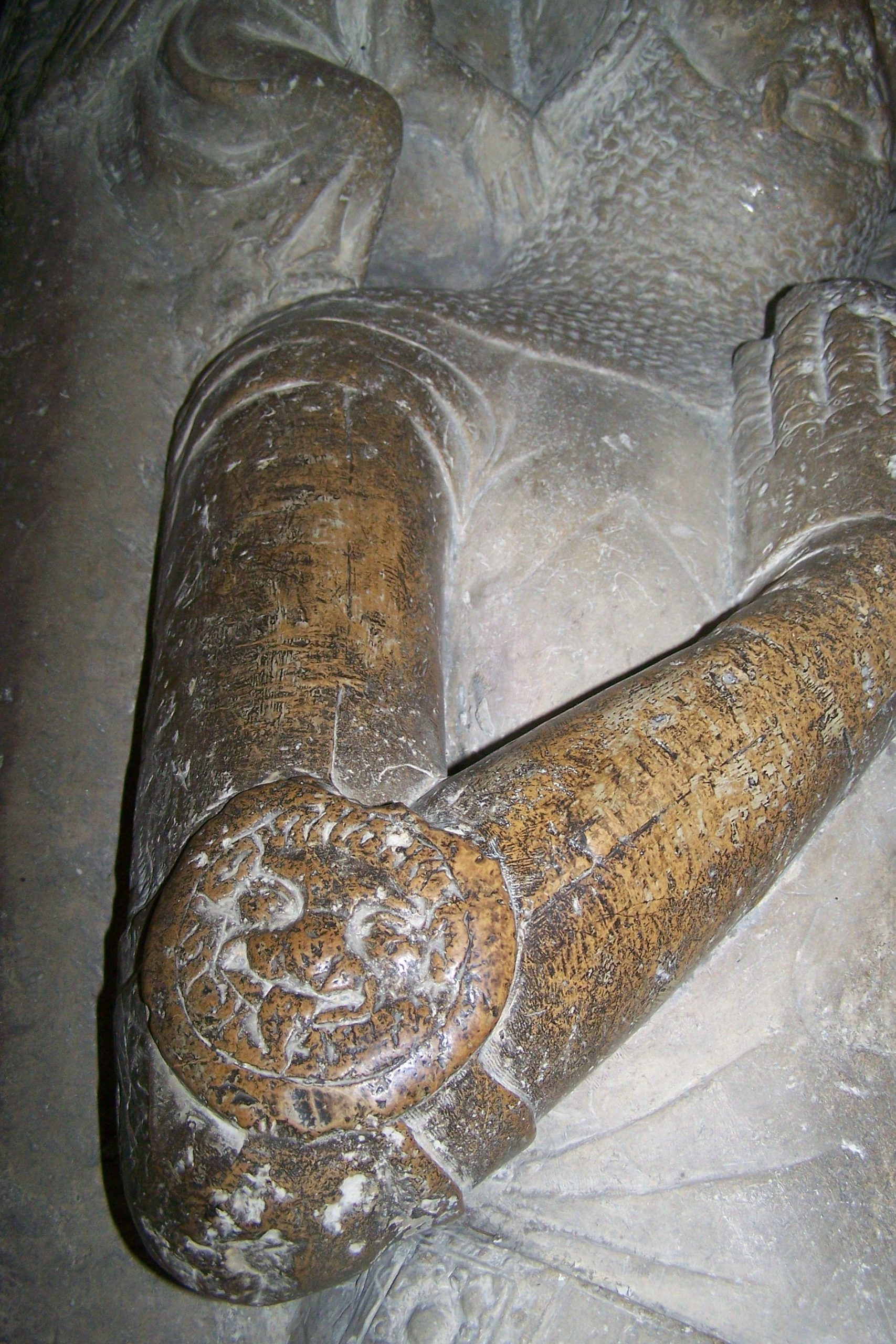
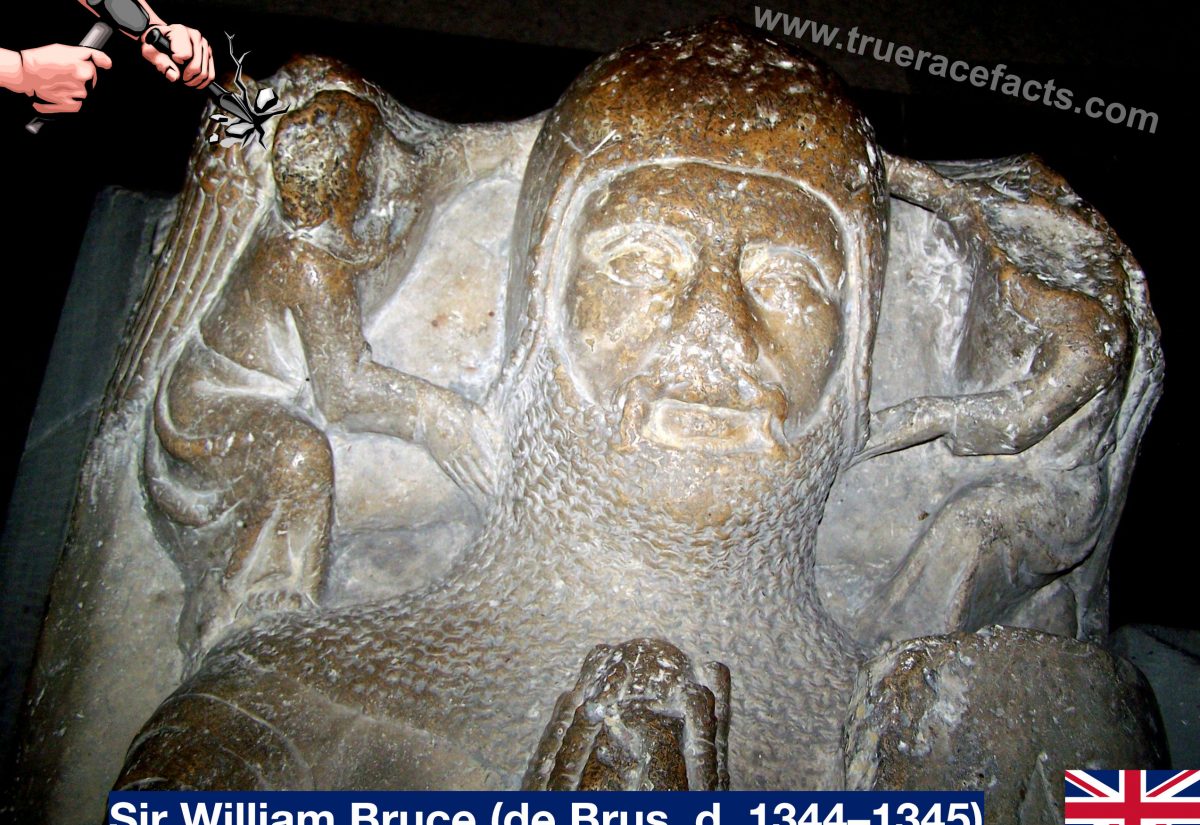
Sir William Bruce’s funerary monument follows a pattern now familiar to those who look closely at medieval effigies of swarthy nobles. His effigy has suffered significant damage, particularly to the face. Original paint has been lost, and defining facial features have been softened, broken, or erased.
And yet—despite this—the remaining outline still speaks.
The proportions.
The structure.
The unmistakable silhouette.
Even without its original colour and detail, the effigy continues to read as a swarthy man, resisting the later impulse to recast medieval nobility into a narrower image. As with so many monuments across Britain, the damage does not appear random. Facial features that most clearly convey physiognomy are the first to be altered, suggesting selective discomfort rather than accidental decay.
Stone was meant to preserve truth, not revise it.
Israelite Symbols and Sacred Kingship
The House of Bruce, like many noble families of Britain, carried symbols deeply rooted in Israelite tradition. Lions appear repeatedly in Bruce heraldry and royal symbolism, invoking the Lion of Judah, kingship, and divine authority. Such imagery was not decorative—it was declarative.
Medieval nobles understood lineage not merely as blood, but as sacred inheritance. The orientation of tombs toward the east, the presence of lions beneath effigies, and the broader crusading culture of the nobility all signalled alignment with Jerusalem and the biblical world. Whether or not Sir William Bruce ever travelled to the Holy Land, his identity was spiritually anchored there.
This was a nobility that saw itself as inheritors of ancient authority, not inventors of a new one.
A Name Too Powerful to Erase
Unlike lesser figures whose memory could be quietly buried, the Bruces could not be removed from history. Their name remains etched into Britain’s story—into places, crowns, and national myths. What could be altered, instead, was how they were seen.
Paint was stripped.
Faces were softened.
Features were lost.
But the stone endured.
Sir William Bruce stands as a reminder that swarthy nobility was not an exception, even among Britain’s most celebrated houses. The later sanitising of his image tells us less about the man himself and more about the centuries that followed—centuries determined to reshape the past in their own image.
Yet even now, the truth survives in outline.
Stone remembers.
Lineage remembers.
And the House of Bruce remembers.
“The Great Deception was not the absence of evidence, but the deliberate damage to it”
Guinevere Jackson
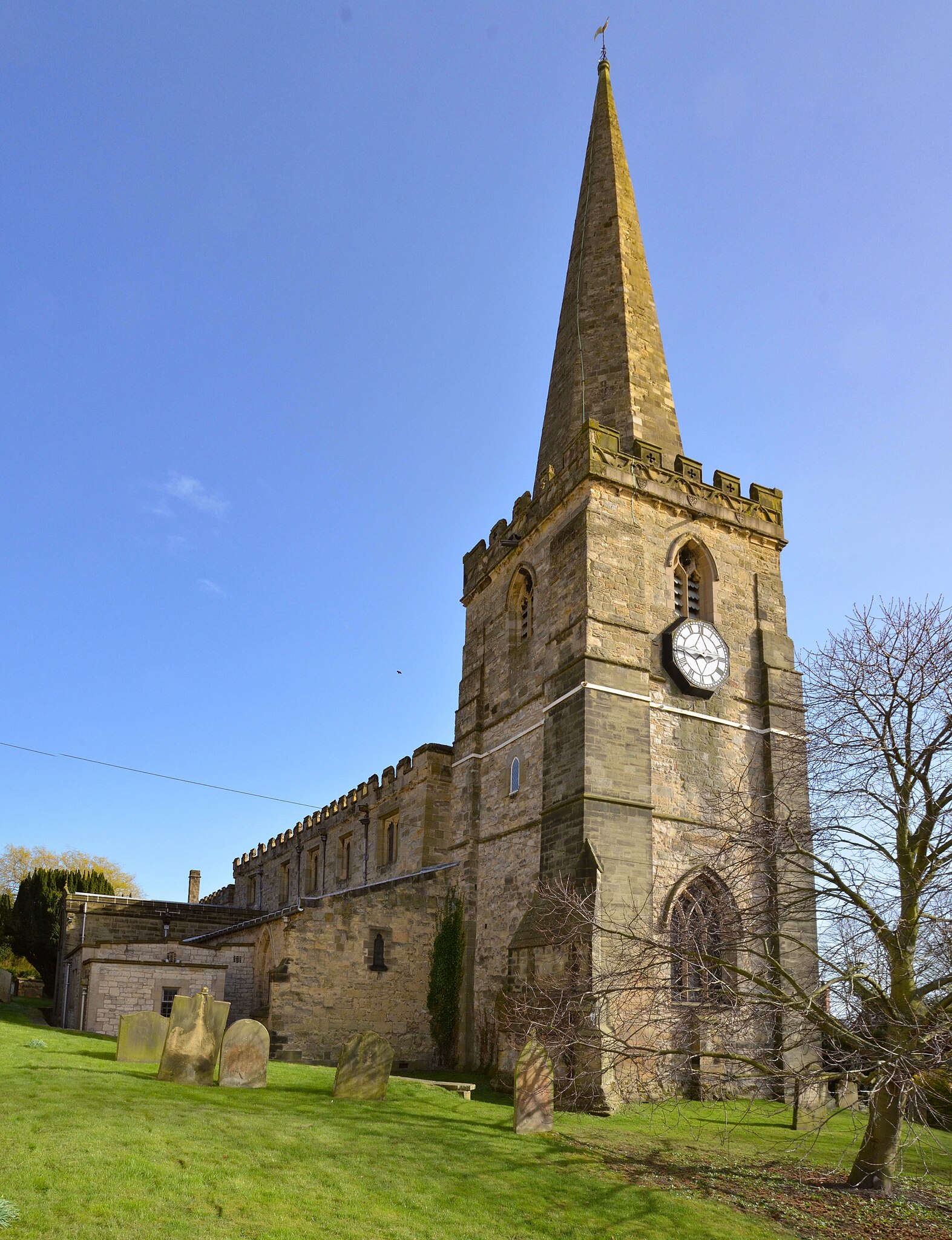
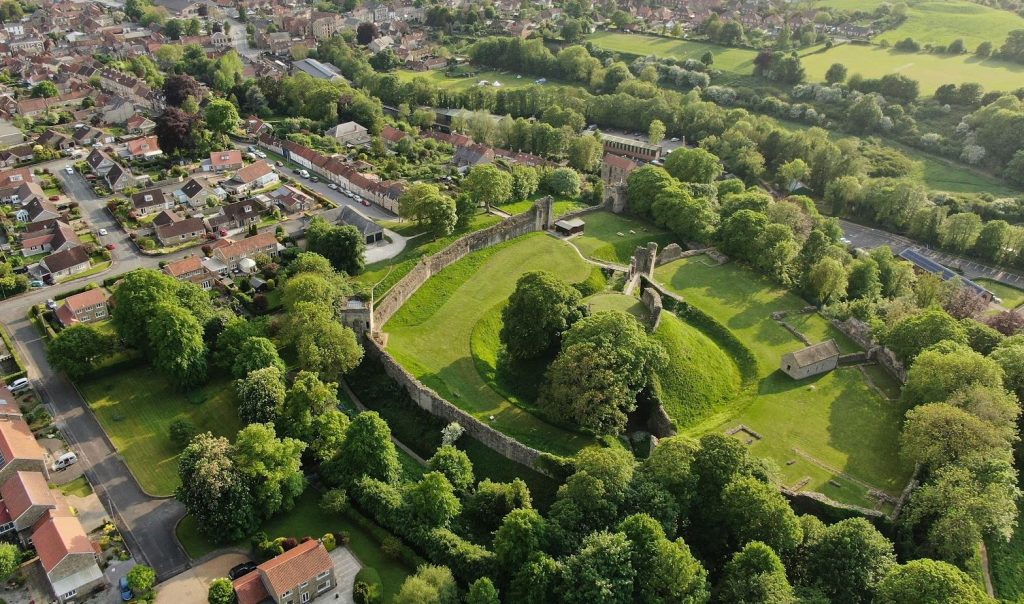
Image citation Effigy images Flickr jmc4, View of Pickering www.droneadventure.co.uk Church image Wikipedia
 Donate