Bishop Charlton (d.1343) Sacred Dress and the Story Preserved in Stone
- Guinevere Jackson
- 7 February 2026
- 0 Comment
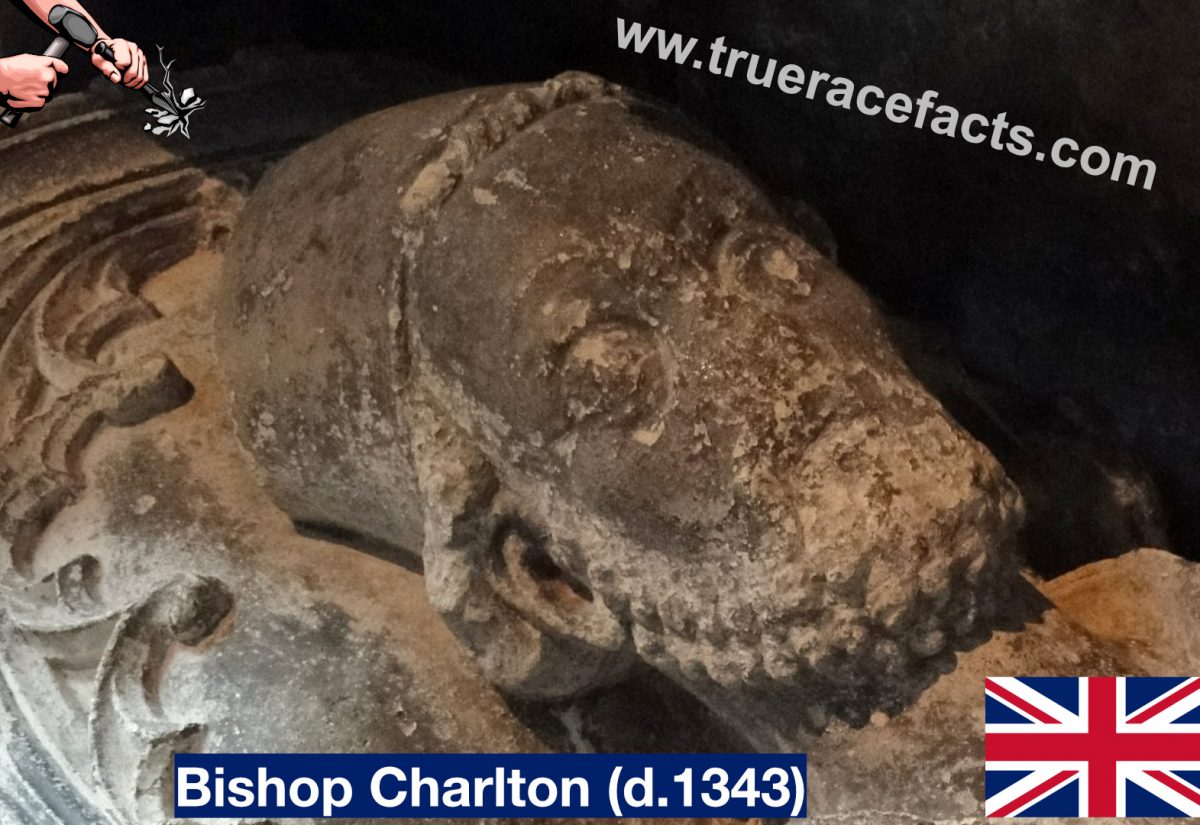
Bishop Charlton (d.1343): Sacred Office, Scriptural Garment, and the Effigy That Still Speaks
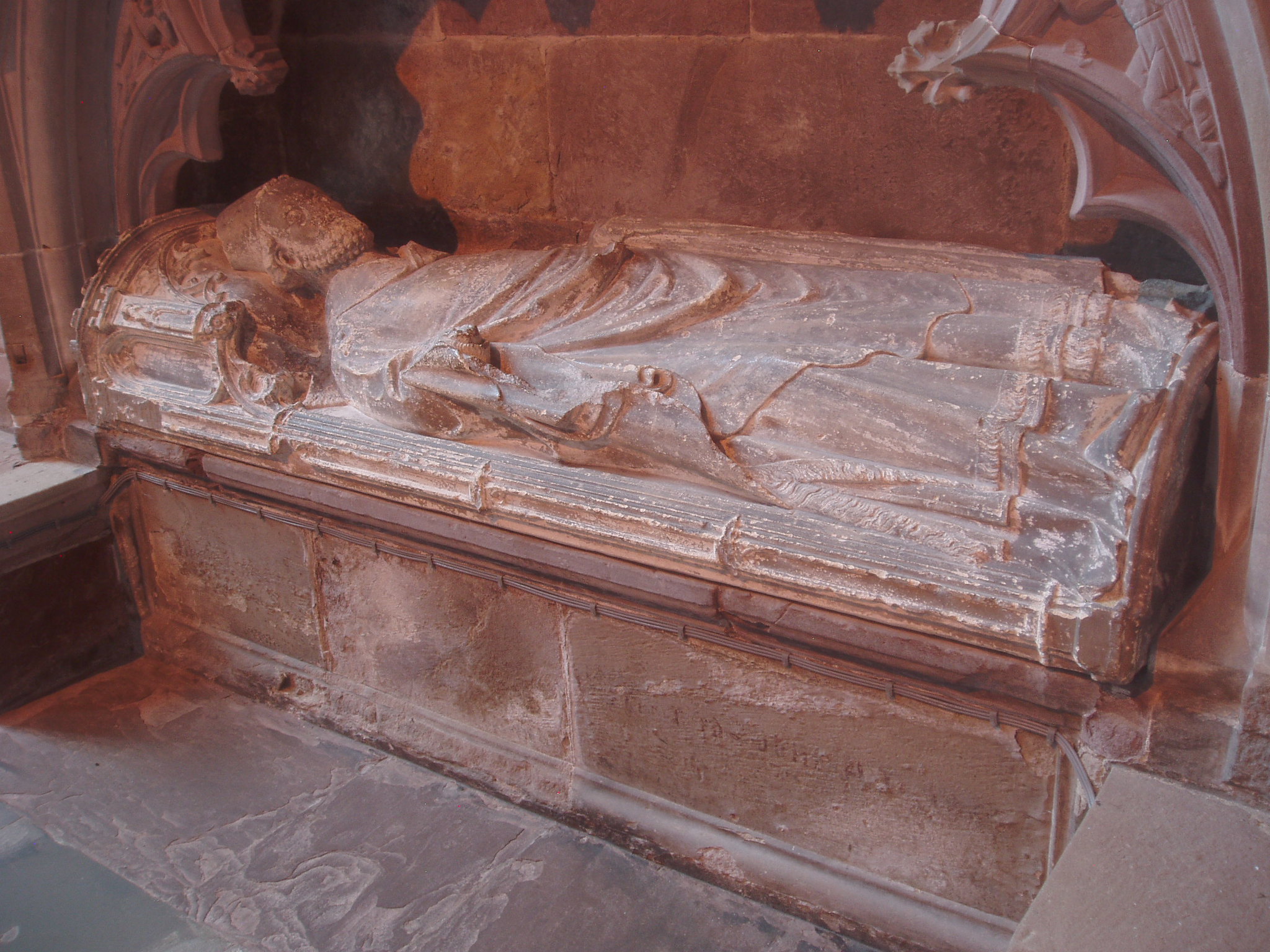
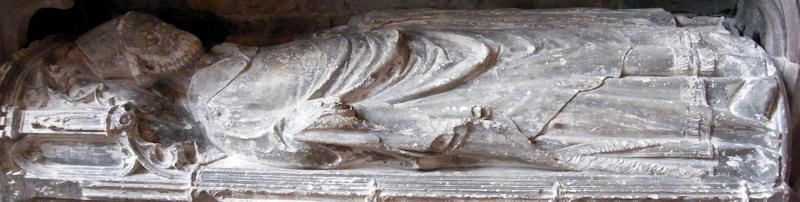
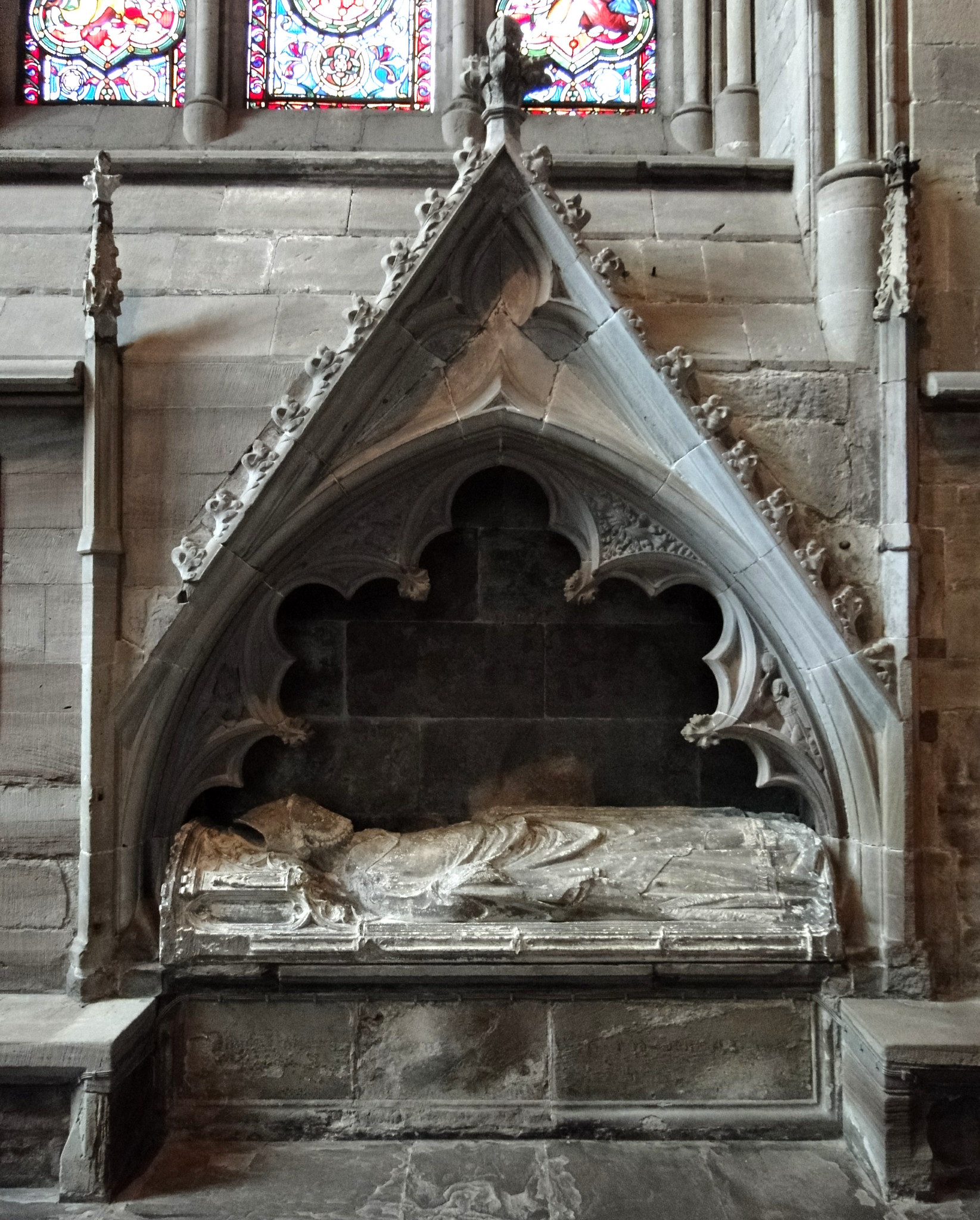
The effigy of Bishop Charlton, who died in 1343, preserves the presence of a senior medieval churchman whose authority rested not only in ecclesiastical office, but in lineage, learning, and sacred tradition. His monument reflects the visual language of fourteenth-century episcopal identity — dignity, permanence, and spiritual inheritance carved into stone.
At first glance, the bishop’s vestments draw immediate attention. The garment falls long and structured, consistent with ecclesiastical attire of the period, yet its detailing carries deeper resonance. The draped form, with its suggestion of fringed edges and bordered finishing, echoes descriptions familiar from scripture — garments associated with devotion, law, and covenant identity.
Garment and Scriptural Memory
In biblical tradition, fringed garments and bordered robes signified obedience, remembrance, and sacred lineage. Medieval churchmen were steeped in these texts; symbolism drawn from scripture was neither abstract nor accidental. The bishop’s long vesture therefore communicates more than rank — it speaks to continuity between sacred writing and lived faith.
For a man of Charlton’s standing, clothing carved in stone was a theological statement as much as a record of office.
The Face and Its Alteration
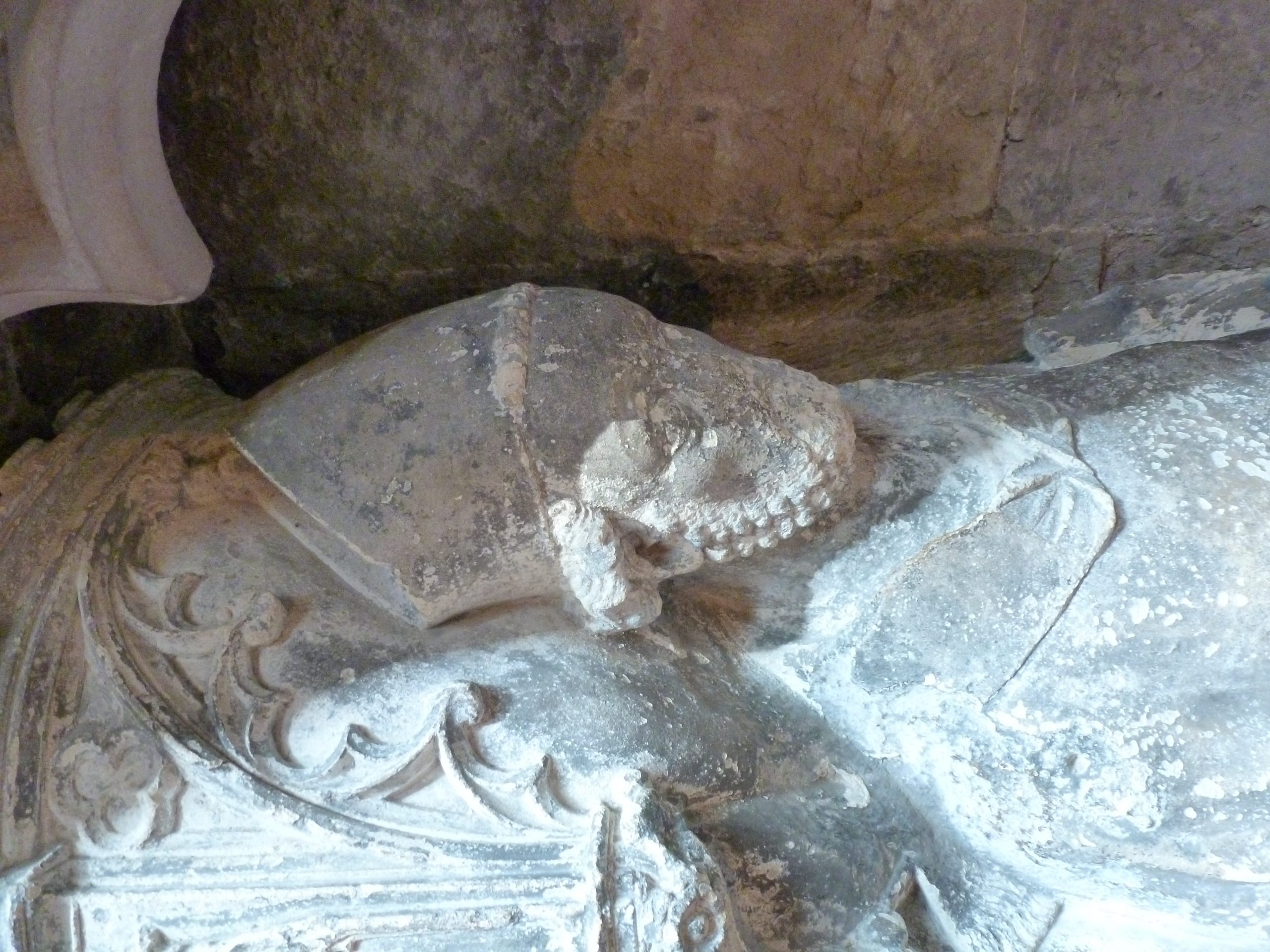
The effigy’s face reveals a different story. The curly beard and textured hair remain intact, preserving the sculptor’s original attention to natural form and personal likeness. Yet the central facial features — the nose and lips — show signs of having been worked down, smoothed, and reduced.
This contrast is telling:
hair survives
beard survives
vestments remain detailed
facial definition is diminished
Even with alteration, the original modelling is still legible. The structure of the face — its breadth, proportion, and underlying form — preserves the likeness of a swarthy medieval churchman, a phenotype once present and recorded before later handling softened what had been carved.
Selective Preservation
As seen across many medieval monuments, the damage is not uniform. The effigy’s sacred garments remain, its posture remains, its authority remains — while the face alone bears the mark of revision. This pattern suggests not random decay, but a later discomfort with what the original likeness conveyed.
Effigies were intended as portraits for eternity.
To reshape the face is to reshape memory.
Nobility of Office
Bishop Charlton stood within a powerful ecclesiastical tradition. Bishops were not merely spiritual figures; they were administrators, landholders, diplomats, and guardians of doctrine. Their monuments were commissioned to affirm continuity — of church, authority, and lineage.
Despite alteration, Charlton’s effigy continues to do exactly that.
The vestment speaks.
The posture speaks.
The stone remembers.
And even when the face is softened, the identity it once carried has not fully disappeared.
“The garments proclaim sacred lineage, the office proclaims authority — and the altered face reveals the struggle to contain what the stone once declared openly”
Guinevere Jackson
Image citation Wikipedia & Flickr
 Donate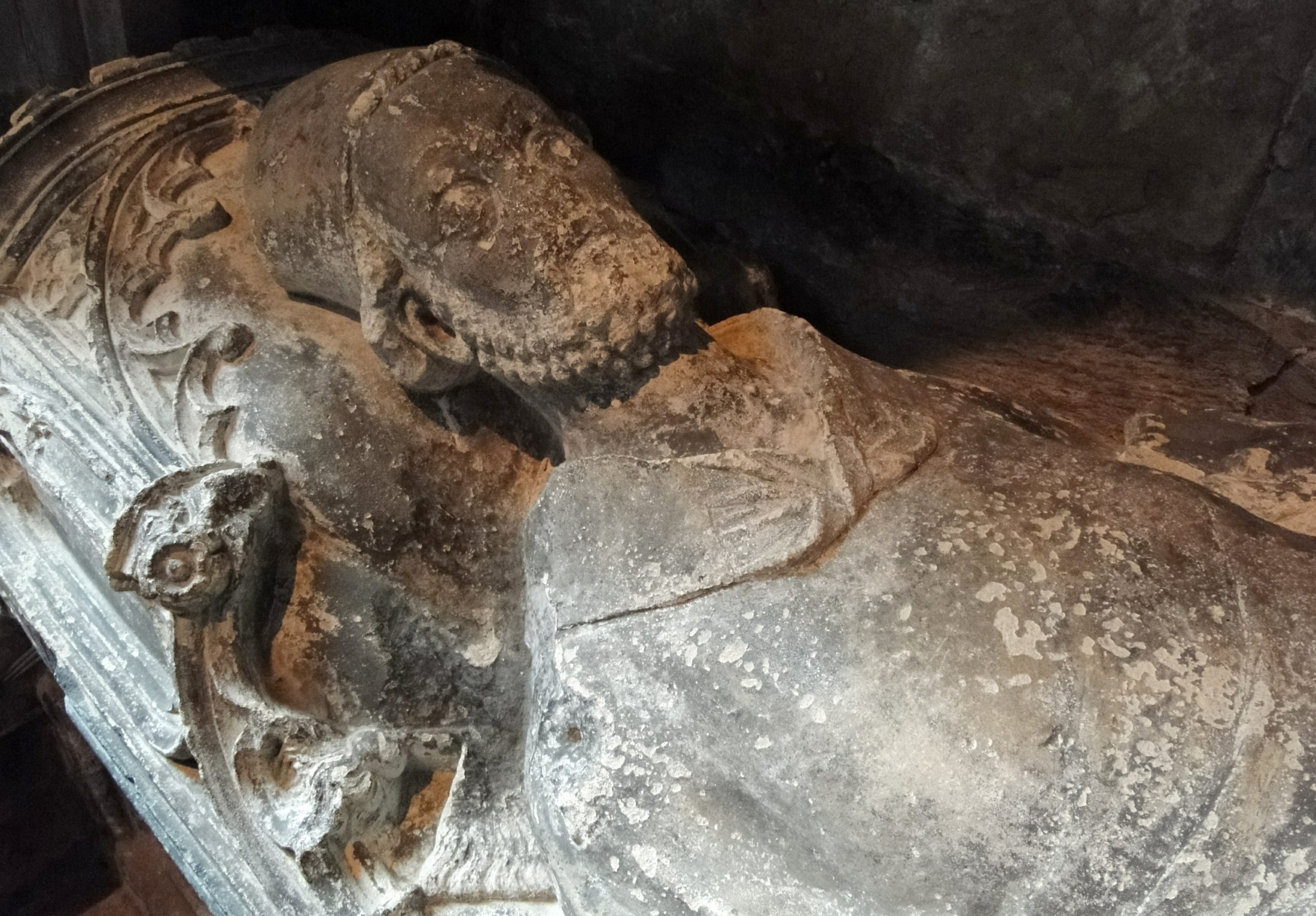
- ancient briton
- Anglo Saxon
- baron
- bishop
- Black
- black man
- Black Nobility
- classical
- Deception
- England
- Hebrew
- hidden history
- historical
- iconoclasm
- identity theft
- Israel
- Israelite
- Knight
- Lady
- Landowner
- lies
- Lion of Judah
- medieval
- music
- Negro
- Nobility
- northern kingdom
- Politician
- swarthy
- Theft
- truth
- Wales
- wealthy
- welsh
- welsh black nobility