John Blewett (c.1435) and Margaret of Harlaxton
- Guinevere Jackson
- 8 February 2026
- 0 Comment
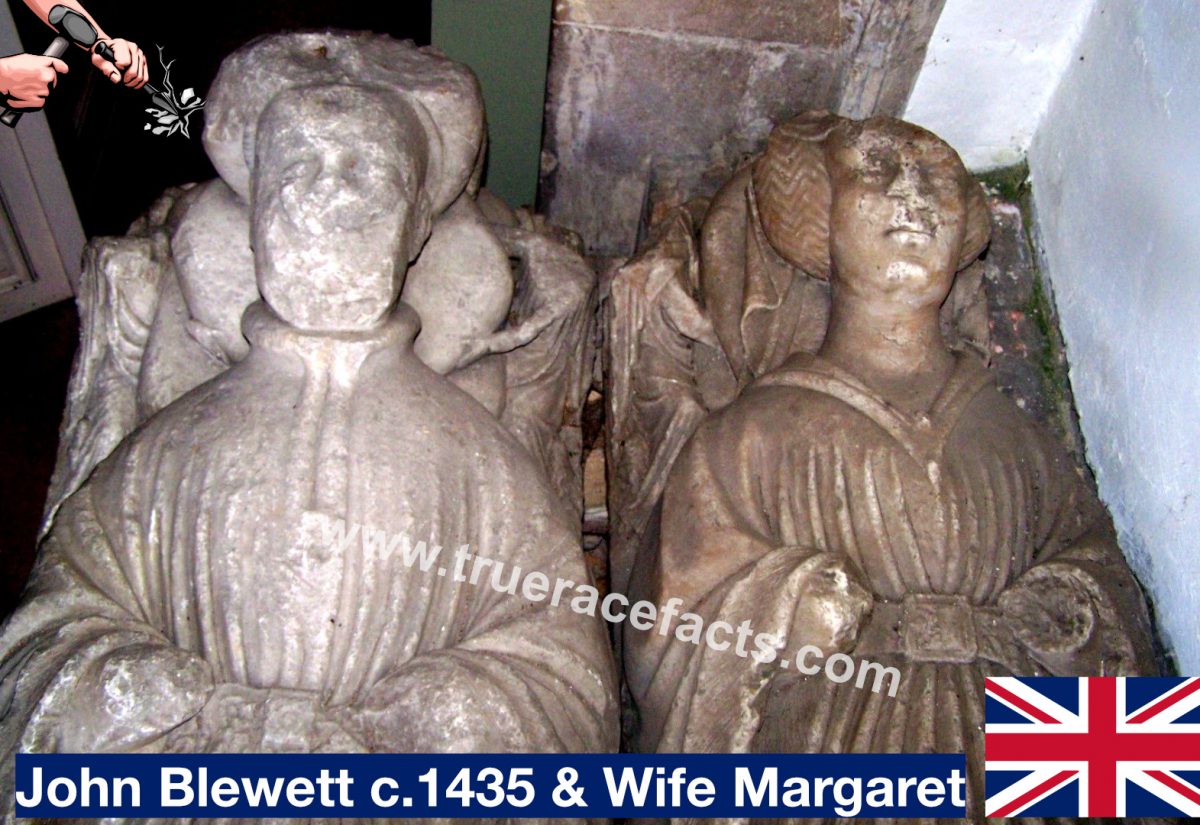
John Blewett (c.1435) and Margaret of Harlaxton: Nobility, Lineage, and the Effigy That Endures
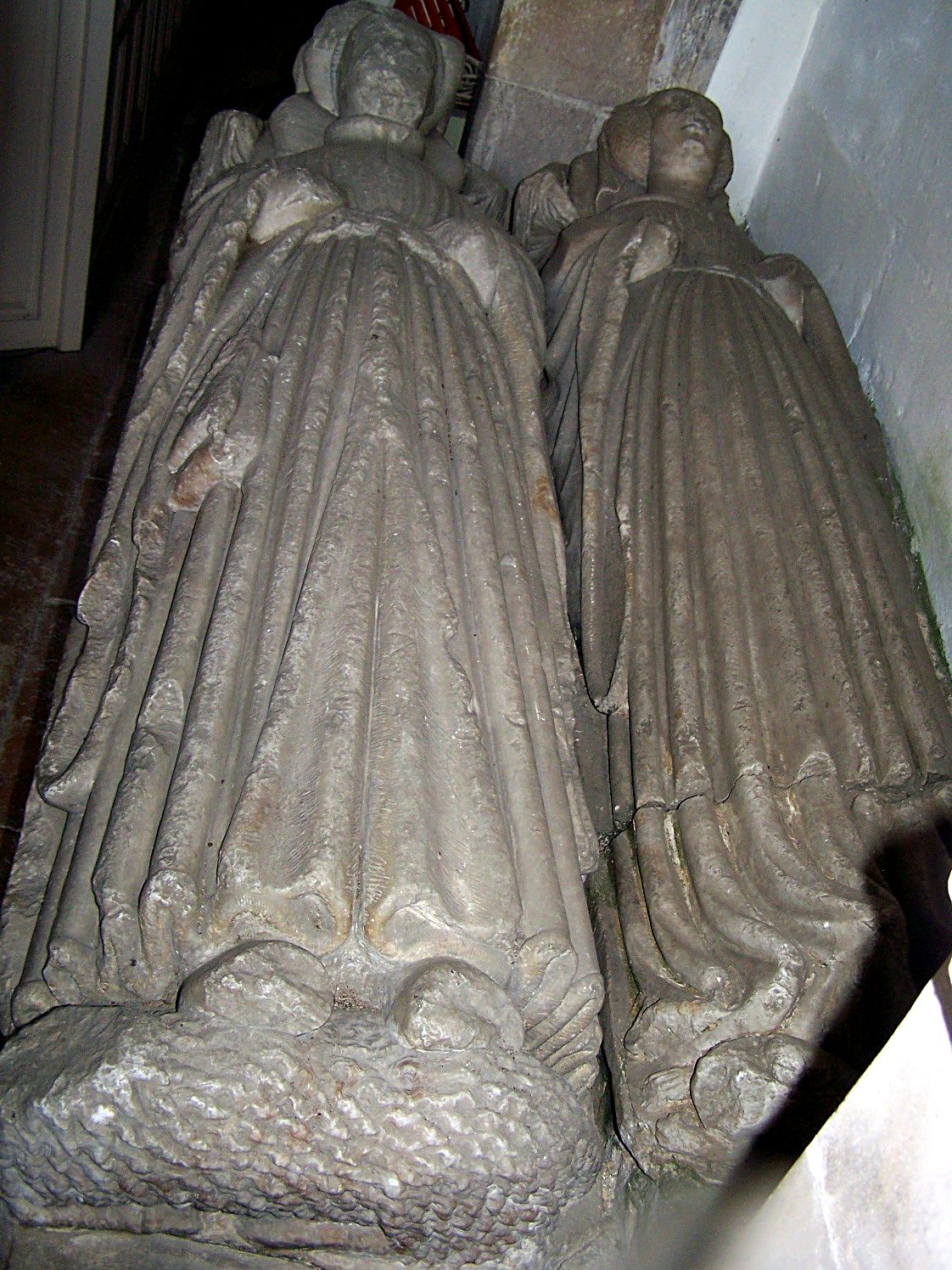
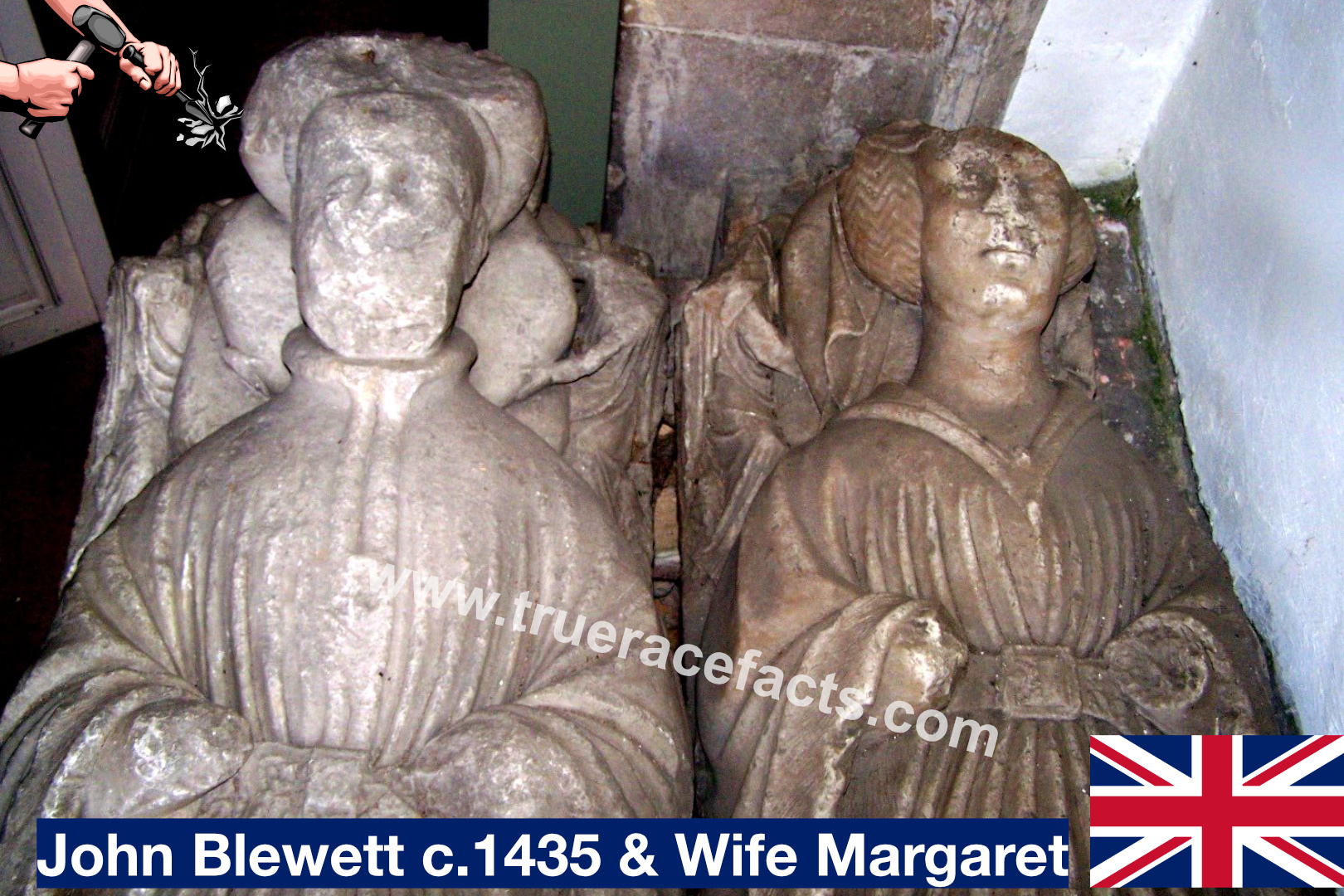
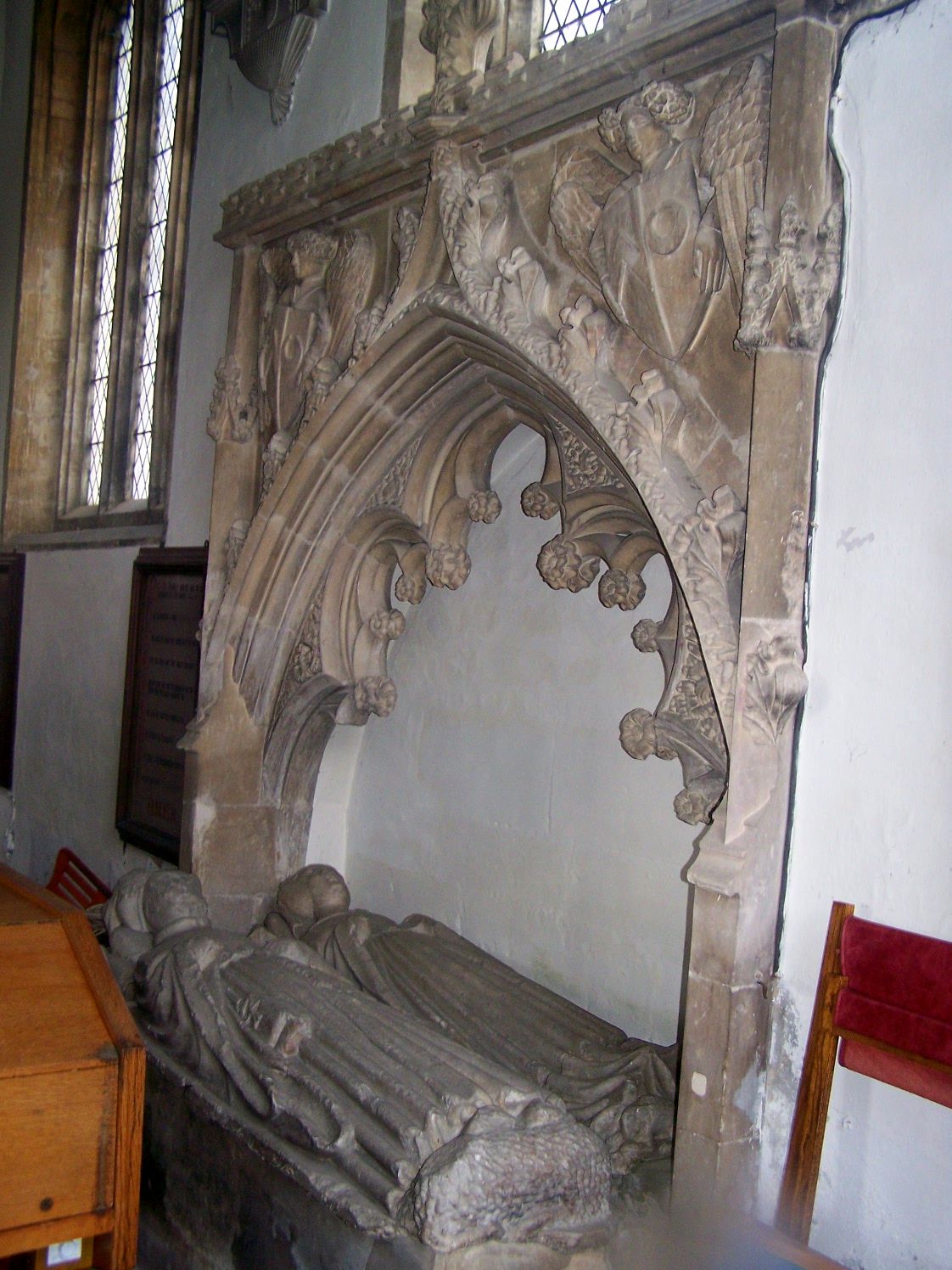
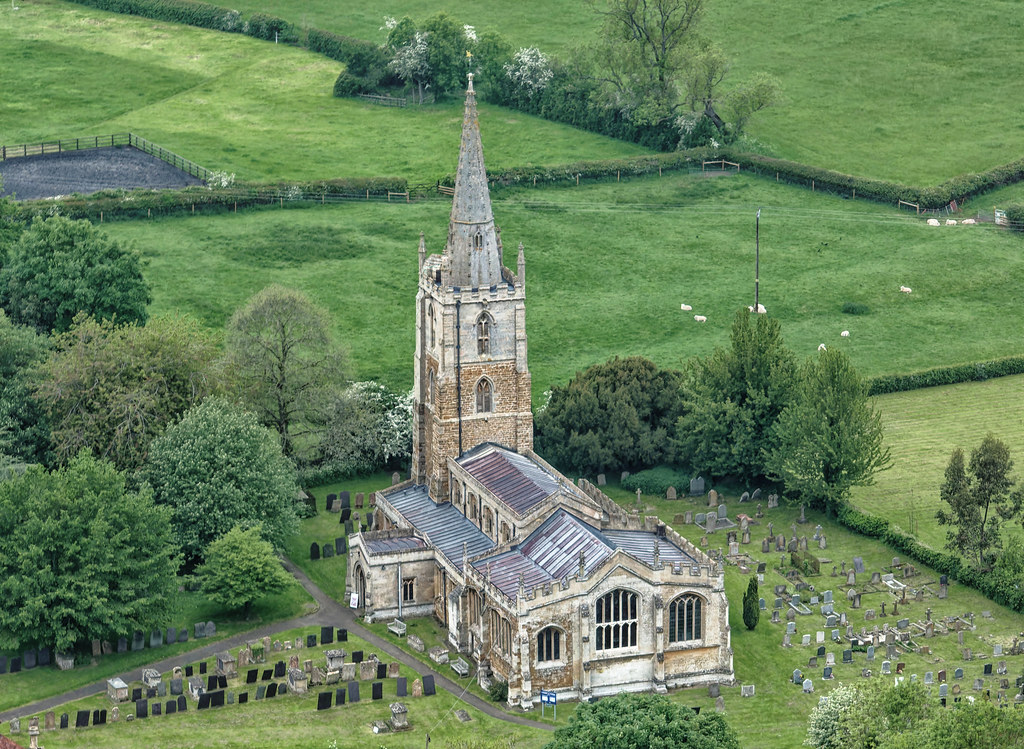
Inside St Mary and St Peter’s Church, Harlaxton, rests the joint medieval effigy of John Blewett (c.1435) and his wife Margaret — a monument that preserves their nobility, identity, and place within the landed order of fifteenth-century England.
Effigies of this scale were reserved for people of recognised standing. They signalled landholding authority, lineage continuity, and a family whose memory was meant to endure within sacred space.
Noble Lineage and Status
The Blewett family belonged to the class of landed gentry whose influence rested on estate, inheritance, and long-established presence in the region. To be commemorated in carved stone inside a parish church affirmed legitimacy and social rank.
Their joint monument reflects this reality: husband and wife united in death as in life, their likeness preserved as a declaration of noble standing and continuity.
The Effigy of John Blewett
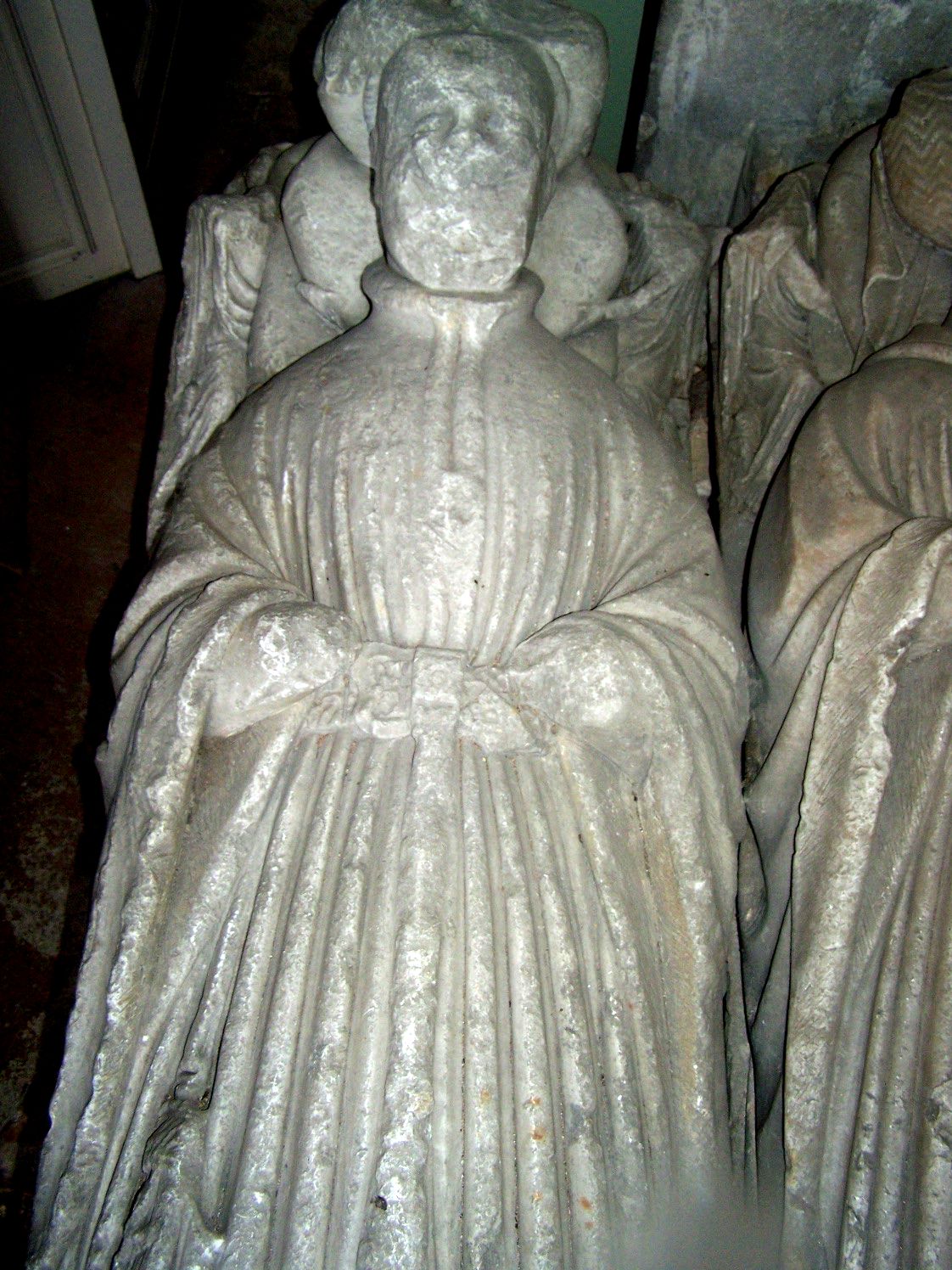
John’s face has suffered severe destruction. The surface has been deliberately worked over, leaving only the broad bridge of the nose and the outline of hair, which appears to have been sanded down into a hat-like form.
Yet beneath this alteration, the original modelling remains visible. His armour, posture, and the structure of the monument clearly communicate his identity as a man of rank.
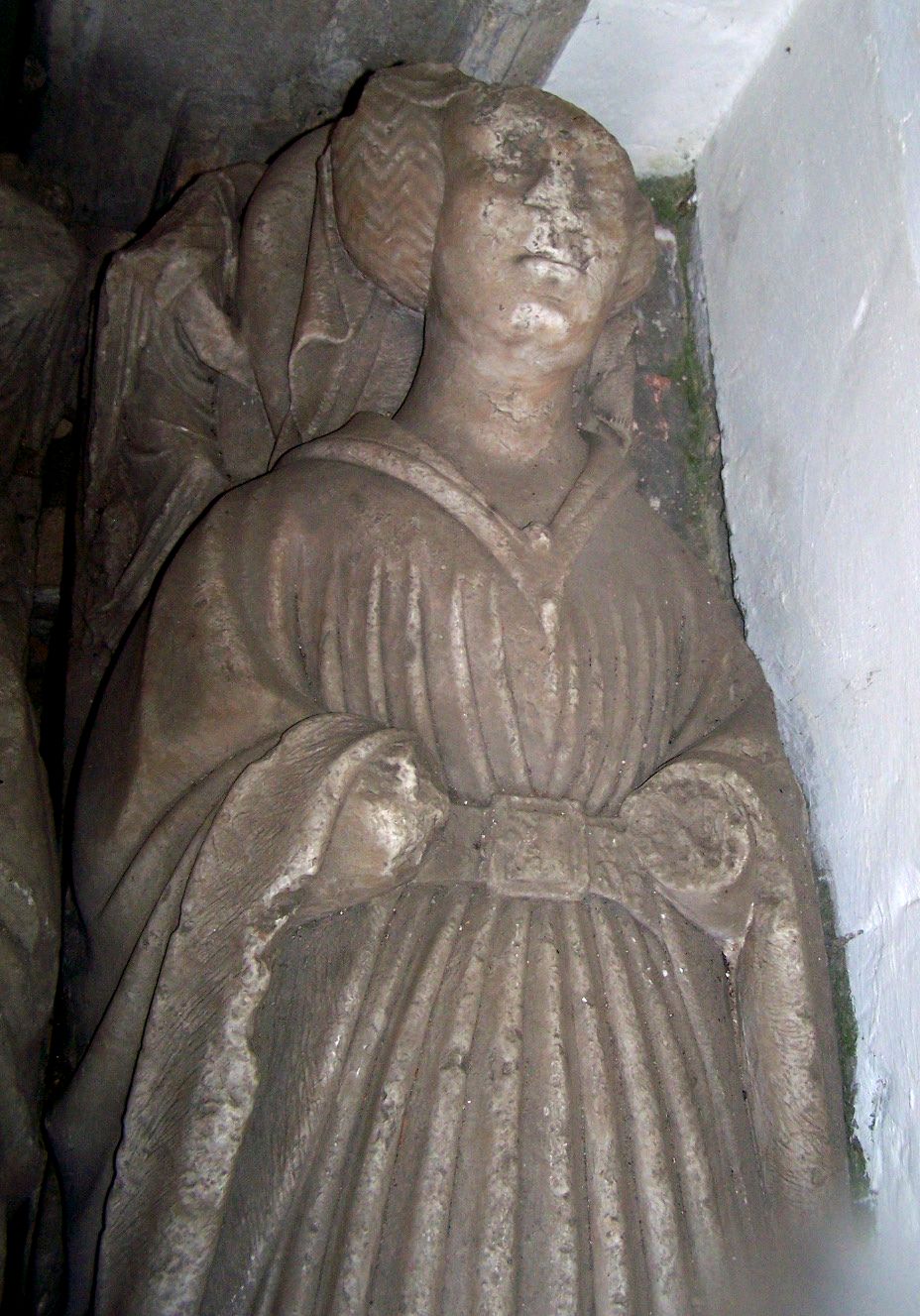
Margaret: A Clearer Likeness
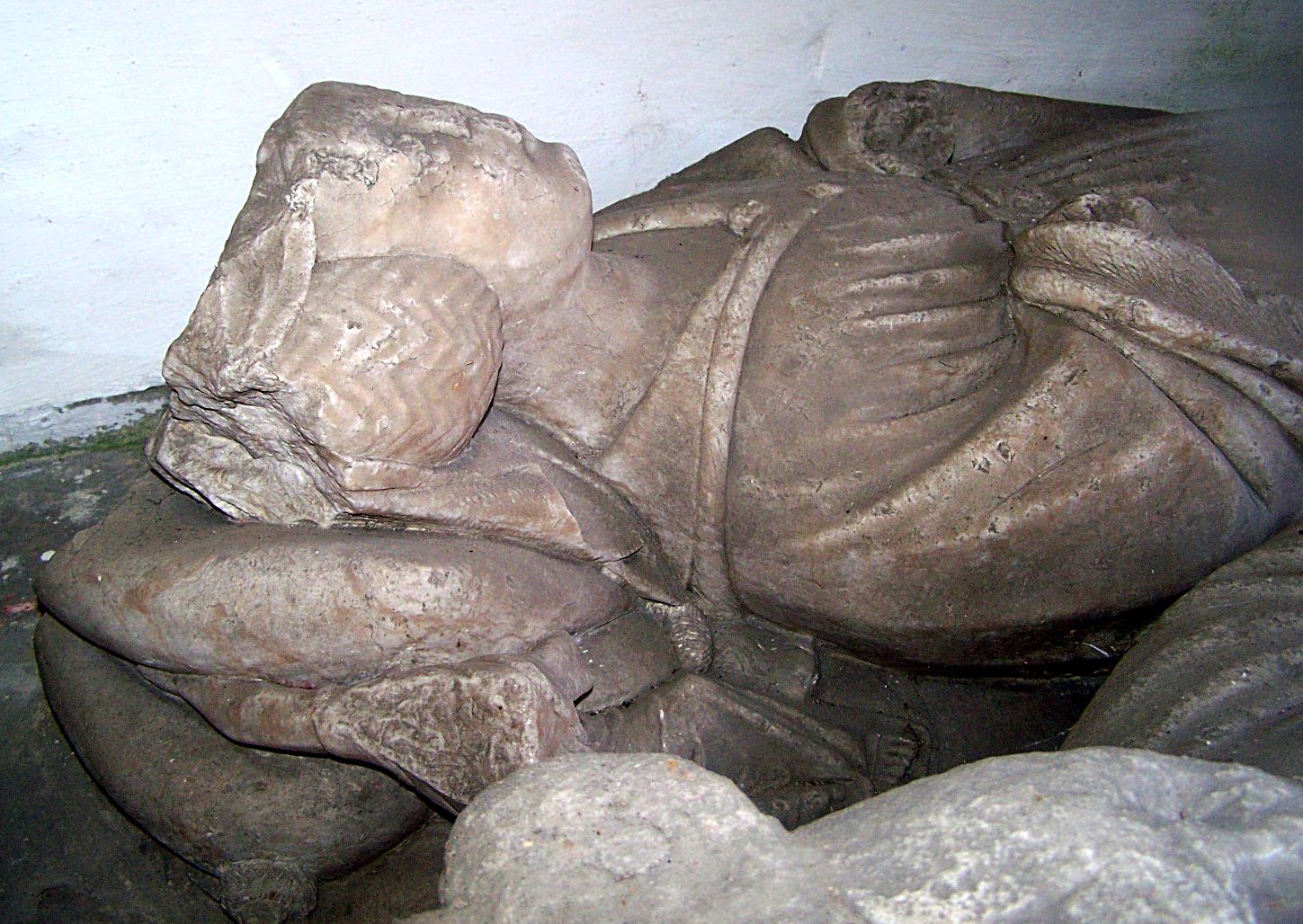
Margaret’s effigy survives in far better condition. Her face retains a prominent nose and full lips, allowing the sculptor’s original work to remain legible.
Together, the paired monument preserves the intention of medieval funerary art: not symbolic figures, but recognisable individuals whose dignity and lineage were meant to endure.
The Lamb at His Feet
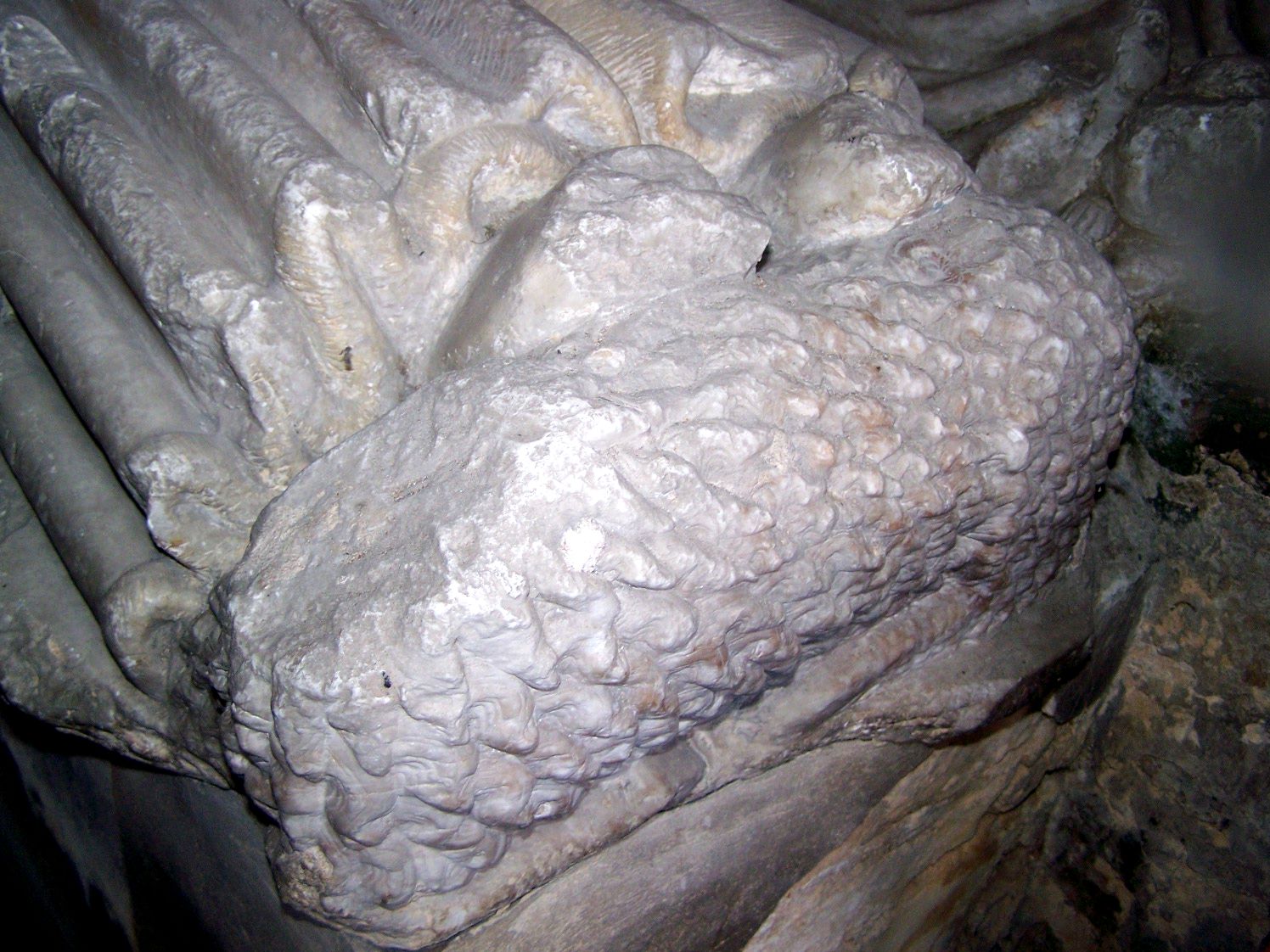
At John Blewett’s feet rests a lamb — a deliberate symbol in medieval Christian art. It represents faith, innocence, and the biblical image of the “lost sheep,” linking earthly nobility with spiritual belonging.
Such imagery communicated how the deceased understood his place within both society and sacred tradition.
When Noble Lines Fade
Like many medieval families, the Blewett name grows faint in later centuries. This pattern appears across Britain and Ireland, where once-established landholding families disappeared from prominence following periods of upheaval, confiscation, and the restructuring of estates.
For many, this history is not abstract. Families such as the Blakes of Galway, for example, lost land and status during the upheavals of the seventeenth century; some were displaced, transported, or forced into new lives across the Atlantic and Caribbean. Stories like these form part of a broader historical reality in which lineage did not always survive intact.
When noble names vanish from records, effigies remain — silent witnesses to what once was.
Nobility Preserved in Stone
The joint effigy of John and Margaret continues to declare its purpose:
noble status rooted in land
lineage affirmed through marriage
identity recorded in sacred space
Even where faces have been altered, the monument still communicates rank, belonging, and remembrance.
Stone resists forgetting. The Blewett effigy stands as a visual archive of family continuity and the enduring presence of those whose lives shaped the land around them.
“The lamb at his feet spoke of belonging; the faces above it carried lineage — and even when altered, the stone refused to forget”
Guinevere Jackson
Image citation Flickr
 Donate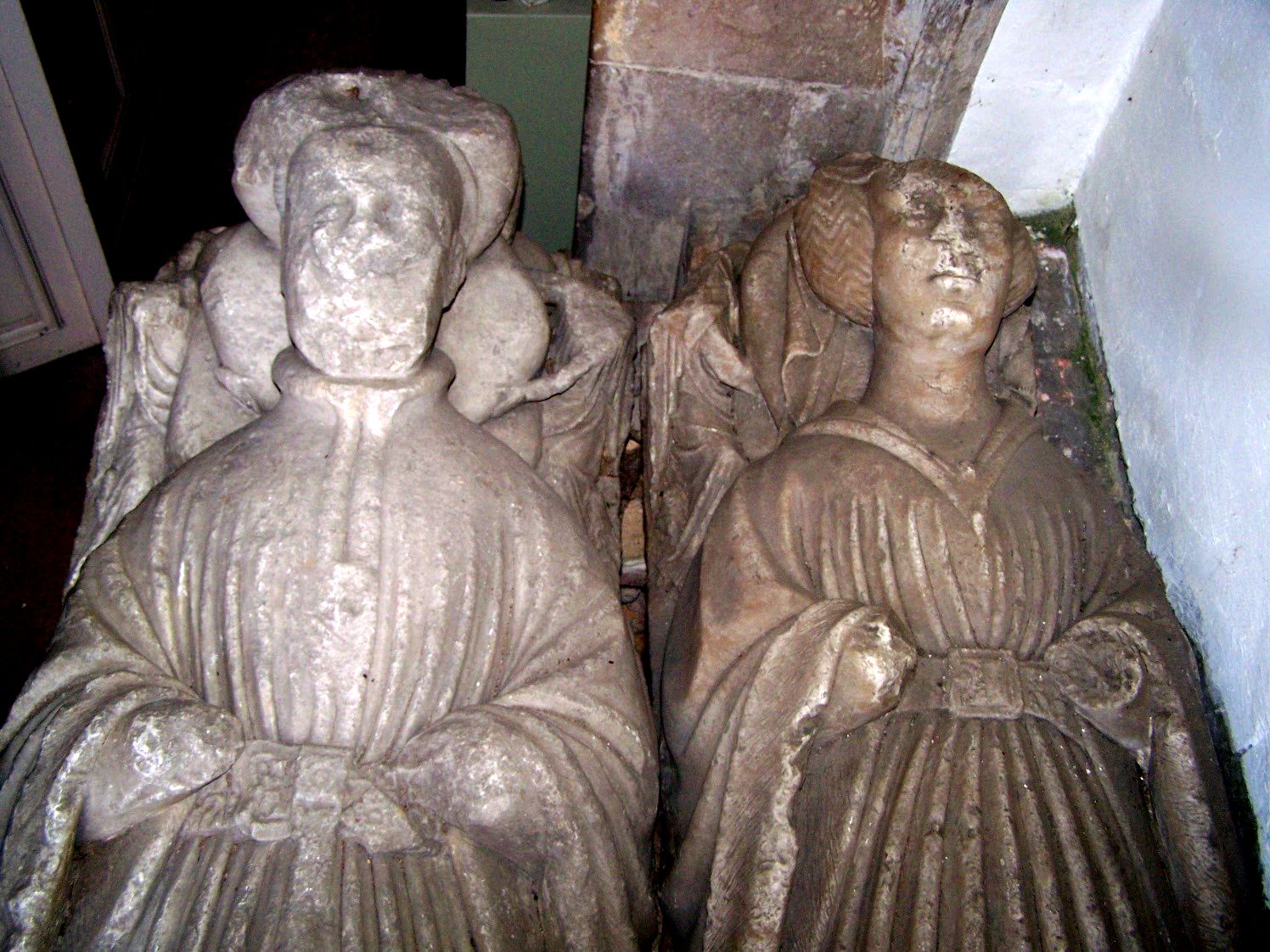
- ancient briton
- Anglo Saxon
- baron
- bishop
- Black
- black man
- Black Nobility
- classical
- Deception
- England
- Hebrew
- hidden history
- historical
- iconoclasm
- identity theft
- Israel
- Israelite
- Knight
- Lady
- Landowner
- lies
- Lion of Judah
- medieval
- music
- Negro
- Nobility
- northern kingdom
- Politician
- swarthy
- Theft
- truth
- Wales
- wealthy
- welsh
- welsh black nobility