
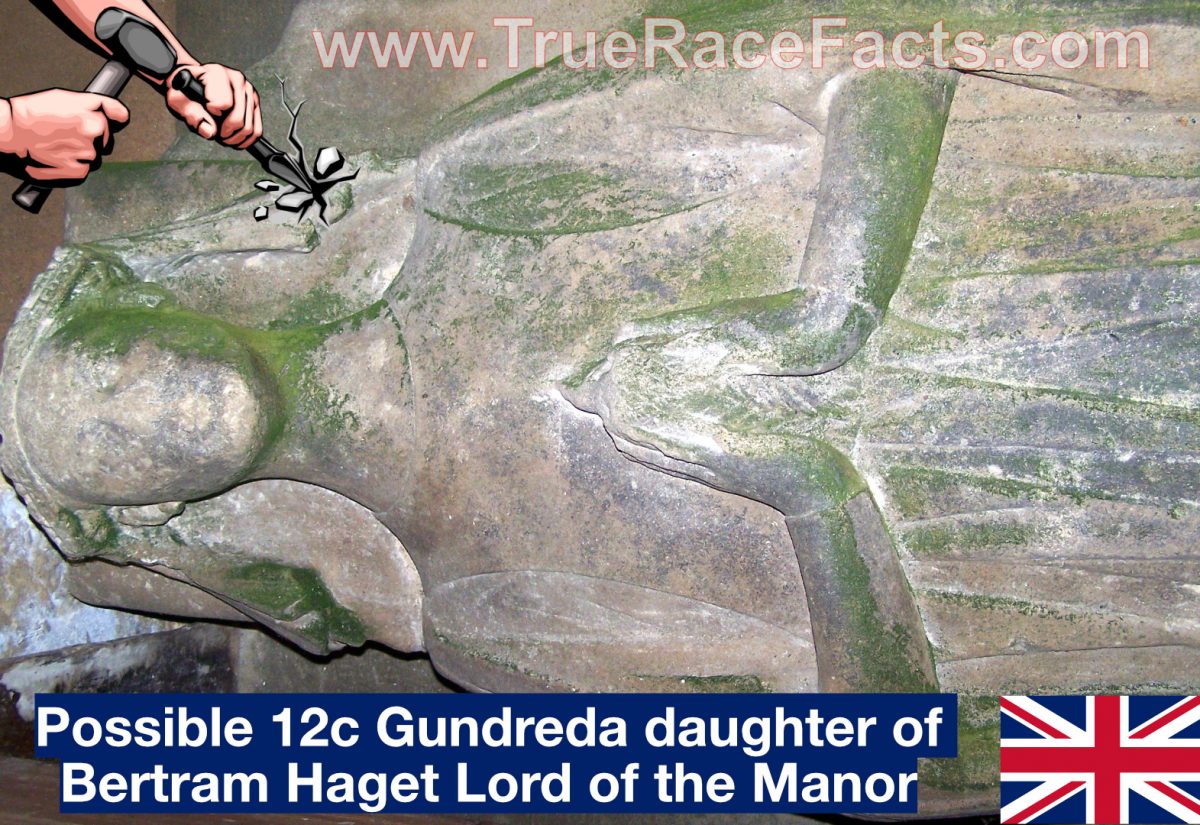
Discover the medieval effigy of the Lady of Bilton, possibly Gundreda (c.1160), daughter of Bertram Haget, whose swarthy features and noble presence endure despite centuries of deliberate defacement.
- 1 January 2026
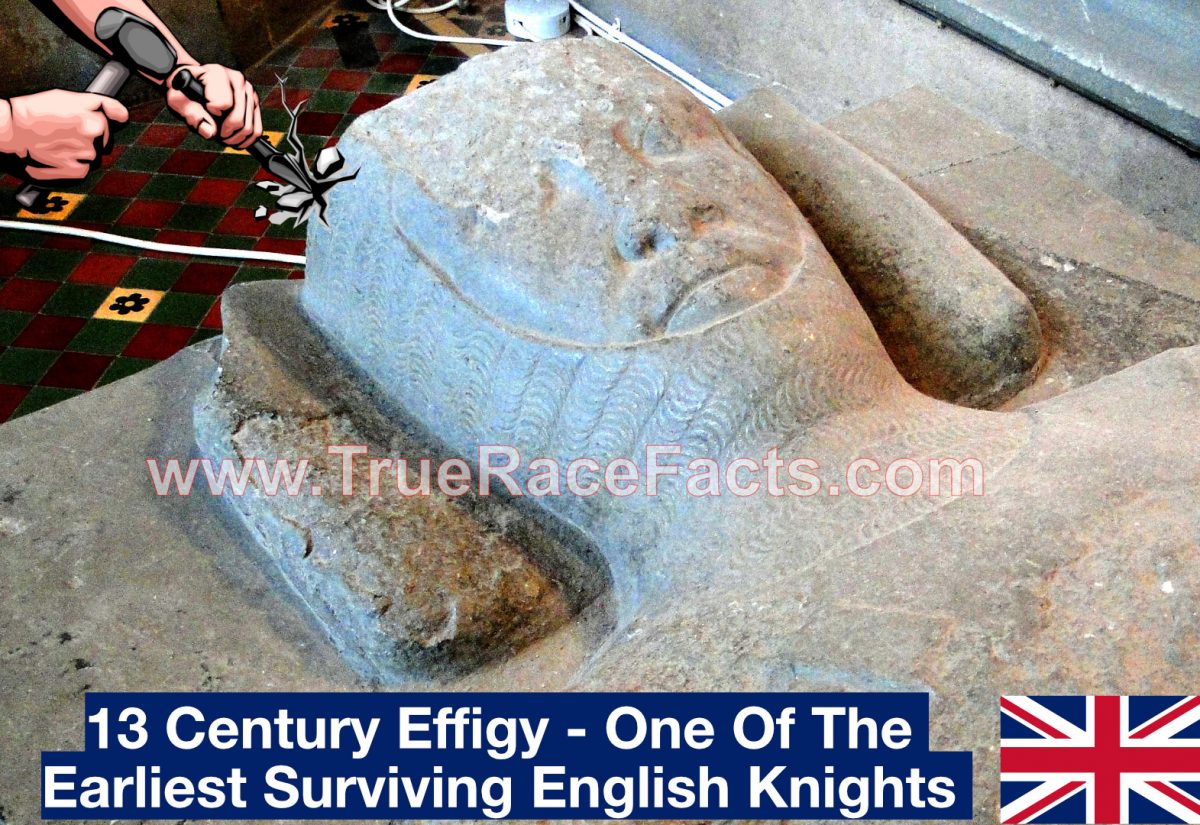
Explore the Malvern Priory Knight, one of England’s earliest surviving military effigies, featuring a rare war-hammer and shield, and revealing the swarthy features of a medieval noble despite deliberate facial alterations.
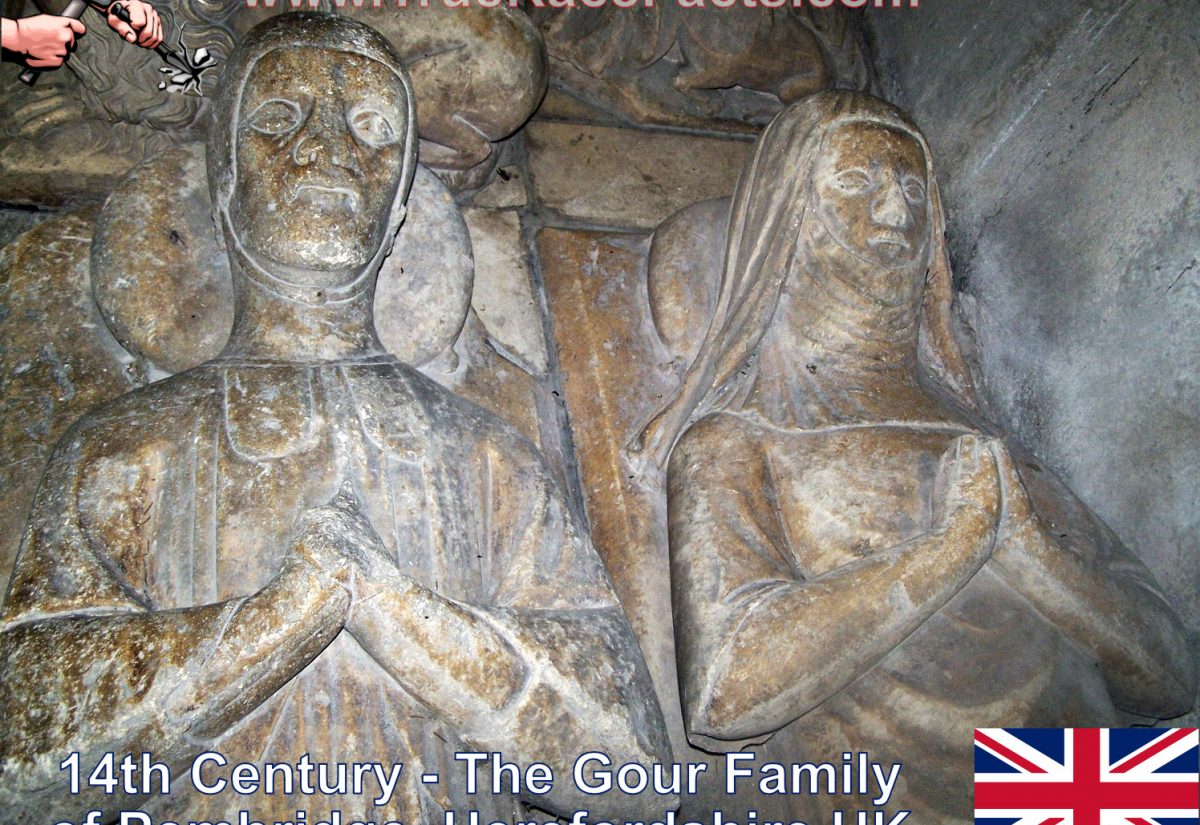
Discover the 14th-century Gour family of Pembridge, Herefordshire, and their medieval knightly effigy, preserving lineage, status, and swarthy features despite deliberate damage to the monument.
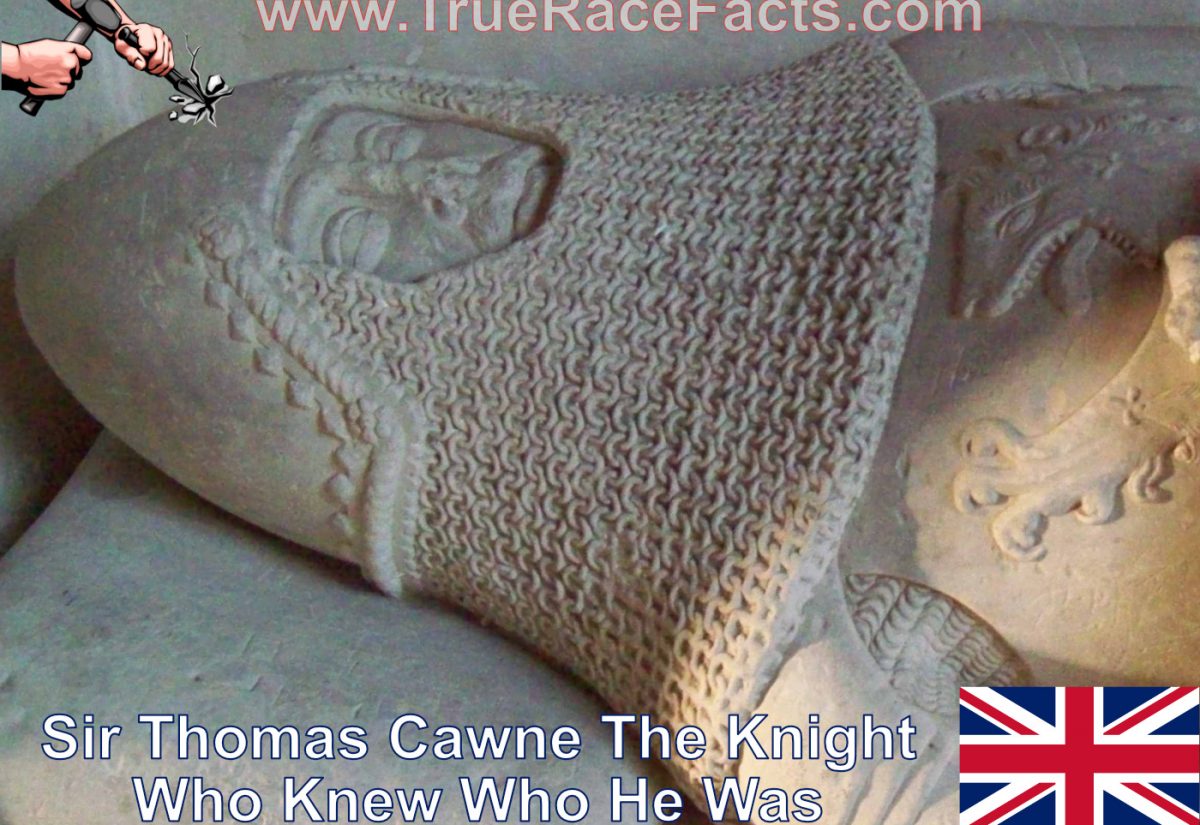
Explore the effigy of Sir Thomas Cawne (d.1374), a 14th-century knight whose swarthy features, noble lineage, and Israelite symbolism endure despite deliberate facial defacement.

Discover Henry Wardlaw (d.6 April 1440), Bishop of St Andrews and founder of the University of St Andrews, whose effigy preserves his noble lineage and swarthy features despite deliberate facial alterations.
- 25 December 2025
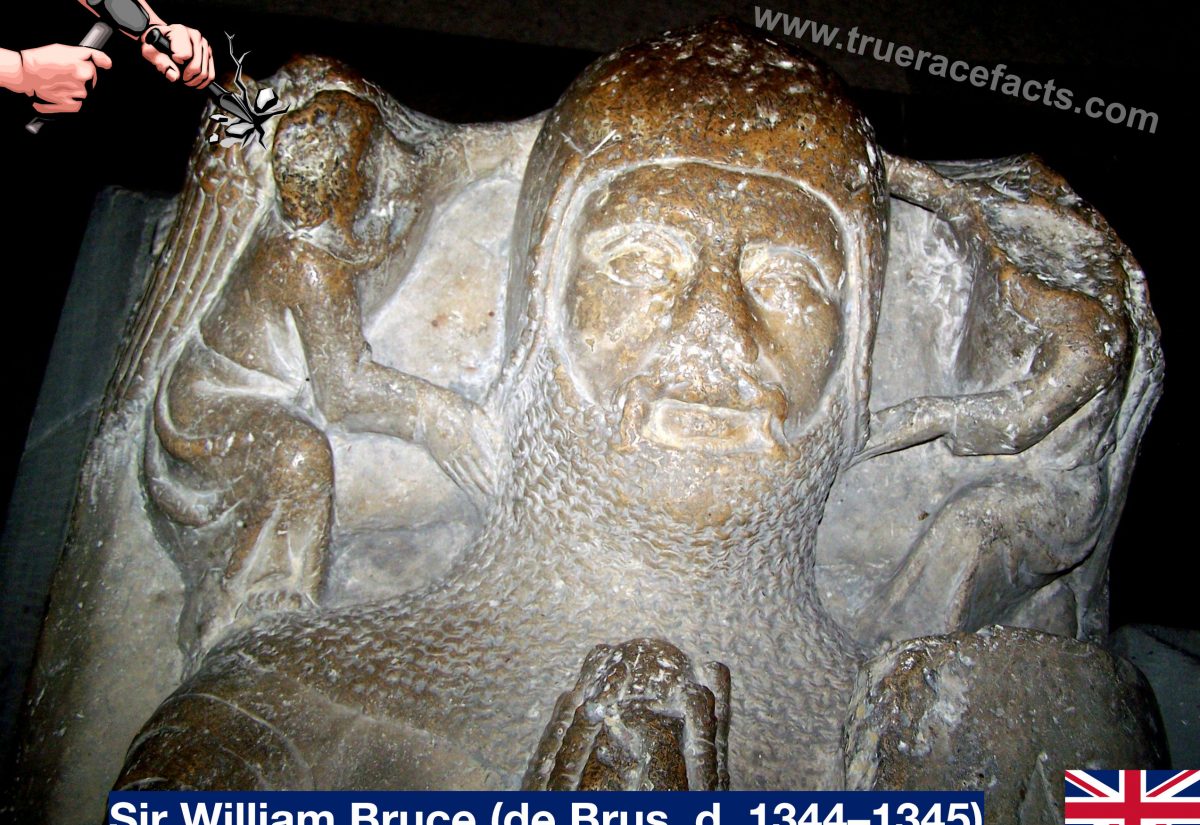
Explore Sir William Bruce (de Brus) (d.1344–1345), a Scottish knight of noble lineage, whose effigy preserves swarthy features, Israelite symbolism, and medieval status despite deliberate facial alterations.
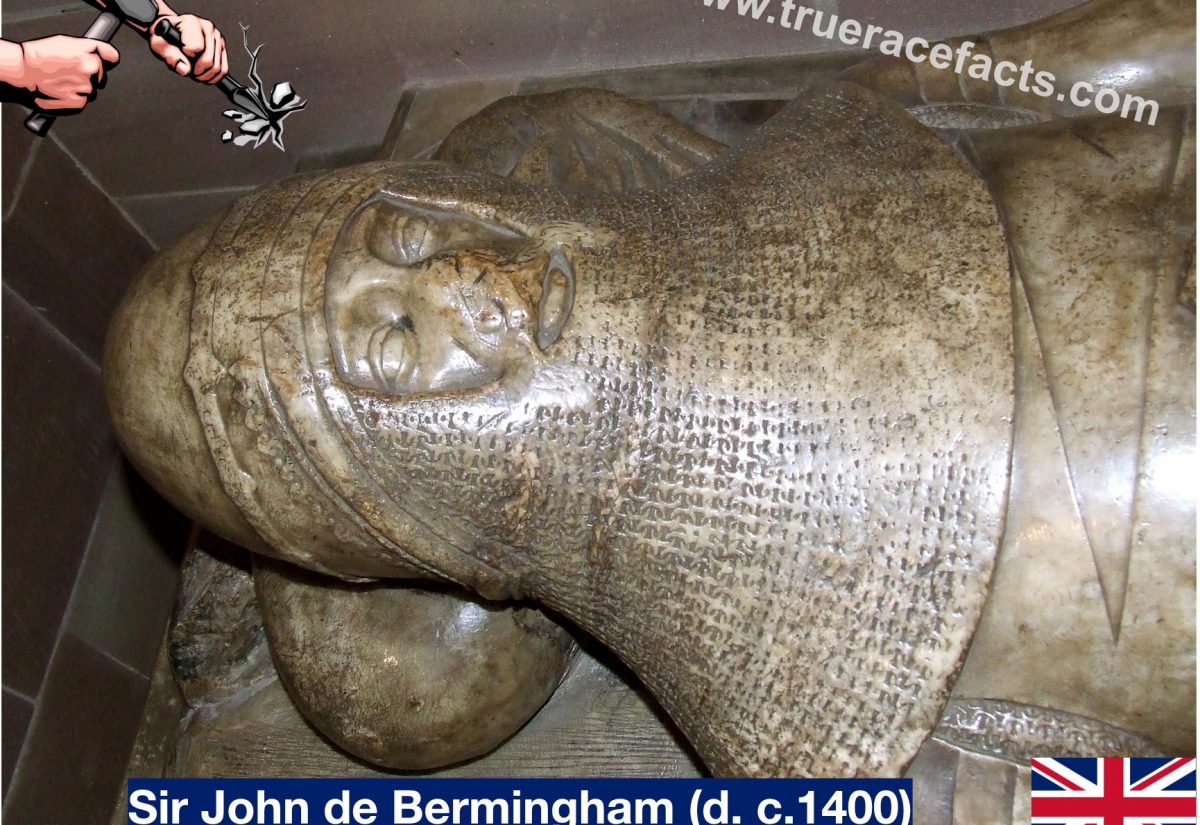
Discover Sir John de Bermingham (d. c.1400), a medieval knight whose effigy preserves his swarthy features, noble lineage, and Israelite symbolism despite deliberate facial defacement.
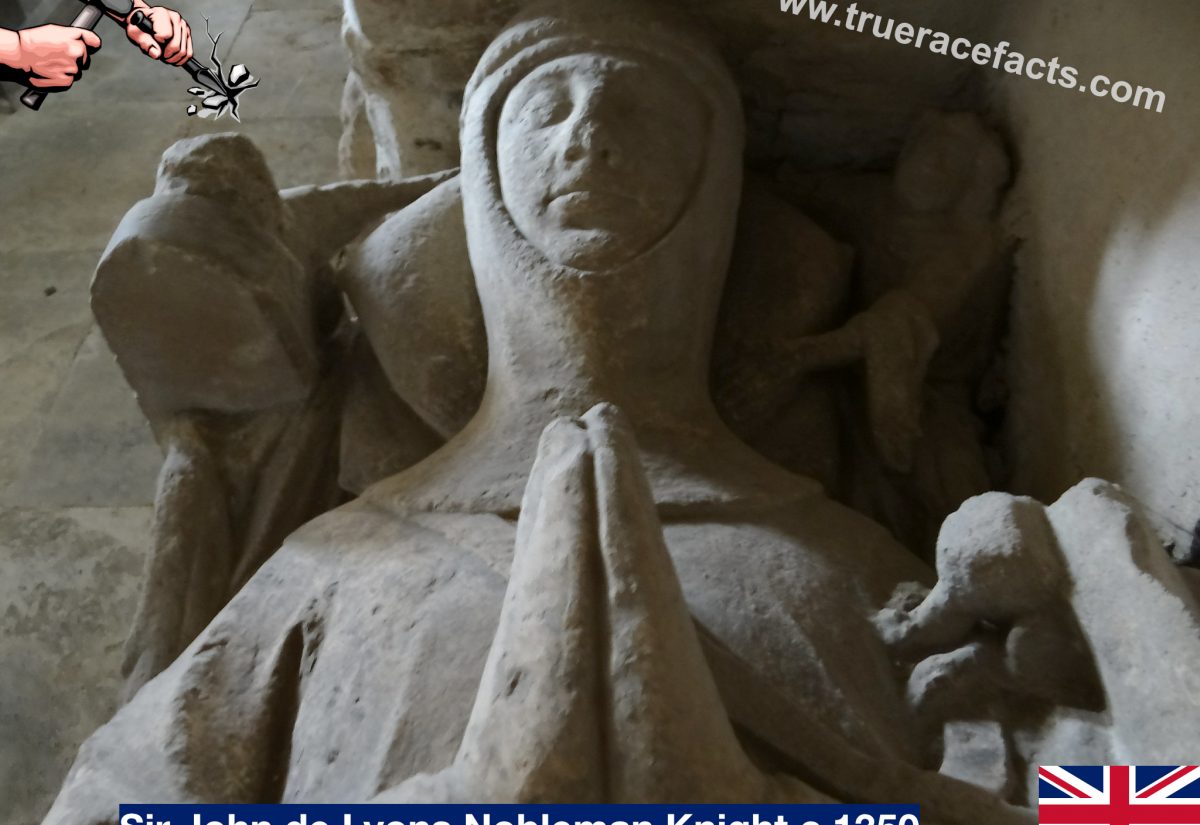
Explore Sir John de Lyons (c.1350), a medieval knight whose effigy preserves his noble lineage, swarthy features, and Israelite symbolism despite deliberate facial alterations.
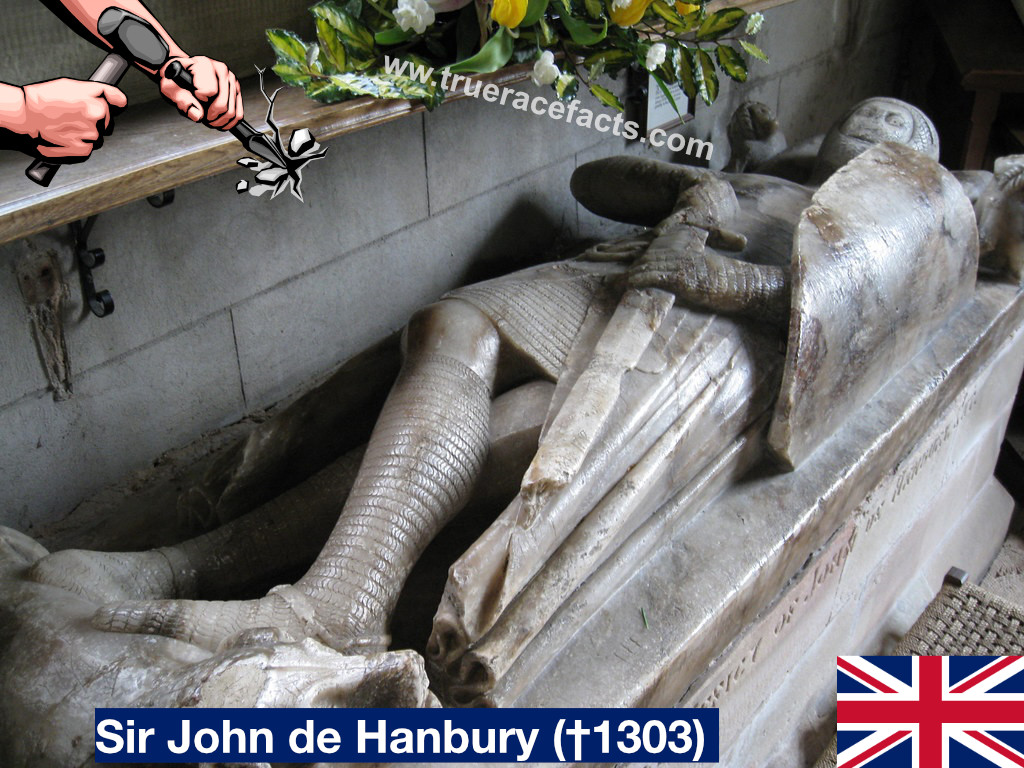
Discover Sir John de Hanbury (†1303), a medieval knight whose effigy preserves his swarthy features, noble lineage, and Israelite symbolism despite deliberate facial defacement.
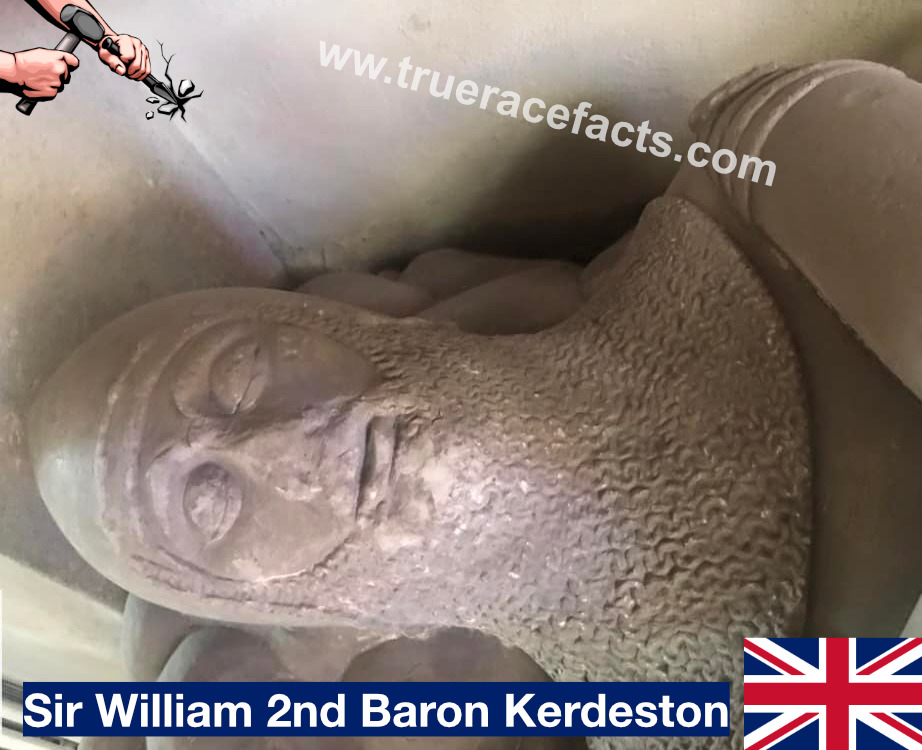
Explore Sir William de Kerdeston (d. 14 August 1361), a medieval knight whose effigy preserves his swarthy features, noble lineage, and Israelite symbolism despite deliberate facial alterations.