- 5 April 2026
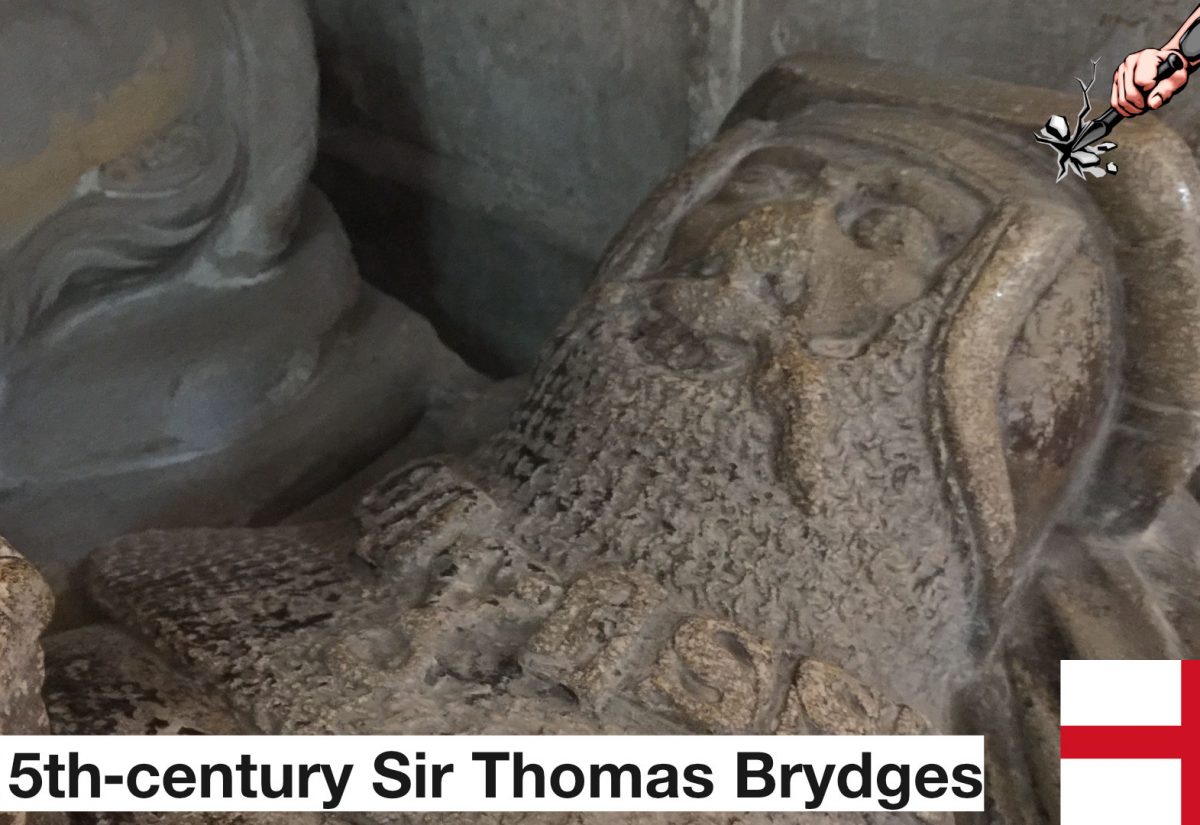
Explore the 15th-century effigy of Thomas Brydges of Coberley and his wife in Gloucester Cathedral. Despite intentional chiselling and paint removal, their swarthy features and noble lineage remain visible, revealing England’s overlooked medieval diversity.
- 15 March 2026
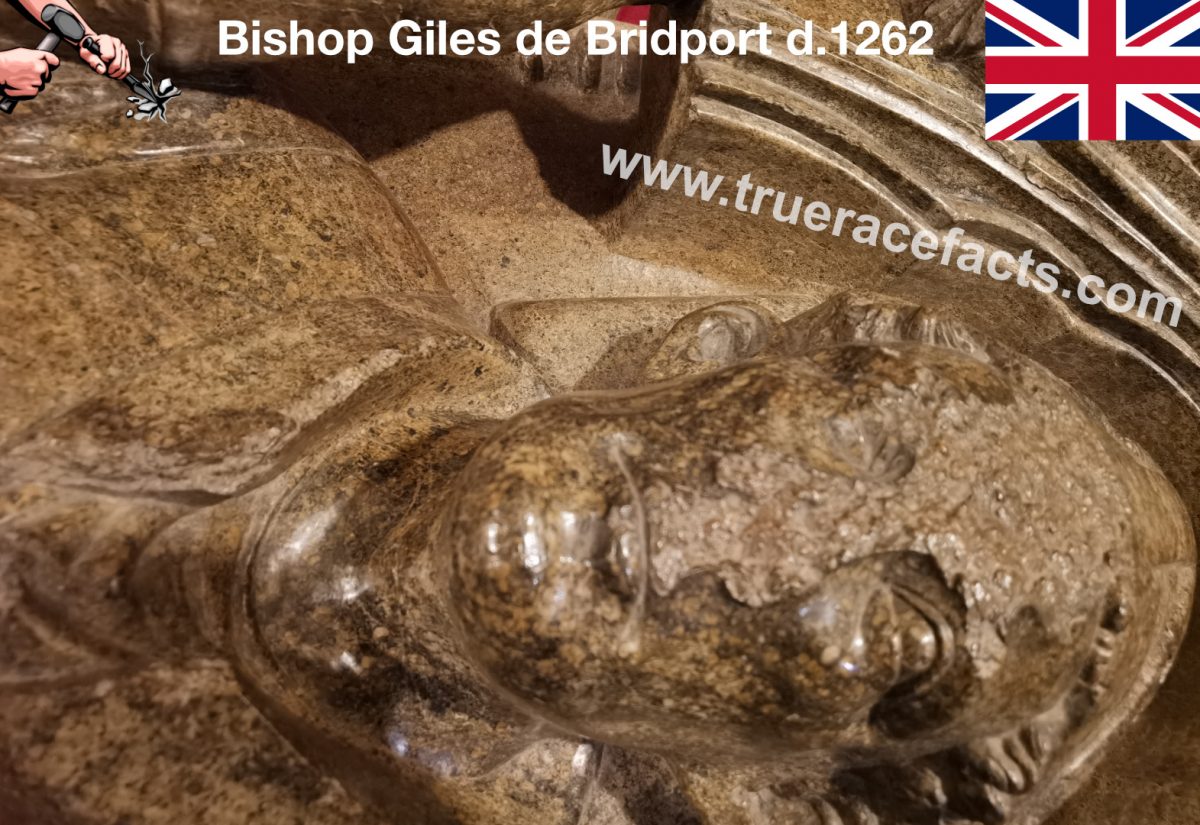
Discover the life and legacy of Giles de Bridport, 13th-century swarthy Bishop of Salisbury. Explore his medieval effigy inside Salisbury Cathedral, highlighting deliberate alterations to his nose and lips, his swarthy features, and his historical influence in England.
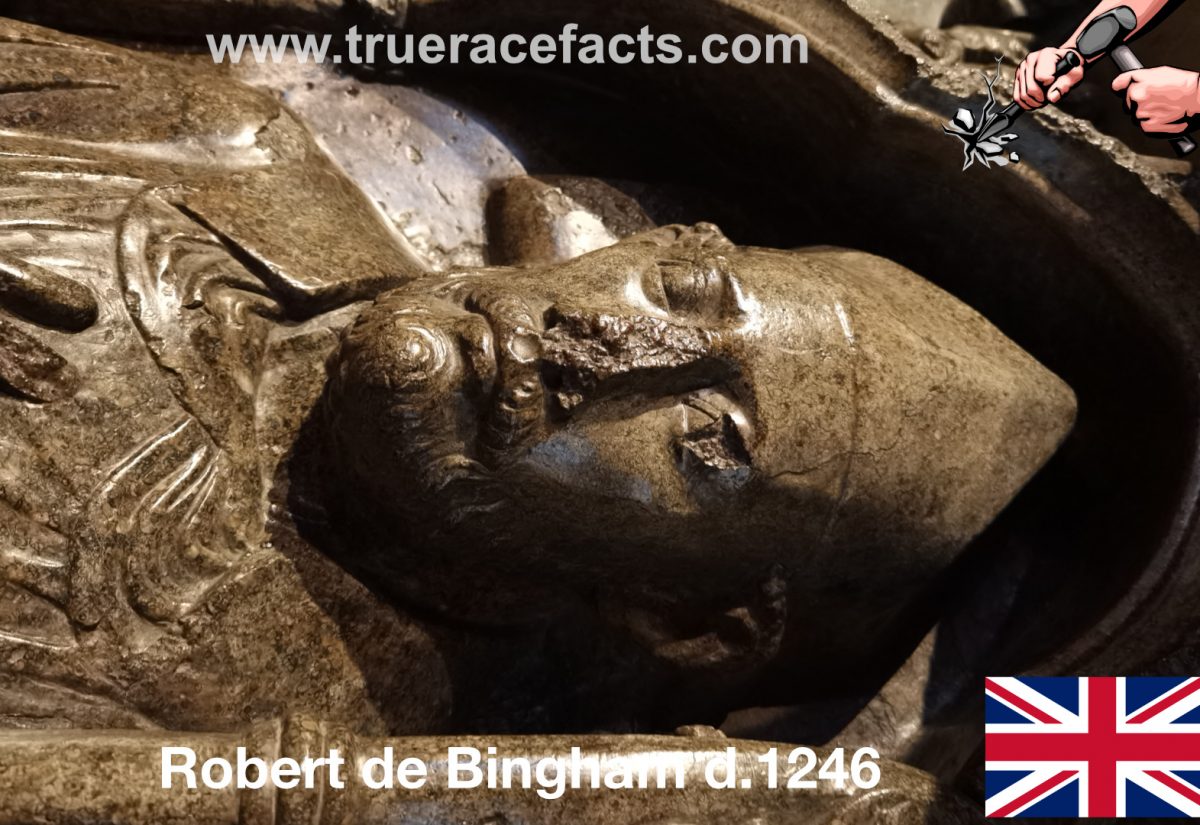
The Bishop Who Built a Cathedral Robert de Bingham served as Bishop of Salisbury during one of the most important phases in the construction of Salisbury Cathedral. Appointed in 1229, he inherited responsibility for a project that was already underway but still far from completion.
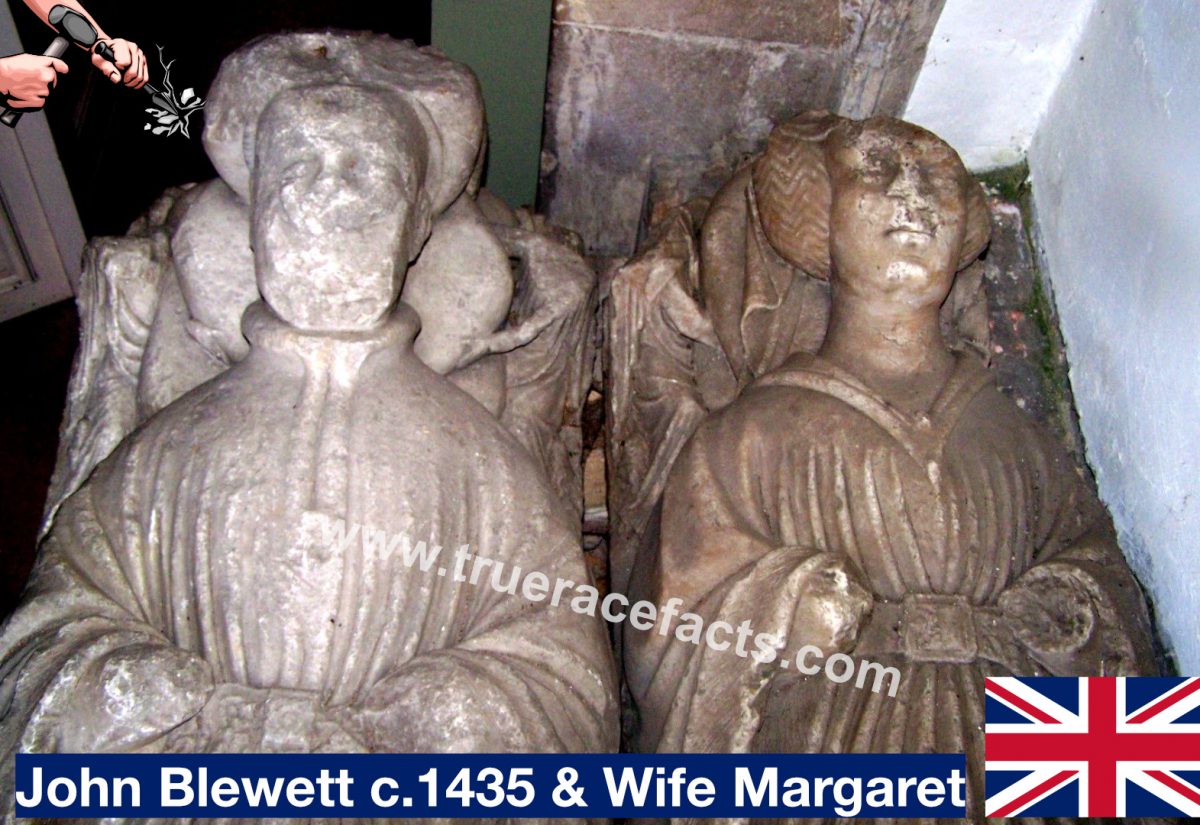
The medieval effigy of John Blewett (c.1435) and his wife Margaret in St Mary and St Peter’s Church, Harlaxton, preserves their nobility, lineage, and identity. Though John’s face has been heavily damaged, Margaret’s remains clear, and the lamb at his feet reflects powerful spiritual symbolism tied to faith and belonging.
- 7 February 2026
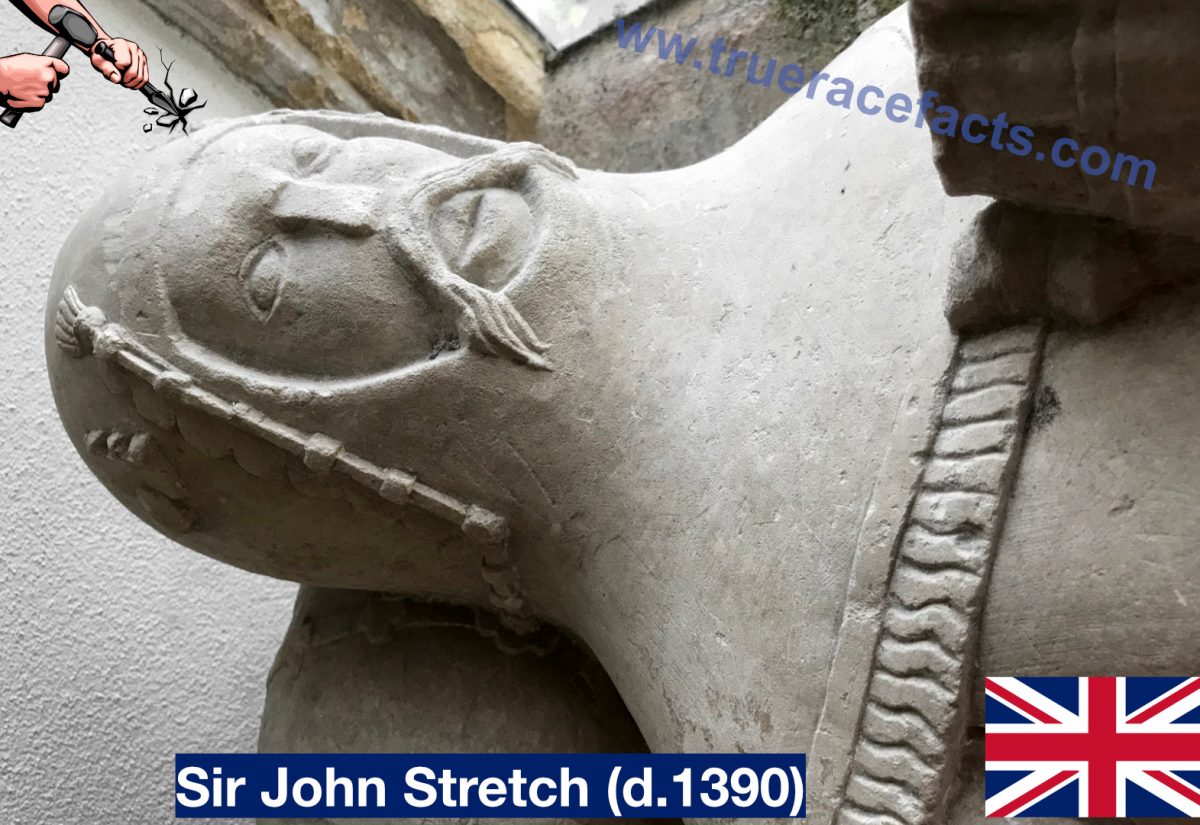
The effigy of Sir John Stretch (d.1390) preserves his armour, posture, and the lion beneath his feet, a symbol of courage, nobility, and Israelite heritage. While the original paint was removed and his nose and lips deliberately filed down, the monument still reveals the likeness of a swarthy (i.e., black) medieval knight. It stands as a testament to status, lineage, and selective erasure in medieval Britain.
- 7 February 2026
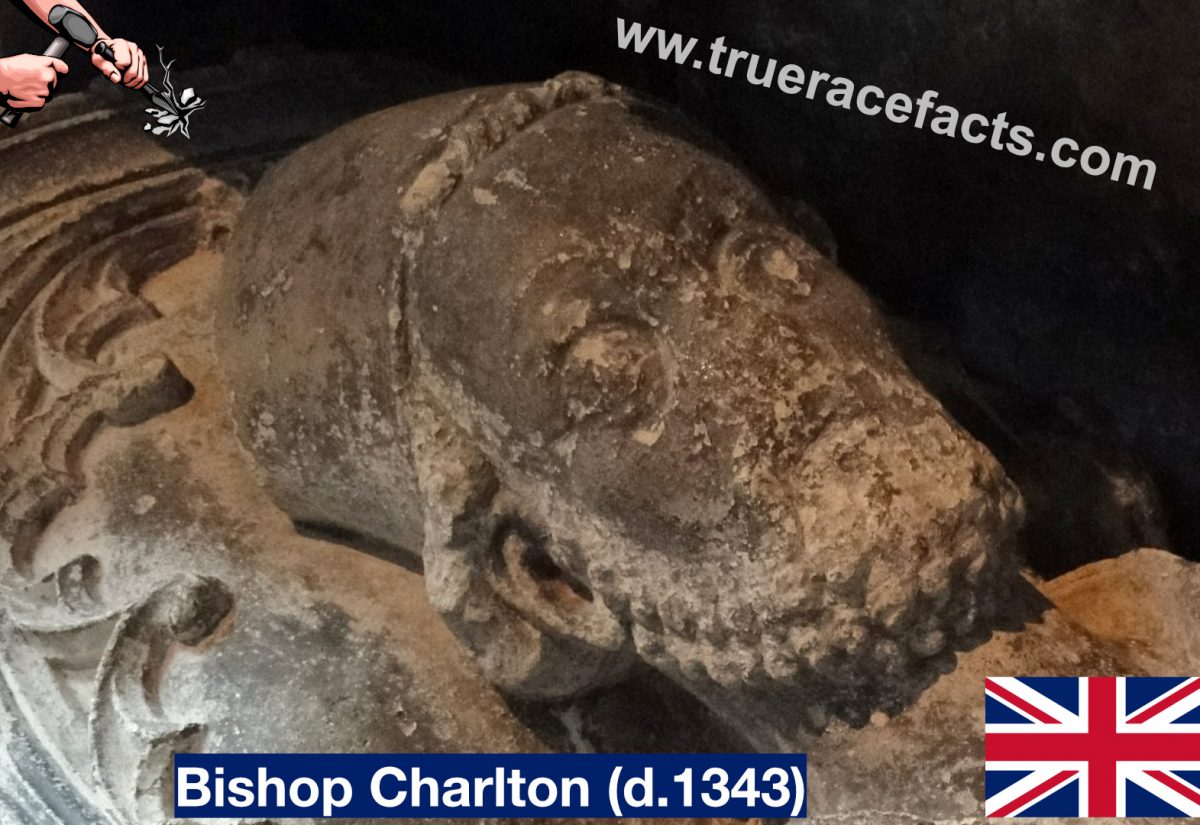
The effigy of Bishop Thomas Charlton (d.1343) at Hereford Cathedral preserves his long scriptural garment and detailed hair and beard. While the nose and lips were deliberately altered, the monument still reveals the swarthy features of this medieval bishop. It stands as a striking testament to status, identity, and selective erasure in medieval Britain.
- 1 February 2026
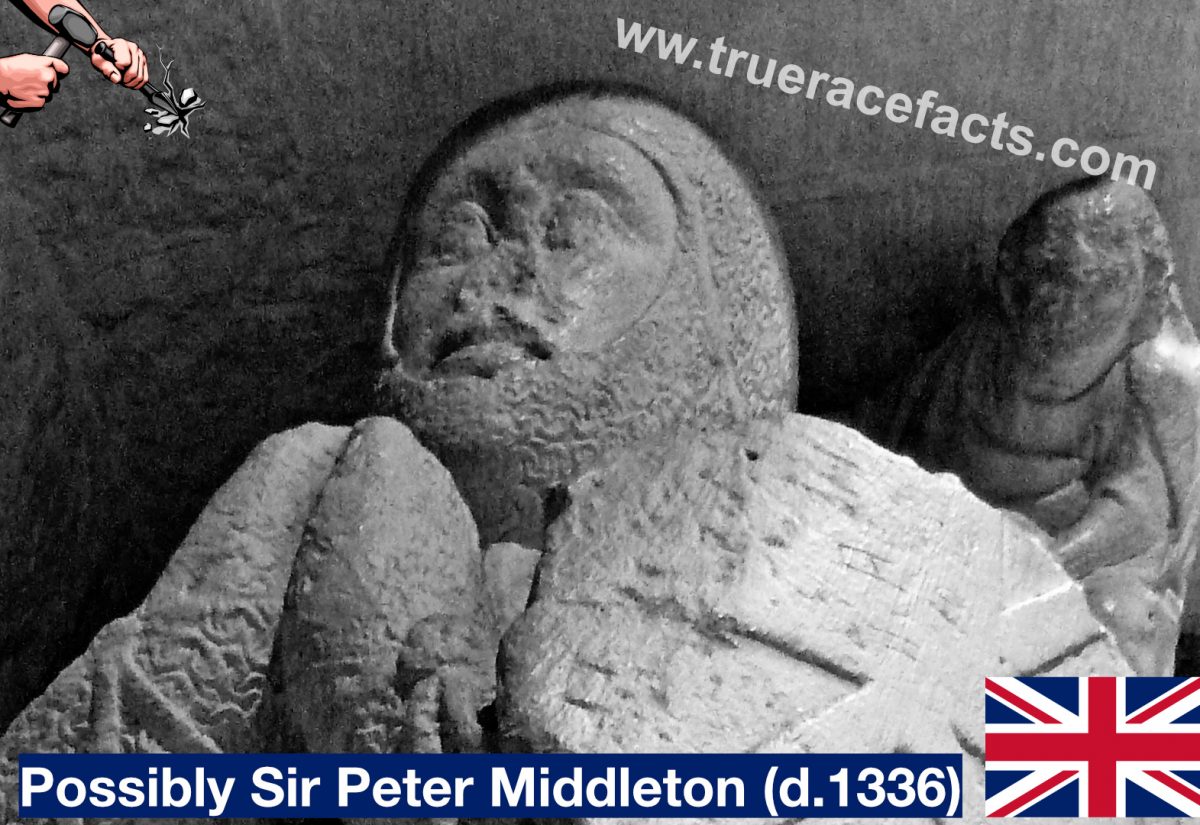
Inside All Saints Church, Ilkley, a medieval effigy possibly of Sir Peter Middleton (d.1336) preserves a clear nose and lip outline, revealing a swarthy noble likeness. Nearby figures show extreme facial destruction, pointing to selective iconoclasm rather than age.
- 25 January 2026
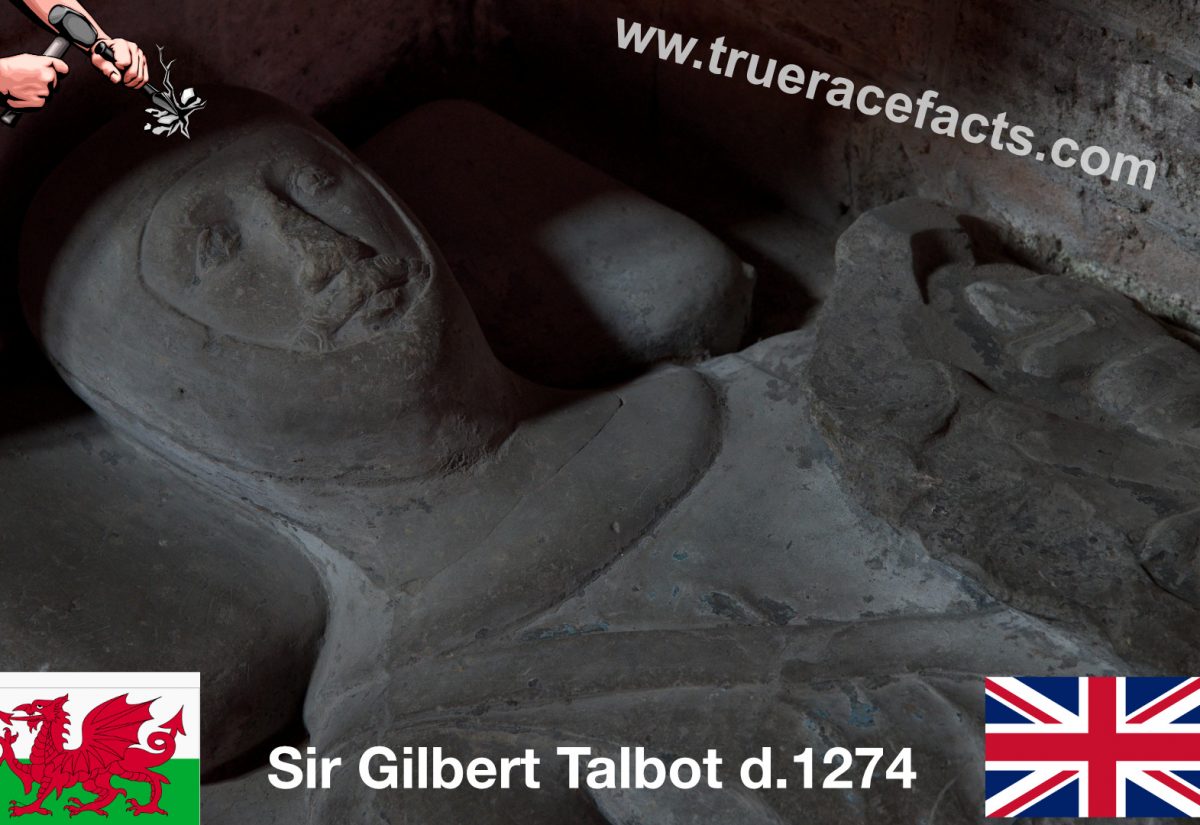
Explore Sir Gilbert Talbot (d.1274), a marcher noble of medieval England whose effigy preserves his lineage, status, and knightly identity through symbolism, armour, and sacred memorial tradition.
- 25 January 2026
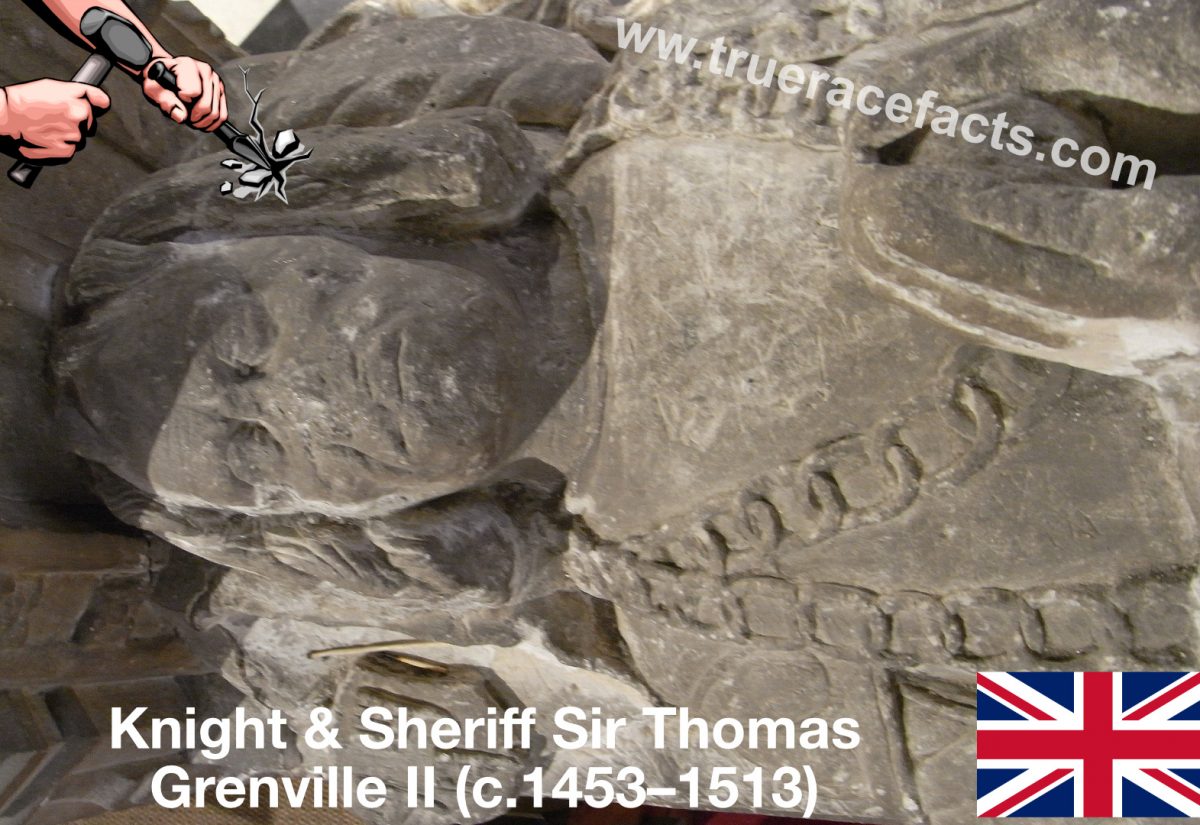
Discover Sir Thomas Grenville II, K.B. (c.1453–c.1513), Sheriff of Cornwall and West Country noble, whose effigy preserves his rank, lineage, and status despite deliberate alterations to his facial features.
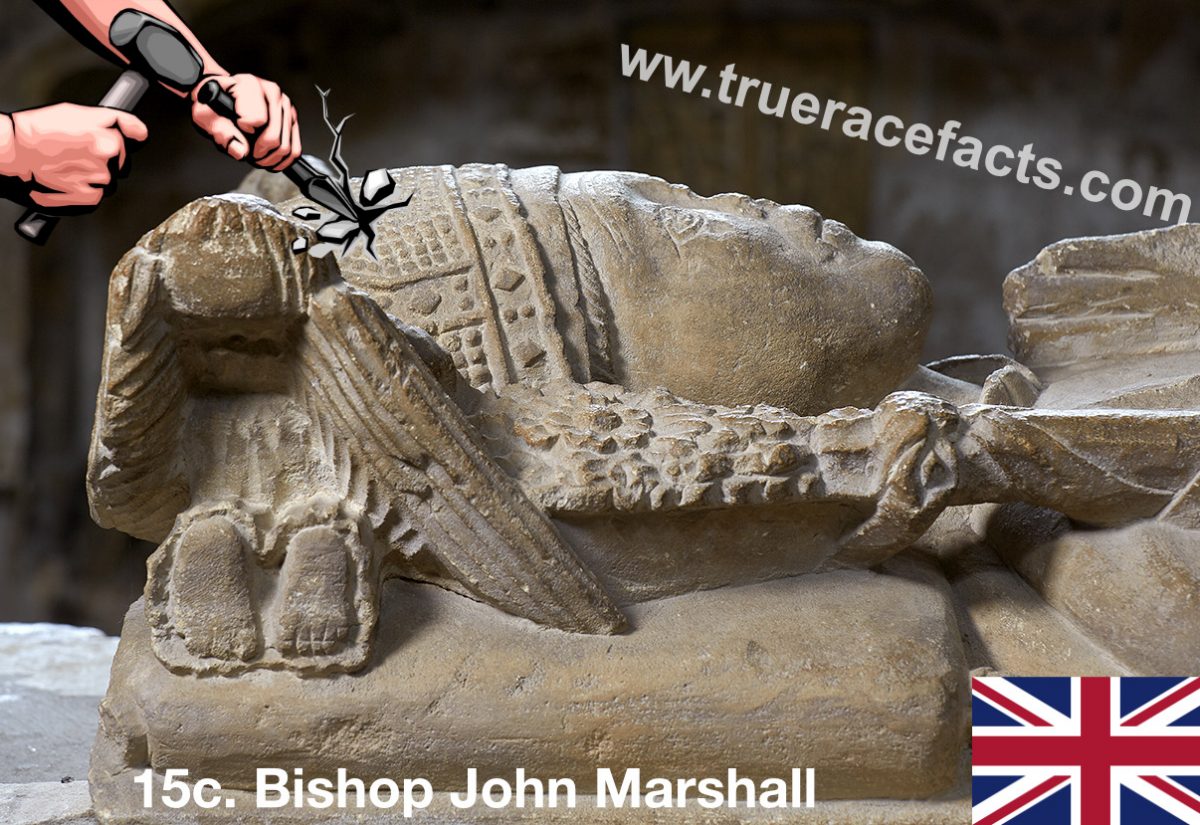
Explore Bishop John Marshall (d.1496) of Llandaff Cathedral, a swarthy medieval church leader whose effigy preserves his nobility, sacred office, and enduring identity despite facial iconoclasm.